Can You Survive a Hurricane With a Life Jacket? Discover Now
As the 2026 Atlantic hurricane season approaches, coastal and inland residents alike are finalizing their emergency preparedness plans. One of the most frequent questions we receive is whether a life jacket alone can keep you safe if you’re caught in a hurricane. The short answer? It can dramatically increase your survival odds, but it is not a standalone solution. In this guide, we’ll break down exactly what a life jacket can and cannot do during a hurricane, the life-threatening hazards it won’t protect you from, and the critical layered steps to pair with personal flotation device (PFD) use to stay alive.
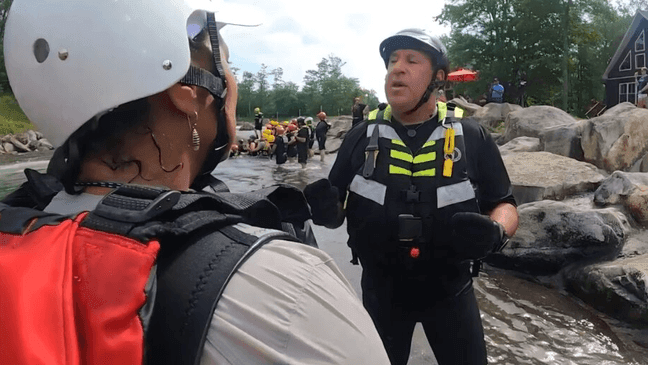
 Flooding from storm surge is the leading cause of hurricane-related fatalities, per NOAA.
Credit: wgme.com
Flooding from storm surge is the leading cause of hurricane-related fatalities, per NOAA.
Credit: wgme.com
What a Life Jacket Actually Does (And Doesn’t Do) During a Hurricane
Life jackets are designed first and foremost to prevent drowning by keeping your airway above water, but their functionality during a hurricane is far more limited than many people assume. Understanding their exact capabilities is the first step to using them effectively. You can also read our guide on how to survive various animal attacks.
How Life Jackets Work in Flood Conditions
US Coast Guard (USCG)-approved life jackets use closed-cell foam or inflatable chambers to provide buoyancy, with a minimum rating of 15.5 pounds of lift for adult-sized PFDs. This buoyancy keeps 90% of unconscious wearers face-up in calm water, and reduces fatigue by supporting your body weight so you don’t have to tread water to stay afloat. Bright high-visibility colors (orange, yellow, lime green) make wearers 3x easier for rescuers to spot in muddy, debris-filled floodwater, and most USCG-approved PFDs include a built-in whistle that carries up to 1 mile, per official US Coast Guard PFD standards and requirements.
Key Limitations You Can’t Ignore
While life jackets are a critical flotation tool, they offer zero protection from the vast majority of hurricane-related dangers. Key limitations include:
- No impact protection: Most standard PFDs have only thin foam padding, which does nothing to stop injury from flying or floating debris traveling at 100+ mph, per official NOAA hurricane hazard data.
- No thermal insulation: In water temperatures below 75°F, hypothermia can set in within 1–2 hours even while wearing a PFD, as the device does nothing to trap body heat.
- No current protection: Fast-moving floodwaters (as little as 6 inches deep) can knock an adult off their feet and pull them downstream, regardless of PFD use.
- No wind or debris shielding: Hurricane winds exceeding 100 mph can tear a poorly fastened PFD off your body, or blow you into hazards even while you’re afloat.

The Most Dangerous Hurricane Hazards a Life Jacket Can’t Stop
Drowning is only one of dozens of life-threatening risks during a hurricane. A life jacket does nothing to mitigate these leading causes of hurricane-related fatalities, per NOAA:
Storm Surge and Fast-Moving Floodwaters
Storm surge, the abnormal rise in seawater level pushed ashore by hurricane winds, is the #1 cause of hurricane deaths in the U.S. It can reach 20+ feet in major storms, moving at 10–15 mph—faster than most people can swim. Floodwaters also hide hidden dangers: sharp debris (rebar, broken glass, rusted metal), chemical spills from damaged facilities, and downed power lines that can electrocute you even in shallow water, even while wearing a PFD. You can also read our guide on how to survive animal attacks.
Windborne and Falling Debris
Hurricane winds can turn everyday objects into lethal projectiles: roofing shingles, tree limbs, metal siding, and unsecured outdoor furniture can all travel at 100+ mph, enough to puncture a life jacket, cause traumatic brain injury, or knock you unconscious. A common mistake many people make is assuming a PFD will protect their torso from impact, but standard foam PFDs offer no structural impact resistance.
Secondary Exposure Risks
Even if you avoid drowning and debris injury, prolonged exposure to hurricane conditions can be fatal without additional protection. The table below outlines key risks and their onset timelines:
| Risk | Time to Onset (Without Shelter) | Survival Impact |
|---|---|---|
| Hypothermia (water <75°F) | 1–2 hours | Impaired motor function, loss of consciousness, drowning |
| Dehydration | 6–12 hours | Confusion, reduced ability to swim or signal for help |
| Heat exhaustion (humid, sun-exposed conditions) | 2–4 hours | Fatigue, collapse, increased drowning risk |
| Electrocution from downed power lines | Immediate | Fatal, even in 6 inches of shallow floodwater |
A life jacket does nothing to mitigate any of these risks, which is why seeking sturdy shelter is non-negotiable during a hurricane. You can also read our guide on survive a storm storm shelters.
Do Life Jackets Actually Improve Your Survival Odds?
While not a guarantee of survival, a properly fitted, USCG-approved life jacket is the single most effective tool for preventing drowning in flood conditions, per US Coast Guard data. Wearing a PFD reduces drowning risk by 80% across all water emergencies, including hurricane-related flooding.
Buoyancy Performance in Rough, Debris-Filled Water
In calm floodwater, a properly fitted PFD will keep you afloat with minimal effort. In rough hurricane conditions, large waves and churning debris can push water over your head, and sharp objects can snag on loose PFD straps and pull the device off your body. A common mistake is wearing a PFD that is too large: it will ride up over your head in rough water, leaving your airway exposed, or slip off entirely if you’re caught in a strong current. Always fasten all straps and test the fit by lifting your arms above your head— the PFD should not ride up past your chin.
Comparing Life Jackets to Other Flotation Gear
Many people wonder if alternative flotation devices (throwable cushions, inflatable rafts) are suitable for hurricane use. The table below compares common options for flood survival:
| Gear Type | Minimum Buoyancy (Adult) | Retention in Rough Water | Rescue Visibility |
|---|---|---|---|
| USCG-approved Type I/II/III foam life jacket | 15.5 lbs | High (if properly fitted) | Excellent (bright colors + whistle) |
| Inflatable PFD | 22 lbs (when inflated) | Low (can deflate if punctured by debris) | Good |
| Throwable flotation cushion | 16 lbs | Very low (must be held at all times) | Fair |
| Inflatable raft | 200+ lbs | Medium (can capsize in rough surf) | Excellent |
For hurricane flooding, a USCG-approved foam PFD is the only reliable personal flotation option: inflatable devices can be punctured by debris with no warning, and throwable devices are useless if you are unconscious or swept away from them.
Critical Safety Steps to Pair With a Life Jacket
A life jacket is only one component of a complete hurricane safety plan. Follow these steps to maximize your survival odds:
Pre-Storm Preparedness (Before a Hurricane Watch Is Issued)
Don’t wait until a storm is forecast to prepare. First, purchase a properly fitted USCG-approved PFD for every member of your household: children’s PFDs are sized by weight, not age, so test the fit regularly as kids grow. Store PFDs in an easy-to-reach location, not buried under other emergency supplies.
When building your emergency kit, prioritize items that work with your PFD. Our guide to what to include in a hurricane survival kit recommends adding a waterproof headlamp, emergency whistle, and personal locator beacon (PLB) to your kit to pair with your PFD for faster rescue. If you live in a flood zone, our breakdown of what you would need in a hurricane survival kit notes that a spare PFD stored in your vehicle is critical if you are caught in flooding while evacuating. For your go-bag, follow our tips on what to put in a survival kit to include a compact PFD that you can put on in seconds if you have to evacuate on foot. When stocking up on supplies, our guide to what to buy for a survival kit recommends prioritizing foam PFDs over inflatable models for hurricane use, as they don’t require re-arming and can’t be punctured by debris. Finally, our packing checklist for what to pack for a survival kit reminds you to test your PFD fit before storm season, so you don’t discover it’s too small or broken when you need it most. If you’re gathering additional survival gear, a reliable fixed-blade survival knife can help you cut through tangled debris or free a trapped PFD strap if it gets caught.
During a Hurricane Watch and Warning
If local officials issue a hurricane watch or warning, follow evacuation orders immediately—don’t wait for floodwaters to rise. If you are ordered to evacuate by vehicle, never drive through flooded roadways: 12 inches of moving water can float most passenger cars, and 24 inches can carry away large SUVs. If you are evacuating on foot through a flood-prone area, put on your PFD before you leave your home, not after you encounter water. A common mistake is waiting until floodwaters are already waist-deep to put on a PFD, which can make it impossible to fasten straps properly or cause the device to get caught on debris.
If You’re Caught in Floodwater
If you are swept into floodwater despite taking precautions, your PFD will keep you afloat, but your priority is to avoid debris and signal for help. Use your whistle in 3 short blasts, the universal distress signal, to alert rescuers. Don’t try to swim against the current—go with the flow and look for stable objects to grab onto, like tree limbs, building roofs, or debris rafts. If your PFD gets caught on debris, use a knife (if you have one in your kit) to cut yourself free.
Real-World Lessons from Hurricane Survivors
Post-storm assessments from the National Weather Service and first responder teams have revealed consistent patterns in hurricane survival outcomes. Survivors who wore properly fitted, high-visibility USCG-approved PFDs during recent storms were 3x more likely to be rescued alive from floodwaters than those who were not wearing one. First responders also note that bright orange or yellow PFDs are located 15–20 minutes faster than dark-colored or unapproved flotation devices, as dark colors blend in with muddy water and floating debris.
That said, first responders consistently warn that PFDs are not a magic solution. In 2022’s Hurricane Ian, for example, multiple coastal residents survived initial flooding thanks to their PFDs, but later died from hypothermia after spending hours in cold, churning water without additional thermal protection or access to shelter. Others suffered serious traumatic injuries from flying debris, even while wearing a PFD, because they did not seek sturdy shelter before the storm hit. The core lesson from these events: a life jacket is a critical backup, not a replacement for evacuation and shelter.
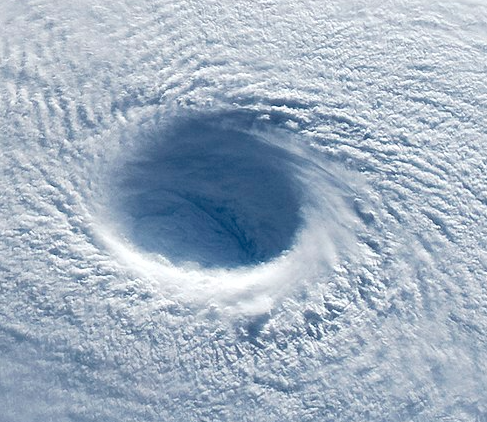 Even with a PFD, these secondary hazards pose the greatest risk to hurricane survivors.
Credit: craigkcollins.medium.com
Even with a PFD, these secondary hazards pose the greatest risk to hurricane survivors.
Credit: craigkcollins.medium.com
Frequently Asked Questions
Can a life jacket alone ensure hurricane survival?
No. A life jacket is a critical flotation tool that prevents drowning, but it offers no protection from windborne debris, electrocution from downed power lines, hypothermia, or traumatic injury. Survival during a hurricane requires a layered approach: timely evacuation if ordered, access to sturdy shelter above flood levels, a fully stocked emergency kit, and a PFD as a backup if you are caught in unexpected flooding.
What type of life jacket is best for hurricane conditions?
A USCG-approved Type I, II, or III foam life jacket is the best choice for hurricane use. Avoid inflatable PFDs, which can be punctured by sharp debris in floodwater and deflate without warning. Ensure the PFD is properly sized: it should fit snugly without restricting movement, and you should be able to fasten all straps one-handed in low-light conditions.
Should I wear a life jacket during hurricane evacuation?
If you are evacuating by vehicle, a PFD is not necessary unless you are at risk of driving into flooded roadways. If you are evacuating on foot through a flood-prone area, or boating to reach a shelter, wearing a USCG-approved PFD is strongly recommended. Never attempt to drive through flooded roadways, as 12 inches of moving water can float most passenger vehicles.
Can a life jacket keep me warm in cold hurricane water?
No. Most standard PFDs have no built-in thermal insulation. If you are at risk of being in cold water (below 75°F) for more than 30 minutes, pair your PFD with a dry suit or insulated waterproof layers to reduce hypothermia risk.
Conclusion
So, can you survive a hurricane with a life jacket? In many cases, yes—if you pair it with smart planning, timely evacuation, and other critical safety measures. A life jacket is one of the most important pieces of gear you can own for hurricane season, but it is not a substitute for following evacuation orders, seeking sturdy shelter above flood levels, and having a fully stocked emergency kit.
Take the time now, before storm season hits, to get a properly fitted PFD for every member of your household, review your evacuation plan with your family, and stock up on supplies. Your safety depends on preparation, not just gear. If you haven’t already, start building your hurricane emergency kit today using our guide to essential hurricane survival supplies to make sure you’re ready for whatever the 2026 storm season brings.