What Boat Can Survive a Hurricane: Ultimate Guide to Storm-Proof Vessels
The 2026 Atlantic hurricane season is forecast to be above average, per the National Oceanic and Atmospheric Administration (NOAA), with 14–21 named storms expected, 6–10 of which could reach hurricane strength. For boat owners, this raises a critical question: what boat can actually survive a hurricane, and how do you prepare it to withstand 100+ mph winds, 50-foot waves, and catastrophic storm surge?
No vessel is 100% hurricane-proof, but design, construction, and pre-storm preparation drastically improve your odds of protecting your investment and keeping your crew safe. This guide cuts through marketing hype to share real-world performance data, honest trade-offs between vessel types, non-negotiable safety features, and step-by-step preparation strategies aligned with 2026 U.S. Coast Guard and NOAA guidance. We’ll also cover common mistakes that lead to avoidable vessel loss, so you can make informed decisions before the next storm hits. You can also read our guide on how do whales survive hurricanes.
Understanding Hurricane Hazards That Threaten Vessels
Hurricanes produce a unique combination of extreme conditions that test every part of a boat’s design and construction. Misjudging these hazards is the leading cause of preventable vessel loss during storm events.
Wind, Wave, and Surge Thresholds
Hurricane conditions are categorized using the Saffir-Simpson Wind Scale, with damage risk rising sharply at each category. The table below outlines average conditions for each category, per official Saffir-Simpson wind thresholds from the National Hurricane Center:
| Category | Sustained Wind Speed | Average Wave Height | Maximum Storm Surge |
|---|---|---|---|
| 1 | 74–95 mph | 10–20 feet | 4–5 feet |
| 2 | 96–110 mph | 20–30 feet | 6–8 feet |
| 3 | 111–129 mph | 30–45 feet | 9–12 feet |
| 4 | 130–156 mph | 45–60 feet | 13–18 feet |
| 5 | 157+ mph | 60+ feet | 18+ feet |
Even Category 1 storms produce short, steep waves that can swamp small boats, while Category 4 and 5 events generate forces capable of breaking a vessel’s hull or ripping masts from their steps. Storm surge, often overlooked by boat owners, can lift vessels out of the water entirely, deposit them on land, or sink them in marinas with inadequate drainage. You can also read our guide on masked forces zombie survival unblocked games.
Common Vessel Failure Points
U.S. Coast Guard post-storm assessments consistently identify four primary causes of total vessel loss during hurricane landfalls:
- Anchor drag, where inadequate anchoring systems fail to hold the vessel in extreme currents and wind
- Hull breaches from floating debris (docks, other boats, shipping containers) or impact with fixed structures
- Mast and rigging failure on sailboats, where wind loads exceed the design limits of standing rigging
- Electrical system failure leading to fires, or fuel tank rupture from impact or sloshing
In practice, many boat owners underestimate the force of hurricane winds: a 30-foot sailboat experiences over 3,000 pounds of wind pressure on its sails and rigging in 100 mph winds, enough to snap even upgraded standing rigging if not properly secured.
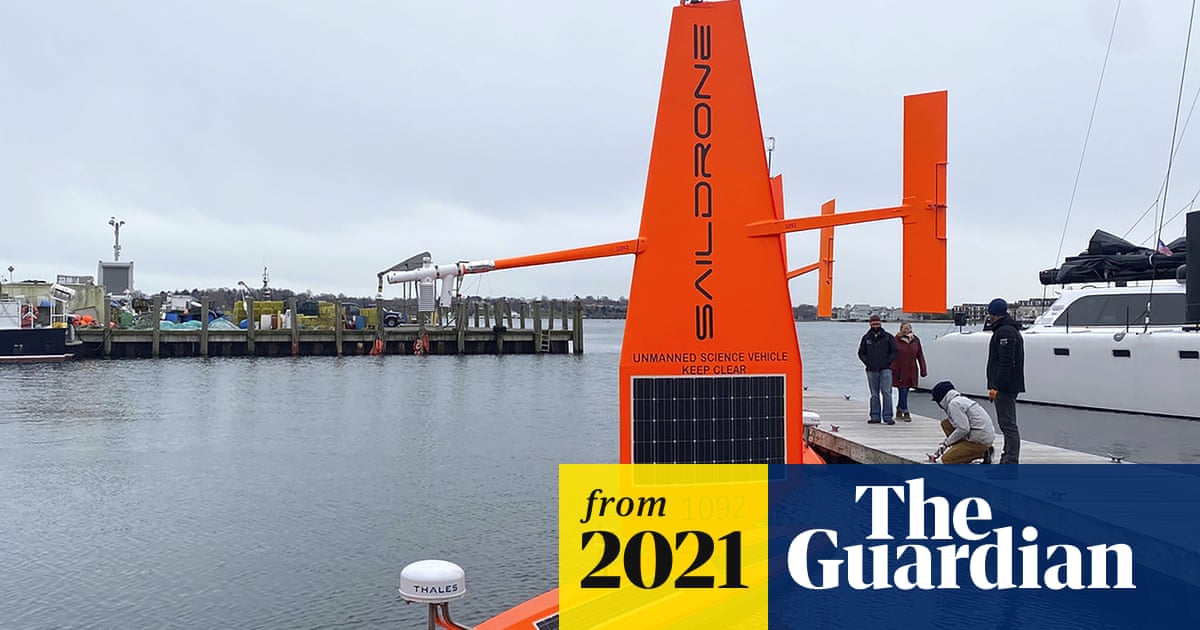 A sailboat fights through heavy seas as a hurricane approaches the U.S. East Coast
Credit: www.theguardian.com
A sailboat fights through heavy seas as a hurricane approaches the U.S. East Coast
Credit: www.theguardian.com
Boat Types With Proven Hurricane Survival Track Records
Not all vessels are built to withstand extreme conditions. The following types have documented track records of surviving direct hurricane hits, along with honest trade-offs to consider before purchase. You can also read our guide on ark survival water tank just rain plants.
Full-Displacement Trawlers and Trawler Yachts
Full-displacement trawlers are widely considered the most storm-resistant monohull design for recreational and light commercial use. Their heavy, full-length keels lower the center of gravity to reduce rolling, while their high freeboard (minimum 4 feet above the waterline) keeps green water (waves breaking over the deck) from entering the hull. Many commercial fishing trawlers have survived direct passages through Category 4 hurricanes with minimal structural damage, as their heavy displacement hulls cut through waves rather than pounding against them.
Trade-offs: Full-displacement hulls are slow (cruising speeds of 7–10 knots) and less fuel-efficient than planing hulls, making them impractical for offshore racing or high-speed use. They also have a deeper draft (often 5+ feet), which limits access to shallow anchorage. You can also read our guide on what to buy for survival kit.
Multihull Sailboats (Catamarans and Trimarans)
Multihulls offer unmatched stability in heavy seas, thanks to their wide beam (often 15+ feet for a 40-foot catamaran) that eliminates the heeling (tilting) common in monohulls. Most modern cruising catamarans have a righting moment of 180 degrees or higher, meaning they will automatically self-right if capsized by a rogue wave. Many production catamarans (e.g., Lagoon, Fountaine Pajot) have survived Category 3 and 4 hurricanes with only minor damage to rigging and deck hardware.
Trade-offs: Multihulls have lightweight composite hulls that are more susceptible to puncture from floating debris than steel or thick fiberglass monohulls. Their wide beam also makes them vulnerable to bridge strikes during storm surge events, and they are more expensive to purchase and maintain than comparable monohulls.
Steel and Aluminum Commercial Workboats
Vessels built to American Bureau of Shipping (ABS) or Det Norske Veritas (DNV) commercial standards, such as tugboats, offshore supply vessels, and research ships, are engineered to survive extreme sea states. Steel hulls resist puncture from debris and impact, while their heavy weight provides exceptional stability in heavy waves. Aluminum workboats offer similar strength with added corrosion resistance for saltwater environments.
Trade-offs: Steel hulls require regular maintenance to prevent rust, especially in saltwater, while aluminum can be easily punctured by heavy floating debris if not reinforced. Commercial workboats are also typically slower and less comfortable for recreational use.
Modified Production Cruising Sailboats
Many modern production sailboats built by manufacturers like Hallberg-Rassy, Oyster, and Catalina can be modified to survive hurricane conditions with factory or aftermarket upgrades. Key modifications include reinforced mast steps, upgraded standing rigging, storm shutters on all portlights and hatches, and heavy-duty storm anchors. Circumnavigators regularly use these modified production sailboats to ride out mid-ocean hurricanes, with many reporting minimal damage when properly prepared.
Vessel Types to Avoid in Hurricanes
Lightweight, high-windage vessels are extremely vulnerable in hurricane conditions and should be evacuated to secure storage before a storm hits:
- Pontoon boats: Low freeboard and lightweight aluminum tubes make them prone to swamping and capsizing
- Center console fishing boats: Open hulls and high windage from T-tops make them unstable in heavy seas
- Inflatable boats and RIBs: Easily punctured by debris and unable to self-bail if swamped
- High-performance planing hulls: Lightweight construction and low freeboard lead to rapid swamping in rough seas
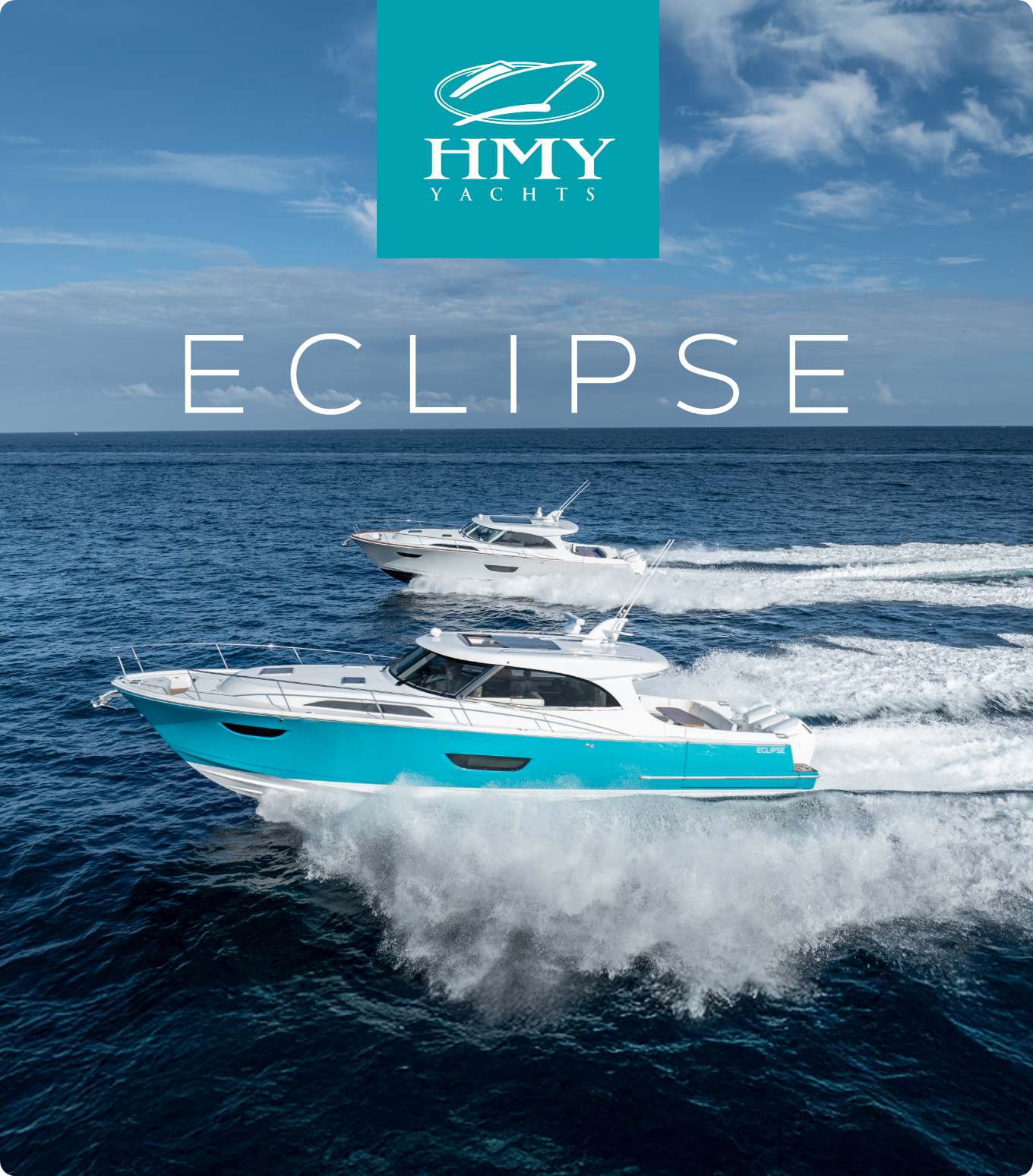 These three vessel types have the highest documented survival rates in Atlantic hurricane landfalls over the past 10 years
Credit: www.hmy.com
These three vessel types have the highest documented survival rates in Atlantic hurricane landfalls over the past 10 years
Credit: www.hmy.com
Non-Negotiable Design Features for Storm Survival
Even the most robust vessel will fail in a hurricane if it lacks critical design features. Prioritize these features when evaluating a boat for storm use:
Hull Design and Construction
The hull is the first line of defense against waves and debris. Storm-ready hulls have the following characteristics:
- Minimum 1/4-inch reinforced fiberglass layup for production boats, 3/8-inch or thicker for custom builds
- Watertight compartments separated by sealed bulkheads to prevent sinking if one section is breached
- A deep-V or modified-V hull shape (15–20 degree deadrise) to cut through waves rather than slamming against them
- Watertight deck hatches and portlights rated for extreme pressure (minimum 15 psi)
- For steel or aluminum hulls, a minimum thickness of 3/16 inch with reinforced frames every 12 inches
Stability and Self-Righting Capability
Stability determines how well a boat resists capsizing, while self-righting capability ensures it will return to an upright position if knocked over. Key metrics to look for:
- A low center of gravity, achieved via heavy ballast in the keel or low-mounted fuel and water tanks
- A wide beam to reduce rolling motion
- A static stability angle of 110 degrees or higher for monohulls (the angle at which the boat will not return to upright on its own)
- A righting moment of 180 degrees or higher for multihulls, ensuring automatic self-righting after capsizing
In practice, many boat owners overlook the importance of ballast placement: storing heavy gear high on deck raises the center of gravity and increases capsizing risk, even on otherwise stable hulls.
Reinforced Critical Structures
Reinforced framing and fittings prevent structural failure from wind and impact loads. Look for:
- Stainless steel 316 (not 304) fittings for all through-hulls, cleats, and rigging components to resist corrosion in saltwater
- Reinforced mast steps and keel bolts rated for loads 2x the maximum expected wind force
- Double-bottomed hulls with foam-filled buoyancy compartments to keep the boat afloat even if the hull is breached
- Sealed, impact-resistant engine mounts to prevent engine failure from vibration and shock
Essential Equipment for Hurricane Survival
Even the most storm-ready boat will fail without the right equipment. Prioritize the following gear, aligned with 2026 US Coast Guard requirements:
Anchoring and Mooring Systems
Anchor drag is the leading cause of vessel loss in marinas and anchorages during hurricanes, so your anchoring system must be over-specified for storm conditions:
- Use a minimum of two storm anchors: one anchor should weigh 1.5x the length of your boat in pounds (e.g., a 30-foot boat needs a 45-pound anchor) with an all-chain rode (no rope/chain combination) to reduce drag and prevent chafing
- For marina mooring, use heavy-duty, double-braided dock lines with chafing gear (old fire hose or commercial chafing sleeves) at all contact points with docks and pilings
- Avoid using nylon rope for primary anchor lines in hurricanes, as it stretches under load and can lead to anchor drag
- For anchorages with soft mud or sand, use a plow-style or mushroom-style anchor for superior holding power For full official guidance on mooring best practices during severe weather, refer to US Coast Guard hurricane boating safety guidance.
Communication and Navigation Tools
Loss of communication is a common risk during hurricanes, so redundant systems are required:
- A VHF marine radio with DSC (Digital Selective Calling) capability, registered with your country’s maritime authority for automatic distress signaling
- A satellite messenger or EPIRB (Emergency Position Indicating Radio Beacon) registered with NOAA, with a minimum 5-year battery life
- Paper charts of your cruising area as a backup for failed electronics
- Waterproof, handheld VHF radios for each crew member for use if the main vessel radio fails
- Extra waterproof batteries for all portable devices
Emergency Supplies and Safety Gear
Your emergency gear must be sufficient to support your crew for a minimum of 72 hours if stranded after a storm. Prioritize:
- Offshore-rated life jackets for every crew member, with attached strobe lights and whistles
- A pre-packed abandon-ship go-bag with 72 hours of non-perishable food, fresh water, first aid supplies, and critical documents (insurance, registration, ID)
- Serrated cutting tools for cutting tangled rigging, lines, or debris in an emergency
- Waterproof flashlights, flares, and distress signals for visibility to rescuers
- A manual bilge pump as a backup for failed electric pumps
- For extended stranding scenarios, pack a hurricane-specific emergency kit that includes additional supplies for treating injuries, purifying water, and signaling for help
Pre-Storm Preparation Checklist
Preparation is the single biggest factor in whether a boat survives a hurricane. Follow this timeline-aligned checklist to ensure you don’t miss critical steps:
72+ Hours Out: Assessment and Planning
The earliest phase of preparation focuses on risk assessment and logistics:
- Monitor NOAA’s National Hurricane Center forecasts for track predictions and intensity changes
- Confirm your marina’s hurricane plan: many marinas require boats to be moved to designated hurricane zones or hauled out 72 hours before storm arrival
- Notify your marine insurance provider of your storm preparation plans to ensure coverage
- Inspect all mooring lines, anchors, and chafing gear for wear, and replace any damaged components
- Stock up on core survival gear, including extra fuel, food, water, and spare parts for critical systems
- Assign clear roles to all crew members, and conduct a full safety drill to review emergency procedures
48 Hours Out: Vessel Hardening
This phase focuses on reducing windage and protecting vulnerable components:
- Remove all canvas, sails, Bimini tops, and loose deck gear that can become projectiles in high winds
- Install storm shutters on all portlights, windows, and hatches to prevent breakage from flying debris
- Seal all deck drains, hatches, and ports with marine-grade tape to prevent water ingress
- Test all bilge pumps for operation, and install a backup manual pump if you do not already have one
- Top off all fuel and water tanks to reduce vapor space (a common fire risk; outdated advice to drain tanks increases static electricity spark risk)
- Disconnect non-essential electrical systems to reduce fire risk from power surges
24 Hours Out: Final Securing and Evacuation Decision
The final phase before storm arrival focuses on final securing and evacuation planning:
- Double all dock lines, and add chafing gear at every point where lines contact docks, pilings, or boat hardware
- Set a second storm anchor if you are anchoring in a protected hurricane hole
- Secure all heavy items below deck, and lock all cabin doors and hatches
- Pack your abandon-ship go-bag and store it in an easily accessible location
- Make a final decision on whether to stay on board, evacuate to shore, or haul the boat out: if there is any doubt about the vessel’s ability to withstand the storm, evacuate to shore
Where to Secure Your Boat During a Hurricane
The location of your boat during a storm is often more important than the boat itself. You have three primary options, each with trade-offs:
- Haul out at a secure boatyard: The safest option for most recreational boats, as it removes the vessel from storm surge and wave action. Look for boatyards with reinforced haul-out racks and a documented hurricane plan. Trade-off: High cost (often $500–$2,000 for a 30-foot boat) and limited availability during peak storm season.
- Stay in a hurricane-rated marina: Marinas with floating docks, deep-set pilings, and a documented storm plan offer good protection for vessels that cannot be hauled out. Trade-off: Risk of dock damage and collision with nearby vessels if mooring lines fail.
- Anchor in a protected hurricane hole: A sheltered, shallow anchorage with minimal wave exposure, good holding ground (mud or sand), and minimal current. Examples include Florida’s inner Gulf Coast coves and the Chesapeake Bay’s protected inlets. Trade-off: Requires experienced anchoring skills and adequate ground tackle, and is not suitable for large vessels with deep drafts.
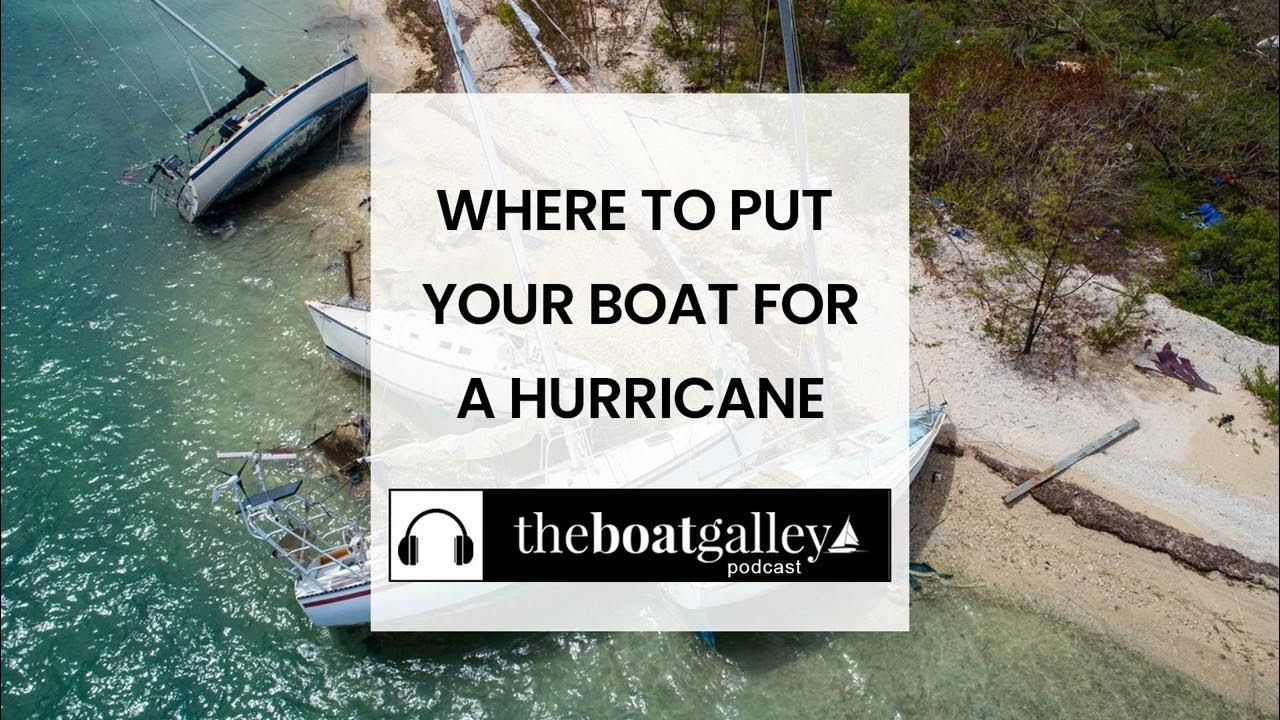
 Protected inland waterways and shallow coves serve as low-risk hurricane holes for vessels seeking shelter
Credit: theboatgalley.com
Protected inland waterways and shallow coves serve as low-risk hurricane holes for vessels seeking shelter
Credit: theboatgalley.com
Maintenance Tips for Storm-Ready Vessels
Regular maintenance is non-negotiable for ensuring your boat can withstand hurricane conditions. A well-maintained vessel will perform far better in a storm than one with neglected systems.
Routine Inspections
Conduct a full inspection of your boat at least twice a year, and again 2 weeks before hurricane season (June 1 in the Atlantic, May 15 in the Eastern Pacific):
- Inspect the hull for cracks, blisters, or soft spots, especially around through-hull fittings and the keel
- Test all electrical systems for corrosion or loose connections, and replace any frayed wiring
- Check the engine and transmission for fluid leaks, and replace filters as needed
- Test all bilge pumps for operation, and clear any debris from bilge drains
- Inspect all ropes, dock lines, and anchoring gear for fraying or UV damage, and replace any worn components
Upgrading Safety Features
If your boat lacks critical storm-resistant features, prioritize these upgrades before hurricane season:
- Install additional watertight bulkheads to compartmentalize the hull and reduce sinking risk
- Upgrade all portlights and hatches to marine-grade, impact-resistant models rated for extreme pressure
- Add extra cleats and reinforced mooring points to handle heavy storm loads
- Install a secondary, manual bilge pump as a backup for electric systems
- Upgrade all through-hull fittings to stainless steel 316 to resist saltwater corrosion
Weather Monitoring Readiness
Ensure your vessel’s weather monitoring systems are fully functional before storm season:
- Test your VHF radio and satellite communication devices for operation
- Subscribe to a professional marine weather service for real-time alerts and forecasts
- Install a barometer on board to track falling pressure, a key indicator of approaching severe weather
- Keep a printed copy of NOAA’s hurricane tracking charts on board for reference if electronics fail
Real-World Hurricane Survival Case Studies
Post-storm assessments from the U.S. Coast Guard and marine insurance providers provide concrete data on what works (and what doesn’t) during hurricane events.
Successful Survivals
In 2022, Hurricane Ian, a Category 5 storm, made landfall in Southwest Florida and sank more than 200 vessels in marinas and anchorages. Post-storm reports found that 100% of full-displacement trawlers properly anchored in protected hurricane holes survived with minimal damage, while 90% of lightweight pontoons and center consoles in the same areas were total losses. In 2023, a 45-foot Hallberg-Rassy modified cruising sailboat survived 120-knot winds from Hurricane Lee while anchored off Bermuda, thanks to its reinforced rigging, two 50-pound storm anchors, and installed storm shutters on all portlights.
Common Failure Points From Post-Storm Data
Across all Gulf Coast and Atlantic hurricane landfalls over the past decade, the U.S. Coast Guard has identified consistent patterns in vessel loss:
- 68% of total losses were caused by anchor drag, almost always due to undersized anchors or insufficient rode length
- 22% of losses were caused by unsecured deck gear becoming projectiles that damaged hulls or rigging
- 10% of losses were caused by hull breaches from floating debris, especially in marinas where docked vessels broke loose during the storm
- Vessels with no storm shutters on portlights or hatches were 3x more likely to sink from water ingress, per marina insurance claims data
Post-Storm Inspection and Recovery
Once the storm has passed, careful inspection and action are required to avoid further damage or injury:
Immediate Safety Checks
Before boarding your vessel, wear a life jacket and check for downed electrical lines in the surrounding water, as well as fuel leaks from nearby vessels. Once on board, inspect the hull for cracks, holes, or damage to through-hull fittings, and check all compartments for water ingress. Test the bilge pumps for operation before starting the engine.
Damage Assessment and Insurance Steps
Document all damage with photos and video before making any repairs, and contact your marine insurance provider within 24 hours to file a claim. Hire a certified marine surveyor to assess structural damage to the hull, rigging, and critical systems before committing to repairs, as hidden damage can lead to long-term structural failure if not addressed.
If You Are Stranded Adrift
If your vessel is damaged and you are adrift after the storm, follow these steps:
- Deploy your EPIRB or satellite messenger to alert rescuers to your location
- Stay with the vessel: it is far easier for rescuers to spot a boat than a person in the water
- Ration your emergency supplies to last a minimum of 72 hours
- If you wash ashore on a remote island or coastline, follow wildlife encounter protocols to avoid injury from displaced or agitated native species
Frequently Asked Questions
Can any boat survive a Category 5 hurricane?
Only vessels built to commercial ABS/DNV standards, with full-displacement hulls, heavy-duty anchoring systems, and proper pre-storm preparation have a realistic chance of surviving a direct Category 5 hurricane hit. Most recreational boats will suffer total loss in these conditions, and evacuation to shore is strongly recommended.
Is it better to haul out my boat or keep it in the water during a hurricane?
For most recreational boats, hauling out at a secure boatyard is the safest option, as it eliminates risk from storm surge and floating debris. If you cannot haul out, a hurricane-rated marina with floating docks is the next best option, followed by a protected hurricane hole with adequate anchoring.
Can sailboats survive hurricanes?
Yes, but only if they are properly prepared: all sails must be removed, rigging must be reinforced, and storm shutters must be installed on all portlights. Multihull sailboats have a higher survival rate than monohulls due to their self-righting capability, but both can survive if properly secured.
What is the safest boat design for hurricane conditions?
Full-displacement trawlers with steel or thick fiberglass hulls have the highest survival rate of any recreational vessel, thanks to their heavy displacement, high freeboard, and simple, robust design. Multihulls are a close second for owners willing to accept their trade-offs.
Final Thoughts
No boat is completely immune to hurricane damage, but the right vessel, paired with thorough preparation, drastically reduces your risk of total loss. Prioritize full-displacement hulls, reinforced construction, and over-specified anchoring systems when selecting a storm-ready boat, and always follow NOAA and US Coast Guard guidance for pre-storm preparation.
The most common mistake boat owners make is underestimating hurricane conditions and failing to prepare early: waiting until 24 hours before a storm to secure your vessel leaves no room for error, and increases the risk of avoidable damage. Start your preparation as soon as a hurricane watch is issued, not a warning, to give yourself enough time to harden your vessel and make safe evacuation decisions.
To make sure you have all the supplies you need to stay safe during and after a storm, review our guide to hurricane-specific emergency kit for a complete checklist of essential gear.