Imagine facing a powerful hurricane while you’re surrounded by endless ocean waves. How would you survive?
Now, think about whales—massive creatures living in the wild, often in hurricane-prone waters. How do they protect themselves when the storm hits? If you’ve ever wondered how these gentle giants stay safe during nature’s fiercest tempests, you’re about to discover some fascinating survival secrets.
Keep reading to learn how whales navigate hurricanes and what it means for their survival—and what you can learn from them too.
Whale Behavior During Storms
Whales face big challenges during hurricanes. Their survival depends on smart behaviors. They change how they move and stay safe.
Scientists have studied how whales react to strong storms. These behaviors help whales protect themselves in rough seas.
Changes In Movement Patterns
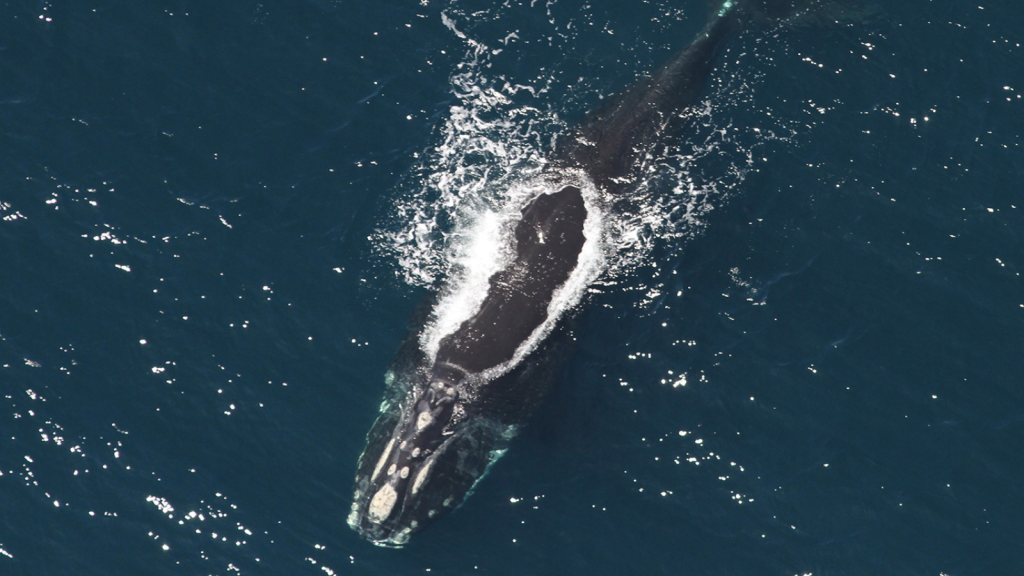
Whales change where and how they swim during storms. They often move away from the hurricane’s path. This helps them avoid the strongest waves and wind.
- Whales swim to calmer waters near coastlines or deeper ocean areas.
- They reduce fast swimming to save energy.
- They may stay closer to the surface for breathing but avoid choppy areas.
Diving Deep For Safety
Diving deep is a key way whales stay safe. The water below a storm is calmer. Whales go deep to avoid strong surface turbulence and waves.
| Depth Level | Reason for Diving |
| 0-10 meters | Surface breathing, risk of rough waves |
| 10-50 meters | Reduced wave action, better safety |
| 50+ meters | Calm water, less storm impact |
Group Dynamics And Communication
Whales use strong group bonds in storms. They stay close and communicate to keep safe. Sounds help them find each other and avoid danger.
- Songs and calls travel through water to guide group members.
- Whales use clicks to echolocate and detect obstacles.
- Close swimming helps them share information quickly.
Physical Adaptations For Survival
Whales face strong hurricanes in the ocean. Their bodies have special features to help them survive. These physical adaptations keep them safe in rough weather.
Understanding these traits shows how whales live through storms. Their shape, senses, and energy use all play a role.
Streamlined Body Design
Whales have smooth, streamlined bodies. This design helps them swim fast and use less energy. It allows them to move easily through strong waves and currents.
Their large tails and fins give power to push through water. Their shape reduces resistance from the water, so they can escape dangerous areas quickly.
Sensory Systems In Rough Waters
Whales use strong senses to stay safe in storms. Their hearing is very sharp, helping them detect sounds under water. This guides them when visibility is low.
They also use echolocation to find obstacles and other whales. This sense helps them avoid danger and stay together in groups during hurricanes.
- Sharp hearing detects distant sounds
- Echolocation maps surroundings
- Sense vibrations in water
Energy Conservation Techniques
Whales save energy to survive long storms. They slow their movements and float more to use less power. This helps them stay calm and safe.
During hurricanes, whales rest deeply and reduce activity. This energy-saving method keeps them strong until the storm passes.
Environmental Factors Influencing Survival
Whales face many challenges during hurricanes. Their survival depends on the environment around them.
Understanding these environmental factors helps explain how whales stay safe in storms.
Ocean Currents And Water Depth
Ocean currents can push whales away from dangerous areas. Strong currents may carry them to calmer waters.
Water depth also plays a big role. Deep waters give whales room to dive and avoid rough waves.
- Currents help move whales to safer zones
- Deep water reduces wave impact
- Shallow areas may trap whales in storms
Storm Intensity And Duration
Stronger storms make it harder for whales to survive. High winds and big waves increase danger.
Long-lasting storms can tire whales. They need energy to swim and avoid hazards during the storm.
- Intense storms cause more stress
- Short storms are easier to handle
- Long storms reduce energy reserves
Availability Of Shelter Areas
Shelter areas like bays and coves protect whales from strong winds and waves. These spots offer calm water.
Whales often seek these safe places during hurricanes. Shelter helps them rest and avoid injury.
- Bays provide natural barriers against storms
- Coves offer calm water for resting
- Shelter areas reduce wave impact on whales
Credit: environmentamerica.org
Scientific Studies And Observations
Scientists study how whales survive hurricanes by watching their behavior. These studies help us learn how whales stay safe during storms.
Researchers use technology to track whales and listen to their sounds. This gives clues about how whales react to hurricanes.
Tracking Whale Movements
Scientists use GPS tags to follow whale movements during storms. These tags show where whales go before and after hurricanes.
Tracking helps reveal if whales swim to deeper water or move away from dangerous areas. It shows how they find safer places.
Acoustic Monitoring During Hurricanes
Researchers use underwater microphones to hear whales during hurricanes. These sounds tell us about whale activity and stress levels.
Whales may change their calls or stop singing when storms approach. Listening helps scientists understand how whales cope with rough weather.
Case Studies Of Whale Responses
Several studies show whales moving to calm waters before hurricanes. Some whales dive deep to avoid strong waves.
- In 2017, whales moved offshore before Hurricane Irma.
- During Hurricane Harvey, some whales stayed in deep water areas.
- Scientists observed less whale noise during storms, showing low activity.
Impacts Of Climate Change On Whale Resilience
Climate change affects the oceans in many ways. Whales face new challenges as storms grow stronger.
Understanding how whales survive hurricanes helps us protect them better. This article looks at key impacts on whales.
Increasing Frequency Of Hurricanes
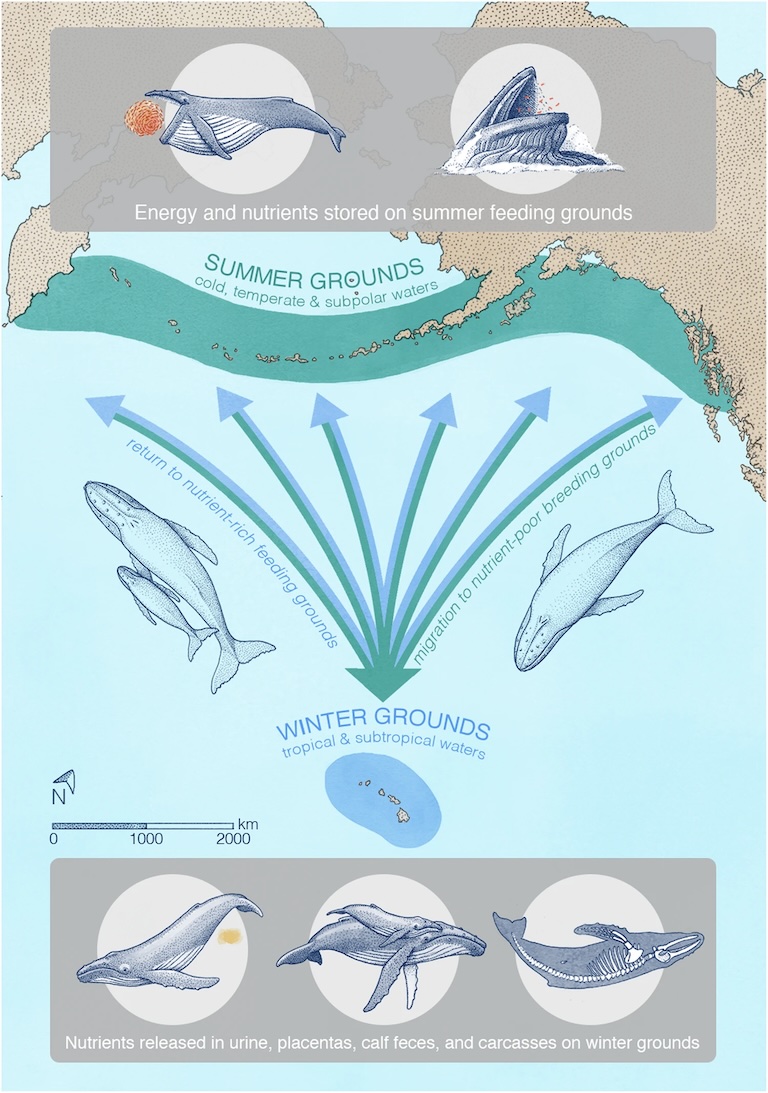
Hurricanes are happening more often because of warmer ocean waters. These storms can disturb whale migration and feeding.
- Stronger winds can separate whale pods.
- Rough seas make it hard for whales to find food.
- Storm noise can confuse whale communication.
- Coastal damage affects whale breeding areas.
Changes In Whale Habitats
Rising sea temperatures change where whales live. Some areas become too warm, pushing whales to new places.
| Habitat Factor | Impact on Whales |
| Water Temperature | Forces migration to cooler zones |
| Food Availability | May decrease in usual feeding spots |
| Coastal Changes | Loss of breeding grounds |
| Storm Frequency | Increases habitat disturbance |
Adaptation Challenges Ahead
Whales must change their habits to survive. Adaptation is hard because changes happen fast.
Whales face these adaptation challenges:
- Finding new safe routes during storms
- Adjusting feeding times and locations
- Developing stronger social bonds for protection
- Dealing with increased human impacts like noise and pollution
Credit: news.mongabay.com
Conservation Efforts And Future Research
Whales face many dangers during hurricanes. Strong winds and rough seas make survival hard. Scientists and conservationists work to protect whales. They study how whales react to storms. This helps create better protection plans.
Future research focuses on keeping whales safe during extreme weather. New technologies and community help improve whale safety. Protecting habitats and watching whales closely are key actions.
Protecting Critical Habitats
Whales need safe places to rest and feed. Coastal areas and deep oceans serve as critical habitats. Protecting these areas helps whales survive hurricanes. Less pollution and fewer boats reduce stress on whales.
Governments and groups create marine protected areas. These zones limit harmful activities. They keep habitats healthy and support whale populations during storms.
Improving Monitoring Technologies
Scientists use new tools to track whales before, during, and after hurricanes. Satellites, drones, and underwater microphones gather data. This helps spot whales and understand their movements.
Better monitoring helps warn about storms. It also guides rescue efforts if whales get trapped or injured. Research continues to make these tools more accurate and easier to use.
Community Involvement In Whale Protection
Local communities play a big role in protecting whales. Fishermen, boaters, and residents report whale sightings and dangers. Their help improves data and response actions.
Education programs teach people about whales and storms. When communities care, whales get more protection. Together, people and scientists work to keep whales safe during hurricanes.
Credit: www.msn.com
Frequently Asked Questions
How Do Whales Detect Hurricanes Approaching?
Whales use their keen senses to detect changes in water pressure and sound patterns. These shifts signal approaching storms. This early warning helps whales prepare and navigate away from dangerous areas, increasing their survival chances during hurricanes.
What Strategies Do Whales Use To Survive Hurricanes?
Whales dive to deeper, calmer waters below storm turbulence. They reduce movement to conserve energy and avoid injury. Staying in groups also helps them protect each other during intense weather conditions.
Can Whales Withstand Hurricane-force Waves?
Whales are strong swimmers and can endure powerful waves. Their large size and streamlined bodies help them resist being tossed by waves. They often seek deep water where wave impact is less severe.
Do Whales Change Migration During Hurricane Season?
Yes, some whales alter routes to avoid hurricane-prone areas. They use environmental cues to time migrations when storms are less likely. This adaptation minimizes risks associated with hurricanes.
Conclusion
Whales use smart ways to survive strong storms at sea. They dive deep or swim to safer places. Their bodies and behaviors help them stay calm and safe. Nature has given them tools to handle rough weather. Understanding these habits helps us respect and protect whales better.
Their survival shows the power of nature’s design. Watching whales face hurricanes teaches us about strength and care. We can learn a lot from these ocean giants.