When a hurricane is heading your way, the safety of your home or storage becomes your top priority. You might be wondering, can shipping containers survive hurricanes?
After all, these steel boxes are known for their strength and durability. But are they really tough enough to withstand the powerful winds and flooding that come with a storm? You’ll discover the truth about shipping containers and their ability to protect what matters most during extreme weather.
Keep reading to find out if they’re the right choice for your hurricane preparedness plan.

Credit: americantrailerrentals.com
Shipping Container Basics
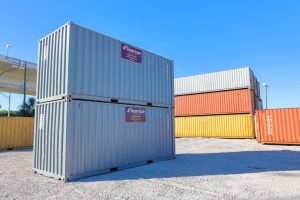
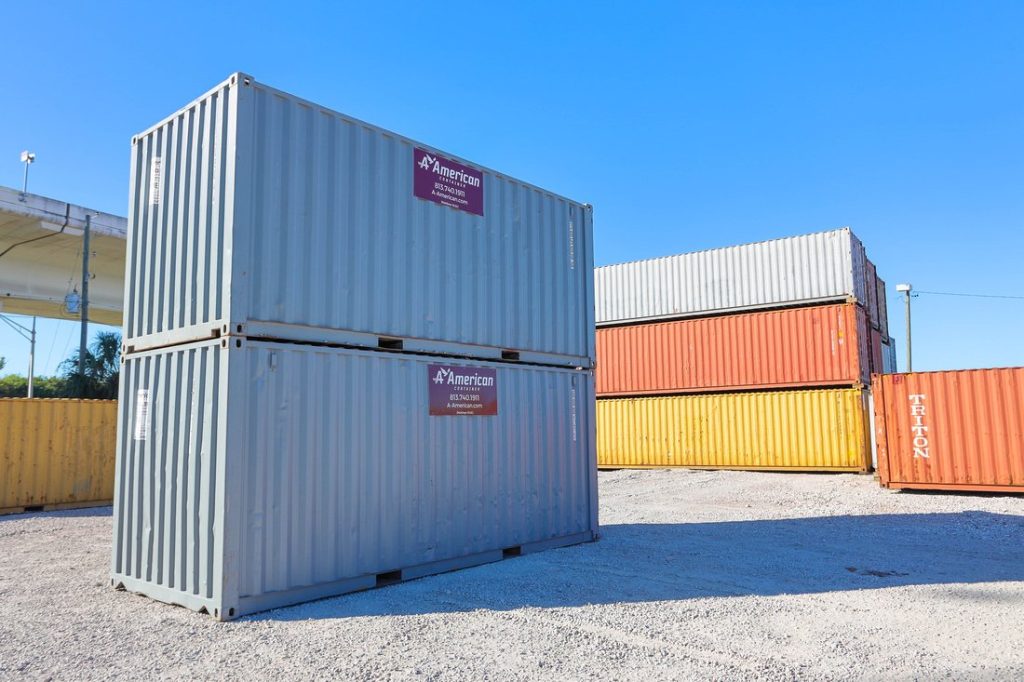
Shipping containers are large metal boxes used to carry goods. They are strong and made to last long trips.
People often use them for storage, homes, or offices because they are tough and weather-resistant.
Construction And Materials
Shipping containers are made from steel, which makes them strong and hard to break. Steel walls protect the inside from rain and wind.
The floors are usually made of thick wood or plywood. This helps hold heavy items and keeps the container stable.
- Steel walls resist dents and rust
- Wood floors support heavy loads
- Doors have strong locking bars
- Seals keep water and air out
Standard Strength Features
Shipping containers have corner castings that allow cranes to lift them safely. These corners are the strongest parts of the container.
They have a ribbed structure on the outside. This design makes the walls stronger without adding much weight.
- Corner castings support heavy lifting
- Ribbed walls add extra strength
- Steel frame resists bending and crushing
- Weather seals protect against storms

Credit: esequipsales.com
Hurricane Forces At Play
Hurricanes bring strong forces that can damage buildings. Shipping containers face many challenges during these storms.
Understanding these forces helps us see if containers can survive hurricanes.
Wind Speeds And Impact
Hurricane winds can reach speeds over 150 miles per hour. These strong winds push hard against container walls.
Shipping containers are made of steel, which helps resist wind pressure. But very strong gusts can still cause damage or move containers.
- Steel walls resist bending and breaking
- Containers can shift if not secured properly
- Strong wind can cause containers to tip over
Flooding And Water Pressure
Hurricanes often cause flooding and heavy rain. Water pushes against container walls and can enter if not sealed well.
Water pressure can make containers float or shift if they are on wet ground. Good drainage and anchoring help keep containers stable.
- Floodwater pushes on container sides
- Water inside can cause rust and damage
- Anchors stop containers from floating away
Flying Debris Hazards
Debris like tree branches and signs fly in hurricane winds. These objects can hit containers and cause dents or holes.
Containers have strong steel panels that protect against some debris. Still, big or sharp debris can break container walls or doors.
- Steel walls reduce damage from small debris
- Large debris can dent or puncture containers
- Secure doors prevent debris entry
Container Performance In Hurricanes
Shipping containers are built to be strong and durable. People wonder if they can survive hurricanes. Understanding their performance helps in safe use during storms.
This article looks at real hurricane cases, lab tests, and common damage patterns. These show how containers stand up to strong winds and rain.
Case Studies Of Real Storms
Several hurricanes have hit areas with shipping containers. Many containers stayed intact, protecting their contents. Some containers moved or had minor dents.
- Hurricane Katrina in 2005: Containers mostly stayed in place despite strong winds.
- Hurricane Harvey in 2017: Some containers flooded but the structure held.
- Hurricane Michael in 2018: Few containers flipped due to water surge.
Laboratory Strength Tests
Lab tests check container strength under controlled conditions. Tests include wind pressure, impact, and water resistance.
| Test Type | Result |
| Wind Pressure | Containers withstand up to 140 mph winds |
| Impact Resistance | Strong steel absorbs shocks without breaking |
| Water Resistance | Seals prevent water entry in heavy rain |
Common Damage Patterns
Containers face certain types of damage during hurricanes. These include dents, rust, and seal failures.
- Dents from flying debris are common but usually not critical.
- Rust forms if paint or coatings get scratched.
- Seals can break, causing leaks inside the container.
- Anchoring failure may cause containers to shift or tip.
Modifications For Hurricane Resistance
Shipping containers are strong by design. Still, they need changes to face hurricanes well. Making them safer means adding features that stop wind and water damage.
These changes help containers stay in place and keep the inside dry. Let’s look at some ways to make containers ready for hurricanes.
Reinforcement Techniques
Containers can be made stronger by adding steel beams or bars inside. This stops the walls from bending or breaking during strong winds.
Welding extra plates to corners and doors also helps keep the container solid. Reinforcing the roof can stop it from lifting off.
- Install steel braces on walls and roof
- Weld additional plates on corners
- Strengthen door frames with metal bars
- Use heavy-duty hinges and locks
Anchoring And Foundation Options
Strong anchoring stops containers from moving or tipping in hurricanes. Concrete footings or piers provide a steady base.
Anchors like ground screws or bolts secure the container to the foundation. This keeps it safe during floods and high winds.
- Use concrete slabs or piers as foundation
- Install ground anchors or screw piles
- Secure container with heavy bolts
- Check anchors regularly for damage
Waterproofing Solutions
Water can enter through doors or seams. Sealing all openings with weatherproof materials stops leaks.
Applying waterproof paint or coatings protects the metal from rust. Adding drainage systems helps keep water away from the container.
- Seal doors and windows with rubber gaskets
- Apply waterproof paint or sealant outside
- Install drainage channels around container base
- Check and repair seals after storms
Comparing Alternatives
Storms and hurricanes can cause serious damage to homes and shelters. People want safe places that can survive strong winds and water. Shipping containers are one option people consider for storm-proof shelters.
This article looks at how shipping containers compare with other housing choices. It also covers some other shelter options for storms and hurricanes.
Traditional Homes Vs. Containers
Traditional homes are built with wood, brick, or concrete. They have windows, doors, and roofs that can be weak in hurricanes. Shipping containers are made of steel and have strong walls. This makes them harder to break.
Containers resist wind and water better than some houses. But they need good foundation and sealing. Otherwise, water can get inside through gaps. Traditional homes can be upgraded with storm shutters and reinforced roofs.
- Traditional homes can be vulnerable to roof damage.
- Shipping containers have strong steel walls.
- Containers need proper sealing to keep water out.
- Houses can use extra storm protection like shutters.
- Both need strong foundations to stay safe in storms.
Other Shelter Options During Storms
Besides homes and containers, people use other shelters during hurricanes. Storm shelters and safe rooms offer strong protection. These shelters are built underground or with reinforced materials.
Tents and temporary shelters are less safe in hurricanes. They can blow away or flood easily. Safe rooms inside homes give a secure place during the storm. Community storm shelters serve many people at once.
- Underground storm shelters resist wind and debris.
- Safe rooms provide a secure space inside homes.
- Temporary tents are not good for hurricanes.
- Community shelters help many people during storms.
- Strong materials and design improve shelter safety.
Practical Tips For Container Use
Shipping containers can be strong shelters during hurricanes. Using them safely needs planning and care.
This guide gives useful tips on site choice, maintenance, and emergency plans for container use.
Site Selection And Preparation
Pick a place with good drainage to avoid flooding. Avoid low areas where water collects.
- Place containers on firm, level ground or a solid foundation
- Secure containers with anchors or tie-downs to stop movement
- Keep the area clear of loose objects that can hit the container in strong winds
- Check the site for trees or power lines that could fall on the container
Maintenance Before And After Storms
Regular care keeps containers strong and ready for storms. Check for damage often.
| Maintenance Task | Before Storm | After Storm |
| Inspect container walls and roof | Fix dents and holes | Check for new damage |
| Check door seals | Replace worn seals | Ensure doors close tightly |
| Clear drainage around container | Remove debris | Clear any new blockages |
| Secure container to foundation | Tighten anchors | Inspect anchors for damage |
Emergency Planning With Containers
Plan how to use containers during a hurricane. Be ready to protect people and property.
- Store emergency supplies inside containers
- Keep a clear path to enter and exit safely
- Have a communication plan for family or team members
- Know the container’s limitations and do not stay inside if unsafe
- Practice your emergency plan regularly

Credit: a-american.com
Frequently Asked Questions
Can Shipping Containers Withstand Hurricane Winds?
Shipping containers are built to be strong and durable. They can withstand high winds and rough seas. However, during a hurricane, securing them properly is crucial. Anchoring containers and ensuring they are not stacked too high can enhance their stability during such extreme weather conditions.
Are Shipping Containers Waterproof During Hurricanes?
Shipping containers are designed to be watertight, protecting their contents from water damage. However, during a hurricane, the risk of water intrusion increases. Regular maintenance and inspections are essential to ensure seals and doors remain effective in preventing water entry.
How To Secure A Container In A Hurricane?
To secure a container, anchor it to a solid foundation. Use heavy-duty straps or chains for added security. Avoid stacking containers too high, as this increases the risk of toppling. Consider placing containers in sheltered areas to reduce wind exposure during a hurricane.
Do Shipping Containers Offer Protection From Flying Debris?
Shipping containers provide a robust barrier against flying debris. Their steel construction can withstand impacts from most debris during a hurricane. However, reinforcing doors and windows, if any, can enhance protection. It’s essential to inspect containers for any structural weaknesses before a storm.
Conclusion
Shipping containers show strong resistance to hurricane winds. Their steel build offers solid protection against storms. Proper anchoring helps prevent them from shifting or tipping. Still, flooding and flying debris remain risks to consider. Reinforcements can improve safety during extreme weather.
Many use containers as shelters or storage in hurricane zones. They provide affordable, durable options for storm-prone areas. Always prepare containers with extra safety measures. Durable, but not invincible. Wise planning keeps them secure through hurricanes.