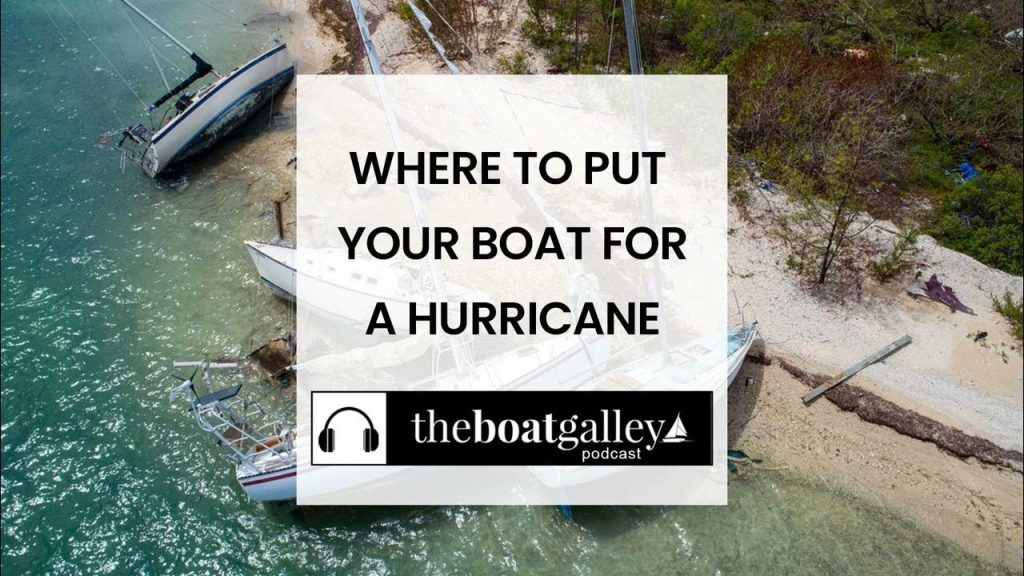
When a hurricane hits, your boat’s safety becomes a top priority. You might wonder, what boat can truly survive such a powerful storm?
Choosing the right vessel isn’t just about size or style—it’s about strength, design, and how well it can handle extreme conditions. You’ll discover the key features that make a boat hurricane-proof and learn which types give you the best chance of riding out the storm safely.
Keep reading to protect your investment and peace of mind when the next hurricane approaches.
Hurricane Conditions At Sea
Hurricanes create very dangerous conditions at sea. Winds blow strongly. Waves grow very high. Boats face many risks in these storms.
Understanding wind speeds and wave heights helps sailors prepare. Different boats handle these challenges in different ways.
Wind Speeds And Wave Heights
Hurricane winds can reach over 74 miles per hour. Waves may rise above 50 feet. These forces push boats hard and make navigation hard.
| Wind Speed (mph) | Wave Height (feet) |
| 74-95 | 10-20 |
| 96-110 | 20-30 |
| 111-130 | 30-45 |
| 131+ | 45-60+ |
Challenges For Small And Large Boats
Small boats are more likely to capsize or get damaged in hurricanes. Large boats can handle rough seas better but still face risks.
- Small boats can be tossed by big waves.
- Large boats may lose control in strong winds.
- Both types risk engine failure or leaks.
- Proper anchoring is hard during a hurricane.
- Visibility drops, making navigation unsafe.
Tip:No boat is fully safe in a hurricane. The best choice is to avoid sailing during such storms.
Key Features Of Storm-proof Boats
Storm-proof boats have special features that help them survive strong hurricanes. They are built to stay safe in rough waters and heavy winds.
These boats use strong materials and smart designs to keep them steady and tough during storms.
Hull Design And Material
The hull is the boat’s body that touches water. Storm-proof boats have hulls made from strong materials like fiberglass or reinforced steel.
- Fiberglass is lightweight and resists damage
- Reinforced steel adds extra strength
- Deep-V hull shapes cut through big waves
- Double hulls offer more protection
Stability And Buoyancy
Stability stops the boat from tipping over in rough seas. Buoyancy keeps it floating even in strong waves.
| Feature | Benefit |
| Wide Beam | Better balance in waves |
| Ballast Systems | Improves weight distribution |
| Foam-Filled Compartments | Prevents sinking if hull is damaged |
| Low Center of Gravity | Reduces rolling and capsizing |
Reinforced Structures
Strong frames and extra supports help boats resist damage from wind and waves during a hurricane.
- Thick ribs and bulkheads strengthen the hull
- Extra fasteners hold parts tightly together
- Sealed hatches keep water out
- Protected engine mounts reduce damage risk
Types Of Boats Best Suited For Hurricanes
Hurricanes bring strong winds and rough seas. Not all boats can handle these tough conditions.
Choosing the right type of boat can increase your safety during a storm. Some boats are built to survive hurricanes better.
Trawler Yachts
Trawler yachts have strong hulls and steady designs. They move slowly but handle rough waters well.
These boats have a low center of gravity. This makes them less likely to tip in heavy waves.
- Heavy displacement for stability
- High freeboard to keep water out
- Good fuel range for long trips
Sailing Catamarans
Sailing catamarans have two hulls that make them very stable. They do not roll much on rough seas.
The wide base helps them resist strong waves and winds. They also have a shallow draft for shallow waters.
- Wide beam for extra stability
- Less heeling in strong winds
- Two engines for better control
Steel And Aluminum Vessels
Steel and aluminum boats are strong and tough. They can take more damage than fiberglass boats.
These metals resist impacts from debris and heavy waves. Their weight helps keep the boat steady in storms.
- Strong hulls resist punctures
- Heavy weight adds stability
- Easy to repair after damage
Credit: www.theguardian.com
Essential Equipment For Hurricane Survival
Surviving a hurricane on a boat needs the right gear. You must prepare your boat with strong equipment.
This guide covers key tools that help keep your boat safe during a storm. Proper equipment can save lives.
Anchoring Systems
A reliable anchoring system holds your boat steady in strong winds and waves. It stops your boat from drifting.
Use heavy anchors and strong chains. Multiple anchors can increase grip on the seabed. Check your anchors often.
- Use a storm anchor or a heavy Danforth anchor
- Strong chain is better than rope alone
- Set more than one anchor for extra hold
- Check the anchor’s hold before the storm
Communication Tools
Communication tools keep you connected to help and weather updates. They are vital in emergencies.
Carry devices that work without power or signal from the shore. Always have backups and test them regularly.
- VHF marine radio for nearby communication
- Satellite phone for global contact
- Emergency position indicating radio beacon (EPIRB)
- Extra batteries and waterproof cases
Safety Gear And Emergency Supplies
Safety gear protects you and your crew during a hurricane. Emergency supplies keep you alive if you get stranded.
Keep life jackets, flares, and first aid kits on board. Stock food, water, and tools to last several days.
- Life jackets for all passengers
- Distress signals like flares and whistles
- First aid kit with basic medicines
- Non-perishable food and fresh water
- Manual tools like knives and flashlights
- Waterproof storage for all supplies
Preparation Strategies Before The Storm
Preparing your boat before a hurricane is very important. It helps protect your vessel and keeps everyone safe.
Good preparation means acting early and following clear steps. This guide covers key strategies to get ready.
Securing The Vessel
Start by securing your boat firmly to prevent damage. Use strong lines and check all connections.
Remove or tie down loose items on deck. Protect windows with covers or shutters to avoid breakage.
- Use heavy-duty dock lines and double them up
- Check and tighten all cleats and fittings
- Take down sails and secure rigging
- Cover electronics and sensitive equipment
- Drain fuel tanks to reduce fire risk
Route Planning And Safe Havens
Plan your escape route early. Know where to take your boat to avoid the storm’s worst parts.
Identify safe harbors or marinas that offer good shelter. Check their rules and availability before the storm.
- Review weather forecasts frequently
- Mark safe harbors on your navigation charts
- Have backup routes planned
- Inform someone onshore about your plans
- Leave early to avoid last-minute rush
Crew Training And Drills
Train your crew on safety procedures before a hurricane hits. Everyone should know what to do.
Practice drills to improve response time and teamwork. Check that safety gear is ready and working.
- Review emergency signals and communication
- Practice securing the boat together
- Check life jackets and rescue equipment
- Assign clear roles to each crew member
- Hold regular safety meetings before the storm
Credit: www.hmy.com
Real-life Stories Of Boats In Hurricanes
Hurricanes are powerful storms that test the strength of boats. Many sailors have faced these storms and lived to tell their stories. These real-life accounts help us understand what kind of boats can survive such harsh weather.
Some boats have survived without much damage, while others suffered serious harm or were lost. Learning from these stories can help boat owners prepare better for hurricanes.
Successful Survivals
Many boats have survived hurricanes due to their design and how they were handled. Strong hulls and good anchoring are key. Here are some common features of boats that made it through safely:
- Deep keels to keep the boat steady in rough waters
- Sturdy construction materials like fiberglass or steel
- Low profiles to reduce wind impact
- Properly secured sails and rigging
- Experienced crews who follow safety procedures
One example is a 40-foot sailboat that stayed anchored in a protected cove. The crew dropped extra anchors and secured all equipment. The boat rocked but stayed intact during the storm.
Lessons From Damage And Loss
Not all boats survive hurricanes. Some are damaged or lost due to weak spots or poor preparation. These stories teach us what to avoid and how to improve safety.
| Cause of Damage | Effect on Boat |
| Weak hull materials | Cracks and leaks |
| Improper anchoring | Drifting and collisions |
| High center of gravity | Capsizing risk |
| Loose equipment | Injury and damage |
| Poor weather forecasting | Unprepared crews |
One fishing boat was caught off guard. It had weak hull joints and no extra anchors. The storm broke the hull and sank the boat. This shows the need for strong construction and good planning.
Maintenance Tips For Storm-ready Boats
Boats that survive hurricanes need strong care and upkeep. Preparing your boat helps protect it from storm damage.
Regular maintenance keeps your boat ready for rough weather. Follow these tips to keep your boat safe in storms.
Regular Inspections
Check your boat often for damage or wear. Look at the hull, engine, and electrical parts carefully.
Fix problems quickly to avoid bigger issues during a storm. Use a checklist to cover all parts every time.
- Inspect the hull for cracks or holes
- Check the engine oil and filters
- Test all electrical wiring and lights
- Examine bilge pumps and drainage
- Look over ropes and mooring lines
Upgrading Safety Features
Add strong safety gear to protect your boat and crew. Use reliable equipment designed for tough conditions.
Keep all safety tools in good condition and easy to reach. Update old gear to meet current safety standards.
- Install extra cleats for secure mooring
- Use heavy-duty anchors and chains
- Upgrade life jackets and emergency kits
- Add storm shutters or covers for windows
- Ensure fire extinguishers are charged
Weather Monitoring
Keep track of weather changes before and during storms. Use reliable weather apps and radios to stay informed.
Plan early to secure your boat or move it to safety. Knowing the weather helps you act fast and protect your vessel.
- Check weather forecasts daily in storm season
- Use marine weather radios for alerts
- Set up notifications on your phone
- Have a plan for quick boat relocation
- Stay in contact with local marine authorities

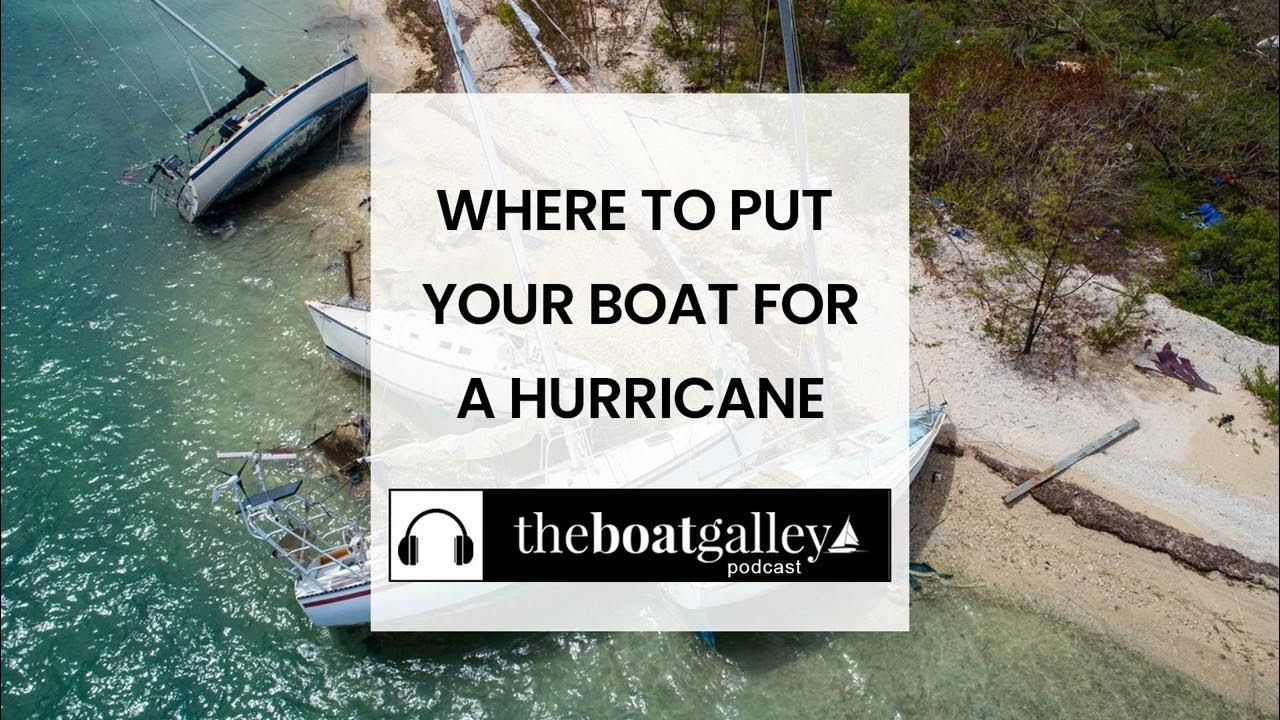
Credit: theboatgalley.com
Frequently Asked Questions
What Types Of Boats Survive Hurricanes Best?
Deep-V hull boats and sturdy trawlers are best for hurricanes. They offer stability, strength, and durability in rough seas. Larger yachts with strong build and proper mooring also endure hurricane conditions better than small, lightweight boats.
Can Small Boats Survive Hurricane-force Winds?
Small boats generally cannot survive hurricane-force winds on open water. They risk capsizing or severe damage due to high waves and strong gusts. It’s safer to move small boats to secure shelters before a hurricane strikes.
How Should You Prepare A Boat For A Hurricane?
Secure your boat with strong mooring lines and remove loose items. Use chafing gear on lines to prevent wear. Consider relocating to a hurricane-safe marina or hauling the boat out of water if possible.
Are Sailboats Safe During Hurricanes?
Sailboats are vulnerable in hurricanes due to tall masts and light structure. They can sustain severe damage from strong winds and waves. Proper storage or moving them to secure locations is essential for safety.
Conclusion
Choosing the right boat for a hurricane is crucial. Safety depends on the boat’s design and build. Strong materials like steel or aluminum work best. A good hull shape withstands strong winds and waves. Always check the boat’s stability and buoyancy.
It’s smart to have safety gear onboard. Life jackets, radios, and emergency kits are essential. Prepare before hurricane season hits. Knowledge and preparation save lives. Boats can survive hurricanes if chosen wisely. Your safety always comes first. Stay informed and ready for any storm.