Imagine a world where the unexpected happens. Power outages, natural disasters, or even simple emergencies can catch you off guard.
Are you prepared? Building a survival kit is not just for the overly cautious; it’s a smart move for anyone who wants peace of mind. You might be wondering what exactly you need to buy to ensure you’re ready for anything.
The answer isn’t as complicated as you think. In this guide, you’ll discover the essential items that belong in every survival kit. From basic necessities to smart gadgets, we’ll help you build a kit that keeps you and your loved ones safe. Ready to feel more secure in any situation? Let’s dive into what your survival kit should include.

Credit: trueprepper.com
Basic Survival Tools
Basic survival tools form the heart of any survival kit. They help you handle different situations in the wild. These tools support essential tasks like cutting, starting fires, and lighting your path. Choosing reliable and versatile tools makes your survival easier and safer.
Multi-tools And Knives
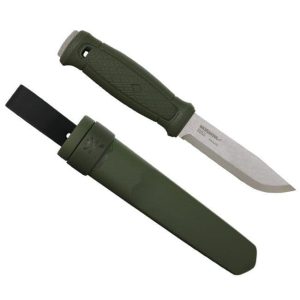
Multi-tools combine many functions in one compact device. They often include pliers, screwdrivers, and blades. A good knife is vital for cutting, preparing food, and self-defense. Pick tools with sturdy materials and sharp edges. Lightweight and easy to carry tools suit any survival kit.
Fire Starters
Fire starters help you create fire quickly and safely. They include matches, lighters, and ferro rods. Fire is crucial for warmth, cooking, and signaling. Waterproof and windproof starters work best outdoors. Carry several fire-starting options to ensure success.
Flashlights And Batteries
Flashlights provide light in the dark and increase safety. Choose LED flashlights for longer battery life and brightness. Carry extra batteries or rechargeable ones to avoid running out of power. Compact and durable designs fit easily in your survival kit.
Water Essentials
Water is the most important item in any survival kit. Staying hydrated keeps you alive and alert. Clean water prevents illness and supports all body functions. Prepare for emergencies by including reliable water supplies and purification tools.
Water Containers
Choose strong, leak-proof containers for storing water. Reusable bottles with secure lids work well. Collapsible containers save space and are easy to carry. Look for BPA-free plastics or stainless steel for safety. Have enough capacity to hold several days’ water supply.
Filtration And Purification
Carry water filters to remove dirt and bacteria. Portable filters allow you to drink from natural sources. Use purification tablets or drops to kill germs and viruses. Boiling water is also effective but needs fuel and time. Always have multiple options for water safety.
Emergency Water Pouches
Emergency water pouches are lightweight and last long. They store treated water and are ready to drink. These pouches fit easily in a survival kit or backpack. Keep a few pouches for quick access during unexpected events. Check expiration dates and replace regularly.
Food Supplies
Food supplies are a cornerstone of any survival kit. Without reliable nourishment, your energy and focus will quickly drop, making it harder to handle emergencies. You want items that last long, are easy to prepare, and provide enough calories and nutrients to keep you going.
Non-perishable Snacks
Non-perishable snacks are lifesavers when fresh food isn’t an option. Think canned beans, dried fruits, nuts, and jerky. These items can withstand time and rough conditions without spoiling.
Keep a mix of salty and sweet snacks. Salty snacks help maintain electrolyte balance, while sweets can give a quick energy boost. Have you tested how these snacks taste after months in storage?
Freeze-dried Meals
Freeze-dried meals are compact, lightweight, and have an impressive shelf life—perfect for survival kits. They only need water to rehydrate, saving time and effort during emergencies.
Choose meals with balanced nutrition like rice and vegetables or chicken stew. Some brands offer gourmet options, making mealtime more bearable when you’re stressed. Don’t forget to pack a reliable water source for rehydration.
Energy Bars And Supplements
Energy bars pack dense calories and essential nutrients in a small package. Look for bars with a good mix of protein, fats, and carbohydrates to sustain energy levels.
Supplements like electrolyte tablets or powdered vitamins can help fill nutritional gaps. Have you considered how your body reacts to energy bars during intense physical activity? Testing them beforehand can save you from unpleasant surprises.
Shelter And Warmth
Shelter and warmth are vital for survival in harsh conditions. Staying dry and insulated keeps your body safe from cold and illness. Proper shelter protects from wind, rain, and extreme temperatures. Warmth helps maintain energy and focus in emergencies. Packing the right items ensures comfort and safety in unexpected situations.
Emergency Blankets
Emergency blankets are lightweight and compact. They reflect body heat to keep you warm. Made from heat-reflective materials, they prevent heat loss. Easy to carry in any survival kit. Useful for wrapping around your body or lining shelters. They also block wind and rain, adding extra protection.
Tents And Tarps
Tents provide solid shelter from weather and insects. Choose lightweight, durable tents for easy transport. Tarps are versatile and serve many purposes. Use tarps as ground covers or overhead shelters. Both tents and tarps create barriers from wind and rain. They help maintain a dry, warm space for rest.
Clothing And Rain Gear
Proper clothing traps heat and wicks away moisture. Layer clothes to adjust to changing temperatures. Rain gear like waterproof jackets and pants keep you dry. Wet clothes cause rapid heat loss and discomfort. Choose quick-drying, breathable fabrics for better comfort. Gloves, hats, and socks protect extremities from cold.
First Aid And Health
First aid and health supplies form the heart of any survival kit. They ensure safety and comfort in emergencies. Preparing for injuries, illness, or hygiene needs keeps you ready for many situations. Choose items that are essential, easy to use, and reliable.
Basic First Aid Kit
A basic first aid kit handles common injuries and wounds. Pack these essentials:
- Adhesive bandages in various sizes
- Sterile gauze pads and adhesive tape
- Antiseptic wipes or solution
- Scissors and tweezers
- Disposable gloves
- Instant cold packs
- Elastic bandages for sprains
- CPR face shield or mask
Check the kit regularly. Replace used or expired items promptly. A well-stocked kit helps treat cuts, burns, and sprains immediately.
Medications And Supplements
Include essential medications and supplements for common health issues. Keep enough supply for several days or weeks. Consider these items:
- Pain relievers like ibuprofen or acetaminophen
- Antihistamines for allergies
- Anti-diarrheal medicine
- Oral rehydration salts
- Vitamins and minerals
- Any personal prescription drugs
Store medications in airtight containers. Protect from heat and moisture. Label each clearly to avoid confusion.
Hygiene Items
Good hygiene prevents illness and improves comfort. Pack items that maintain cleanliness and health:
- Soap or antibacterial wipes
- Hand sanitizer with at least 60% alcohol
- Toothbrush and toothpaste
- Feminine hygiene products
- Small towel or washcloth
- Disposable bags for waste
Keep hygiene supplies organized and accessible. Clean hands and body reduce infection risks significantly.
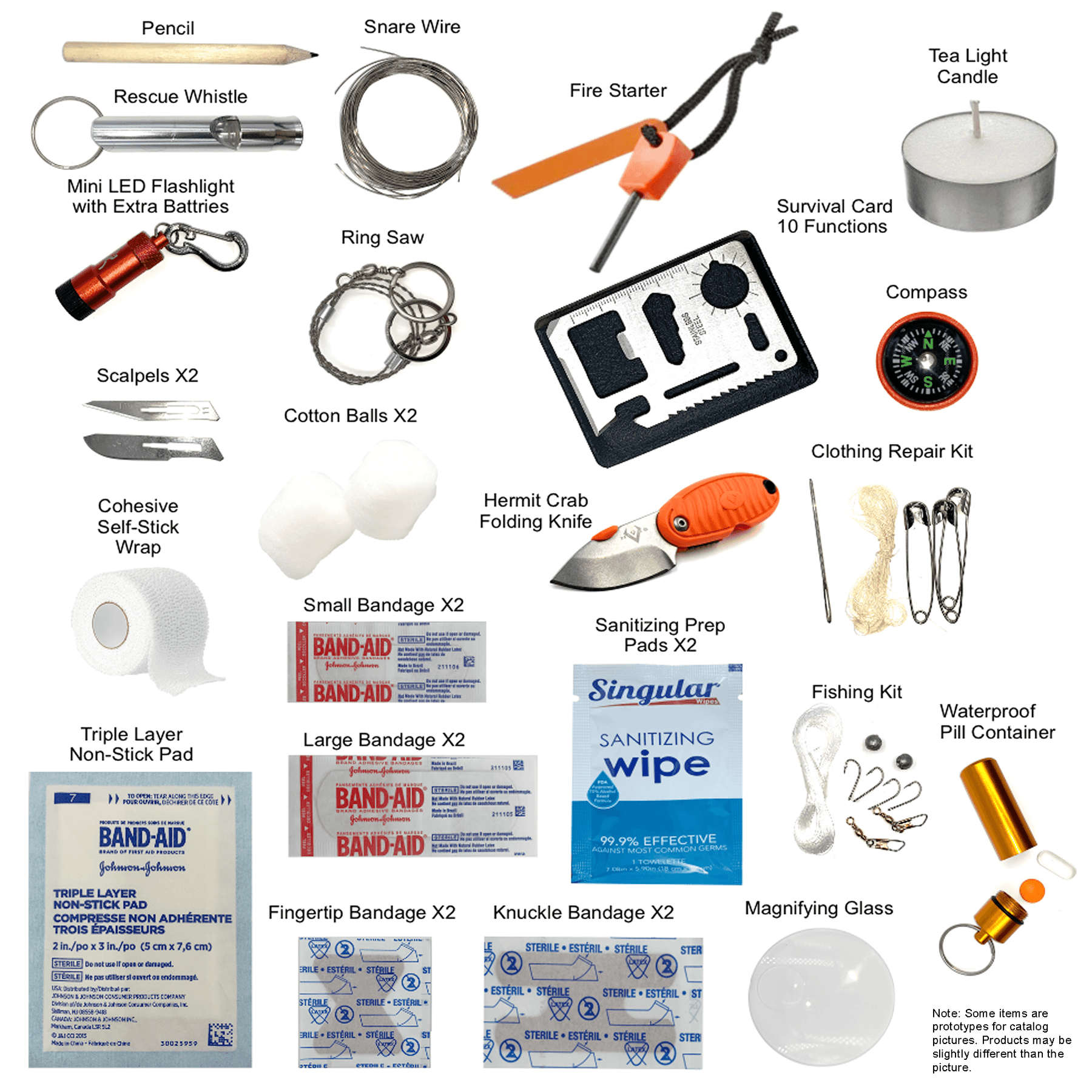
Credit: www.vnives.com
Communication And Navigation
Effective communication and reliable navigation tools are essential in any survival kit. They help you stay connected and find your way when you’re off the grid. Choosing the right gear can make the difference between being rescued quickly and facing prolonged danger.
Whistles And Signal Mirrors
Whistles are lightweight and simple tools that can carry your distress signal over long distances. A sharp, loud whistle can alert rescuers without draining your energy or battery power.
Signal mirrors reflect sunlight to catch the attention of search parties or aircraft. They work well during daylight and can be seen from miles away.
Both items are compact and don’t require any technical skills to use. Have you ever thought about how a small whistle could save your life in a dense forest?
Maps And Compasses
Digital devices fail when batteries die, but maps and compasses don’t. Carry a detailed topographic map of your area and a sturdy compass to guide you through unfamiliar terrain.
Practice reading them before you need them. Knowing how to orient yourself can prevent getting lost and reduce stress significantly.
Ask yourself: How confident are you in your ability to navigate without GPS? Investing time in learning these skills is just as important as packing the gear.
Emergency Radios
Emergency radios keep you informed about weather updates and rescue broadcasts. Look for models with multiple power options like solar, crank, or batteries.
Some radios also include built-in flashlights and USB chargers, adding extra value to your kit. Staying aware of your environment can help you make smarter decisions during emergencies.
Have you checked if your radio covers NOAA or other local emergency frequencies? This simple step could keep you one step ahead in a crisis.
Personal Safety Gear
Your survival kit isn’t complete without personal safety gear. This gear protects you from environmental hazards and potential threats. Choosing the right items can make a huge difference in how secure and prepared you feel during emergencies.
Protective Gloves
Gloves shield your hands from cuts, burns, and infections. Look for durable materials like leather or heavy-duty synthetic fabric. Waterproof gloves are a smart choice if you expect wet or cold conditions.
I once handled sharp debris after a storm without gloves and ended up with painful cuts. That experience taught me to never skip gloves in my kit. They let you work confidently and safely.
Dust Masks And Goggles
Dust masks protect your lungs from smoke, dust, and airborne particles. Combined with goggles, they guard your eyes from irritants and flying debris. Choose N95 or higher-rated masks for better filtration.
Imagine trying to clear rubble or navigate through smoke without eye and respiratory protection. It’s risky and can cause lasting damage. These items help you breathe and see clearly in tough conditions.
Self-defense Items
Self-defense gear adds a layer of security when you’re vulnerable. Consider pepper spray, a tactical flashlight, or a sturdy whistle to attract attention. Choose items you feel confident using and keep them accessible.
Think about your local environment and legal restrictions before adding self-defense tools. Your safety depends on preparation and quick action. What self-defense item would you trust most in an emergency?
Storage And Organization
Storage and organization are crucial when assembling your survival kit. Without a clear system, you could waste precious time searching for essential items in an emergency. Think about how quickly you can grab what you need if everything has its place and is easy to access.
Backpacks And Pouches
Choosing the right backpack or pouches can make a huge difference in how you carry your survival gear. Look for backpacks with multiple compartments and sturdy straps to balance the load comfortably. Smaller pouches are perfect for grouping similar items like first aid supplies or fire-starting tools, keeping everything neat and accessible.
Personally, I once had a kit where everything was thrown into one big bag. During a drill, it took me too long to find my water purifier. Since then, I always use color-coded pouches. It saves time and reduces stress.
Waterproof Containers
Keeping your gear dry is non-negotiable. Waterproof containers protect important items like matches, electronics, and documents from moisture damage. Choose containers that seal tightly and are compact enough to fit inside your backpack or pouch.
Try using clear waterproof cases so you can see the contents without opening them. This small step helps you quickly identify what’s inside, especially in low light or stressful situations.
Labeling And Inventory
Labeling your containers and pouches saves you from guesswork. Use clear, simple labels to mark what’s inside each section of your survival kit. This helps you keep track of supplies and notice when you need to restock.
Make an inventory list and keep a copy inside your kit. When you update your supplies, check off the items to avoid missing essentials. How often do you review your survival kit? Regular updates keep your gear reliable and ready.

Credit: trueprepper.com
Frequently Asked Questions
What Are Essential Items For A Survival Kit?
Essential items include water, non-perishable food, a first aid kit, flashlight, multi-tool, and fire starters. These basics ensure safety, nourishment, and the ability to signal for help during emergencies.
How Much Water Should A Survival Kit Contain?
A survival kit should have at least one gallon of water per person per day. This amount covers drinking and basic hygiene needs for up to three days.
Why Include A Multi-tool In A Survival Kit?
A multi-tool offers versatility with various functions like cutting, screwing, and opening cans. It saves space and helps perform multiple tasks efficiently in survival situations.
What Type Of Food Is Best For Survival Kits?
Choose non-perishable, high-energy foods like canned goods, energy bars, and dried fruits. These foods have a long shelf life and provide necessary nutrients during emergencies.
Conclusion
A well-packed survival kit can save lives in tough times. Choose items that meet basic needs like food, water, and shelter. Include tools for safety and communication. Check your kit often and update as needed. Stay prepared to face emergencies calmly and confidently.
Small steps today bring peace tomorrow. Stay safe and ready.