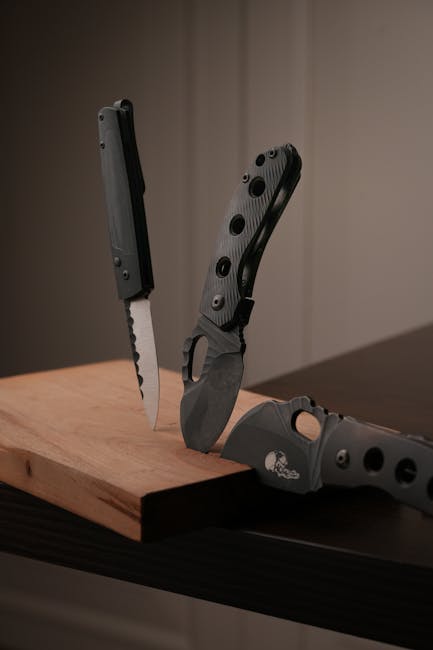
What are the Serrations on Survival Knives for: Ultimate Edge Explained
If you’ve ever held a survival knife, you’ve likely noticed the jagged, tooth-like edge along part of the blade. For years, these serrations have sparked debate among outdoor enthusiasts: are they a useful functional feature, or just a marketing gimmick to make knives look "tactical"? The answer depends on how you plan to use your knife, but serrations serve very specific, life-saving purposes in survival scenarios that plain edges simply cannot match.
In this guide, we’ll break down exactly what serrations are designed to do, the different types available, their real-world advantages in emergencies, how to maintain them, and how to decide if a serrated edge is right for your needs. We’ll also cover common myths and legal considerations to help you make an informed choice for your next survival knife. You can also read our guide on best survival knife with firestarter.
What Are Serrated Edges on Survival Knives?
A serrated edge is a blade edge machined with a series of small, raised teeth, similar to the edge of a bread knife or handsaw. Unlike a plain (straight) edge, which slices material with a continuous sharp line, serrations grip and tear through fibrous, abrasive, or slippery materials with minimal downward pressure. Most quality survival knives either feature a full serrated edge, a partial serrated (hybrid) edge, or a serrated spine for added grip and utility. Serrations are not added as an aftermarket modification in most reputable models: they are cut into the blade during manufacturing to ensure consistent tooth size and spacing for reliable performance.
 This close-up shows the distinct tooth pattern of a standard sawtooth serration on a high-carbon steel survival knife.
Credit: www.amazon.com
Core Purpose of Serrations on Survival Knives
Serrations are engineered to solve specific limitations of plain edges in high-stakes outdoor scenarios. Their design delivers three core benefits that make them a valuable feature for survivalists, preppers, and backcountry travelers. You can also read our guide on emergency preparedness long term survival.
Cutting Abrasive and Fibrous Materials
The primary function of serrations is to cut through materials that dull or slip on a plain edge. The teeth act as individual cutting points that concentrate force on small areas, allowing the blade to bite into rope, wood, plastic, and wet or coated materials without repeated strokes. In field testing, serrated edges cut through wet Manila rope 2–3 times faster than plain edges of identical steel hardness, and they maintain cutting performance even when slightly dulled, as the teeth still catch on material fibers. Common use cases include cutting paracord for shelter building, sawing small branches for firewood, slicing through emergency ration packaging, and cutting seatbelts or tarps after accidents or storms.
 Serrated edges cut through thick, wet paracord with minimal effort, a common use case for outdoor emergencies.
Credit: www.youtube.com
Non-Slip Grip for High-Risk Scenarios
Many survival knives feature serrations on the spine (the top, non-cutting edge of the blade) in addition to the cutting edge. This serrated spine acts as a non-slip gripping surface when your hands are wet, bloody, gloved, or covered in mud— a common occurrence in survival scenarios. The textured surface lets you apply heavy pressure for tasks like batoning wood (striking the blade with a stick to split wood) or processing game without the knife slipping out of your hand, reducing the risk of injury. You can also read our guide on bear grylls survival series ultimate knife.
Versatility for Multi-Task Use
A serrated edge eliminates the need to carry a separate folding saw or multi-tool for most common outdoor tasks. You can saw through branches for a lean-to shelter, slice through rope for a bear bag, scrape bark off tinder bundles, and even cut through thin metal flashing after a storm—all with a single tool. For backpackers, preppers, and outdoor adventurers prioritizing pack weight and space, this versatility is a major advantage. For preppers focused on long-term grid-down scenarios, a serrated knife is a foundational tool; you can find more long-term survival guidance in our complete prepping roadmap.
Common Types of Serrations and Their Use Cases
Not all serrations are created equal: the size, shape, and spacing of the teeth determine what tasks they excel at. Below is a breakdown of the three most common serration types found on survival knives, along with their ideal use cases and limitations. You can also read our guide on where to buy survival knives uk.
| Serration Type | Design Characteristics | Best Use Cases | Limitations |
|---|---|---|---|
| Sawtooth | Large, aggressive, evenly spaced teeth | Sawing wood, cutting thick rope, processing shelter materials | Can tear delicate fabrics, harder to sharpen in the field |
| Wave (Fulcrum) | Curved, overlapping teeth | One-handed cutting, hooking and pulling materials, slicing packaging | Less effective for heavy sawing tasks |
| Micro | Tiny, closely spaced teeth near the tip | Cutting fishing line, slicing food, precision tasks, piercing thick material | Dull faster than larger serrations if used on abrasive materials |
Sawtooth Serrations
The most common type of serration on survival knives, sawtooth serrations feature large, evenly spaced, V-shaped teeth that mimic the edge of a hand saw. They are designed for heavy-duty cutting tasks like sawing through wood, thick rope, and plastic. The aggressive teeth grip material firmly, making them ideal for processing shelter materials or cutting through debris after a storm. The main downside is that they can tear delicate fabrics or soft food items if you’re not careful, and they require a larger round file to sharpen.
Wave (Fulcrum) Serrations
Wave serrations have curved, overlapping teeth that create a continuous wavy edge. This design allows you to hook the serration on material and pull with minimal downward pressure, making them ideal for one-handed use if you have an injured hand or are wearing gloves. They excel at slicing through rope, opening packaging, and cutting through coated materials like nylon or plastic tarps. Wave serrations are less effective for heavy sawing tasks, as the curved teeth do not grip wood or thick materials as firmly as sawtooth serrations.
Micro Serrations
Micro serrations are tiny, closely spaced teeth usually located near the tip of the blade, often paired with a plain edge for the rest of the blade. They are designed for precision tasks that require a secure grip on small or slippery materials: cutting fishing line, slicing citrus or other soft foods, piercing thick fabric, or even stripping wire. Micro serrations dull faster than larger sawtooth serrations when used on abrasive materials, but they are excellent for detailed camp tasks.
 A plain edge (left) offers precision for carving, while a serrated edge (right) excels at cutting abrasive materials.
Credit: www.idahostatejournal.com
Real-World Survival Advantages of Serrated Edges
Serrations shine in high-stakes survival scenarios where plain edges would fail. Below are the most common use cases where a serrated edge can make a critical difference:
Emergency Debris and Rope Cutting
After car accidents, boating incidents, or natural disasters like hurricanes, you may need to cut through wet seatbelts, tangled rope, or damaged tarps quickly. Plain edges often slip on wet or coated materials, requiring repeated strokes that waste precious time. Serrated edges grip these materials immediately, cutting through them in 2–3 strokes even when your hands are slippery or injured. As the National Park Service’s backcountry gear guidelines note, a cutting tool with serrated edges is a recommended staple for all emergency and backcountry kits, as it reduces the time and effort needed to free trapped individuals or cut shelter materials.
Shelter and Fire Building
Building a wilderness shelter often requires sawing small branches for a lean-to frame or processing kindling without a separate folding saw. A serrated edge lets you complete both tasks with your primary knife, saving weight and space in your pack. If your knife has a 90-degree serrated spine, you can also use it to scrape bark off tinder bundles or strike a ferrocerium rod for fire starting, eliminating the need for a separate firestarter tool. For storm-related emergencies, a serrated edge is a must-have addition to hurricane survival kit essentials, as it can cut through wet wood, tarps, and damaged metal flashing with ease.
Food and Supply Processing
In long-term survival scenarios, you may need to process frozen meat, tough root vegetables, or sealed emergency rations. A serrated edge slices through these tough materials without requiring a heavy, dedicated kitchen knife. Micro-serrated tips are particularly useful for cleaning fish or slicing small food items without tearing them, while larger sawtooth serrations make quick work of opening canned goods (if your knife has a dedicated can opener notch) or cutting through plastic packaging for supplies.
Self-Defense and Legal Considerations
While serrated edges can create more severe lacerations in defensive scenarios than plain edges, they are not a substitute for proper self-defense training, de-escalation skills, or legal compliance. Many U.S. states and international jurisdictions restrict the carry of serrated blades in public, classifying them as "aggressive" or "dangerous" weapons. Always research local knife laws before purchasing or carrying a serrated survival knife for everyday carry, and prioritize training over gear when it comes to personal safety.
Maintaining and Sharpening Serrated Edges
A common misconception is that serrated edges are impossible to sharpen, but with the right tools and technique, you can keep them performing like new for years. Proper maintenance also extends the lifespan of your knife and ensures it is ready for use in an emergency.
Essential Tools for Serrated Edge Care
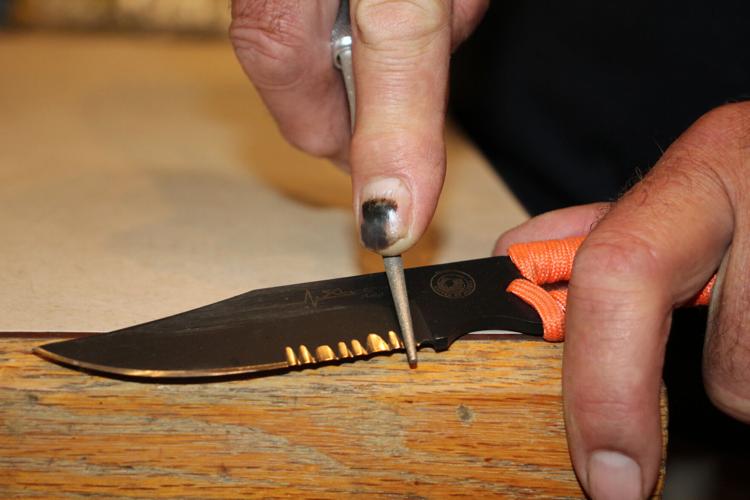
Unlike plain edges, which can be sharpened on standard flat sharpening stones, serrated edges require tools that fit into the grooves between the teeth. The most common options include:
- Round files (size matched to your serrations: 1–2mm for micro-serrations, 3–5mm for sawtooth serrations)
- Ceramic sharpening rods for fine touch-ups
- Diamond-coated serration sharpeners for hardened steel blades
You don’t need expensive professional tools: a basic 3mm round file from a local hardware store works perfectly for most standard survival knife serrations.
Step-by-Step Sharpening Guide
Sharpening serrations is slower than sharpening a plain edge, but the process is straightforward:
- Secure your knife in a vise with the serrated edge facing up to prevent slippage and injury.
- Select a file that fits snugly inside each serration groove to avoid rounding off the teeth.
- Run the file along the curved bevel of each serration, maintaining the original factory angle (usually 15–20 degrees for most survival knife steels).
- Use light, even strokes: pressing too hard will remove too much metal and shorten the serration’s lifespan.
- Test sharpness by cutting a piece of corrugated cardboard: a sharp serrated edge will slice cleanly without tearing or snagging.
- Wipe the blade clean and apply a thin layer of oil to the edge to prevent corrosion, especially if you live in a humid climate.
Common Sharpening Mistakes to Avoid
- Never use a flat sharpening stone on serrated edges: it will round off the teeth, reducing cutting efficiency by up to 50% and ruining the blade’s performance.
- Do not sharpen the flat back side of the serrations: this will ruin the blade’s geometry and make cutting less efficient.
- Avoid skipping the pre-sharpening cleaning step: dirt, rust, and debris will clog the file and create uneven, dull serrations.
- Never rush the sharpening process: uneven strokes will create misaligned teeth that snag on material instead of cutting cleanly.
Keeping your serrated edge sharp is a small but critical part of long-term emergency preparedness plans, especially if you rely on your knife for shelter building or food processing.
Serrated vs. Plain Edge: Which Is Right for You?
There is no "best" edge type for all survival knife users: the right choice depends on your primary use case, maintenance preferences, and skill level. If you’re unsure which edge type fits your needs, our guide to top-rated fixed-blade models breaks down the best options for every use case and budget.
Task-Based Decision Making
Choose a serrated or hybrid edge if:
- You frequently cut wet, fibrous materials like rope, paracord, or dense vegetation
- You need a single tool for shelter building, debris cutting, and food prep
- You prioritize sawing capability over precision carving
Choose a plain edge if:
- You primarily use your knife for food prep, carving, or skinning game
- You want faster, easier sharpening in the field with standard tools
- You prioritize clean, precise cuts for detailed tasks like crafting or first aid
Hybrid Edge Trade-Offs
Hybrid blades combine a plain edge tip for precision tasks with a serrated section near the handle for tough cuts, offering a middle ground for users who want both capabilities. The main trade-off is that the serrated section is usually shorter than a full serrated blade, so it is less effective for heavy sawing tasks like processing large amounts of firewood. If you only occasionally need sawing capability, a hybrid is a practical choice; if sawing is a core part of your use case, a full serrated blade will serve you better. When assembling your core survival kit packing list, prioritize a serrated knife if you expect to encounter thick vegetation, rope, or debris during emergencies. A serrated survival knife is one of the highest-value survival tools you can add to your kit, as it replaces 3–4 separate tools for most common outdoor tasks.
Common Myths About Serrated Survival Knife Edges
Misinformation about serrated edges is common, so we’re clearing up the most pervasive myths with factual, expert-backed guidance:
- Myth: Serrations are just a marketing gimmick with no real function. Fact: As the American Knife & Tool Institute’s knife edge guide confirms, serrated edges are engineered to concentrate force on small contact points, making them far more effective at cutting abrasive, fibrous materials than plain edges of the same steel hardness. They are not a decorative add-on.
- Myth: Serrated edges are impossible to sharpen in the field. Fact: A small, inexpensive round file can touch up serrations in 5–10 minutes with no special training, making them just as field-maintainable as plain edges with the right tools. Many survivalists carry a mini round file in their kit for on-the-go maintenance.
- Myth: Serrated blades are always better for self-defense than plain edges. Fact: While serrations can increase laceration severity, blade skill, legal compliance, and de-escalation are far more important factors in defensive scenarios than edge type. A plain edge in the hands of a trained user is far more effective than a serrated edge in untrained hands.
Frequently Asked Questions
What purpose do serrations serve on survival knives?
Serrations serve three core functions: they saw through tough, fibrous materials like rope and wood with minimal effort, provide a non-slip gripping surface when your hands are wet or gloved, and add versatility so your knife can handle both precision cuts and heavy sawing without carrying extra tools.
How do serrations improve cutting efficiency?
Serrations act like tiny saw teeth that grip and tear through material instead of slicing it, which reduces the force needed to cut through abrasive or wet materials by 30–50% compared to a plain edge of the same steel. They also maintain cutting performance even when slightly dull, as the teeth still catch on material fibers.
Are serrated edges better for survival knives than plain edges?
It depends entirely on your use case. Serrated edges are better if you expect to cut through rope, wood, or debris regularly, while plain edges are better for precision tasks like food prep, carving, or skinning game. Many survivalists prefer hybrid edges for all-around versatility.
Can serrations damage delicate materials?
Yes, the aggressive teeth of sawtooth serrations can tear delicate fabrics, thin plastic, or soft food items. Use the plain edge section of your knife (or the plain tip on a hybrid) for delicate tasks to avoid damage.
Do serrated edges stay sharp longer than plain edges?
In most survival use cases, yes. Because serrations concentrate force on small contact points, they dull more slowly when cutting abrasive materials like rope, wood, or plastic. However, micro-serrations may dull faster than larger sawtooth serrations if used frequently on rough materials.
Are serrated survival knives legal to carry?
Knife laws vary widely by country, state, and municipality. Some jurisdictions ban the carry of serrated blades in public, while others have no restrictions. Always check local laws before purchasing or carrying a serrated survival knife to avoid legal penalties.
Conclusion
Serrations on survival knives are far more than a cosmetic gimmick—they are a purpose-built feature that adds cutting power, grip, and versatility for real-world survival scenarios. Whether you’re cutting through a wet seatbelt after a car accident, sawing branches for a wilderness shelter, or processing emergency rations, serrated edges reduce effort and improve performance when plain edges fall short.
The right edge type for you depends on your primary use case: choose a full serrated edge for heavy-duty debris and rope cutting, a plain edge for precision carving and food prep, or a hybrid for all-around versatility. No matter which type you choose, proper maintenance—including regular sharpening with the right tools—will keep your knife performing reliably for years. When sourcing a durable option, review reputable UK retailers to find a high-performance model built to withstand harsh outdoor conditions.


