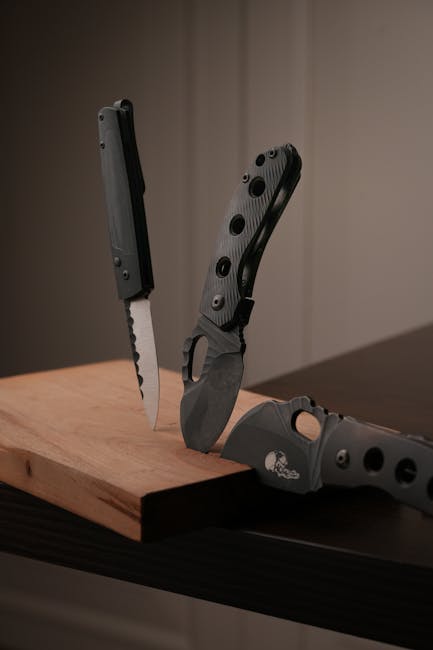
What Happens to Survive Knives: Ultimate Guide to Durability and Use
If you rely on a survival knife for backcountry trips, emergency preparedness, or bushcraft, you’ve likely noticed wear and tear over time — from dulled edges to minor rust spots, or even broken components after heavy use. Unlike cheap pocket knives, a true survival knife is a lifeline that needs to perform under pressure, but understanding what happens to these tools as you use them, what impacts their longevity, and how to care for them is critical to ensuring they don’t fail when you need them most. This guide covers every detail of survival knife durability, real-world use cases, maintenance best practices, and how to choose a tool that will last for years of regular use. A reliable survival knife is also a non-negotiable part of core survival kit items for any emergency scenario, from hurricane response to multi-day hiking trips.
What Actually Happens to Survival Knives Over Time
Normal wear on a survival knife is not a sign of poor quality — it’s a sign the tool is being used as intended. Common, expected changes include:
- Gradual edge dulling from cutting abrasive materials like rope, wood, bone, or dirt-covered debris
- Minor surface scratches on the blade or handle from contact with rocks, gear, or other hard surfaces
- Patina formation on high-carbon steel blades from repeated exposure to moisture, food acids, or outdoor elements
- Minor loosening of handle scales or pivot screws on folding models after extended use
More concerning damage, often caused by misuse or low-quality construction, includes:
- Snapped tangs (the portion of the blade that extends into the handle) from excessive prying, batoning with partial-tang models, or using the knife as a hammer
- Deep rust pits that weaken the blade edge or compromise structural integrity
- Cracked handle scales from impact damage or exposure to extreme temperatures
- Bent blades from using the knife as a lever or pry bar
In practice, a well-maintained high-quality fixed-blade survival knife can last 10+ years of regular heavy use, while cheap low-quality models may fail within a few months under similar conditions. If you notice deep cracks in the blade or handle, rust that has pitted the edge beyond sharpening, or a tang that flexes under light pressure, it’s time to retire the tool. You can also read our guide on if you want to survive past read this guide.
Key Factors That Impact Survival Knife Durability
A knife’s longevity comes down to three core components: blade steel, construction, and finish. Understanding these factors will help you pick a tool that holds up to your use case.
Blade Steel Composition and Heat Treatment
Steel quality is the single biggest driver of a survival knife’s performance and lifespan. Different steel alloys balance hardness, corrosion resistance, and edge retention differently:
- 1095 high-carbon steel: Extremely tough, easy to sharpen in the field, and holds an edge well, but rusts quickly if not maintained. Popular for traditional bushcraft knives.
- 440C stainless steel: Good corrosion resistance, decent edge retention, and low maintenance, but dulls faster than high-carbon options. Ideal for coastal or wet environments.
- S30V steel: A premium powdered steel with excellent edge retention, corrosion resistance, and impact toughness, but more expensive and harder to sharpen.
- D2 tool steel: Semi-stainless with exceptional wear resistance, but prone to rust if not cared for, and brittle under heavy impact.
Reputable manufacturers adhere to ASTM International's blade steel testing standards to ensure consistent hardness, corrosion resistance, and impact toughness across production batches. Poor heat treatment — even with high-quality steel — will result in a brittle blade that chips easily or a soft blade that dulls after minimal use.
Tang Construction
The tang is the portion of the blade that extends into the handle, and its construction is critical for durability under heavy load. Full-tang knives have a single piece of steel running the entire length of the handle, often visible on the top and bottom of the grip. This design can withstand thousands of pounds of force without breaking, making it the only reliable choice for tasks like batoning wood, prying, or heavy chopping.
Partial-tang knives only extend the blade partway into the handle, creating a weak point that is prone to snapping under pressure. A common mistake new preppers make is buying a cheap partial-tang fixed blade for heavy wood processing, only to have the blade snap at the tang junction after a few strikes. For folding knives, look for a robust lock mechanism (like a frame lock or liner lock) and minimal blade play when open.
Handle Materials and Environmental Resistance
Handles need to provide a secure grip in wet, cold, or muddy conditions, while resisting cracking, swelling, or degradation from exposure to the elements. Common handle materials include:
- Micarta: Layers of fabric or paper soaked in resin, extremely tough, grippy when wet, and resistant to temperature changes.
- G-10: A fiberglass composite that is lightweight, water-resistant, and extremely durable, ideal for heavy-use tools.
- Thermoplastic rubber (TPR): Soft, shock-absorbent, and slip-resistant, even when wet, but less durable than Micarta or G-10 for extreme conditions.
- Wood or bone: Classic aesthetic, but requires regular oiling to prevent cracking and swelling from moisture exposure.
Coatings and Surface Treatments
Blade coatings protect against corrosion, reduce friction for smoother cutting, and reduce glare for tactical use. Common treatments include:
- Titanium nitride (TiN): A hard, gold-colored coating that improves corrosion resistance and edge retention.
- Black oxide: A low-cost treatment that adds mild rust resistance and reduces glare, but wears off over time with heavy use.
- Powder coating: A thick, durable finish that resists chipping and corrosion, ideal for heavy-duty tools.
- Bare steel (no coating): Preferred by many bushcrafters for easy sharpening and no risk of coating wear, but requires frequent oiling to prevent rust.
Common Survival Knife Use Cases and How They Affect Wear
How you use your knife directly impacts how quickly it wears out. Understanding the demands of each common survival task will help you avoid misuse and extend your tool’s lifespan.
Shelter and Wood Processing
Chopping, batoning, and whittling wood are among the most demanding tasks for a survival knife. Batoning (striking the spine of the knife with a wooden mallet to split wood) puts immense stress on the tang and blade, so only full-tang fixed blades should be used for this task. Using a folding knife or partial-tang fixed blade for batoning will almost always result in a broken tool. Regularly cutting notches for shelter framing or stripping bark for insulation will dull the blade faster than light cutting tasks, so frequent sharpening is required for heavy wood processing. A full-tang fixed blade is the only reliable option for these heavy-duty tasks.
 This full-tang fixed blade is being used for batoning, a common heavy-duty survival task that tests blade strength.
Credit: www.youtube.com
Your survival knife is an essential tool for building resilient backcountry shelter when stranded in cold or wet conditions. A sharp, reliable survival tool for long-term emergencies lets you cut branches, shape wood, and carve notches quickly, even when you’re exhausted or facing harsh weather.
Food Preparation
Cutting meat, cleaning fish, and slicing foraged plants are common uses for survival knives, but they come with unique wear risks. Acidic foods like citrus, tomatoes, and fish entrails can accelerate rust formation on high-carbon steel if the blade is not rinsed and dried immediately after use. Dull blades also increase the risk of injury during food prep, as more force is required to cut through materials, leading to slips.
Fire Starting
Most survival knives have a squared spine designed to strike ferrocerium (ferro) rods to create sparks for fire starting. This action does not damage the blade if done correctly, but using the knife’s edge to strike rocks or other hard surfaces will quickly dull or chip the blade. Shaving fine wood shavings for tinder will also dull the edge over time, so many survivalists keep a dedicated fire starter separate from their primary processing blade if they expect to start multiple fires on a single trip. If fire starting is a top priority for your use case, look for a model with a integrated firestarter compatibility and a squared spine for striking ferro rods.
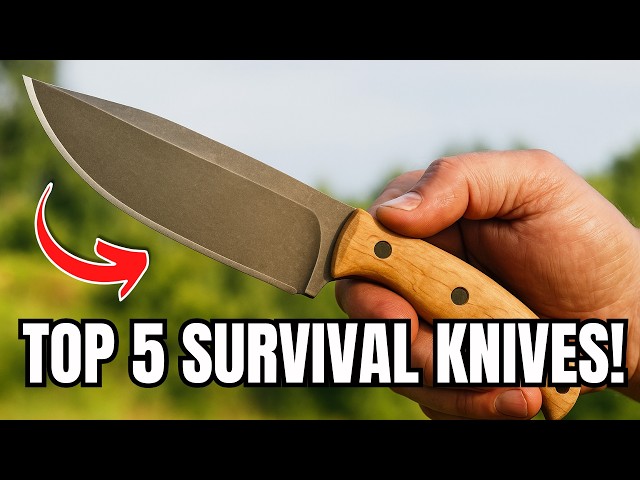 The squared spine of a survival knife is ideal for striking ferrocerium rods to create sparks for fire starting.
Credit: www.youtube.com
Emergency Self-Defense and Heavy-Duty Tasks
While a survival knife should only be used as a last resort for self-defense, heavy-duty prying or cutting through thick materials like webbing, metal siding, or plastic can bend or break the blade if the tool is not designed for that task. The CDC emphasizes that de-escalation and avoidance are the first lines of defense in all wildlife encounters, per the CDC's outdoor safety guidelines — a survival knife should only be deployed as an absolute last resort. It’s a critical tool for defending against wildlife threats if you encounter a dangerous animal during a backcountry trip.
Essential Maintenance to Extend Your Knife's Lifespan
Proper maintenance is the difference between a knife that lasts 10 years and one that fails after a few months of use. Follow these steps to keep your tool in peak condition.
Post-Use Cleaning and Drying
The most common cause of premature survival knife failure is rust from improper cleaning. After every use, especially if cutting acidic foods, dirty materials, or saltwater:
- Rinse the blade under warm running water to remove debris, sap, or food particles.
- Use a soft non-abrasive sponge and mild dish soap to scrub away stuck-on grime — avoid steel wool or harsh scrubbers, which can scratch the blade finish.
- Dry the knife immediately with a clean lint-free cloth, paying special attention to the blade, handle, and any metal hardware (pivot screws, pocket clips).
- Apply a thin coat of food-safe mineral oil to the blade and metal parts to prevent corrosion.
A common mistake is storing the knife in its sheath while still wet, which traps moisture against the blade and causes rust even on stainless steel models.
Sharpening Best Practices
A sharp knife is safer than a dull one, as it requires less force to cut and is less likely to slip. To sharpen your survival knife correctly:
- Use a whetstone (coarse grit for damaged edges, fine grit for finishing) or diamond sharpener — avoid pull-through sharpeners, which remove too much material and can ruin the factory edge.
- Hold the blade at a 15-20 degree angle per side (25 degrees for heavy chopping blades) against the sharpener.
- Use smooth, even strokes along the entire length of the blade, alternating sides every 5-10 strokes to maintain balance.
- Test sharpness by slicing through a piece of plain paper — a sharp blade will cut cleanly without snagging or tearing.
Sharpen your knife after every 2-3 heavy uses, or whenever you notice it tearing through materials instead of cutting cleanly.
Rust and Corrosion Prevention
Even corrosion-resistant stainless steel will rust if exposed to moisture for extended periods. To prevent rust:
- Avoid leaving the knife wet or in damp environments (like a wet sheath or a humid basement) for long periods.
- Apply a light coat of mineral oil to the blade monthly if storing the knife for extended periods.
- For high-carbon steel knives, apply oil after every use, even if the blade was only exposed to light moisture.
- If you notice small rust spots forming, remove them immediately with fine steel wool or a rust eraser before they pit the blade.
Storage Do's and Don'ts
Proper storage prevents accidental damage and corrosion:
- Store knives in a dry, low-humidity environment, away from direct sunlight.
- Use a leather or Kydex sheath for fixed blades, but never store the knife in the sheath while wet.
- For folding knives, keep them closed and store in a dry pouch or pocket, away from other hard objects that can scratch the blade.
- Never store knives near heat sources or in extreme cold, as this can damage handle materials and affect steel hardness.

How to Test a Survival Knife's Durability Before You Buy
You don’t have to wait for a field trip to find out if a knife will hold up. Use these at-home and in-store tests to evaluate durability before purchasing:
At-Home Pre-Purchase Tests
- Flex test: Hold the knife by the handle and apply gentle pressure to the blade tip. A full-tang fixed blade should have no visible flex; a folding knife should have minimal blade play when locked open, and no flex in the blade itself.
- Edge retention test: If the retailer allows it, cut through 10 layers of thick cotton canvas with the knife’s edge, then test sharpness by slicing paper. A quality knife will still cut paper cleanly after this test.
- Corrosion test: Dab a drop of salt water on an inconspicuous part of the blade, wait 24 hours, then wipe it off. A quality stainless or coated blade will have no rust spots after this test.
Field Durability Tests
If you can test the knife in an outdoor setting:
- Baton test: Use the spine of a fixed-blade knife to split a 2-inch thick hardwood branch (never use the edge for batoning). A durable knife will split the wood without bending or breaking.
- Water resistance test: Submerge the knife in salt water for 1 hour, dry it completely, and check for rust spots after 24 hours.
- Impact test: Strike the spine of the knife against a hard rock or log 10 times — a quality knife will have no visible chips or cracks in the blade or handle.
How to Choose the Right Survival Knife for Your Needs
With dozens of options on the market, picking the right survival knife comes down to balancing your budget, primary use case, and personal preferences. Whether you’re preparing for real-world backcountry trips, long-term disaster scenarios, or even fictional survival situations like zombie-themed games, choosing a knife that can withstand heavy use is critical. Survival tools for high-stakes scenarios need to be durable enough to handle unexpected stress, so prioritize quality construction over flashy features.
Budget Considerations
You don’t need to spend hundreds of dollars on a reliable survival knife, but avoid dirt-cheap options under $30, as they almost always use low-quality steel, partial tangs, and flimsy handles that will fail under pressure. A budget of $50-$150 will get you a high-quality full-tang fixed blade from reputable brands that will last for years of regular use. If you’re on a tight budget, prioritize a full tang and 440C or better stainless steel over extra features like serrations or fire starters. Affordable options exist, but quality varies. Aim for a balance between cost and durability, as a cheaper knife may break under stress. Premium knife models often offer longer lifespans and better warranty coverage, making them a better value for frequent users.
Weight and Portability vs. Strength Tradeoffs
Heavier full-tang fixed blades are more durable for heavy tasks like chopping and batoning, but they add weight to your pack and can cause hand fatigue during long days of use. Lighter folding knives or small fixed blades are more portable for everyday carry or light hiking, but they are not suitable for heavy wood processing or prying. Choose a knife weight that matches your primary use case: 4-6 ounces for light everyday carry, 8-12 ounces for backcountry survival, and 12+ ounces for heavy-duty bushcraft or emergency response use.
Matching Knife Features to Your Use Case
- For general hiking and emergency kits: A 4-5 inch full-tang fixed blade with 440C stainless steel and a G-10 or Micarta handle is a versatile, low-maintenance option.
- For bushcraft and wood processing: A 5-7 inch full-tang fixed blade with 1095 high-carbon steel and a Micarta handle, for easy field sharpening and superior edge retention.
- For everyday carry and light tasks: A folding knife with a frame lock, S30V steel, and a 3-inch blade, for easy pocket carry and low maintenance.
For buyers in the UK, trusted UK suppliers offer a wide range of tested fixed and folding options from leading global brands, with options for every budget and use case. If you’re interested in specialized features, some models include specialized serrated edges near the handle for cutting through rope, webbing, or tough plant fibers without slipping. For insight into brand quality control, you can review Schrade's manufacturing standards to see how leading brands ensure consistent performance across their product lines. Survival knives are also a critical addition to hurricane emergency kits for post-storm cleanup, debris removal, and food preparation if power is out for extended periods.
Frequently Asked Questions
What happens to survival knives over time?
Normal wear includes gradual edge dulling from cutting abrasive materials, minor surface scratches, and patina formation on high-carbon steel. Common failure points from misuse or low-quality construction include snapped tangs (from batoning with partial-tang models), rust pits that weaken the blade, and cracked handles. A well-maintained high-quality knife can last 10+ years of regular use, while cheap models may fail within months.
How do you maintain and sharpen survival knives?
After every use, rinse the blade with warm water and mild soap, dry immediately with a lint-free cloth, and apply a thin coat of mineral oil to prevent rust. Sharpen with a whetstone or diamond sharpener at a 15-20 degree angle per side, avoiding pull-through sharpeners that damage the factory edge. Test sharpness by slicing through plain paper — a sharp blade will cut cleanly without snagging.
Are survival knives good for emergency situations?
Yes, when chosen and maintained correctly, survival knives are one of the most versatile emergency tools. They can be used for shelter building, food preparation, fire starting, first aid (cutting bandages, removing debris), and as a last-resort self-defense tool. They are a core component of emergency kits for hikers, campers, preppers, and people in hurricane or wildfire zones. Their reliability makes them essential tools for backcountry camping, hiking, and disaster preparedness kits.
Can survival knives resist rust and corrosion?
High-quality survival knives use stainless steel (like 440C or S30V) or coated high-carbon steel to resist rust, but proper maintenance is still required. Always dry the knife after use, store it in a low-humidity environment, and apply a light coat of oil regularly. Cheap low-quality stainless steels may still rust with extended moisture exposure, while high-carbon steels require more frequent oiling but offer superior edge retention.
Conclusion
A survival knife is only as reliable as the care you put into it and the quality of the tool you choose. By understanding what happens to survival knives over time, how different materials and construction impact durability, and how to use and maintain your knife correctly, you can ensure it performs when you need it most — whether you’re building a shelter in the backcountry, preparing food after a storm, or navigating an emergency situation. Take the time to select a knife that matches your needs, follow the maintenance steps outlined above, and practice basic knife skills regularly to build confidence in your tool. Ready to build a complete emergency kit? Explore our full list of essential survival gear to cover every possible scenario.