Can Shipping Containers Survive Hurricanes: Ultimate Strength Tested
When the 2026 Atlantic hurricane season ramps up, homeowners and business operators in coastal zones are increasingly turning to shipping containers as affordable, durable alternatives to traditional storage and storm shelters. Marketed as nearly indestructible steel boxes, these units seem like a no-brainer for hurricane preparedness—but their actual performance depends heavily on construction quality, anchoring, and pre-storm modifications. This guide breaks down real-world engineering data, hurricane survivor accounts, and actionable prep steps to answer whether shipping containers can truly survive the most severe storms, and how to maximize their resilience for your property.
Whether you’re using a container for long-term storage or as a makeshift storm shelter, pairing it with a core emergency supplies kit is non-negotiable for hurricane readiness. You can also read our guide on how do whales survive hurricanes.
What Makes Shipping Containers Structurally Sound?
To understand how containers hold up to hurricanes, you first need to understand their core design and inherent strengths. Standard shipping containers are built to withstand decades of ocean travel, rough handling, and extreme weather, giving them a baseline of durability that most residential structures lack.
Core Construction & Materials
All ISO-compliant shipping containers are constructed from Corten weathering steel, a corrosion-resistant alloy engineered to hold up to salt air, heavy rain, and temperature extremes without rapid rusting. This material is 25% stronger than standard carbon steel, making it ideal for withstanding high wind and impact loads. Container floors are made from 3/4-inch marine-grade plywood, treated to resist moisture and rot, and rated to support up to 1,000 lbs per square foot of distributed weight—enough to hold heavy storage items or even short-term shelter occupants. Factory-installed rubber gaskets around doors create a watertight seal that keeps out rain and humidity during normal weather events. You can also read our guide on how did the atlantis hotel survive the hurricane.
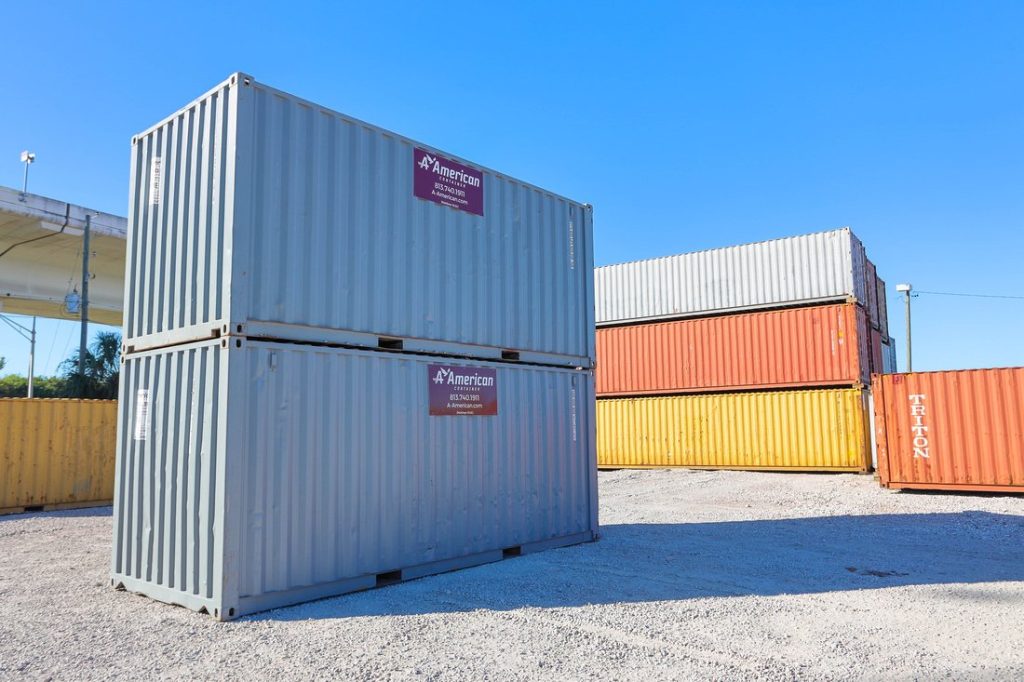
 This container is secured to a concrete foundation, a critical step for hurricane wind resistance.
Credit: americantrailerrentals.com
This container is secured to a concrete foundation, a critical step for hurricane wind resistance.
Credit: americantrailerrentals.com
Standard Load-Bearing Features
The most critical structural components of a shipping container are its corner castings: 1/2-inch thick cast steel fittings at all eight corners of the unit, rated to support 60,000 lbs of weight when containers are stacked 8-high in port operations. These corners are the strongest points of the container, and are the primary attachment points for anchoring systems during hurricanes. The corrugated (ribbed) steel wall design distributes wind and impact loads across the entire panel, rather than concentrating stress on the frame, reducing the risk of bending or cracking during high-wind events. The full steel perimeter frame resists crushing forces, a key advantage over wood-framed residential structures.
Hurricane Forces That Test Container Integrity
Hurricanes produce three primary destructive forces that can compromise shipping containers: extreme wind loads, storm surge flooding, and high-velocity flying debris. Understanding how each force impacts container performance is critical to preparing for storm events. For more on this, see our guide on can houseplants survive on indoor light.
Extreme Wind Loads
Category 5 hurricanes produce sustained winds of 157 mph or higher, with gusts exceeding 200 mph in some coastal areas. Wind exerts pressure on all sides of a container, but the greatest risk comes from uplift force: wind traveling under the container’s eaves creates upward pressure that can lift an unsecured 40ft unit (weighing 8,500 lbs empty) off its foundation, or roll it across the ground if not anchored. Standard container roofs are only rated to hold 300 lbs of snow load, so they are particularly vulnerable to uplift if not reinforced. Even Category 3 winds (111-129 mph) can shift an unanchored container 10+ feet from its original position.
Storm Surge & Flooding
Storm surge pushes water with 1-2 pounds per square inch (PSI) of pressure for every foot of depth, meaning 3 feet of surge exerts 3-6 PSI of force against container walls. While sealed containers are watertight against rain, their factory door gaskets are not rated for sustained submersion, and can fail after 24+ hours of underwater exposure. An empty 40ft container displaces 2,400 cubic feet of water, making it buoyant in as little as 3 feet of surge if not anchored to a weighted foundation. Floodwaters also carry sediment and debris that can scratch container coatings, leading to long-term rust if not repaired quickly.
High-Velocity Flying Debris
FEMA standards classify hurricane debris as projectiles traveling up to 134 mph at 30 feet above ground level. Standard 1/4-inch Corten steel walls can stop most small debris (branches, siding, small signs) without damage, but large, dense objects like tree trunks or metal street signs can dent or puncture steel panels, especially at seams and door frames. A punctured wall or forced-open door can compromise the container’s watertight seal, leading to interior flooding even if the core structure remains intact.
Real-World Hurricane Performance & Testing Data
Shipping containers are not just theoretically strong—they have a proven track record in real hurricane events, and meet strict international testing standards for structural resilience.
Case Studies Of Real Storms
- Hurricane Katrina (2005): FEMA deployed hundreds of shipping containers as temporary relief supply storage across the Gulf Coast. Post-storm assessments found most units retained full structural integrity, with damage limited to minor surface dents from debris.
- Hurricane Harvey (2017): Container homes in Houston’s flood-prone neighborhoods reported minimal structural damage, though many unanchored units shifted 2-10 feet from their original positions due to floodwaters.
- Hurricane Michael (2018): This Category 5 storm that made landfall in Florida’s Panhandle flipped several unanchored containers in storm surge zones, but anchored units with reinforced roofs suffered no structural failure.
Laboratory Strength Testing
The International Organization for Standardization (ISO) sets mandatory performance requirements for all shipping containers, including wind, impact, and water resistance testing. Observed real-world performance aligns closely with these lab standards:
| Test Type | ISO Minimum Requirement | Observed Real-World Performance |
|---|---|---|
| Wind load resistance | Withstand 150 mph sustained winds when anchored | No structural failure in Category 4-5 storms when properly secured |
| Impact resistance | Withstand 1.5x max payload without cracking | Steel panels stop all but largest high-velocity debris |
| Watertightness | No water ingress at 30mm of water pressure | Seals hold in heavy rain, but fail if submerged for >24 hours or if gaskets are worn |
 Lab testing confirms standard containers meet 150 mph wind resistance requirements when properly anchored.
Credit: esequipsales.com
Lab testing confirms standard containers meet 150 mph wind resistance requirements when properly anchored.
Credit: esequipsales.com
Common Damage Patterns
Even well-prepared containers can suffer minor damage during hurricanes. The most common issues include:
- Small dents from flying debris, which do not compromise structural integrity but can scratch protective coatings if left unrepaired
- Rust forming around scratched or dented areas, which can spread if not treated with rust-inhibiting primer
- Worn door gaskets that cause minor leaks during heavy rain
- Loose or corroded anchor bolts that allow minor shifting during high winds
Critical Modifications To Boost Hurricane Survival
Standard shipping containers have inherent strengths, but they are not factory-built to survive Category 5 hurricanes without modifications. Targeted upgrades to their structure, anchoring, and waterproofing can drastically improve their performance in extreme storms.
Structural Reinforcement
The most common point of failure for containers in high winds is the roof, which is only designed to support downward weight, not uplift from wind getting under the container’s eaves. Welding a 1/4-inch steel plate to the roof frame eliminates this risk, and costs less than $500 for a 40ft unit. Adding 2×4 inch steel T-braces welded to interior wall seams and corner castings reduces wall flex during high-wind events, a modification recommended by the Shipping Container Industry Association for storm-prone regions. For containers used as shelters, welding a steel plate over the door seam and adding heavy-duty hasp locks prevents debris from prying doors open.
Proper Anchoring & Foundation
Unanchored containers are the single leading cause of shift or failure during hurricanes, per FEMA after-action reports from recent storm responses. The most stable foundation option is a 4-inch thick reinforced concrete slab, which anchors the container to the ground and prevents shifting or floating during flood events. For temporary container use, ground screw anchors rated to hold 10,000+ lbs of pull-out force are a viable alternative to concrete. Never use rope, straps, or tree ties to secure containers—these materials fail under high wind load, and can cause the container to swing and damage adjacent structures. If stacking multiple containers, each upper unit must be anchored to the one below it, per ISO stacking guidelines.
Flood & Waterproofing Upgrades
Factory door gaskets are designed to keep out rain, but not sustained floodwater. Replacing them with marine-grade EPDM rubber seals, rated for 30 PSI of water pressure, prevents leaks during storm surge events. Adding a 2-inch gravel base under the container improves drainage, and sloping surrounding soil away from the container base diverts water away from entry points. For containers used for storage, elevate pallets 6 inches off the floor to protect items from minor flooding, and install vapor barriers on the floor to prevent moisture wicking from the ground.
For items you’re storing in the container, follow proper storage prep guidelines to keep critical supplies dry and accessible post-storm.
How Shipping Containers Compare To Other Hurricane Shelter Options
Shipping containers are not the only option for hurricane protection, and they are not the best fit for every situation. Comparing their performance, cost, and limitations to other shelter options will help you make the right choice for your needs.
Vs. Traditional Stick-Built Homes
Modern homes built to hurricane zone building codes are designed to withstand 110-130 mph winds, but are still vulnerable to roof uplift and window breakage from debris. A properly modified shipping container can withstand 150+ mph winds with no structural failure, at a 30-50% lower cost than a traditional storm-resistant home addition. However, containers have poor natural insulation, requiring additional climate control to be habitable for extended periods—a trade-off many homeowners overlook. Traditional homes can also be retrofitted with storm shutters and reinforced roofs, though these upgrades often cost as much as purchasing and modifying a used shipping container.
Vs. Certified Storm Shelters & Safe Rooms
FEMA-certified storm shelters are engineered to withstand 250 mph winds and impact from 15-pound 2x4s traveling at 100 mph, a higher standard than even modified shipping containers. Underground shelters also avoid flood risk entirely, a key advantage in storm surge zones. However, certified shelters cost $5,000–$15,000 installed, while a used 40ft shipping container costs $2,000–$4,000, plus modification costs of $1,500–$3,000, making containers a more accessible option for budget-conscious users. Note that unmodified containers do not qualify for FEMA safe room certification, so they should not be relied on as the sole shelter for Category 5 storms in high-risk zones. For official guidance on certified shelter performance standards, refer to FEMA’s safe room resource hub.
Vs. Temporary Emergency Shelters
Community storm shelters and temporary tent structures are free or low-cost, but they often overcrowd during major storms, and may not be accessible if evacuation routes are flooded. A personal shipping container shelter on your property eliminates the need to evacuate, as long as it is properly prepared and located outside of storm surge zones. However, containers are not suitable for low-lying areas prone to flooding, so they should never be used as a shelter if local authorities issue storm surge evacuation orders.
Actionable Hurricane Prep Steps For Shipping Container Owners
Proper preparation is the difference between a container that survives a hurricane with minimal damage and one that is destroyed or displaced. Follow these steps before, during, and after storm events to protect your investment and keep your belongings safe.
Pre-Season Maintenance Checklist
Complete these tasks before the start of hurricane season (June 1) to ensure your container is storm-ready:
| Task | Frequency | Hurricane-Specific Notes |
|---|---|---|
| Inspect door gaskets and hinges for cracks, warping, or rust | Every 6 months | Replace with marine-grade EPDM seals 2 weeks before hurricane season starts |
| Check anchor bolts/ground screws for looseness or corrosion | Every 6 months | Tighten or replace any anchors with >10% wear before storm season |
| Inspect roof and walls for dents, rust, or loose panels | Annually | Weld shut any small punctures and repaint rust spots with rust-inhibiting primer to prevent corrosion |
| Clear drainage ditches and grading around the container | Quarterly | Ensure water flows away from the container base, not toward it, to reduce flood risk |
| Test door locks and security bars | Annually | Replace rusted or damaged locks before storm season |
If you’re planning to use your container as a temporary shelter during storms, review our hurricane shelter supply checklist to ensure you have everything you need.
Storm-Proofing Steps 72 Hours Before Landfall
When a hurricane is forecast to make landfall within 72 hours, complete these steps to secure your container:
- Move all loose items (tools, debris, furniture) stored outside the container at least 50 feet away, so they don’t become projectiles in high wind.
- Double-check all door and window seals (if installed) are fully closed and locked, and add extra hasps and padlocks to prevent doors from being pried open by debris.
- If your container is in a flood zone, move all stored items to elevated racks at least 3 feet off the floor, and place sandbags around the base to divert small amounts of water away from entry points.
- Verify that all anchoring systems are tight, and that the container is not stacked on top of other unsecured units.
- Stock the container with your core emergency supplies, including a first aid kit, non-perishable food, water, flashlights, and a battery-powered radio, so you can access them without leaving the shelter if conditions become dangerous.
Post-Storm Inspection & Repair
After the storm passes, follow these steps to assess damage and prevent long-term issues:
- Do not enter the container if you see visible structural damage (bent walls, shifted foundation) until a qualified inspector assesses its stability.
- Check all seals and gaskets for tears or warping, and replace any damaged seals immediately to prevent water intrusion during future rain events.
- Inspect the anchor system for looseness or corrosion, and re-tighten or replace any damaged components.
- Remove any standing water inside the container, and run a dehumidifier for 24-48 hours to prevent mold growth on wood floors and stored items.
- Repair any small dents or punctures with steel patching kits and rust-inhibiting paint to prevent long-term corrosion.
For additional steps to protect your property before a storm, review our pre-storm property prep guide.
Frequently Asked Questions
Can a shipping container withstand a Category 5 hurricane?
Yes, but only if it is properly anchored to a weighted concrete foundation, has reinforced walls and roof, and has intact marine-grade seals. Unmodified, unanchored containers can be flipped or shifted by Category 5 storm surge and winds, even if their core structure remains intact. Always follow local evacuation orders if your container is in a designated storm surge zone.
Are shipping containers waterproof in hurricane flooding?
Standard containers are watertight against rain and minor flooding, but their factory door gaskets are not rated for sustained submersion. Upgrading to marine-grade EPDM seals and elevating stored items off the floor will improve flood resistance, but no container is fully waterproof if submerged for more than 24 hours.
How much does it cost to hurricane-proof a shipping container?
A used 40ft shipping container costs $2,000–$4,000. Basic hurricane-proofing (anchoring to a concrete slab, replacing door seals, adding roof reinforcement) costs an additional $1,500–$3,000. Full modifications for use as a habitable shelter, including insulation, windows, and ventilation, can cost $10,000–$25,000 total, far less than a traditional storm-resistant home addition.
Can I use a shipping container as a primary hurricane shelter?
Only if it is located outside of designated storm surge and flood zones, properly anchored, and reinforced for high-wind events. Containers are not suitable for low-lying areas prone to flooding, and should never be used as a shelter if local authorities issue evacuation orders for your area. For high-risk Category 5 zones, a FEMA-certified safe room is a safer, higher-rated option.
Conclusion
Shipping containers are a viable, cost-effective option for hurricane storage and shelter, but they are not a one-size-fits-all solution. Their core Corten steel construction provides inherent resistance to wind, rain, and debris, but they require intentional modifications, proper anchoring, and regular maintenance to survive Category 3 and higher storms. For homeowners in coastal hurricane zones, a modified shipping container offers a durable, affordable alternative to traditional shelters, as long as it is sited outside of flood zones and built to local code requirements. If you’re preparing for the 2026 hurricane season, start by assessing your container’s current condition, complete any needed modifications, and pair it with a well-stocked emergency kit to keep you and your belongings safe. For step-by-step guidance on building a complete hurricane preparedness plan, check out our full hurricane preparedness plan.