Which Dog Can Survive in Cold Weather: Top Cold-Resistant Breeds
Do you live in an area where the winters are harsh and the temperatures drop significantly? If so, choosing the right dog breed that can withstand the chill is crucial.
Not all dogs are made for the cold, and selecting a breed that thrives in lower temperatures can ensure your furry friend stays happy and healthy. Imagine a companion who loves the snow as much as you do, with a thick coat that keeps them warm and a playful spirit that never tires in the frosty air.
Dive into this article to discover which dogs are naturally equipped to brave the cold. You’ll learn about the breeds that make perfect winter buddies and why they could be the ideal addition to your family. Your ideal cold-weather companion might be waiting just around the corner!
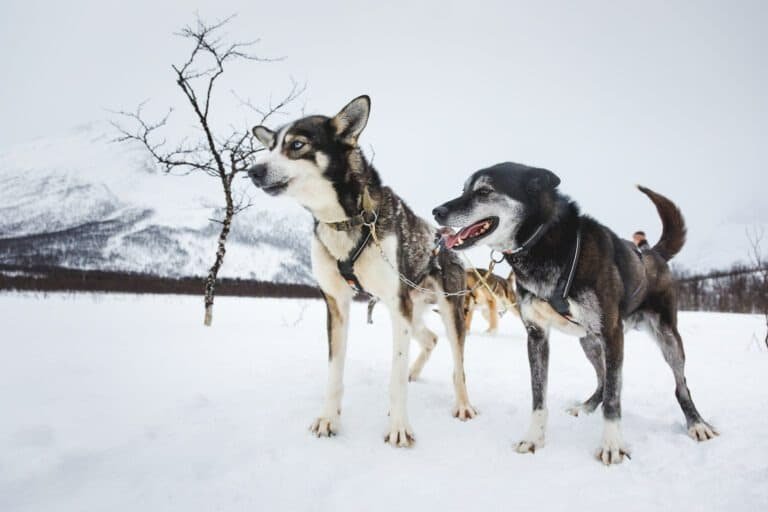
Credit: bestarctic.com
Traits Of Cold-resistant Dogs
Dogs that live well in cold weather have special traits. These traits help them stay warm and healthy. Knowing these features helps you understand which dogs can handle low temperatures.
Cold-resistant dogs have physical and biological traits. These features protect them from harsh winters and icy winds. Let us explore the main traits that make them tough in cold climates.
Thick Double Coats
Cold-weather dogs have thick double coats. The outer coat is rough and water-resistant. The inner coat is soft and traps heat close to the skin. This combination keeps dogs dry and warm.
- Outer coat protects from snow and rain
- Inner coat provides insulation
- Coats often shed seasonally
- Regular grooming keeps the coat healthy
Compact Body Shapes
Cold-resistant dogs usually have compact bodies. A smaller surface area means less heat loss. Shorter legs and ears reduce the chance of frostbite. Their shape helps keep body heat inside.
| Trait | Benefit in Cold Weather |
| Short legs | Less heat loss from extremities |
| Small ears | Lower risk of frostbite |
| Thick neck | Extra insulation around vital areas |
| Dense muscles | Generate and keep more heat |
Fat Reserves And Metabolism
Fat helps dogs stay warm by acting as insulation. Cold-resistant dogs store fat to protect against cold. They also have a high metabolism. This means they burn calories fast to produce heat.
Key points about fat and metabolism:
- Fat layers trap heat under the skin
- High metabolism creates body heat quickly
- Cold dogs may need more food in winter
- Fat reserves provide energy when food is scarce

Credit: www.nonstopdogwear.com
Top Cold-weather Dog Breeds
Some dog breeds are better suited for cold weather than others. Their thick fur and body build help them stay warm. These dogs can live and work well in freezing temperatures.
Below are some popular dog breeds that can survive and thrive in cold climates. Each breed has unique traits that protect them from the cold.
Siberian Husky
Siberian Huskies have thick double coats that keep them warm in icy conditions. They are strong and fast, built for pulling sleds across snowy terrain. Their friendly nature makes them great family pets in cold areas.
Alaskan Malamute
Alaskan Malamutes are large and powerful dogs with dense fur. They were bred for heavy hauling and long treks in the Arctic. Their endurance and strength help them survive cold weather well.
Saint Bernard
Saint Bernards have thick coats and a strong build. They are famous for rescue work in snowy mountains. Their calm and gentle temperament suits families living in cold regions.
Bernese Mountain Dog
Bernese Mountain Dogs have long, thick fur that protects them from cold and wet weather. They are sturdy and hardworking, originally used for farming tasks in the Swiss Alps.
- Thick, water-resistant coat
- Strong and muscular body
- Calm and friendly personality
- Good with children and other pets
Newfoundland
Newfoundlands have a heavy, water-resistant coat. They are excellent swimmers and rescue dogs. Their large size and thick fur keep them warm in cold, wet climates.
Tibetan Mastiff
Tibetan Mastiffs have dense double coats to survive the harsh Himalayan cold. They are strong and independent dogs. Their guarding instinct makes them protective of their home and family.
| Breed | Coat Type | Size | Best Cold Adaptation |
| Siberian Husky | Thick double coat | Medium | Endurance and speed |
| Alaskan Malamute | Dense, coarse fur | Large | Strength and stamina |
| Saint Bernard | Thick, short to medium | Giant | Rescue skills and calmness |
| Bernese Mountain Dog | Long, thick, water-resistant | Large | Farm work and cold tolerance |
| Newfoundland | Heavy, water-resistant | Giant | Swimming and rescue |
| Tibetan Mastiff | Dense double coat | Large | Protection and cold endurance |
Adaptations That Aid Survival
Some dogs live well in cold weather because they have special traits. These traits help them stay warm and safe. Their bodies are made to handle cold and snow.
These adaptations include thick fur, strong paws, and smart behaviors. Each helps the dog survive cold days and nights.
Fur Insulation And Water Resistance
Dogs that live in cold places have thick fur to keep heat in. Their fur stops cold air from reaching their skin. Many also have a water-resistant coat to stay dry.
Their double coat has a soft underlayer for warmth and a rough outer layer for water protection. This helps them stay warm even in wet snow.
- Thick undercoat traps warm air
- Outer coat repels water and snow
- Fur length varies by breed
Paw Protection And Traction
Cold-weather dogs have paws built to walk on ice and snow. Their paw pads are thick and tough to avoid frostbite. Some dogs have fur between their toes for extra warmth.
They also have good traction to stop slipping on ice. This helps them move safely and find food or shelter.
- Thick paw pads protect from cold ground
- Fur between toes keeps paws warm
- Rough pads provide grip on ice
Behavioral Adaptations
Dogs change their behavior to survive cold weather. They may curl up to save heat or seek shelter from wind. Some limit their activity to save energy.
These behaviors help dogs stay warm and safe. They also help dogs avoid injuries in harsh conditions.
- Curling up to keep warm
- Finding wind-protected places
- Reducing movement to save energy
Caring For Cold-resistant Dogs
Cold-resistant dogs need special care in cold weather. Their thick coats help, but they still need protection.
Proper care keeps them healthy and happy during winter months. Pay attention to shelter, food, and exercise.
Proper Shelter And Warmth
Even cold-resistant dogs need a warm place to rest. Shelter blocks wind, rain, and snow.
- Use insulated dog houses with raised floors
- Place bedding inside to trap heat
- Keep shelter dry and clean
- Provide extra blankets on very cold nights
- Allow dogs to enter and exit easily
Nutrition For Cold Weather
Cold weather increases a dog’s energy needs. Proper nutrition helps them stay warm and active.
| Food Type | Benefits |
| High-quality protein | Builds muscle and repairs tissue |
| Fat-rich foods | Provides extra calories for warmth |
| Complex carbohydrates | Gives long-lasting energy |
| Fresh water | Keeps dogs hydrated even in cold |
Exercise Needs In Winter
Cold-resistant dogs still need daily exercise. It keeps their muscles strong and burns energy.
- Short, frequent walks prevent overexposure to cold
- Play games indoors if weather is severe
- Watch for signs of cold stress, like shivering
- Use paw protection if ice or salt is present
- Adjust exercise time based on temperature
Signs Of Cold Stress In Dogs
Cold weather can be dangerous for dogs not used to low temperatures. It is important to watch for signs of cold stress. Early detection helps keep your dog safe and healthy.
Dogs show different symptoms when they feel too cold. Knowing these signs can help you act quickly.
Hypothermia Symptoms
Hypothermia happens when a dog’s body temperature drops below normal. It can cause serious health problems.
- Shivering or trembling
- Weakness and lack of coordination
- Slow or shallow breathing
- Cold ears, tail, and paws
- Stiff muscles and pale gums
- Confusion or lethargy
Frostbite Warning Signs
Frostbite damages the skin and tissues. It often affects the ears, tail, and paws first.
| Body Part | Signs of Frostbite |
| Ears | Redness, swelling, cold to touch |
| Paws | Hard or pale skin, blisters |
| Tail | Discoloration, pain, swelling |
When To Seek Veterinary Help
Some signs need immediate veterinary care. Quick action can save your dog’s life.
- Continuous shivering that does not stop
- Difficulty breathing or very slow breathing
- Unresponsiveness or extreme weakness
- Swollen, discolored, or blistered skin
- Signs of pain or distress

Credit: iheartdogs.com
Frequently Asked Questions
Which Dog Breeds Tolerate Cold Weather Best?
Breeds like Siberian Huskies, Alaskan Malamutes, and Saint Bernards thrive in cold climates. Their thick fur and body fat keep them warm and protected.
How Do Dogs Adapt To Cold Environments?
Cold-weather dogs grow dense double coats that insulate against freezing temperatures. They also develop increased fat layers for extra warmth.
Can All Dogs Survive In Freezing Temperatures?
No, only certain breeds with natural cold adaptations can survive cold weather comfortably. Smaller or thin-coated breeds need extra protection.
What Signs Show A Dog Is Too Cold Outside?
Shivering, lifting paws off the ground, and lethargy indicate a dog is too cold. Immediate warming and shelter are necessary to prevent hypothermia.
Conclusion
Cold weather dogs have thick fur and strong bodies. They stay warm and active in snow and ice. Breeds like Huskies and Malamutes are great choices. These dogs enjoy outdoor play even in winter. Choose a dog that fits your climate well.
Remember, all dogs need care and shelter from cold. Give them love and proper protection always. Cold weather is no problem with the right dog. Stay safe and enjoy your furry friend’s company.