How to Survive a Hurricane in a Sailboat: Essential Tips
Facing a hurricane while on a sailboat is one of the most dangerous situations you can encounter on the water. You might feel overwhelmed, scared, or unsure about what steps to take to protect yourself and your vessel.
But knowing exactly how to prepare and respond can make all the difference between survival and disaster. You’ll discover clear, practical tips that can keep you safe when a storm hits. Don’t wait until it’s too late—read on to learn how to survive a hurricane in a sailboat and take control of your safety before the next big storm approaches.

Credit: www.youtube.com
Preparing Your Sailboat
Getting your sailboat ready for a hurricane is very important. Proper preparation can protect your boat and keep you safe. You should start early and check every part of your boat carefully.
This guide covers three main areas to focus on before a storm: securing loose items, reinforcing the hull, and checking safety equipment.
Securing Loose Items
Loose items can cause damage or get lost during strong winds and waves. Tie down everything that can move. Check inside and outside the boat for anything that might fly away.
- Store sails and rigging gear in safe places.
- Secure all cushions, ropes, and tools.
- Lock cabinets and compartments to keep items inside.
- Remove or tie down antennas and flags.
Reinforcing The Hull
The hull needs to be strong to handle rough waters. Inspect it for cracks or weak spots. Fix any damage before the storm arrives.
| Hull Area | What to Check | Action Needed |
|---|---|---|
| Bottom | Cracks, blisters, or soft spots | Repair and seal all damage |
| Deck | Loose fittings or leaks | Tighten and seal leaks |
| Keel | Secure attachment to hull | Check bolts and reinforce |
| Through-hull fittings | Leaks or corrosion | Replace or seal properly |
Checking Safety Equipment
Safety gear is your last line of defense during a hurricane. Make sure everything works and is easy to reach.
- Check life jackets for damage and size.
- Test the radio and emergency beacons.
- Verify fire extinguishers are full and accessible.
- Stock extra batteries and first aid supplies.
- Prepare flares and signaling devices.
Monitoring Weather Conditions
Monitoring weather is vital for sailors during hurricane season. It helps you stay safe and make quick decisions.
Knowing the weather changes early can keep you and your sailboat out of danger.
Using Reliable Forecast Sources
Choose trustworthy sources for weather updates. Official meteorological sites and apps give accurate information.
- National Hurricane Center (NHC)
- Local weather stations
- Marine weather apps
- NOAA weather radio
Recognizing Early Warning Signs
Watch the sky and sea for signs of a storm. Dark clouds and sudden wind shifts can warn you.
| Warning Sign | What It Means |
| Dark, heavy clouds | Storm may approach soon |
| Sudden wind change | Storm front is near |
| Drop in air pressure | Hurricane is forming or moving closer |
| Rough seas | Dangerous conditions ahead |
Setting Up Alerts
Set up weather alerts on your phone or radio. This keeps you informed even when you are busy.
Use these alert types:
- Push notifications from weather apps
- NOAA weather radio emergency alerts
- SMS alerts from local authorities
Choosing A Safe Location
Surviving a hurricane in a sailboat starts with picking the right place to stay. Your location can keep you safe or put you in danger.
Knowing where to go and what to avoid helps protect your boat and yourself during the storm.
Finding A Hurricane Hole
A hurricane hole is a natural or man-made spot that shelters boats from strong winds and waves. It is usually inside a bay or a creek.
These locations offer calm water and protection from the storm’s force. Choose one with good depth and limited exposure.
- Look for narrow entrances that reduce wave energy
- Check for shelter from all wind directions
- Ensure the bottom is suitable for anchoring
- Avoid spots prone to flooding or debris
Avoiding Open Waters
Open waters are dangerous during a hurricane. Large waves and strong winds can flip or damage your sailboat.
Stay close to shore or in protected areas to reduce risk. Open seas offer no escape from the storm’s power.
- Do not try to sail away from the storm on open water
- Find shelter near land or inside protected bays
- Monitor weather reports to avoid sudden changes
Anchoring Techniques
Strong anchoring keeps your boat in place during a hurricane. Use multiple anchors if possible to increase hold.
Place anchors in different directions to stop drifting. Check that your anchors are set deep and secure.
- Use heavy, reliable anchors suitable for the seabed
- Set at least two anchors in a V shape for stability
- Use enough chain to absorb shock from waves
- Regularly inspect anchor lines for wear and slippage

Credit: www.isabellayachtsphuket.com
Storm Preparation Steps
Preparing your sailboat before a hurricane is very important. Proper steps help protect your boat and keep you safe.
Follow these key steps to get ready for the storm. They focus on sail and rigging, securing openings, and having emergency supplies.
Reducing Sail And Rigging
Lower all sails to reduce wind pressure on your boat. Remove sails from the rigging if possible.
Secure the rigging tightly to avoid damage. Use extra lines to keep everything in place during strong winds.
- Take down all sails and store them safely
- Double-check all halyards and sheets
- Tighten shrouds and stays
- Add extra lashings to secure the mast
Securing Hatches And Ports
Close and lock all hatches and ports to stop water from entering the boat. Check seals to make sure they are tight.
Use additional covers or tarps if needed. Make sure the boat is as watertight as possible before the storm hits.
- Close all hatches and portlights securely
- Inspect seals for cracks or damage
- Use hatch boards or storm covers
- Seal any gaps with waterproof tape
Preparing Emergency Supplies
Keep essential emergency supplies ready and easy to reach. These supplies help you stay safe during the hurricane.
Include food, water, tools, and safety gear. Check that batteries and radios work before the storm.
- Pack non-perishable food and drinking water
- Gather first aid kit and medications
- Keep flashlights with extra batteries
- Have a VHF radio for emergency communication
- Prepare life jackets and safety harnesses
During The Hurricane
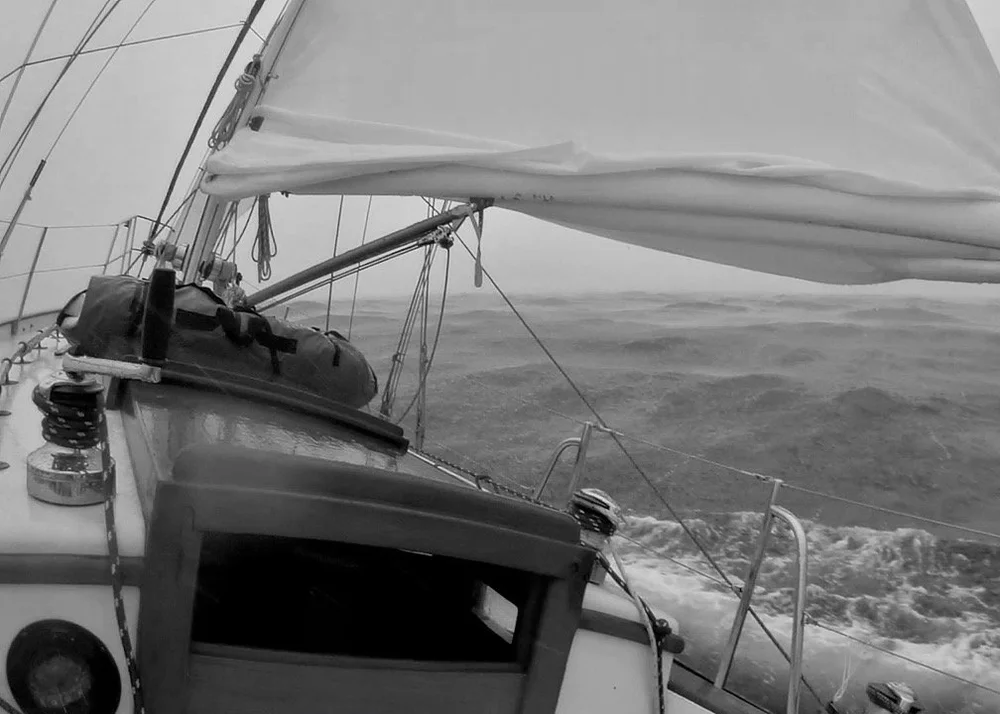
The hurricane is the most dangerous time for anyone on a sailboat. You must stay safe and follow your plan carefully. Staying calm and ready will help you survive the storm.
Focus on keeping communication open, managing your water and power supplies, and staying calm and alert to handle any changes in the weather.
Maintaining Communication
Keep in contact with the coast guard and other boats if possible. Use your radio and keep it on low power to save battery. Check your emergency signals and send updates when safe.
- Turn on your VHF radio and monitor channel 16.
- Use a waterproof case for your phone and radio.
- Send regular position reports to a trusted contact.
- Have backup batteries charged and ready.
- Use hand signals or flares if radio fails.
Managing Water And Power
During the storm, save your fresh water and power. Use water only for drinking and essential needs. Turn off non-critical electrical devices to conserve power.
| Resource | Action |
| Fresh Water | Drink only, avoid washing |
| Battery Power | Turn off lights and devices not needed |
| Engine | Use only if necessary |
| Solar Panels | Keep clear of debris |
Staying Calm And Alert
Stay calm to think clearly and act fast. Watch the wind and waves. Listen for updates and be ready to respond. Rest when possible but keep a lookout.
Tips to Stay Calm and Alert:
- Take deep breaths to reduce stress.
- Keep a safe area to sit or lie down.
- Have a buddy system to watch the sea and weather.
- Use earplugs if noise is too loud but stay aware.
- Drink water regularly to stay hydrated.
Post-storm Actions
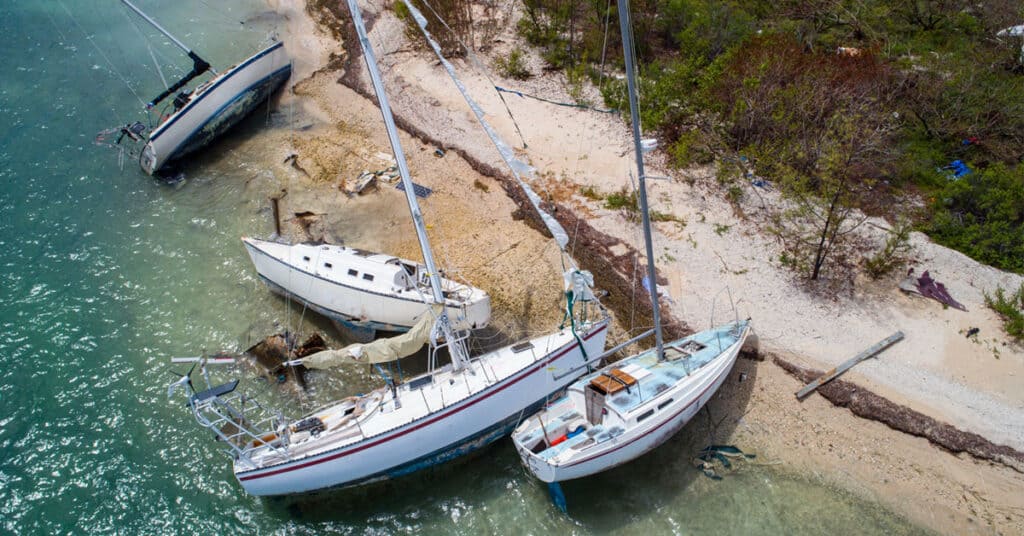
After a hurricane passes, the work is not over. You must take important actions to keep safe and fix your sailboat.
These steps help protect your boat from more damage and start the repair process quickly.
Inspecting For Damage
Check your sailboat carefully for any damage. Look at the hull, sails, rigging, and inside the cabin.
Take photos of any damage to help with insurance or repairs later.
- Check for cracks or holes in the hull
- Inspect sails for tears or wear
- Look at ropes and rigging for breaks
- Find leaks or water inside the boat
- Check the engine and electrical systems
Reporting To Authorities
Tell local authorities about your boat’s condition. This helps with safety and recovery efforts.
Report any hazards like fuel leaks or broken parts that may cause danger to others.
- Contact the coast guard or marine patrol
- Notify your marina or harbor office
- Report spills or debris in the water
- Provide your boat’s location and damage details
Planning Repairs And Recovery
Make a clear plan to fix your sailboat. Prioritize urgent repairs to prevent more damage.
Decide if you can do repairs yourself or need professional help. Gather needed tools and parts.
- List all damage and required repairs
- Set a timeline for repair work
- Contact boat repair shops or specialists
- Arrange for parts and materials
- Check your insurance coverage for repairs
Credit: www.moderngeographic.com
Frequently Asked Questions
How Can I Prepare My Sailboat Before A Hurricane?
Secure all loose items, double-check anchor systems, and seal hatches tightly. Remove sails and secure the rigging. Store essential supplies and ensure communication devices are functional for emergencies.
What Is The Safest Location For A Sailboat During A Hurricane?
Find a protected marina or sheltered bay with strong mooring options. Avoid open waters and exposed anchorages. Choose spots with minimal wave action and easy access for emergency evacuation.
How Should I Anchor My Sailboat In A Hurricane?
Use multiple heavy anchors set in different directions to prevent dragging. Ensure anchors are well dug into the seabed. Regularly monitor the boat’s position and adjust as needed.
What Emergency Supplies Are Essential On A Sailboat During A Hurricane?
Carry fresh water, non-perishable food, first aid kits, flashlights, and extra batteries. Have life jackets, flares, and a reliable communication device. Keep tools handy for quick repairs or adjustments.
Conclusion
Surviving a hurricane in a sailboat takes careful planning and quick action. Always check weather updates before sailing. Secure your boat well and choose a safe shelter. Keep emergency supplies ready and stay calm during the storm. Remember, your safety comes first, not the boat.
Prepare early to reduce risks and protect yourself. Stay alert and trust your instincts. With the right steps, you can face the storm more confidently. Stay safe and respect the power of nature.