Do Virus Survive in Cold Weather: Shocking Truths Revealed
Ever wondered why you often catch a cold during the winter months? You’re not alone.
Many people notice an uptick in illness when temperatures drop, and it’s not just a coincidence. The relationship between viruses and cold weather is a topic of intrigue and concern for many of us. Do viruses really thrive in the cold, or is there more to the story?
Understanding how cold weather affects viruses might just be the key to staying healthy this winter. Stick around as we uncover the truth behind this chilly mystery and arm you with knowledge to protect your health when it matters most.
Credit: www.theguardian.com
Virus Survival Basics
Viruses are tiny germs that can cause illness. They need a host to live and multiply. Outside a host, viruses can survive for some time.
Temperature affects how long viruses stay alive. Cold weather may help some viruses survive longer. Understanding this helps us protect ourselves better.
How Viruses React To Temperature
Viruses react differently to heat and cold. High temperatures can kill many viruses faster. Cold temperatures slow down their decay.
In cold weather, viruses can stay infectious longer on surfaces. Warm weather often reduces their survival time. This affects how viruses spread in different seasons.
Common Cold And Flu Viruses
Cold and flu viruses spread more in winter months. The cold air helps these viruses survive outside the body. Dry air also makes it easier for viruses to travel.
People spend more time indoors in cold weather. This close contact helps viruses spread faster. Washing hands and cleaning surfaces reduce the risk.

Credit: www.nature.com
Impact Of Cold Weather
Cold weather affects how long viruses can survive outside the body. Lower temperatures can help some viruses stay active longer. This can change how viruses spread in winter months.
Understanding virus survival in cold weather helps us prepare better for outbreaks. It also guides public health measures in colder climates.
Virus Longevity In Low Temperatures
Viruses often last longer at low temperatures. Cold slows down the breakdown of virus particles. This means viruses can stay infectious on surfaces for days or weeks in cold weather.
- Cold air reduces virus decay
- Viruses stay stable on surfaces longer
- Freezing can preserve virus particles
- Warm temperatures speed up virus loss
Humidity And Virus Stability
Humidity levels also impact virus survival. Dry air often found in cold weather can help viruses last longer. Moist air can cause viruses to break down faster.
| Humidity Level | Effect on Virus |
| Low (Below 40%) | Increases virus stability |
| Moderate (40-60%) | Reduces virus survival |
| High (Above 60%) | Speeds up virus decay |
Virus Transmission In Winter
Cold weather affects how viruses spread among people. Many viruses survive longer in winter conditions.
People spend more time indoors during cold months. This changes how viruses move from person to person.
Indoor Crowding Effects
In winter, people gather inside homes and buildings more often. Crowded spaces make it easier for viruses to spread.
Close contact helps viruses jump from one person to another. This increases the chance of catching colds and flu.
- More people in small spaces raise infection risk
- Shared surfaces carry viruses longer indoors
- Less sunlight lowers natural virus-killing effects
Air Circulation And Virus Spread
Poor air flow inside buildings helps viruses stay in the air longer. This makes breathing in virus particles more likely.
Using fans and opening windows can reduce virus spread. Good ventilation moves virus particles outside quickly.
- Stale air holds more viruses
- Fresh air lowers virus concentration
- Air filters help remove particles indoors

Credit: www.mdpi.com
Myths About Cold Weather And Viruses
Many people believe cold weather kills viruses. Some think cold air weakens the immune system. These ideas are common but not always true.
This article explains facts about viruses and cold weather. It clears up common myths and shows what science says.
Cold Weather Kills Viruses?
Cold weather does not kill all viruses. Some viruses survive well in cold temperatures. Others need warm conditions to grow.
Cold air can slow virus activity but does not destroy viruses. Viruses can live on surfaces or in the air for hours or days.
- Flu viruses often spread more in cold weather.
- Cold does not kill viruses on skin or objects immediately.
- Viruses hide inside the body where temperature stays warm.
Cold Exposure And Immunity
Many believe cold exposure weakens the immune system. Cold weather itself does not reduce immunity. Other factors affect how well the body fights viruses.
Staying inside in winter can increase virus spread. Dry indoor air can dry out the nose and throat, making infection easier.
- Cold air alone does not lower immune defense.
- Stress, lack of sleep, and poor nutrition affect immunity.
- Good hygiene and healthy habits protect against viruses.
Preventing Virus Spread In Cold Weather
Cold weather can help viruses survive longer on surfaces. This increases the chance of infection. It is important to take steps to stop the spread of viruses during cold months.
Simple actions can protect you and others from getting sick. Good habits and vaccines are key to staying healthy.
Effective Hygiene Practices
Washing hands often and cleaning surfaces reduce virus spread. Covering coughs and sneezes also helps keep germs away.
- Wash hands with soap for at least 20 seconds
- Use hand sanitizer when soap is not available
- Disinfect common touch areas like doorknobs and phones
- Avoid touching your face with unwashed hands
- Wear masks in crowded indoor places
Vaccination Importance
Vaccines prepare your body to fight viruses. They lower the chance of severe illness and stop the virus from spreading fast.
| Vaccine Type | Benefit | Recommended Group |
| Flu Vaccine | Reduces flu infections | Everyone over 6 months |
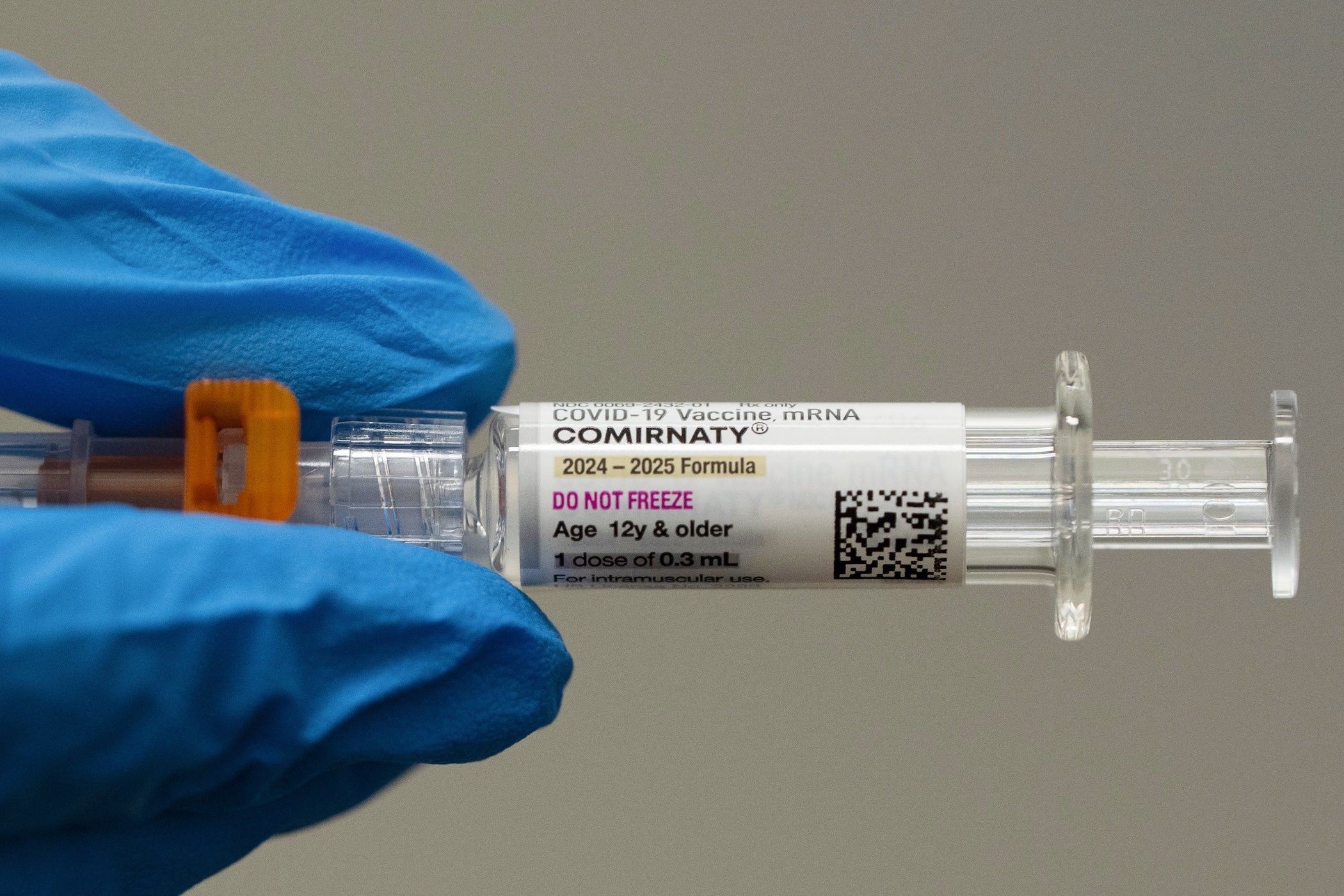
| COVID-19 Vaccine | Prevents severe COVID-19 cases | All adults and children 6 months+ |
| RSV Vaccine | Protects against respiratory syncytial virus | Older adults and infants |
Future Research And Insights
Scientists want to know more about how cold weather affects viruses. This research helps us prepare for diseases in winter.
New studies and technology improve how we detect viruses and understand their behavior in different climates.
Emerging Studies On Viruses And Climate
Researchers study how viruses survive in cold and warm weather. They test how temperature and humidity change virus life.
Some viruses last longer in cold air, but others do not. Scientists also look at how seasons affect virus spread.
- Study virus survival on surfaces in cold conditions
- Observe virus spread in different climates
- Analyze seasonal patterns of infections
Technological Advances In Virus Detection
New tools help detect viruses faster and more accurately. These tools work well even in cold environments.
Devices can now track virus changes and alert scientists to new strains. This helps control outbreaks quickly.
- Portable virus testing kits
- Improved air and surface sensors
- Advanced genetic sequencing machines
Frequently Asked Questions
Do Viruses Survive Better In Cold Weather?
Yes, many viruses survive longer in cold weather because low temperatures slow their decay and preserve their structure.
Does Cold Weather Increase Virus Transmission?
Cold weather can increase virus transmission as people stay indoors more, creating close contact environments that aid spread.
Can Cold Temperatures Kill Viruses On Surfaces?
Cold temperatures alone do not kill viruses; they often preserve viruses by slowing down their breakdown on surfaces.
Why Do Flu Viruses Spread More In Winter?
Flu viruses spread more in winter due to lower humidity, colder air, and increased indoor crowding, aiding virus survival.
Conclusion
Viruses can survive better in cold weather than in warm. Cold air slows their breakdown. This means they stay active longer on surfaces. People tend to stay indoors in winter. This increases the chance of virus spread. Washing hands often helps stop infection.
Wearing masks can reduce virus spread too. Staying healthy is important all year round. Understanding how cold affects viruses keeps us safer. Stay alert and take simple steps to protect yourself.