Can Mobile Homes in Fla Survive a Hurricane: Essential Tips
If you live in Florida or are thinking about moving there, you probably worry about hurricanes. You might ask yourself: Can mobile homes in Fla survive a hurricane?
It’s a big question because your safety and peace of mind depend on it. You’ll discover what makes mobile homes vulnerable and what steps you can take to protect yourself and your family. Keep reading to learn how to stay safe when the storm hits.
Credit: www.bradenton.com
Hurricane Risks For Mobile Homes
Mobile homes in Florida face many risks during hurricanes. These homes often lack strong protection against extreme weather.
Understanding how hurricanes affect mobile homes helps owners prepare better and reduce damage.
Common Vulnerabilities
Mobile homes have weak points that hurricanes can easily damage. Their walls and roofs are lighter than traditional houses.
- Thin walls that can break under strong winds
- Roofs that may lift off without proper anchoring
- Foundations that are less secure than concrete slabs
- Windows and doors that are not impact-resistant
- Skirting that can be torn away by floods or winds
Impact Of Wind And Flood
Hurricanes bring strong winds and heavy floods. Both can cause severe damage to mobile homes.
| Type of Damage | Effect on Mobile Homes |
| High Winds | Can tear off roofs, break windows, and shift homes off foundations |
| Flood Water | Can weaken structures, cause mold, and damage electrical systems |
| Flying Debris | Can break walls, windows, and cause injuries |
| Soil Erosion | Can destabilize mobile home supports and cause tilting |
Building Standards In Florida
Florida has strict building standards to protect homes from hurricanes. These rules help make mobile homes safer during storms.
Building codes focus on strong materials and proper construction methods. They reduce the risk of damage in high winds.
Mobile Home Construction Codes
Mobile homes in Florida must follow specific construction codes. These codes set rules for wind resistance and structural strength.
The codes require homes to use strong anchors and tie-downs. This helps keep the home stable in strong winds.
- Wind zones determine construction rules
- Stronger materials are required in high-risk areas
- Anchors prevent homes from lifting off foundations
- Windows and doors must resist wind pressure
Recent Improvements
Florida updates building codes regularly. These improvements make mobile homes safer and more durable.
New rules focus on better roof designs and stronger connections. These changes help homes survive hurricanes better.
- Stronger roof trusses to resist uplift
- Improved tie-down systems for stability
- Impact-resistant windows and shutters
- Better sealing to prevent water damage
Preparing Mobile Homes For Hurricanes
Mobile homes are more vulnerable to hurricanes than traditional houses. Preparing them well can reduce damage.
Taking safety steps before a storm helps protect your home and family. Plan ahead and act early.
Securing Anchors And Tie-downs
Anchors and tie-downs keep your mobile home attached to the ground. They stop it from lifting or shifting in strong winds.
Check these fasteners before hurricane season. Tighten loose straps and replace rusted parts.
- Use heavy-duty anchors made for hurricane zones
- Ensure tie-down straps are tight and not worn out
- Hire a professional to inspect and install if needed
Window And Door Protection
Windows and doors are weak spots during a hurricane. Protect them to keep wind and rain out.
Use storm shutters or impact-resistant coverings. Tape alone does not stop broken glass.
- Install metal or plywood storm shutters
- Check door seals and reinforce doors with braces
- Cover glass with protective film to reduce shattering
Roof Reinforcement Tips
The roof faces the strongest winds and rain. A strong roof prevents leaks and collapse.
Secure shingles and check for weak spots. Use hurricane straps to hold the roof down.
- Replace loose or missing shingles immediately
- Install hurricane clips or straps on roof trusses
- Seal edges and joints to stop water leaks
Emergency Planning
Mobile homes in Florida face unique risks during hurricanes. Planning ahead helps keep you safe.
Emergency planning includes clear evacuation steps, a ready safety kit, and strong communication plans.
Evacuation Strategies
Know your evacuation routes before a storm hits. Practice leaving early to avoid last-minute rushes.
- Identify nearby shelters that accept mobile home residents.
- Plan transportation if you do not have a car.
- Inform family or friends about your evacuation plan.
- Keep your vehicle’s gas tank full during hurricane season.
- Secure important documents and valuables before leaving.
Creating A Safety Kit
Your safety kit should have essentials to last at least three days. Include food, water, and medical supplies.
| Item | Recommended Quantity |
| Bottled Water | One gallon per person per day |
| Non-perishable Food | Three-day supply |
| First Aid Kit | Complete set |
| Flashlight | With extra batteries |
| Battery-powered Radio | For weather updates |
| Personal Hygiene Items | Sanitizer, wipes, etc. |
| Medications | At least one week’s supply |
Communication Plans
Stay connected with family and emergency officials during a hurricane. Prepare a clear plan to share information.
- Choose a primary and backup contact person.
- Use text messages if phone lines are busy.
- Keep a list of emergency numbers written down.
- Charge all devices and have power banks ready.
- Inform neighbors about your emergency plan.
Insurance And Financial Considerations
Mobile homes in Florida face a high risk of hurricane damage. Insurance and financial planning are very important. Knowing your options helps protect your home and your money.
Many insurance policies cover different types of damage. It is important to understand what your policy includes and what it does not. This helps avoid surprises after a storm.
Coverage Options
Insurance for mobile homes in Florida often includes windstorm and flood coverage. Some policies cover only the structure, while others also cover your belongings. You may need separate policies for flood damage.
Look for policies that cover the cost to repair or replace your home. Some insurance plans offer additional living expenses if you cannot live in your home after a hurricane.
- Dwelling coverage: repairs or rebuilds your mobile home
- Personal property coverage: replaces damaged belongings
- Flood insurance: protects against water damage
- Additional living expenses: pays for temporary housing
Claim Process Tips
File your insurance claim as soon as possible after a hurricane. Keep a record of all damage with photos and videos. This helps prove your losses to the insurer.
Keep copies of all documents and receipts related to your claim. Stay in contact with your insurance agent to track the claim status. Be honest and detailed in your communications.
- Document damage with photos and videos
- Save receipts for repairs and temporary housing
- Report damage quickly to your insurer
- Keep notes of phone calls and emails
- Follow up regularly on your claim status
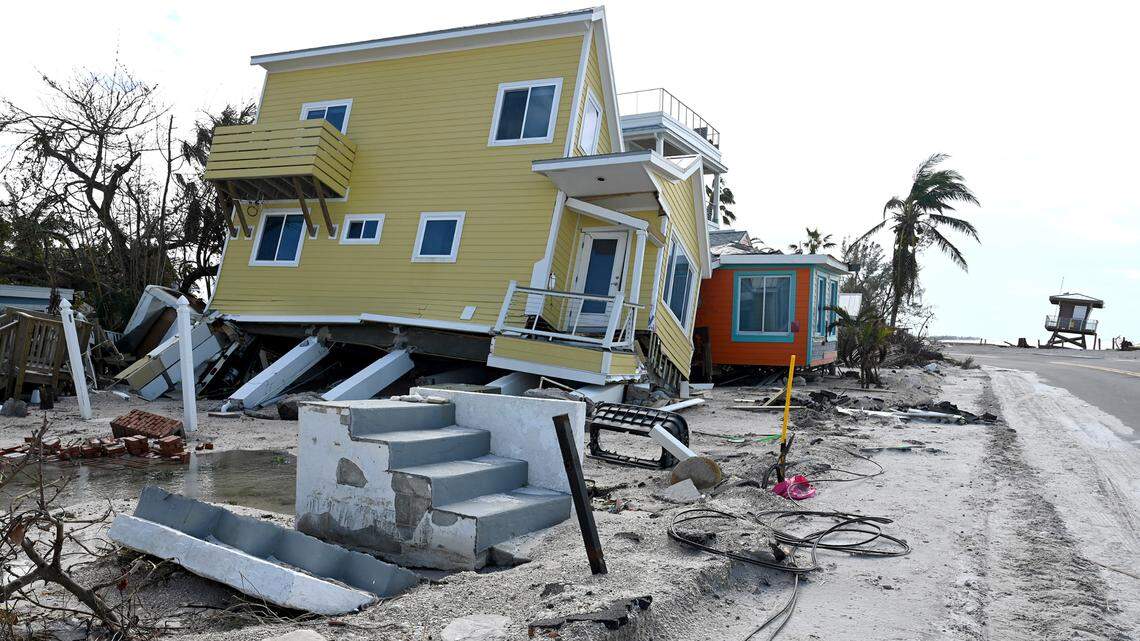
Credit: www.miamiherald.com
Post-hurricane Actions
After a hurricane, it is important to act quickly and safely. Mobile home owners in Florida must check their property and start repairs soon.
Taking the right steps helps reduce damage and speeds up recovery. Knowing what to do after the storm is key.
Damage Assessment
Begin by looking for visible damage to your mobile home. Check the roof, walls, and windows for cracks or holes.
Also, inspect the foundation and support structures. Look for any signs of movement or weakness.
- Wear protective clothing and boots
- Take photos of all damage for records
- Do not enter if the home is unsafe
- Check for water leaks and electrical issues
- Contact a professional for severe damage
Repair And Recovery Resources
Find local repair services that specialize in mobile home restoration. They know how to handle hurricane damage.
Look for help from community programs and disaster relief organizations. They often provide materials and support.
- Contact licensed contractors for estimates
- Apply for insurance claims quickly
- Use government aid programs if eligible
- Get temporary shelter if needed
- Keep all repair receipts for records

Credit: www.youtube.com
Frequently Asked Questions
Can Mobile Homes In Florida Withstand Hurricanes?
Mobile homes in Florida can survive hurricanes if properly reinforced. Modern building codes require stronger materials and anchoring systems. However, older models are more vulnerable to high winds and flying debris. Regular maintenance and storm preparations significantly improve their safety during hurricanes.
What Safety Measures Protect Mobile Homes In Hurricanes?
Anchoring mobile homes to solid foundations reduces movement during storms. Installing storm shutters and impact-resistant windows prevents damage from debris. Clearing surrounding areas of loose items minimizes hazards. Evacuation plans are essential, as mobile homes may still be unsafe in severe hurricanes.
Are Newer Mobile Homes Hurricane-resistant In Florida?
Yes, newer mobile homes built after updated codes have better hurricane resistance. They feature stronger frames, improved anchoring, and enhanced wind-rated windows. These homes offer greater protection but still require proper maintenance and safety precautions to endure strong storms effectively.
Should Mobile Home Residents Evacuate During Hurricanes?
Residents of mobile homes should evacuate when a hurricane warning is issued. Mobile homes, even well-built ones, offer limited protection against intense winds. Evacuating to a safer, sturdier shelter is the best way to ensure personal safety during hurricanes.
Conclusion
Mobile homes in Florida face strong risks during hurricanes. Proper preparation helps protect homes and lives. Strong anchors and storm shutters improve safety. Choosing a safe location reduces damage chances. Regular maintenance keeps structures more stable. Always have an emergency plan ready.
Staying informed about weather alerts saves lives. While mobile homes can survive, caution is key. Safety depends on how well you prepare. Taking simple steps makes a big difference. Stay safe and plan ahead for storms.