Can a Palm Tree Survive in Cold Weather: Essential Survival Tips
Do you dream of having a palm tree in your yard, even if you live in a place where winters are cold? You’re not alone.
The idea of bringing a touch of tropical paradise to your home is tempting. But before you take the plunge, there’s one burning question: Can a palm tree survive in cold weather? This question might seem simple, but the answer is more complex than you think.
We’ll unravel the mystery behind palms in chilly climates. By the end, you’ll know whether your dream can become a reality or if you need to reconsider your options. Ready to find out if your garden can host a slice of the tropics, even when the mercury drops? Let’s dive in.
Cold Weather Effects On Palm Trees
Palm trees are known for their tropical look. They usually grow in warm climates. Cold weather can cause problems for these plants. Understanding how cold affects palms helps in protecting them.
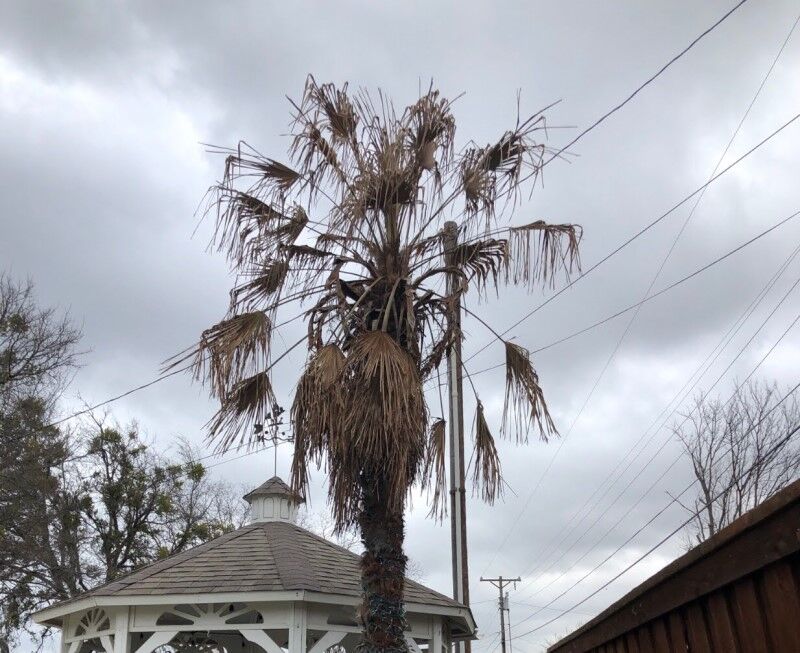
Cold temperatures can harm the health of palm trees. Some palms may survive light cold, but hard freezes can cause damage. Let’s look at how cold harms palm trees and the signs to watch for.
How Cold Damages Palms
Cold weather damages palms by freezing their cells. Ice crystals form inside the leaves and trunk. This breaks the cells and stops water flow. The damage can be minor or severe.
- Leaf damage: Leaves turn brown and die.
- Trunk cracks: Freezing can cause splits in the trunk.
- Root harm: Cold soil can kill roots.
- Growth stops: Cold slows or stops new growth.
- Death: Severe cold can kill the whole tree.
Signs Of Cold Stress
Palm trees show signs when cold harms them. Early detection helps in saving the tree. Look for these common signs of cold stress.
| Sign | Description |
| Brown leaves | Leaves turn brown or black at the tips or edges. |
| Wilted fronds | Leaves look limp or droopy. |
| Trunk discoloration | The trunk shows dark or sunken spots. |
| Slow growth | New shoots take longer to appear or are smaller. |
| Leaf drop | Palm sheds many leaves suddenly. |

Credit: texastreesurgeons.com
Palm Species That Tolerate Cold
Palm trees are often seen in warm places. Some palms can live in cold weather too. These palms are special because they survive frost and snow.
Knowing which palm types handle cold helps you pick the right tree. This guide shows hardy palm varieties and their temperature limits.
Hardy Palm Varieties
Some palms stand out for their cold tolerance. They can grow in places with cold winters. Here are a few types that do well in chilly climates.
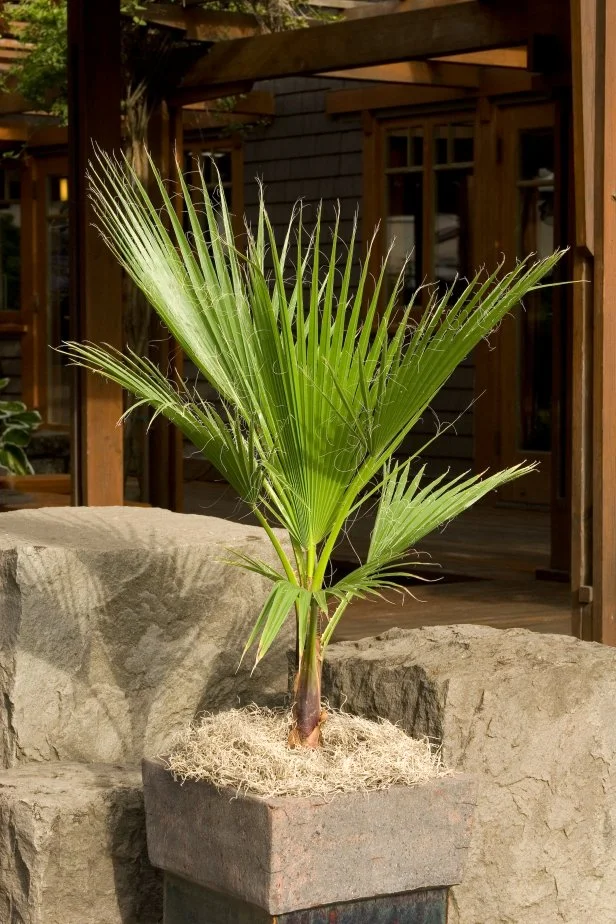
- Windmill Palm (Trachycarpus fortunei): Grows well in zones 7-10. It can handle short cold snaps down to 5°F (-15°C).
- Needle Palm (Rhapidophyllum hystrix): One of the toughest palms. Survives temperatures as low as -5°F (-20°C).
- European Fan Palm (Chamaerops humilis): Tolerates cold down to 10°F (-12°C). It is a slow grower but very hardy.
- Sabals (Sabal palmetto and Sabal minor): These palms can survive near 0°F (-18°C). They handle frost and snow well.
Temperature Thresholds
| Palm Species | Lowest Temperature Tolerated | USDA Hardiness Zones |
| Windmill Palm | 5°F (-15°C) | 7–10 |
| Needle Palm | -5°F (-20°C) | 6–9 |
| European Fan Palm | 10°F (-12°C) | 8–11 |
| Sabal Palmetto | 0°F (-18°C) | 8–11 |
| Sabal Minor | 0°F (-18°C) | 7–10 |
Preparing Palms For Winter
Palm trees usually grow in warm climates. Cold weather can harm them. Preparing your palm tree helps it survive winter.
Taking simple steps can protect palms from frost and freezing. Start early before cold weather arrives.
Site Selection And Shelter
Choosing the right place for your palm helps it stay safe in cold weather. Pick a spot that gets sun and is shielded from strong winds.
Building a shelter or windbreak protects palms from frost. Use materials like burlap or frost cloth to cover the tree at night.
- Plant palms near walls or fences for extra warmth
- Avoid low spots where cold air collects
- Use temporary covers during freezing nights
- Remove covers during the day to prevent overheating
Soil And Mulching Tips
Good soil helps palm roots stay healthy in cold weather. Make sure soil drains well to avoid water buildup.
Mulching keeps soil warm and moist. Use organic mulch like straw or wood chips around the base of the palm.
- Apply 2-4 inches of mulch around the trunk
- Keep mulch a few inches away from the trunk base
- Water palms before the first frost to keep roots hydrated
- Remove mulch in spring to prevent rot
Credit: www.hgtv.com
Protecting Palms During Frost
Palm trees can suffer damage in cold weather. Frost can harm their leaves and trunks. Protecting palms helps them survive winter.
Using simple techniques keeps palms safe from frost. Covering and warming palms are key steps.
Wrapping And Insulation Methods
Wrap palms with cloth or frost blankets to keep cold air out. Avoid plastic because it traps moisture and can harm the tree.
Use natural materials like burlap or old sheets. Wrap the trunk and leaves gently but fully to protect from frost.
- Start wrapping before sunset on cold nights
- Secure coverings with twine or ties
- Remove wraps during the day to allow air flow
- Use mulch around the palm base to keep roots warm
Using Heat Sources Safely
Heat lamps or string lights can warm palms during frost. Use low-heat bulbs to avoid burning leaves.
Place heat sources carefully to prevent fire risks. Keep cords dry and away from leaves. Turn off lights during the day.
- Use outdoor-rated lights or lamps
- Keep heat at a safe distance from the palm
- Check heat devices regularly for safety
- Do not leave heat sources on all night
Post-cold Weather Care
After cold weather, palm trees need special care to recover. Cold can harm their leaves and roots.
Proper care helps palms stay healthy and grow well again.
Pruning Damaged Fronds
Remove fronds that show signs of cold damage. Dead or brown fronds can drain energy from the tree.
- Use clean, sharp tools to cut fronds near the base.
- Cut only fully damaged fronds; leave healthy green ones.
- Wear gloves to protect your hands from sharp edges.
- Dispose of cut fronds to avoid pests and diseases.
Hydration And Fertilizing
Palm trees need water and nutrients to recover after cold spells. Proper hydration helps roots heal.
| Care Task | Details |
| Watering | Water deeply once a week if there is no rain. |
| Fertilizing | Apply a balanced palm fertilizer with micronutrients in early spring. |
| Soil Check | Ensure soil drains well to avoid root rot. |
Credit: blog.davey.com
Common Mistakes To Avoid
Growing palm trees in cold weather needs careful care. Many people make simple mistakes that harm the tree. Avoiding these errors helps the palm survive and stay healthy.
This guide covers two common mistakes: overwatering in cold and ignoring early signs of damage. Learn what to watch out for to protect your palm tree.
Overwatering In Cold
Watering palm trees too much during cold weather can cause root problems. Cold soil holds water longer. Too much water can lead to root rot and kill the tree.
- Check soil moisture before watering.
- Water only when the top few inches are dry.
- Avoid watering if temperatures are below 50°F (10°C).
- Use well-draining soil to prevent water buildup.
- Reduce watering frequency in the cold season.
Ignoring Early Signs Of Damage
Early damage signs show the palm is stressed by cold. Ignoring these signs can lead to serious harm. Watch for changes and act fast.
| Sign | What It Means | Action to Take |
| Browning leaf tips | Cold burn | Protect with frost cloth |
| Wilted leaves | Root stress | Check soil moisture |
| Black spots on leaves | Fungal infection | Trim affected leaves |
| Soft trunk base | Rot starting | Reduce watering |
Frequently Asked Questions
Can Palm Trees Survive Freezing Temperatures?
Most palm trees cannot survive freezing temperatures below 32°F. Some cold-hardy species tolerate brief frost but prolonged freezes cause damage or death.
What Palm Tree Species Tolerate Cold Weather?
Cold-hardy species include Windmill palm, Needle palm, and Sabal palm. These palms endure temperatures down to 5°F with proper care.
How To Protect Palm Trees From Cold Weather?
Cover palms with frost cloths or blankets during cold snaps. Mulch the base to insulate roots and avoid watering in freezing conditions.
Do Palm Trees Go Dormant In Cold Weather?
Yes, palm trees enter a semi-dormant state in cold weather. Growth slows, conserving energy until warmer temperatures return.
Conclusion
Palm trees can survive cold weather with care and the right conditions. Choosing cold-hardy varieties helps them live through frost and light freezes. Protecting young palms from harsh winds and freezing temperatures is important. Mulching the soil keeps roots warmer during cold nights.
While they prefer warm climates, some palms adapt well to chillier zones. Growing palms in colder areas takes patience and effort. But with proper care, these tropical plants can add beauty even in cooler places. So, don’t rule out palms just because of cold weather.
They might surprise you.