How Did Early Humans Survive Hurricanes: Ancient Survival Secrets Revealed
Imagine facing the sheer power of a hurricane without the modern comforts and warnings we rely on today. Picture yourself in a world where the sky suddenly darkens, winds begin to howl, and the earth seems to tremble.
How did early humans, with nothing but their instincts and primitive tools, manage to withstand such a force of nature? This is a puzzle that sparks curiosity and awe. You’re about to uncover the clever and resilient strategies our ancestors used to survive these formidable storms.
By understanding their methods, you might gain a new appreciation for human ingenuity and the survival instincts that have been passed down to you. Dive into the fascinating ways early humans adapted to and endured the fury of hurricanes, and discover the lessons that still hold value today.
Early Human Habitats
Early humans faced many dangers from nature. Hurricanes were one of the biggest threats. Their homes had to protect them from strong winds and heavy rains.
People lived in different places, from coasts to inland areas. Their choice of habitat helped them survive storms and other challenges.
Coastal And Inland Settlements
Early humans settled near water for food and travel. Coastal areas gave access to fish and shellfish. Inland places offered fresh water and game animals.
- Coastal settlements were often on higher ground to avoid floods.
- Inland groups built homes near rivers but away from flood plains.
- People used natural materials like wood and stone for strong shelters.
- Villages were small and easy to move if storms damaged homes.
Natural Shelters And Terrain
Early humans used caves, rock shelters, and dense forests for shelter. These places offered protection from wind and rain during storms.
| Type of Shelter | Benefits | Location |
| Caves | Strong roof and walls | Mountain and rocky areas |
| Rock Shelters | Protected from rain and wind | Cliff edges and hillsides |
| Forests | Dense trees block wind | Near rivers and valleys |
| Grass and Leaf Huts | Easy to rebuild | Open plains and near water |

Credit: www.discovermagazine.com
Recognizing Storm Signs
Early humans had to watch the sky and nature closely. They learned to recognize signs that a storm was coming. This helped them stay safe during hurricanes.
By paying attention to changes around them, they could prepare for strong winds and heavy rain. Knowing the signs was very important for survival.
Animal Behavior Patterns
Animals often act differently before a storm. Early humans noticed these changes and used them as warnings.
Birds might fly to safe places, and some animals become restless or hide. These behaviors told humans that danger was near.
- Birds stop singing and fly away
- Dogs and other animals bark or act nervous
- Fish swim deeper into water
- Insects change their usual patterns
Weather Changes And Indicators
Early humans watched the sky and felt changes in the air. These signs helped them predict storms.
They noticed dark clouds, sudden drops in temperature, and shifts in wind direction. These clues warned them of approaching hurricanes.
- Dark, heavy clouds gather quickly
- Wind changes direction or speed
- Air feels cooler or heavier
- Sudden drops in pressure cause ear popping
Primitive Shelter Techniques
Early humans faced many challenges during hurricanes. They needed strong shelters to stay safe. They used simple but smart ways to build homes.
These shelters had to protect them from strong winds and heavy rain. They learned to use natural materials around them to build durable structures.
Building Durable Structures
Early humans built homes with strong frames to stand against storms. They used thick branches and trunks to create a solid base. These frames helped the shelter resist strong winds.
They also made walls tight by weaving smaller sticks and leaves. This stopped the wind from entering. Some shelters were low to the ground to avoid wind damage.
- Use thick wood for the main frame
- Weave smaller branches to fill gaps
- Keep shelters close to the ground
- Shape roofs to let wind pass easily
Utilizing Natural Materials
Early humans used materials from their environment to build shelters. They chose strong and flexible plants, bark, and stones. These materials helped make homes sturdy and waterproof.
They also used mud and clay to seal holes and keep out water. Leaves and grass made soft, dry roofs that shed rain quickly. Using what nature gave them helped early humans survive harsh weather.
- Strong branches and trunks for frames
- Bark and leaves for walls and roofs
- Mud and clay to fill holes
- Grass and leaves for waterproof roofs
Food And Water Strategies
Early humans faced many dangers from hurricanes. They had to find ways to keep food and water safe. These strategies helped them survive harsh weather.
They planned ahead to secure supplies. They also saved resources during storms to avoid running out.
Securing Supplies Before Storms
Early humans collected extra food and water before storms came. They knew the weather patterns from experience.
They stored food in safe places to keep it dry and away from animals. Water was collected from rivers and rain.
- Gather fruits, nuts, and edible plants
- Hunt animals and store meat in cool places
- Collect and store fresh water in containers
- Choose high ground to keep supplies safe
Preserving Resources During Storms
During storms, early humans used their supplies carefully. They ate and drank slowly to make resources last.
They avoided wasting food or water. They stayed in shelters to protect supplies from rain and wind.
- Ration food and water each day
- Keep food in covered containers
- Use stored water for drinking only
- Stay inside to avoid losing supplies
Community And Cooperation
Early humans faced many dangers from nature. Hurricanes were one of the hardest storms to survive. They used community and cooperation to stay safe.
Working together helped them protect each other. They shared resources and knowledge. This teamwork increased their chances of survival.
Group Survival Tactics
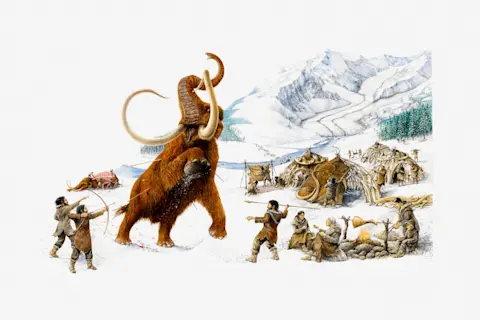
Early humans stayed close in groups during storms. They built shelters together and helped carry food and water. Everyone had a role to keep the group safe.
- Gather wood and leaves for strong shelters
- Look out for each other during the storm
- Protect children and elders first
- Share food and water equally
- Use signals to communicate danger
Sharing Knowledge And Roles
People taught each other how to prepare for hurricanes. They passed down tips on finding safe places and storing food. Each person had a job to help the group survive.
| Role | Responsibility |
| Leader | Made decisions and kept order |
| Gatherer | Collected food and water |
| Builder | Constructed shelters |
| Lookout | Watched for danger and signaled |
| Healer | Took care of sick or hurt people |
Credit: www.discovermagazine.com
Post-storm Recovery
Early humans faced many challenges after hurricanes. They had to find ways to recover and stay safe. This helped their communities survive harsh weather.
Recovering after a storm meant checking their homes and resources. They also needed to decide if moving was necessary for safety.
Assessing Damage And Safety
After a storm, early humans checked their shelters for damage. They looked for broken walls or fallen trees. This helped them know if it was safe to stay.
They also watched for new dangers like floods or wild animals. Safety was the top priority before doing any repairs or gathering food.
- Inspect shelter for cracks or holes
- Check for water or fire hazards
- Look out for dangerous animals
- Stay away from unstable trees or rocks
Rebuilding And Relocating
Early humans repaired homes using natural materials like branches and leaves. They worked together to rebuild quickly. This helped protect them from future storms.
Sometimes, they moved to safer places. If the area was too damaged or often hit by storms, relocating was better. New locations offered more protection and resources.
- Use wood and leaves to fix shelters
- Work in groups to rebuild faster
- Move to higher ground if floods happen
- Choose places with good food and water
Lessons For Modern Survival
Early humans faced strong storms like hurricanes without modern tools. They used smart ways to stay safe. We can learn from their experience to prepare better today.
Understanding how they survived helps us build better shelters and plan for emergencies. Their knowledge is useful even now.
Ancient Wisdom In Today’s World
Early humans watched nature closely to predict storms. They noticed changes in wind, clouds, and animal behavior. This helped them prepare before the hurricane hit.
Today, we use technology for weather forecasts, but watching nature remains important. It gives extra time to act and stay safe.
- Animals often sense storms early and hide
- Dark clouds and strong winds signal danger
- Changes in air pressure can warn of storms
Incorporating Traditional Methods
Early humans built shelters using local materials that could resist strong winds and rain. They often chose higher ground to avoid flooding. These ideas still work well today.
Using natural resources and smart location choices helps reduce damage during hurricanes. Communities can combine old methods with modern tools for better safety.
- Build homes with strong wood, stone, or earth
- Place shelters on hills or raised areas
- Use plants and trees as windbreaks
- Store food and water safely in secure places

Credit: www.galvestonhistory.org
Frequently Asked Questions
How Did Early Humans Predict Hurricanes?
Early humans observed natural signs like wind patterns and animal behavior. These signs helped them anticipate storms and seek shelter in time.
What Shelters Did Early Humans Use During Hurricanes?
They used natural shelters like caves, dense forests, or dugouts. These provided protection from strong winds and flooding during hurricanes.
How Did Early Humans Find Food After Hurricanes?
They gathered remaining edible plants and hunted animals that survived. They adapted quickly to changing environments to sustain themselves post-storm.
Did Early Humans Migrate To Avoid Hurricanes?
Yes, early humans often moved to safer areas during hurricane seasons. Migration helped them reduce risks and find more stable living conditions.
Conclusion
Early humans faced hurricanes with sharp instincts and strong teamwork. They found shelter quickly and stayed safe during storms. Their knowledge of nature helped them predict weather changes. They used simple tools and built strong homes. Communities worked together to survive tough times.
These skills passed down through generations kept them alive. Their resilience shows how people adapt to nature’s challenges. Understanding their survival helps us learn from the past. It reminds us that strength comes from unity and wisdom. Early humans teach us to respect nature and stay prepared.