Can Worms Survive in a Wormery in Cold Weather? Expert Tips
Imagine it’s a chilly winter morning. You’re wrapped up in a cozy blanket, sipping on a warm cup of tea.
As you gaze out the window, the frost patterns on the glass remind you of something important: your wormery. You might wonder, can those hardworking worms survive the cold weather? The thought may leave you a bit anxious, and that’s perfectly natural.
After all, your wormery is not just a compost bin; it’s a vibrant ecosystem that you’ve nurtured with care. We’ll delve into the fascinating world of worms and cold weather. You’ll discover practical tips on how to keep your wormery thriving when temperatures drop. Let us put your mind at ease and equip you with everything you need to ensure your worms stay happy and healthy, no matter how frosty it gets outside. Stay with us as we unravel the secrets to successful wormery care in the cold.

Credit: wormsdownunder.com
Worms And Cold Weather
Worms are important for composting in wormeries. Cold weather can affect their survival. Understanding how worms react to cold helps keep them healthy.
In colder months, worm activity slows down. Some worm species handle cold better than others. Choosing the right worms is key for winter wormeries.
Worm Species Suited For Cold
Some worm species survive cold weather better. These worms stay active in lower temperatures. They can keep your wormery working through winter.
- Red Wigglers (Eisenia fetida) – tolerate mild cold but slow down below 10°C
- European Nightcrawlers (Eisenia hortensis) – better cold tolerance than red wigglers
- Blue Worms (Perionyx excavatus) – prefer warmer climates, less suited for cold
- Canadian Nightcrawlers (Lumbricus terrestris) – survive cold soil well but need deep bedding
How Temperature Affects Worm Activity
Temperature changes affect worm metabolism and movement. Cold slows their digestion and reproduction. Extreme cold can cause worms to enter dormancy.
| Temperature (°C) | Worm Activity Level | Notes |
| Above 20 | High | Optimal activity and reproduction |
| 10 to 20 | Moderate | Slower movement and feeding |
| 5 to 10 | Low | Reduced digestion, minimal reproduction |
| Below 5 | Very Low or Dormant | Worms may hibernate to survive cold |

Credit: www.wigglywigglers.co.uk
Wormery Basics In Winter
Worms can survive cold weather in a wormery if cared for properly. Winter needs extra attention to keep worms healthy.
Keeping the wormery warm and dry helps worms stay active. Knowing how to protect the wormery is important.
Insulation Techniques
Insulating the wormery keeps it warmer during cold days. You can use materials that trap heat around the wormery.
Some good insulation options include straw, bubble wrap, and old blankets. These help block cold air and keep moisture in.
- Wrap the wormery with bubble wrap for a warm barrier
- Cover the top with straw or dry leaves
- Place old blankets or towels around the sides
- Avoid plastic covers that trap too much moisture
Ideal Location For A Wormery
Choose a spot that stays cool but not freezing. The wormery should avoid strong winds and heavy rain.
Good places include a garage, shed, or under a covered porch. These spots help keep the wormery dry and shielded from cold.
- Place wormery in a sheltered area with some sunlight
- Avoid direct contact with frozen ground
- Keep it off the floor using pallets or bricks
- Check the location often to ensure it stays dry
Maintaining Worm Health
Worms can live in a wormery even during cold weather. Keeping them healthy requires care and attention. Proper feeding and environment control help worms stay active.
Cold months bring challenges like slower digestion and less movement. You must adjust how you care for worms to keep them safe and well.
Feeding Tips During Cold Months
Feed worms smaller amounts of food in cold weather. They eat less because their metabolism slows down. Avoid adding too much food to stop rotting.
Use softer, easy-to-digest scraps like vegetable peels and fruit waste. Avoid meat or dairy, which can attract pests and cause odors.
- Feed smaller portions to prevent waste
- Use mostly fruit and vegetable scraps
- Remove uneaten food after a few days
- Do not feed meat or dairy products
Monitoring Moisture And Airflow
Keep the wormery moist but not wet. Worms need damp bedding to breathe and move. Too much water can drown them or cause mold.
Good airflow is important to stop bad smells and keep worms healthy. Avoid sealing the wormery tightly. Check air holes regularly and clear any blockages.
- Check bedding moisture weekly
- Add dry materials if bedding is too wet
- Ensure wormery has air holes
- Clear air holes if blocked by bedding

Credit: www.reddit.com
Preventing Wormery Freezing
Cold weather can harm worms in a wormery. Freezing temperatures slow their activity and can kill them. Protecting your wormery from the cold is important to keep worms alive.
There are simple ways to stop your wormery from freezing. Using heat sources and covering the wormery help keep the temperature steady. These methods create a safe home for your worms during winter.
Using Heat Sources Safely
Heat sources can stop your wormery from freezing. Use them carefully to avoid burning the worms or causing fire risks. Low-watt heat pads or cables work well. Place them under or around the wormery.
Never put heat sources inside the wormery. Check heat sources often to keep the temperature safe. Worms like temperatures between 55°F and 77°F (13°C to 25°C).
- Use low-watt heat pads designed for plants or pets
- Place heat sources under the wormery, not inside
- Monitor temperature with a thermometer
- Avoid direct contact with heat sources to prevent burns
- Unplug heat sources when not needed or when temperatures rise
Covering And Wrapping Options
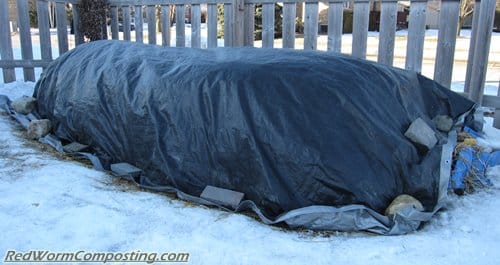
Covering your wormery helps trap heat inside. Use insulating materials to keep cold air out. Wrap the wormery with thick blankets or bubble wrap. Make sure air can still flow to avoid mold.
Raising the wormery off cold floors also helps. Place it on wooden pallets or bricks. Cover the top with a lid or board to keep warmth in and rain out.
- Wrap wormery in bubble wrap or thick blankets
- Use old towels or straw as extra insulation around the sides
- Elevate wormery on pallets or bricks to avoid cold ground
- Cover the top tightly but allow some ventilation
- Check insulation regularly for moisture build-up
Troubleshooting Common Issues
Worms in a wormery can face problems during cold weather. It is important to spot signs of stress early. Knowing how to revive dormant worms helps keep the wormery healthy.
This guide covers common signs of worm stress and ways to bring worms back to life after cold spells.
Signs Of Worm Stress
Worms under stress show clear signs. Watch for changes in their behavior or appearance. These signs help you act fast to save them.
- Worms stay on the surface, avoiding the bedding
- Slow or no movement for long periods
- Worms look pale or dry instead of moist and pink
- Unpleasant smells from the wormery
- Reduced worm castings or compost breakdown
Reviving Dormant Worms
Dormant worms appear lifeless but can recover with care. Use gentle methods to warm and feed them.
| Action | How to Do It |
| Warm the wormery | Move it indoors or wrap with insulation |
| Check moisture | Add damp bedding if dry |
| Feed lightly | Offer small amounts of fresh vegetable scraps |
| Avoid disturbance | Keep the wormery still to reduce stress |
| Monitor temperature | Keep between 10°C and 25°C for best recovery |
Frequently Asked Questions
Can Worms Survive Freezing Temperatures In A Wormery?
Worms cannot survive freezing temperatures. Cold weather slows their metabolism and can cause death if the wormery is not insulated or moved indoors.
How To Protect Worms In A Wormery During Winter?
Insulate the wormery with straw or fleece. Keep it in a sheltered spot, and avoid waterlogging to protect worms from cold damage.
Do Worms Hibernate In Cold Weather?
Worms enter a dormant state in cold weather, reducing activity. They survive by burrowing deeper where temperatures are more stable.
What Temperature Range Is Safe For Worm Survival?
Worms thrive between 55°F and 77°F. Temperatures below 40°F or above 85°F can harm or kill them.
Conclusion
Worms can survive cold weather in a wormery with care. Keep the wormery insulated and dry to protect them. Avoid letting the temperature drop too low. Adding bedding materials helps keep warmth inside. Check on your worms often during winter months.
Healthy worms continue to break down food and soil. With simple steps, your wormery can thrive in cold weather. Caring for worms in winter is possible and rewarding.