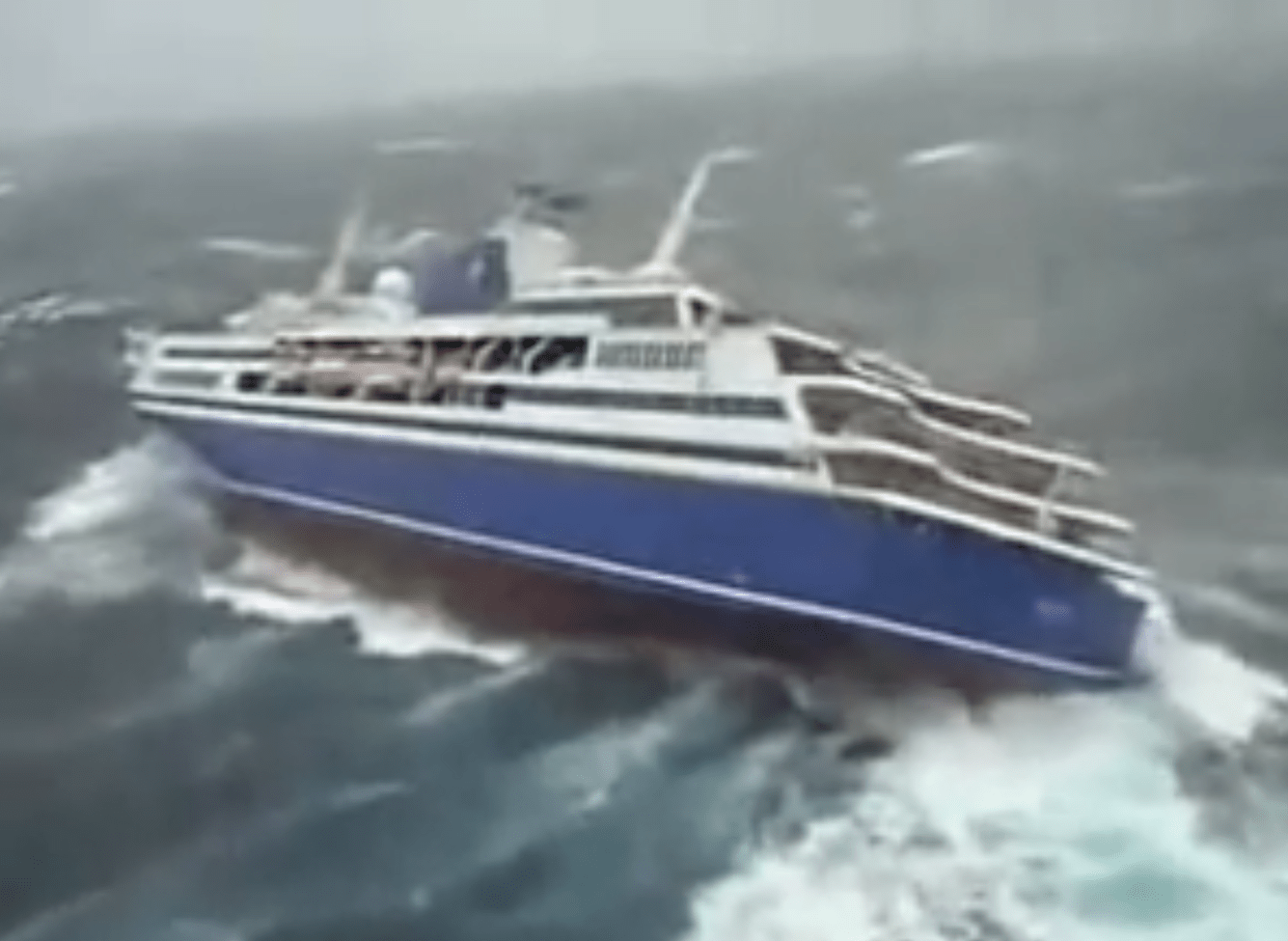
Can Cruise Ships Survive Hurricanes: Shocking Truth Revealed
Ever wondered how those massive cruise ships manage to brave the fury of hurricanes? You book your dream vacation, and the last thing you want is for nature’s wrath to disrupt your plans.
Imagine the vast ocean, the thrill of adventure, but also the looming threat of a storm. How do these floating cities withstand such powerful forces? Your curiosity is piqued, and so is your concern for safety. This article will guide you through the incredible technology and strategies cruise ships use to navigate through or around these formidable storms.
Get ready to discover the fascinating world of cruise ship resilience, and feel reassured about your next seafaring adventure. Keep reading, and you’ll be amazed at how the cruise industry keeps you safe, even when Mother Nature is at her fiercest.
Cruise Ship Design And Safety
Cruise ships face harsh weather like hurricanes at sea. Their design helps them stay safe.
Strong structures and smart systems protect passengers and crew during storms.
Hull Strength And Stability
The hull is the outer shell of the ship. It must be strong to resist heavy waves.
Ships use special materials to stay stable and avoid tipping over in rough seas.
- Thick steel plates form a tough hull
- Weight balance helps keep the ship steady
- Ballast tanks adjust to improve stability
Advanced Navigation Systems
Navigation tools guide ships safely through bad weather. They help avoid danger zones.
Modern ships use GPS and radar to track their position and nearby obstacles.
- GPS shows exact ship location
- Radar detects other ships and land
- Automatic course adjustments improve safety
Weather Monitoring Technologies
Cruise ships have systems that monitor weather in real time. This helps crews plan routes.
These tools warn about hurricanes early so ships can steer clear of storms.
- Satellite data shows storm locations
- Onboard sensors track wind and waves
- Weather forecasts guide safe sailing decisions

Credit: thevuccilawgroup.com
Hurricane Patterns And Risks At Sea
Cruise ships face challenges from hurricanes during certain times of the year. Understanding hurricane patterns helps in planning safe routes.
This article looks at when hurricanes happen, where they usually travel, and how they affect cruise paths.
Seasonal Hurricane Activity
Hurricane season in the Atlantic runs from June to November. The peak months are August, September, and October.
- June and July have fewer storms.
- August to October has the most activity.
- November sees a quick end to the season.
Typical Hurricane Paths
Hurricanes often start near the west coast of Africa or the Caribbean Sea. They then move west or northwest across the Atlantic.
| Region | Common Path | Risk to Cruises |
| Caribbean | Westward into Gulf of Mexico | High |
| Atlantic Ocean | Northwest toward U.S. East Coast | Medium |
| Gulf of Mexico | North or northeast toward U.S. | High |
Impact On Cruise Routes
Cruise lines change routes to avoid storms. Safety is the top priority for ships and passengers.
- Cruises may delay start dates during peak hurricane months.
- Ships often sail to safer waters far from storms.
- Ports in storm paths may close temporarily.
- Passengers get updates about weather changes on board.
Crew Training And Emergency Protocols
Cruise ships face many challenges during hurricanes. The crew must be ready to keep everyone safe. Training and clear protocols help the crew act fast and smart.
Strong preparation reduces risks. The crew learns how to handle storms and protect passengers. This training is updated often for new safety rules.
Storm Preparedness Drills
The crew practices drills to prepare for hurricanes. These drills teach them how to secure the ship and help passengers. They run drills regularly to stay sharp.
Drills include checking safety gear, closing doors, and managing supplies. The crew also trains on how to respond if the ship faces rough seas.
- Securing all loose items on the ship
- Checking and testing emergency equipment
- Practicing evacuation steps and routes
- Coordinating team roles during storms
Passenger Safety Measures
Passengers get clear instructions during storms. The crew guides them to safe areas and explains what to do. Safety gear like life jackets is easy to find.
Passengers are asked to stay calm and follow crew directions. The ship has special rooms designed to protect people during strong winds and waves.
- Providing life jackets and safety instructions
- Directing passengers to safe shelters
- Limiting movement to prevent accidents
- Offering medical help if needed
Communication During Emergencies
The crew uses radios and loudspeakers to share information quickly. Keeping passengers informed helps reduce panic. The captain updates the crew on the storm’s path.
Communication with rescue teams on land is also vital. The ship sends regular reports about its status. This helps coordinate help if needed.
- Using radios to talk between crew members
- Making announcements to passengers
- Contacting coast guard and rescue teams
- Sharing updates on the storm’s progress

Credit: www.youtube.com
Real-life Hurricane Encounters
Cruise ships face tough challenges when hurricanes form in their path. These giant ships must protect passengers and crew during storms. Real events show how cruise lines prepare and react.
Many cruise ships have sailed near or through hurricanes. Their stories teach us about safety and storm survival at sea.
Notable Cruise Ship Experiences
One famous case is the Carnival Triumph in 2013. The ship lost power after a fire during rough seas caused by a storm. Passengers stayed calm but faced tough conditions on board.
The Norwegian Escape sailed near Hurricane Irma in 2017. The crew changed course and speed to avoid the storm’s center. This helped keep everyone safe and minimize damage.
- MSC Meraviglia faced Hurricane Dorian in 2019. It rerouted to avoid the worst parts.
- The Royal Caribbean Oasis of the Seas changed its path during Hurricane Matthew in 2016.
- Many ships use advanced weather tracking to make safe decisions.
Lessons Learned From Past Storms
Cruise lines learned to act early when storms approach. Changing routes and delaying departures reduces risks. Ships avoid the strongest hurricane winds and waves.
Power and engine backups are vital. After the Carnival Triumph fire, many ships improved their safety systems. Communication with passengers and crew is also a top priority.
- Use weather forecasts to reroute ships well before storms.
- Train crew for emergency situations during hurricanes.
- Keep passengers informed with clear updates.
- Ensure backup power and safety systems work perfectly.
Limitations And Risks For Cruise Ships
Cruise ships face many problems during hurricanes. These storms bring strong winds and huge waves. Ships try to avoid hurricanes to keep passengers safe.
Even with careful planning, cruise ships have limits. Some risks cannot be fully controlled. It is important to know these dangers.
Structural Challenges
Cruise ships are large but not built to fight hurricanes. Strong winds can damage the ship’s exterior. Huge waves can rock the ship dangerously.
Ships have watertight doors and strong hulls. These help in storms but are not enough for a hurricane’s full force. Heavy storms may cause leaks or structural damage.
- High winds strain the ship’s superstructure
- Waves can break windows and flood decks
- Strong currents may affect ship stability
Evacuation Difficulties
Evacuating many passengers during a hurricane is very hard. Rough seas make it risky to launch lifeboats. Strong winds can blow rescue boats off course.
It takes time to move people safely. Panic and confusion increase dangers. Cruise ships must plan evacuation carefully but still face big challenges.
- Launching lifeboats is risky in rough water
- Evacuation routes may be blocked or damaged
- Weather can delay rescue operations
Environmental Hazards
Hurricanes cause many environmental problems for cruise ships. Heavy rain and flooding can affect ship systems. Lightning can damage electronics and navigation tools.
Storm debris and floating objects may hit the ship. Pollution risks rise if fuel tanks leak. These hazards threaten both the ship and the ocean environment.
- Flooding can damage engine rooms and controls
- Lightning may disrupt communication systems
- Debris can cause hull damage or block propellers
- Fuel leaks can pollute the sea

Credit: www.youtube.com
Future Innovations For Hurricane Safety
Cruise ships face many dangers during hurricanes. New ideas help keep ships and passengers safe.
Future technology and rules aim to reduce risks from strong storms at sea.
Improved Ship Designs
Ship builders are creating stronger hulls to resist high winds and waves. They use new materials to make ships tougher.
Designs include better shapes to improve stability and lower the chance of capsizing.
- Stronger steel and composites for hulls
- Rounded edges to reduce wave impact
- Lower center of gravity for stability
- Water-tight compartments to prevent flooding
Enhanced Forecasting Tools
New technology improves weather forecasts with more accuracy and speed. This helps ships avoid hurricanes early.
Ships get real-time data from satellites and sensors to track storms closely.
- Advanced satellites for better storm tracking
- Onboard sensors to detect weather changes
- AI tools to predict storm paths
- Communication systems for fast alerts
Stricter Safety Regulations
New rules require ships to follow strict safety measures during hurricanes. These rules protect passengers and crew.
Authorities check that ships meet safety standards before allowing them to sail near storm areas.
- Mandatory evacuation plans for hurricanes
- Regular ship safety inspections
- Limits on sailing near hurricane zones
- Training for crew on emergency actions
Frequently Asked Questions
Can Cruise Ships Withstand Hurricane-force Winds?
Yes, cruise ships are engineered with strong hulls and stabilizers to handle high winds. They can endure hurricane-force winds but avoid direct paths for safety.
How Do Cruise Ships Avoid Hurricanes At Sea?
Cruise lines use advanced weather tracking and reroute ships to avoid hurricanes. Captains adjust course to steer clear of dangerous storm zones.
Are Passengers Safe On Cruise Ships During Hurricanes?
Passengers remain safe as ships are designed to withstand rough weather. Crew follow strict safety protocols and keep passengers informed throughout the storm.
What Happens If A Hurricane Hits A Cruise Ship?
Cruise ships seek shelter or change course to avoid impact. Onboard safety measures activate, ensuring stability and passenger security during turbulent conditions.
Conclusion
Cruise ships face big challenges during hurricanes. They use strong designs and smart routes to stay safe. Captains watch weather reports closely to avoid storms. Passengers can feel calm knowing crews prepare well. Still, nature is powerful and unpredictable. Ships cannot fully control the storm’s force.
Safety comes first on every cruise trip. Staying informed helps travelers make wise choices. This balance between risk and skill keeps cruising possible.