Can Cats Survive Overnight in Cold Weather? Essential Survival Tips
When the temperature drops, you might find yourself wondering about your feline friend: “Can cats survive overnight in cold weather?” It’s a question that tugs at your heartstrings, especially if your furry companion loves to explore the outdoors.
Picture this: a cold, starry night, and you’re snug inside, but where is your cat? Is it safe out there? You want to ensure their safety and comfort during those chilly nights. We’ll uncover the truth about your cat’s resilience against the cold.
You’ll learn practical tips and essential information to keep your beloved pet safe and warm. Stay with us as we dive into this vital topic—because your cat’s well-being is worth it.

Credit: www.reddit.com
Cats And Cold Weather Risks
Cats are often curious and may stay outside during cold nights. Cold weather can be dangerous for them. It is important to know the risks cats face in low temperatures.
Cold weather affects cats differently than humans. Their small size and thin fur make them vulnerable. Understanding these risks helps protect cats from harm.
How Cold Affects Cats
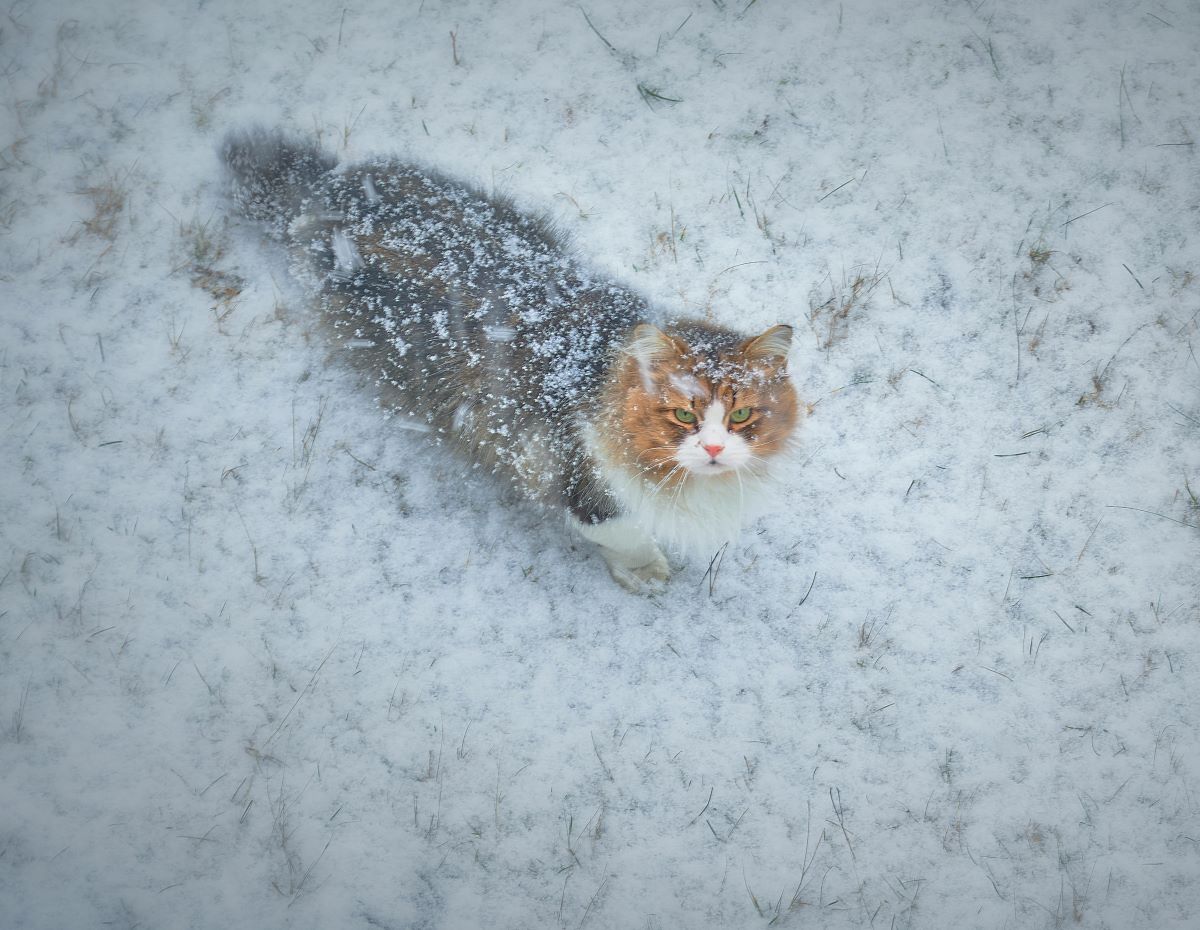
Cold weather lowers a cat’s body temperature quickly. Cats can get cold even if they have fur. Wet fur or wind makes them colder faster.
Cold slows down a cat’s movement and energy. It can weaken their immune system. This makes cats more likely to get sick or injured.
Signs Of Hypothermia
Hypothermia happens when a cat’s body temperature drops too low. It can be very serious and needs quick care. Cats may show clear signs when they have hypothermia.
Look for these signs in cold weather:
- Shivering or trembling
- Slow breathing and heart rate
- Weakness or lack of coordination
- Cold ears and paws
- Low energy or lethargy
Frostbite In Cats
Frostbite is damage to the skin and tissues from freezing. Cats’ ears, tail, and paws are most at risk. Frostbite can cause pain and serious injury.
Signs of frostbite include:
- Pale or gray skin
- Swelling and blisters
- Cold and hard areas on the skin
- Hair loss in affected spots
Credit: www.petscare.com
Natural Cat Adaptations
Cats have natural ways to handle cold weather. Their bodies help them stay warm during chilly nights. Understanding these adaptations shows how cats survive outdoors.
These adaptations include their fur, behavior, and shelter choices. Each plays a key role in protecting cats from cold temperatures.
Fur And Insulation
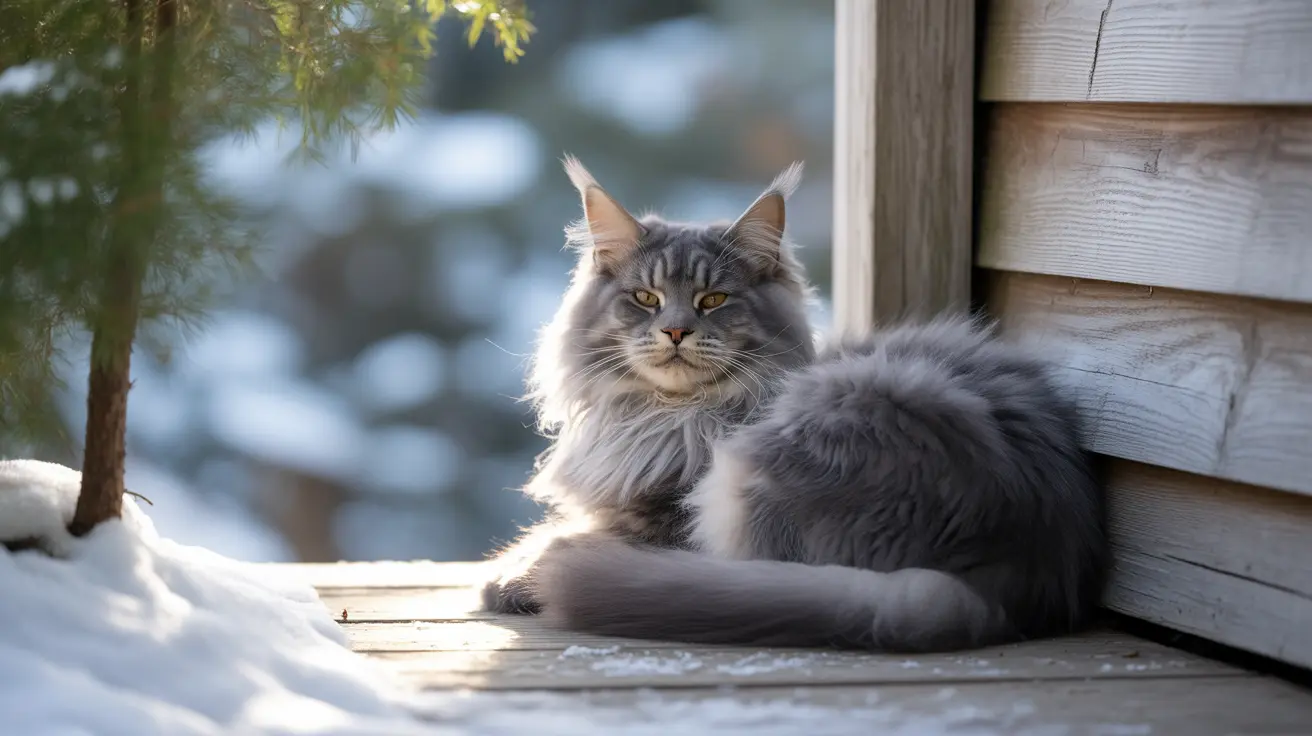
Cats have thick fur that works like a warm coat. Their fur traps air close to the skin, which keeps heat in and cold out. Some cats grow a denser winter coat to improve insulation.
- Double-layered fur in cold seasons
- Oily coat that repels water
- Whiskers that sense cold changes
- Fur color can affect heat absorption
Behavioral Adjustments
Cats change their habits to stay warm at night. They reduce movement to save energy and curl up tightly to keep heat close. Cats also increase eating to build body fat for warmth.
- Curl into a ball to reduce exposed surface area
- Stay inactive during the coldest hours
- Eat more to generate body heat
- Seek warmth from sunny spots during the day
Seeking Shelter
Cats look for safe places to hide from the cold. Shelters block wind and rain. They may use natural spots or human-made shelters like garages or sheds.
| Shelter Type | Protection Features |
|---|---|
| Tree hollows | Windproof, raised from ground |
| Thick bushes | Block wind, provide cover |
| Garages | Warm, dry, enclosed space |
| Cardboard boxes | Insulated with blankets or leaves |
Safe Shelter Options
Cats face many dangers in cold weather. Finding safe shelter helps them stay warm and healthy.
Understanding shelter choices can protect cats from harsh cold nights.
Indoor Vs Outdoor Risks
Indoor cats stay warm and safe from cold weather. They avoid frostbite and illness.
Outdoor cats risk hypothermia and freezing. They face dangers like predators and ice.
- Indoor shelter keeps cats dry and warm
- Outdoor cats need special protection to survive cold
- Cold can cause serious health problems in cats
Creating Warm Outdoor Shelters
Outdoor shelters must block wind and rain. Insulation keeps the inside warm.
Use materials like straw or blankets. Avoid hay, which holds moisture and chills cats.
- Choose a small, enclosed box or kennel
- Elevate shelter off the ground to avoid cold and wet
- Place shelter in a quiet, protected spot
- Use straw for bedding, not blankets or towels outside
Using Heated Pads And Blankets
Heated pads can keep cats warm overnight. Use pet-safe heating products only.
Electric blankets should be used with caution. Check for damage and follow instructions.
- Place heated pads inside shelters, not directly on floors
- Turn off heating devices during the day to save energy
- Regularly inspect heating tools for safety
- Always provide dry bedding alongside heated pads
Nutrition And Hydration Needs
Cats need special care to survive cold nights. Their nutrition and water intake must meet new demands. Cold weather changes how cats eat and drink.
Understanding these needs helps keep cats healthy and safe through the winter. Let’s explore how to support your cat’s nutrition and hydration.
Increased Caloric Requirements
Cold weather makes cats burn more energy to stay warm. They need more calories than usual. Without enough food, cats can lose weight fast.
- Feed more high-quality protein for muscle strength.
- Provide extra fats for energy and warmth.
- Increase meal frequency with smaller portions.
- Choose nutrient-rich foods to cover all needs.
Water Availability In Cold
Water is vital for cats, especially in cold weather. Snow or ice is not a good water source. Cats may drink less if water is too cold or frozen.
| Water Source | Suitability in Cold Weather |
| Fresh, room temperature water | Best choice, encourages drinking |
| Snow or ice | Not recommended, low water content |
| Frozen water bowls | Must be checked and refilled daily |
Feeding Tips For Winter
Adjusting feeding habits helps cats stay healthy and warm. Here are some tips to improve winter feeding routines.
- Serve meals in a warm, dry place to keep food fresh.
- Use heated bowls to prevent water from freezing.
- Offer wet food to increase water intake and warmth.
- Monitor your cat’s weight and adjust food amounts as needed.
- Keep feeding times consistent to reduce stress.
Emergency Care Steps
Cold weather can be dangerous for cats. If a cat spends a night outside in cold weather, it may need emergency care. Acting quickly can save a cat’s life.
Learn how to warm a cold cat safely, know when to get help, and prevent future risks.
Warming A Cold Cat Safely
Start warming the cat slowly. Sudden heat can cause shock. Use warm blankets or towels to wrap the cat gently.
A heating pad on low or a hot water bottle wrapped in cloth can help. Avoid direct heat on the skin. Keep the cat in a warm room.
- Wrap the cat in warm blankets or towels
- Use a heating pad on low or hot water bottle with cloth
- Keep the heat indirect to avoid burns
- Place the cat in a warm, dry room
When To Seek Veterinary Help
Call a vet if the cat is very weak or not waking up. If the cat’s body is stiff or breathing is slow, get help fast.
Also, take the cat to a vet if it has frostbite, pale gums, or is shivering badly. Early treatment can prevent serious problems.
- Cat is unresponsive or very weak
- Body is stiff or breathing is slow
- Signs of frostbite on ears, paws, or tail
- Pale or blue gums
- Severe shivering
Preventing Future Exposure
Keep cats indoors during cold weather. Provide warm bedding and shelter if they go outside.
Check your yard for safe hiding spots. Close any openings where cats might get stuck outside at night.
- Keep cats indoors during cold months
- Provide warm bedding and shelter outside
- Remove hazards and blocking areas outside
- Check on outdoor cats regularly

Credit: www.reddit.com
Helping Stray And Outdoor Cats
Many cats live outside and face cold weather at night. They need help to survive. People can make a difference by giving food and shelter.
Helping stray cats keeps them safe and healthy. It also helps communities reduce cat overpopulation.
Providing Shelter And Food
Stray cats need a warm place to stay during cold nights. Simple shelters keep them safe from wind and rain. Food helps them keep energy and stay healthy.
- Use insulated boxes or plastic bins as shelters
- Place dry bedding like straw inside shelters
- Offer dry and wet cat food daily
- Provide fresh water and check it often
Community Involvement
Communities can help stray cats by working together. Sharing resources and knowledge makes a bigger impact. Neighborhoods can create safe spaces and organize feeding times.
- Set up feeding stations in safe locations
- Hold meetings to discuss cat care
- Educate neighbors about helping stray cats
- Coordinate volunteers for shelter building
Trap-neuter-return Programs
Trap-Neuter-Return (TNR) programs help control stray cat populations. Cats are caught, neutered or spayed, and then returned safely. This stops new litters and reduces fighting.
| Benefit | Explanation |
| Population Control | Prevents more kittens being born |
| Health Improvement | Reduces diseases and injuries |
| Less Noise | Decreases fighting and loud mating calls |
| Better Community Relations | Reduces complaints about stray cats |
Frequently Asked Questions
Can Cats Survive Overnight In Cold Weather?
Cats can survive overnight in cold weather, but it depends on temperature and shelter. Prolonged exposure to freezing conditions can cause hypothermia or frostbite. Providing warm shelter or bringing cats indoors is essential for their safety in cold weather.
How Cold Is Too Cold For Outdoor Cats?
Temperatures below 45°F (7°C) can be dangerous for outdoor cats. Prolonged exposure increases risks of hypothermia and frostbite. Cats with thin fur or health issues are more vulnerable. Always provide warm shelter and monitor their condition during cold weather.
What Signs Show A Cat Is Too Cold Outside?
Shivering, lethargy, and weakness indicate a cat is too cold. Cats may also curl up tightly or seek warm places. Frostbite appears as pale or blue skin on ears, paws, or tail. Immediate warming and veterinary care are necessary in these cases.
How Can I Keep My Cat Warm Overnight Outdoors?
Provide insulated shelters with bedding to keep cats warm outdoors. Use straw or blankets and block wind drafts. Heated pads designed for pets can help. Always check shelters regularly and bring cats indoors during extreme cold.
Conclusion
Cats can struggle to survive cold nights without shelter. Their fur helps, but it is not enough. They need a warm, dry place to stay safe. Cold weather can cause serious health problems for cats. Providing food and water helps them stay strong.
Watch for signs of frostbite or hypothermia. Giving stray cats shelter can save their lives. Protecting cats during cold nights shows kindness and care. Keep your pets indoors when it gets very cold. Safe and warm cats are healthier and happier.