Do You Ticks Survive in Cold Weather: Shocking Truth Revealed
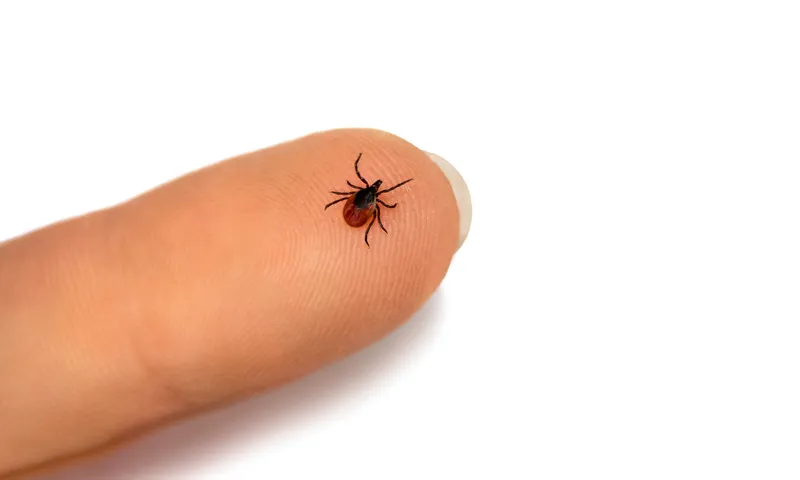
When the temperature drops and winter sets in, you might think you’re finally safe from pesky ticks. After all, these tiny bloodsuckers thrive in warm, humid environments, right?
But what if we told you that ticks have their own survival tricks up their sleeves even in cold weather? Understanding how ticks manage to endure the chill can help you stay protected year-round. You might be surprised at just how resourceful these little creatures are.
So, do ticks survive in cold weather? Let’s uncover the facts and ensure you’re not caught off guard when the frost bites. Prepare to have your assumptions challenged and your curiosity piqued as we explore the surprising resilience of ticks in the winter months.
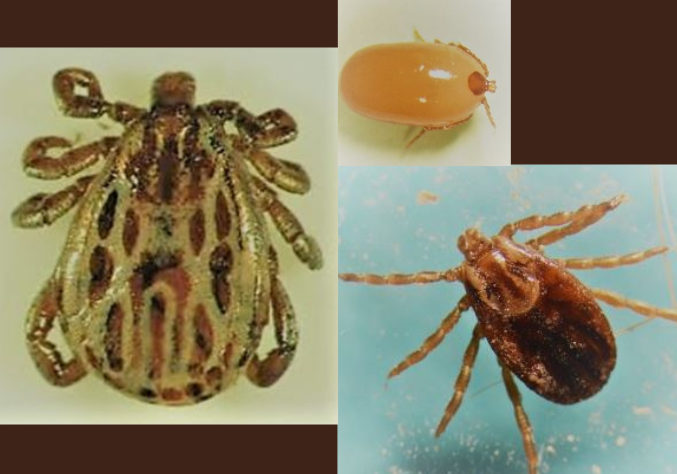
Credit: www.drovers.com
Tick Behavior In Winter
Ticks are tiny creatures that live in many places. Many people wonder if ticks can survive cold weather.
This article explains how ticks behave in winter and how they survive the cold months.
How Ticks Prepare For Cold
Ticks get ready for winter by finding safe spots. They hide under leaves or soil to stay warm. These spots help protect them from frost and wind.
- Ticks move to lower ground or leaf litter
- They slow down their activity before cold arrives
- Ticks avoid direct exposure to snow or ice
- They use natural shelters like logs or bushes
Dormancy And Survival Mechanisms
During winter, ticks enter a state called dormancy. They stop feeding and stay still to save energy. This helps them survive until spring.
| Survival Mechanism | Description |
| Dormancy | Ticks pause their activity and wait for warmer weather |
| Antifreeze Proteins | Some ticks produce proteins to prevent ice damage in their bodies |
| Finding Shelter | Ticks hide under leaves, soil, or bark to stay protected |
| Reduced Metabolism | Ticks lower their body functions to use less energy |

Credit: tickcontrol.com
Impact Of Cold On Tick Life Cycle
Ticks face many challenges during cold weather. Low temperatures affect their growth and survival. Understanding this helps us learn how ticks live and spread diseases.
Cold weather can slow down or stop some parts of the tick life cycle. Different stages react differently to the cold. Some survive better than others.
Eggs And Larvae In Low Temperatures
Tick eggs and larvae are very sensitive to cold. Eggs need a certain temperature to hatch. If it gets too cold, fewer eggs hatch. Larvae are also weak in freezing weather.
- Eggs may stop developing in cold temperatures.
- Larvae risk dying if they freeze or get too dry.
- Some tick species lay eggs in protected places to avoid cold.
- Survival rates drop sharply below freezing point.
Effect On Nymphs And Adults
Nymphs and adult ticks handle cold better than eggs and larvae. They can survive by hiding in leaf litter or soil. Their bodies slow down, saving energy until warm weather returns.
| Tick Stage | Cold Tolerance | Survival Strategy |
| Nymph | Moderate | Hides under leaves, reduces activity |
| Adult | High | Burrows in soil, enters dormancy |
Common Myths About Ticks And Cold
Many people think ticks cannot survive cold weather. This belief leads to wrong ideas about tick safety in winter. It is important to know what is true and what is not.
This article looks at common myths about ticks and cold weather. It explains how cold affects ticks and why risks remain.
Ticks Die Off Completely In Winter
Some believe all ticks die when winter comes. In truth, ticks have ways to survive cold months. They hide in leaf litter or soil to stay warm.
- Ticks enter a dormant state called diapause.
- They slow their metabolism to save energy.
- Snow and leaves can act as insulation.
- Some ticks survive even freezing temperatures.
Cold Weather Eliminates Tick Risks
It is false to think cold weather removes all tick dangers. Ticks can still be active during mild winter days. People should stay cautious year-round.
| Myth | Fact |
| Ticks die off completely in winter | Ticks survive in protected places and some stay active |
| Cold weather kills all ticks | Ticks enter dormancy but can live through cold periods |
| No ticks in winter means no risk | Ticks can bite during warm spells in winter |
Regions With Year-round Tick Activity
Ticks live in many parts of the world. Some areas have ticks active all year long. These regions usually have warmer weather.
Understanding where ticks survive helps you stay safe. This article explains how ticks survive in mild climates and cities.
Mild Climates And Tick Survival
Mild climates have cool winters and warm summers. Ticks in these areas can stay active during most of the year. They find shelter in leaves and tall grass.
- Ticks avoid freezing by hiding under snow or leaf litter.
- They slow down but do not die in cold spells.
- Humidity helps ticks survive during dry seasons.
- Animals like deer and rodents carry ticks all year.
Urban Areas And Microclimates
Cities have special microclimates that protect ticks. Buildings and pavement hold heat, making winter milder in some spots. Parks and gardens give ticks places to live.
| Urban Feature | Effect on Ticks |
| Buildings | Trap heat, raise temperature |
| Pavement | Absorbs sunlight, warms ground |
| Green spaces | Provide humidity and shelter |
| Storm drains | Offer moist hiding places |
Preventing Tick Bites During Cold Months
Ticks can survive in cold weather by hiding under leaves and snow. They stay inactive but ready to bite when it warms up.
Taking steps to prevent tick bites during cold months is important to avoid diseases they carry. Use simple habits to stay safe.
Protective Clothing Tips
Wearing the right clothes helps keep ticks off your skin. Cover your body well when you go outside in cold weather.
Choose light-colored clothes to spot ticks easier. Tuck pants into socks to block ticks from crawling up.
- Wear long sleeves and long pants
- Use light-colored clothing
- Tuck pants into boots or socks
- Wear closed shoes, not sandals
- Check clothes and skin often
Effective Tick Repellents
Use tick repellents to lower the chance of bites. Choose products made for cold weather use.
Apply repellents on skin and clothing. Follow instructions to get the best protection.
- Use repellents with DEET or picaridin
- Spray permethrin on clothes, not skin
- Reapply repellents after sweating or washing
- Avoid applying repellents near eyes or mouth
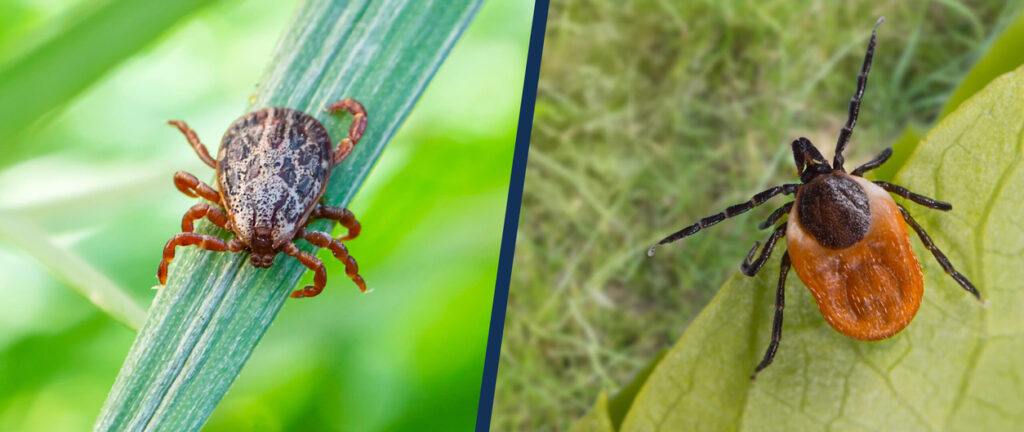
Credit: americanpest.net
Future Changes In Tick Patterns
Ticks are small creatures that can survive cold weather. But cold winters may not stop them like before. Changes in weather affect where ticks live and how they grow.
Scientists watch tick patterns to understand how they might change in the future. This helps people stay safe from tick bites and diseases.
Climate Change Effects
Climate change makes winters shorter and warmer. This helps ticks survive in places they could not before. Mild winters mean ticks stay active longer.
Warmer temperatures also speed up tick development. Ticks can hatch and grow faster. This increases the chance of tick bites during more months of the year.
Ticks Expanding Their Range
Ticks are moving into new areas as the climate changes. They now live in places that used to be too cold. This means more people and animals face tick risks.
- Ticks move north to cooler regions
- They spread into higher altitudes
- New habitats provide food and shelter
- Animals carry ticks to new locations
Knowing where ticks are helps communities prepare. It is important to check for ticks after spending time outdoors in new areas.
Frequently Asked Questions
Do Ticks Die In Cold Weather?
Ticks do not die in cold weather. They enter a dormant state called diapause. This helps them survive freezing temperatures until warmth returns.
How Do Ticks Survive Winter Months?
Ticks survive winter by hiding in leaf litter or soil. They remain inactive and conserve energy until temperatures rise again.
Can Ticks Bite During Winter?
Ticks are less active in winter but can bite if temperatures rise above freezing. Always check for ticks after outdoor activities.
What Temperature Kills Ticks?
Ticks generally die below 14°F (-10°C) after prolonged exposure. However, many survive mild winters by finding shelter in protected areas.
Conclusion
Ticks can survive cold weather by hiding in warm places. They stay inactive but alive under leaves or snow. This helps them wait for warmer days to come out. Knowing this can help protect you and your pets. Keep yards clean and check for ticks often.
Stay safe and enjoy the outdoors without worry.