How Long Cold Weather Survival Time before Hypothermia: Crucial Facts
When the cold winds bite and the temperature drops, your body is at risk. Imagine being caught in a snowstorm or lost in the wilderness.
Do you know how long you can survive in freezing conditions before hypothermia sets in? Understanding the critical timeline is not just about survival; it’s about ensuring you have the knowledge to protect yourself and your loved ones in extreme weather.
We will uncover the essential facts about cold weather survival time and how quickly hypothermia can become a life-threatening reality. Get ready to learn the secrets that could make all the difference when it matters most. Stay with us to ensure you are prepared, informed, and ready for any cold weather challenge that comes your way.
Cold Weather Effects On The Body
Cold weather affects the body in many ways. The body loses heat faster than it can produce it.
Without protection, the body temperature drops and can lead to serious health risks.
Body Temperature And Hypothermia
The normal body temperature is about 98.6°F (37°C). In cold weather, this can fall quickly.
Hypothermia happens when the body temperature drops below 95°F (35°C). It makes the body stop working well.
Stages Of Hypothermia
Hypothermia happens in stages. Each stage is more serious and needs attention.
- Mild:Shivering, feeling cold, and trouble speaking.
- Moderate:Shivering stops, confusion, slow movements.
- Severe:No shivering, unconsciousness, weak pulse.
Knowing these stages helps to act quickly and get help.
Risk Factors Increasing Vulnerability
Some people get hypothermia faster than others. Certain factors increase the risk.
- Wet clothes that lower body heat.
- Wind that removes heat from the skin.
- Old age or very young age.
- Alcohol or drug use.
- Health problems like diabetes or heart disease.
- Not wearing enough warm clothing.

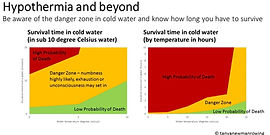
Credit: www.coldwatersafety.org
Survival Time In Cold Conditions
Cold weather can cause serious health problems quickly. Hypothermia happens when body temperature falls below safe levels. Knowing survival time helps in emergencies.
Many factors affect how fast hypothermia starts. This guide explains key points about survival time in cold conditions.
Timeframes For Onset Of Hypothermia
Hypothermia can begin within minutes or hours depending on conditions. The colder the environment, the faster the body loses heat.
- At 50°F (10°C), mild hypothermia may start after several hours.
- At 32°F (0°C), hypothermia can begin in about 30 minutes.
- Below 20°F (-6°C), onset can be within 10 minutes or less.
Influence Of Temperature And Wind Chill
Wind chill lowers the temperature the body feels. Strong winds remove warm air from the skin faster, speeding heat loss.
| Air Temperature | Wind Speed | Wind Chill Temperature | Hypothermia Onset |
| 30°F (-1°C) | 10 mph (16 km/h) | 20°F (-7°C) | Within 30 minutes |
| 30°F (-1°C) | 30 mph (48 km/h) | 10°F (-12°C) | Within 15 minutes |
| 20°F (-6°C) | 20 mph (32 km/h) | 5°F (-15°C) | Within 10 minutes |
Impact Of Wetness And Clothing
Wet clothes cause the body to lose heat much faster. Proper clothing slows heat loss and can extend survival time.
- Wet skin cools 25 times faster than dry skin.
- Insulating layers trap warm air close to the body.
- Windproof outerwear reduces heat loss from wind.
- Removing wet clothes and drying skin helps prevent hypothermia.
Signs And Symptoms To Watch
Cold weather can lead to hypothermia if you stay too long in freezing conditions. It is important to know the signs early. Recognizing symptoms helps you act quickly.
Hypothermia happens when your body loses heat faster than it can make it. This causes your core temperature to drop below normal levels.
Early Indicators
At first, your body shows warning signs. These early indicators tell you that hypothermia may start soon.
- Shivering that won’t stop
- Cold and pale skin
- Fatigue or feeling tired
- Clumsiness or slow movements
- Fast breathing or pulse
Advanced Symptoms
If untreated, symptoms get worse. Your body begins to shut down some functions to save heat.
| Symptom | Description |
| Shivering Stops | Body stops shivering, which is a bad sign. |
| Slow Heart Rate | Pulse becomes weak and slow. |
| Confusion | Difficulty thinking or speaking clearly. |
| Weakness | Muscle strength fades, hard to move. |
| Slow Breathing | Breathing becomes shallow and slow. |
Behavioral Changes
Hypothermia can change how a person acts. Watch for odd or unusual behavior in cold weather.
- Becoming very sleepy or hard to wake
- Showing poor judgment or confusion
- Repeating actions or speech
- Acting irritable or angry without cause
- Ignoring cold or danger signs
Preventing Hypothermia Outdoors
Cold weather can quickly cause your body temperature to drop. Hypothermia is a serious risk when outside in cold conditions. Knowing how to stay warm and dry is very important.
This guide explains how to prevent hypothermia by using good clothing, shelter, and proper hydration and food.
Effective Layering Techniques
Wearing layers traps heat and helps keep your body warm. Each layer plays a special role to protect you from cold and wet conditions.
- Base Layer:Wear a moisture-wicking fabric to keep sweat off your skin.
- Middle Layer:Use an insulating material like fleece or wool to hold body heat.
- Outer Layer:Choose a waterproof and windproof jacket to block cold air and rain.
Shelter And Insulation Strategies
Proper shelter protects you from wind and wetness. Insulation under and around you keeps heat from escaping.
| Shelter Type | Benefits |
| Tent | Blocks wind and rain; traps heat inside |
| Emergency Blanket | Reflects body heat back to you |
| Snow Cave | Insulates from cold air outside |
| Sleeping Pad | Keeps cold ground from cooling your body |
Importance Of Hydration And Nutrition
Your body needs water and fuel to keep warm. Cold weather can hide dehydration and hunger signs.
- Drink water often, even if you do not feel thirsty.
- Eat high-energy foods like nuts, dried fruit, and energy bars.
- Avoid alcohol because it lowers your body temperature.
Emergency Actions During Cold Exposure
Cold weather can cause serious health risks fast. Knowing what to do can save lives.
Act quickly to protect yourself or others from hypothermia and other cold injuries.
Immediate Steps To Take
Move the person to a warm place. Remove any wet clothing carefully. Cover them with dry blankets or clothes.
- Get out of the wind and cold
- Replace wet clothes with dry ones
- Use blankets, sleeping bags, or coats to keep warm
- Give warm drinks if the person is awake and able to swallow
- Avoid direct heat like hot water or heating pads
First Aid For Hypothermia
Warm the person slowly. Focus on the chest, neck, and head. Keep them still and calm.
| Action | Details |
| Warm the body | Use blankets or warm packs on core areas |
| Avoid rapid warming | No hot baths or heating pads |
| Hydrate carefully | Offer warm, non-alcoholic drinks if conscious |
| Monitor breathing | Check for slow or shallow breaths |
| Keep still | Prevent sudden movements that can cause heart issues |
When To Seek Professional Help
Call for emergency help if the person has severe shivering, confusion, or loss of consciousness. Medical care is critical.
- Shivering stops or becomes violent
- Weak pulse or slow breathing
- Confusion or memory loss
- Loss of coordination or difficulty walking
- Unconsciousness or unresponsiveness

Credit: www.selfrelianceoutfitters.com
Real-life Survival Stories
Cold weather can be deadly if you are not prepared. Many people have survived long hours in freezing temperatures. Their stories teach us valuable lessons about hypothermia and survival time.
Understanding how long someone can survive in cold weather helps us stay safe. Real cases show what works and what does not during cold exposure.
Lessons From Extreme Cases
Some survivors stayed alive for hours in freezing water or snow. They used body heat, shelter, and calm thinking to fight hypothermia. These cases show that quick action can save lives.
- Keep moving to maintain blood flow.
- Find or build shelter to block wind and cold.
- Use clothing or natural materials to insulate the body.
- Stay calm to reduce energy loss.
- Share body heat if you are with others.
Common Mistakes To Avoid
Many people make errors that shorten survival time. Avoiding these mistakes increases your chance of beating hypothermia.
| Mistake | Why It Hurts Survival |
| Not wearing enough layers | Body loses heat too fast |
| Ignoring early signs of hypothermia | Condition worsens quickly |
| Drinking alcohol | Causes faster heat loss |
| Staying still for too long | Blood flow slows down |
| Not finding shelter | Exposure to wind chills body faster |

Credit: www.ishn.com
Frequently Asked Questions
How Long Can You Survive In Cold Weather Before Hypothermia?
Survival time varies from 30 minutes to several hours depending on temperature, clothing, and activity. Wet conditions and wind accelerate heat loss. Proper insulation and staying dry can extend survival time significantly.
What Are The Early Signs Of Hypothermia In Cold Weather?
Early signs include shivering, numbness, confusion, and slurred speech. Recognizing these symptoms quickly helps prevent severe hypothermia. Immediate warming and shelter are crucial to avoid life-threatening conditions.
How Does Cold Water Affect Hypothermia Survival Time?
Cold water causes heat loss 25 times faster than air. Survival time can reduce to under an hour in icy water. Wearing a life jacket and insulating clothing improves chances of survival.
Can Hypothermia Occur In Mild Cold Weather?
Yes, hypothermia can happen in mild cold if wet and exposed for long periods. Wind and moisture increase heat loss, making mild cold dangerous without proper protection.
Conclusion
Cold weather survival time varies by many factors. Body heat drops faster without proper clothing. Wet clothes and wind speed increase risk. Staying dry and moving helps keep warm. Knowing signs of hypothermia saves lives. Act quickly if shivering or confusion starts.
Prepare before going out in cold weather. Simple steps can extend survival time greatly. Stay safe and respect winter’s power.