Can a Wooden House Survive a Hurricane? Shocking Truth Revealed
Imagine the peace and charm of living in a wooden house, with its warm, inviting atmosphere and natural aesthetics. But then comes the storm of questions: Can your wooden haven withstand the fury of a hurricane?
This is a concern many homeowners like you might face, especially if you reside in hurricane-prone areas. The thought of your dream home being at risk can be unsettling, right? But fear not! We’ll uncover the truth about wooden houses and their ability to endure the wrath of a hurricane.
You’ll learn about the factors that contribute to their strength and what you can do to increase your home’s chances of survival. Stay with us, and discover how your cherished wooden abode can stand tall in the face of nature’s fiercest challenges.
Wooden Houses And Hurricanes
Wooden houses are common in many coastal areas. People often wonder if these homes can survive strong hurricanes. Hurricanes bring strong winds and heavy rain that can damage buildings.
This article looks at how wooden houses stand up to hurricanes. It also explains common ideas and real risks about wood as a building material.
Common Perceptions
Many people believe wooden houses are weak against hurricanes. They think wood can easily break or catch fire. Some also say that wooden homes do not last long in bad storms.
- Wood is seen as less strong than concrete or brick.
- People worry about wood rotting after rain damage.
- There is fear that wind can blow wooden walls away.
- Some believe wooden houses need more repairs after storms.
Material Vulnerabilities
Wood has weaknesses that can affect house safety in hurricanes. These include water damage, wind pressure, and insect issues. Builders use special methods to protect wood from these problems.
| Vulnerability | Effect on Wooden Houses | Protection Methods |
| Water Damage | Can cause wood to swell and rot | Use water-resistant coatings and proper drainage |
| Wind Pressure | Strong winds can break or lift wooden structures | Secure framing with metal connectors and anchors |
| Insects | Termites weaken wood over time | Apply insect treatments and use treated wood |
Structural Strength Of Wood
Wood is a strong and flexible building material. It can absorb energy and resist damage during storms. This makes wooden houses able to survive hurricanes if built well.
Understanding the types of wood used and how engineers improve wood structures helps explain their durability. These factors affect how well a wooden house stands against hurricane forces.
Types Of Wood Used In Construction
Builders select wood types based on strength, weight, and resistance to moisture. Common woods include pine, cedar, and oak. Each has unique features that affect house durability.
- Pine:Lightweight and easy to work with. It is strong but can absorb water if untreated.
- Cedar:Naturally resistant to decay and insects. It is stable in wet conditions.
- Oak:Very strong and dense. It handles high wind forces well but is heavier and costlier.
Engineering Techniques For Durability
Engineers use special methods to make wooden houses tougher. These techniques help wood resist strong winds and water damage during hurricanes.
| Technique | Purpose |
| Pressure Treatment | Protects wood from rot and insects. |
| Reinforced Connections | Strengthens joints to hold framing tightly. |
| Shear Walls | Resists side forces from wind pressure. |
| Hurricane Straps | Secures roof to walls to prevent uplift. |
Hurricane Forces On Buildings
Hurricanes create strong forces that can damage buildings. These forces include high winds and flooding.
Wooden houses face challenges from these forces. Understanding them helps us see if wooden homes can survive.
Wind Pressure And Impact
Hurricane winds push hard against buildings. The pressure can cause walls to bend or break. Flying debris can hit houses and cause damage.
- Wind pressure increases with height.
- Strong winds can lift roofs off buildings.
- Debris like tree branches and signs can break windows and walls.
- Wooden houses need strong frames to resist wind forces.
Flooding And Water Damage
Floodwaters from hurricanes soak wooden structures. Water can weaken wood and cause rot. Flooding also damages floors and furniture.
| Type of Damage | Effect on Wooden House |
| Water Soaking | Weakens wood fibers and causes swelling |
| Rot | Leads to decay and loss of strength |
| Mold Growth | Can cause health problems and damage materials |
| Foundation Erosion | Leads to instability and possible collapse |

Credit: finance.yahoo.com
Design Features That Help
Wooden houses can survive hurricanes if built with the right design features. These features help the house resist strong winds and water damage.
Strong frames, secure roofs, and raised foundations work together to keep the home safe during storms.
Reinforced Frames
Frames made from strong wood and metal connectors hold the house together during high winds. Reinforced frames reduce the chance of walls collapsing.
- Use hurricane straps to tie roof and walls
- Install metal anchors at foundation points
- Choose pressure-treated wood for durability
- Secure all joints with heavy-duty fasteners
Proper Roof Construction
A strong roof design helps prevent wind from lifting it off. Roofs with the right shape and materials stand up better to storms.
| Roof Feature | Benefit |
| Hip Roof | Better wind resistance |
| Metal Roofing | Durable and less prone to damage |
| Proper Fasteners | Keep shingles from blowing off |
| Strong Sheathing | Supports roof structure firmly |
Elevated Foundations
Raising the house above ground helps avoid flood damage. Elevated foundations keep water away from the wooden structure.
Common types of elevated foundations include:
- Concrete piers lifting the house off the ground
- Wooden stilts that allow water to flow underneath
- Raised slabs with proper drainage systems
Case Studies Of Wooden Homes
Wooden houses face many challenges during hurricanes. Strong winds and heavy rain test their strength. Studying real cases helps understand what works.
This section looks at wooden homes that survived big hurricanes and those that failed. We learn important lessons from each story.
Survivors Of Major Hurricanes
Many wooden homes have stood firm during major hurricanes. Good design and strong materials helped them resist damage. These homes often had secure foundations and reinforced walls.
- Use of hurricane straps to hold the roof to walls
- Elevated foundations to prevent flood damage
- Impact-resistant windows and shutters
- Properly sealed exterior walls
- Regular maintenance to fix weak spots
Failures And Lessons Learned
Some wooden homes did not survive hurricanes. Weak connections and poor materials caused failures. Flooding and flying debris added to the damage.
| Cause of Failure | Example | Lesson Learned |
| Weak roof connections | Hurricane Katrina 2005 | Use metal straps to secure roof |
| Poorly anchored foundation | Hurricane Michael 2018 | Anchor homes deeper to soil |
| Inadequate window protection | Hurricane Irma 2017 | Install impact-resistant windows |
| Water intrusion | Hurricane Harvey 2017 | Seal walls and elevate electrical systems |
Maintenance And Upgrades
Wooden houses can face serious damage during hurricanes. Proper care helps protect them. Regular maintenance and timely upgrades improve safety and durability.
Checking the house often and making strong changes can reduce risks. This guide covers key actions to keep wooden homes safer in storms.
Regular Inspections
Frequent inspections find problems early. Look for cracks, loose boards, and water damage. Fix these issues to keep the structure strong.
- Check roof shingles and replace any that are missing
- Inspect windows and doors for proper seals
- Look for signs of wood rot or insect damage
- Clear gutters and drains to prevent water buildup
- Examine foundation for cracks or shifts
Retrofitting For Storm Resistance
Upgrading your house can help it resist strong winds and heavy rain. Reinforce key areas using modern materials and techniques.
| Upgrade Type | Purpose | Common Materials |
| Roof Strapping | Secure roof to walls | Metal straps, hurricane clips |
| Impact-Resistant Windows | Prevent glass breakage | Laminated glass, reinforced frames |
| Door Reinforcement | Stop door blowouts | Steel frames, heavy-duty locks |
| Foundation Anchors | Stabilize the base | Steel bolts, concrete footings |
Comparing Wood To Other Materials
Wood is a common building material for houses. It offers warmth and natural beauty. But its strength against hurricanes is often questioned.
We compare wood with concrete and steel. We also look at the costs and environmental effects of these materials.
Concrete And Steel
Concrete and steel are strong and heavy. They resist high winds better than wood. Concrete walls can protect homes from flying debris. Steel frames add extra strength to the structure.
- Concrete is fire-resistant and durable.
- Steel is flexible and can bend without breaking.
- Wood can break or splinter in strong winds.
- Concrete and steel require skilled labor to build.
- Wood is easier and quicker to work with.
Cost And Environmental Impact
| Material | Average Cost | Environmental Impact |
| Wood | Lower | Renewable but can lead to deforestation |
| Concrete | Moderate | High carbon emissions during production |
| Steel | Higher | Energy-intensive but recyclable |
Credit: www.sunherald.com
Insurance And Safety Tips
Wooden houses can face serious risks during hurricanes. It is important to prepare both your home and your insurance. This helps protect your family and property.
Understanding your insurance coverage and emergency plans can reduce damage and keep everyone safe. Let’s look at key points for wooden homes.
Coverage For Wooden Homes
Not all insurance policies cover hurricane damage equally. Wooden homes may need special attention in your plan. Check what your policy includes.
| Type of Coverage | What It Covers | Notes |
| Dwelling Protection | Damage to the wooden structure | Check limits for wind damage |
| Personal Property | Loss of furniture and belongings | May have separate hurricane deductible |
| Additional Living Expenses | Costs if you must live elsewhere | Important if home is unsafe |
| Flood Insurance | Damage from flooding | Usually separate from standard policy |
Emergency Preparedness
Prepare your wooden house and family before a hurricane strikes. Planning ahead saves lives and limits damage.
- Secure loose outdoor items like furniture and tools
- Install storm shutters or board up windows
- Trim trees and remove dead branches near your home
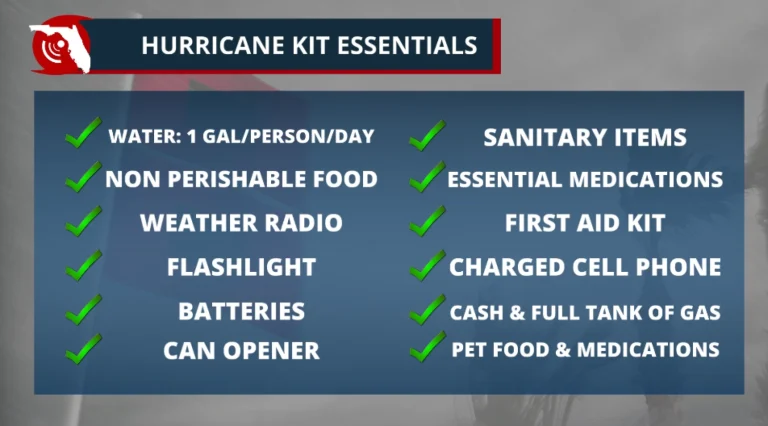
- Keep emergency supplies: water, food, flashlight, and first aid kit
- Have a safe room or shelter area inside your house
- Know your evacuation routes and have a plan
- Keep important documents in a waterproof container

Credit: www.wconline.com
Frequently Asked Questions
Can Wooden Houses Withstand Hurricane-force Winds?
Wooden houses can survive hurricanes if built with strong framing and hurricane-resistant features. Proper reinforcements and quality materials improve wind resistance and reduce damage risks.
What Building Techniques Protect Wood Homes In Hurricanes?
Techniques like hurricane straps, impact-resistant windows, and reinforced roofs help wood houses resist storm forces. These methods strengthen the structure against wind uplift and debris impact.
How Does Wood Compare To Concrete In Hurricane Resistance?
Wood is flexible and can absorb some wind forces, but concrete offers higher durability. Properly built wooden homes can still survive hurricanes when designed with safety in mind.
Are Wooden Homes More Vulnerable To Water Damage In Hurricanes?
Wood is susceptible to water damage if not properly sealed or elevated. Using treated wood and good drainage systems helps prevent moisture-related issues during storms.
Conclusion
Wooden houses can stand strong during hurricanes with proper design. Strong frames, secure roofs, and good materials make a big difference. Regular maintenance helps keep the house safe and sound. Building codes also guide construction for better hurricane resistance. While no house is completely safe, wooden homes can survive tough storms.
Understanding risks and preparing well is key to protection. Choosing the right construction and upkeep keeps families safer during hurricanes. Wooden houses have hope against nature’s fierce winds if built right.