How to Survive a Hurricane in a Mobile Home: Essential Safety Tips
When a hurricane is on the horizon, the safety of you and your loved ones becomes the top priority. But what if you live in a mobile home?
The mere thought of facing a hurricane in such a setting can be daunting. Your mobile home, while cozy and comfortable, isn’t as fortified as traditional houses. Yet, with the right preparation and knowledge, you can significantly increase your chances of staying safe and secure.
In this guide, you’ll discover effective strategies and essential tips to protect yourself and your home during a hurricane. Imagine turning that looming anxiety into confident readiness. Ready to empower yourself with the know-how to weather the storm? Let’s dive in.
Preparing Your Mobile Home
Getting your mobile home ready for a hurricane is very important. You need to protect your home and keep your family safe. Start preparing early to avoid last-minute problems.
Focus on making your mobile home stronger. Secure all openings and clear the area around your home. These steps help reduce damage during the storm.
Securing Windows And Doors
Windows and doors are weak points during a hurricane. Protect them to stop strong winds and flying debris from entering your home. Use storm shutters or plywood to cover windows.
Make sure doors are tightly closed and locked. Use heavy-duty bolts or braces on doors to keep them from blowing open. Check for gaps and seal them if needed.
- Install storm shutters or plywood over windows
- Lock all doors securely
- Use bolts or braces on doors
- Seal gaps around doors and windows
Reinforcing The Structure
Mobile homes can be fragile in strong winds. Add extra support to the frame and roof to keep your home safe. Use hurricane straps or clips to hold the roof tightly to the walls.
Check the skirting around your home. It helps protect the underside from wind and water. Replace any broken or loose panels before the storm hits.
- Install hurricane straps on roof and walls
- Strengthen weak areas of the frame
- Fix or replace damaged skirting
- Secure the home to the ground with anchors
Clearing The Surroundings
Remove loose items near your mobile home. These items can become dangerous flying debris during a hurricane. Clear your yard of furniture, tools, and trash.
Trim trees and bushes close to your home. Cut weak branches that might break off in strong winds. Keep the area around your home tidy to reduce risks.
- Remove outdoor furniture and tools
- Clear trash and debris from the yard
- Trim branches near the home
- Secure or move large objects indoors

Credit: sparkhomestexas.com
Creating An Emergency Plan
Living in a mobile home during a hurricane can be very dangerous. It is important to have a clear emergency plan. This plan helps you stay safe and know what to do.
Preparing ahead saves time and reduces stress when a hurricane approaches. Focus on safe places, ways to communicate, and what to take with you.
Identifying Safe Shelters
Mobile homes are not strong against hurricanes. You need to find a safe shelter outside your home. Look for local storm shelters or sturdy buildings.
Plan where to go before the storm starts. Know the address and the fastest route to the shelter. Tell your family or friends about your shelter plan.
- Check with local government for shelter locations
- Choose shelters that can hold your whole family
- Find places away from flood zones
- Practice your route to the shelter
Establishing Communication
It is important to stay in touch with family and emergency services. Make sure everyone knows how to contact each other. Use simple and reliable methods.
Pick a main contact person outside your area. This person can share information if local communication fails. Keep phones charged and have extra batteries or power banks.
- Create a phone list with family and friends
- Use text messages if calls do not connect
- Have a battery-powered radio for updates
- Agree on a meeting place if phones stop working
Preparing An Emergency Kit
Gather essential items you will need during and after the hurricane. Your kit should be easy to carry and ready to use. Include supplies for at least three days.
Keep your kit in a waterproof bag. Update it regularly to replace expired food and batteries. Make sure everyone in your family knows where it is.
- Water – one gallon per person per day
- Non-perishable food items
- Flashlight with extra batteries
- First aid kit and medications
- Important documents in a waterproof case
- Extra clothes and blankets
- Personal hygiene items
- Portable phone charger
Monitoring Weather Alerts
Knowing about a hurricane early can save your life. Mobile homes are very risky during storms. Watching weather alerts helps you prepare.
Stay aware of updates from trusted sources. This helps you act fast and keep safe.
Using Reliable Sources
Choose trustworthy sources for weather news. Official agencies give the most accurate information. Avoid rumors or social media gossip.
Good sources include government weather sites and local news channels. These sources update alerts often and give clear instructions.
- National Weather Service (NWS)
- Local TV and radio stations
- Emergency management offices
- Weather apps with official data
Setting Up Notifications
Turn on alerts on your phone or computer. Notifications warn you about new threats quickly. You can prepare or leave early if needed.
Use apps or websites that send push notifications. Set alerts for watches, warnings, and evacuation orders.
- Enable emergency alerts on your smartphone
- Download weather apps with real-time updates
- Sign up for local alert services
- Check alerts multiple times a day

Credit: www.youtube.com
Evacuation Strategies
Living in a mobile home during a hurricane is risky. Evacuation is the safest choice to protect yourself and your family.
Planning your evacuation early helps you avoid danger and stay calm. Know what to do before, during, and after the storm.
When To Evacuate
Evacuate as soon as local officials order it. Do not wait for the storm to get closer.
If you hear a hurricane warning or watch the weather reports, start preparing to leave immediately.
- Follow evacuation orders from authorities
- Leave early to avoid traffic and bad weather
- Do not wait until the last minute
Choosing Evacuation Routes
Select routes that are safe and clear of flooding or debris. Avoid low-lying areas prone to flooding.
Have at least two routes planned. This helps if your main route is closed or blocked.
- Use main highways if possible
- Check local maps for alternative roads
- Listen to traffic updates on the radio
Transporting Pets And Valuables
Bring your pets with you during evacuation. Do not leave them behind in the mobile home.
Pack important items like documents, medicine, and valuables early. Keep them easy to reach.
- Use pet carriers or leashes for safety
- Prepare a pet emergency kit with food and water
- Place valuables in waterproof containers
- Keep important papers in a portable bag
During The Hurricane
Hurricanes can be very dangerous, especially if you live in a mobile home. It is important to stay safe and calm during the storm. Knowing what to do can protect you from harm.
This section explains how to stay safe inside your mobile home during a hurricane. Follow these tips carefully to reduce risks.
Staying Indoors Safely
Stay inside your mobile home and away from windows. Flying glass and debris can hurt you. Find a small, windowless room like a bathroom or closet.
Keep a battery-powered radio to hear updates. Stay low and cover yourself with a mattress or heavy blankets if the wind gets strong.
- Do not open doors or windows during the storm
- Stay in the safest, smallest room possible
- Keep emergency supplies nearby
- Listen to weather updates on a battery radio
Avoiding Flooded Areas
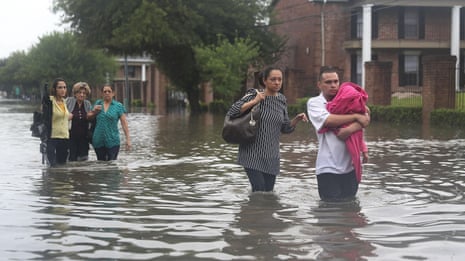
Flooding is common during hurricanes. Do not walk or drive through floodwaters. Water can hide dangers like sharp objects or strong currents.
If water rises inside your mobile home, move to higher ground or a nearby safe shelter if possible. Stay alert for evacuation orders.
- Never try to cross flooded roads or paths
- Move to higher ground if flooding begins
- Follow local evacuation instructions immediately
- Keep a flashlight ready in case of low visibility
Managing Power Outages
Power outages often happen during hurricanes. Use flashlights instead of candles to prevent fires. Keep your phone charged before the storm.
Turn off all electrical appliances to avoid damage when power returns. Use a generator only outside and away from windows to avoid carbon monoxide poisoning.
- Use flashlights instead of candles
- Charge phones and devices before the storm
- Turn off appliances during outages
- Run generators outside and far from doors
After The Storm
After a hurricane passes, it is important to act carefully. Safety comes first as you check your mobile home and surroundings. Taking the right steps helps protect you and your family.
Follow these guides to assess damage, contact help, and begin cleanup safely and effectively.
Assessing Damage Safely
Do not enter your mobile home right away. Look for hazards like downed power lines or gas leaks first. Wear sturdy shoes and gloves to avoid injury. Use a flashlight if it is dark inside.
- Check for structural damage outside before going in.
- Look for water or gas leaks around the home.
- Do not touch electrical equipment if wet.
- Take photos of any damage for insurance claims.
- Stay alert for wildlife or insects that may have entered.
Contacting Emergency Services
If you or someone else is hurt, call emergency services immediately. Use a charged phone or a neighbor’s phone if needed. Report any fires, gas leaks, or serious injuries right away.
| Emergency Service | When to Call |
| Fire Department | Fire or gas leak detected |
| Police | Suspicious activity or accidents |
| Medical Help | Serious injuries or health emergencies |
| Utility Company | Downed power lines or no electricity |
Starting Cleanup Efforts
Clear debris carefully and wear protective gear. Separate damaged items from those that are still safe. Remove wet materials to prevent mold growth. Work slowly and take breaks as needed.
- Wear gloves, boots, and masks for protection.
- Remove broken glass and sharp objects first.
- Sort salvageable items and pack them safely.
- Dispose of spoiled food and contaminated water.
- Dry out the home with fans and open windows.
Credit: sparkhomestexas.com
Frequently Asked Questions
How Can I Prepare My Mobile Home Before A Hurricane?
Secure all doors and windows with storm shutters or plywood. Remove loose objects outside. Reinforce the roof and anchor the home firmly to the ground to prevent uplift and damage.
Is It Safe To Stay In A Mobile Home During A Hurricane?
Mobile homes are vulnerable during hurricanes. It’s safest to evacuate to a sturdy building or shelter. If evacuation isn’t possible, find a designated safe room inside.
What Emergency Supplies Should I Have In A Mobile Home?
Stock water, non-perishable food, flashlights, batteries, a first-aid kit, and important documents. Also include a weather radio and medications. Prepare enough for at least three days.
How Do I Secure My Mobile Home Against Flooding?
Elevate utilities and use sandbags around the home’s perimeter. Clear drainage paths and avoid parking in low-lying areas. Know your evacuation routes in case of flooding.
Conclusion
Surviving a hurricane in a mobile home takes careful planning. Stay informed about the weather and warnings. Secure your home and gather emergency supplies early. Always have an evacuation plan ready. Keep calm and act quickly to protect yourself. Remember, safety comes first in every storm.
Taking these steps can help you stay safe and prepared. Don’t wait until the last minute to get ready. Your life and family depend on it. Stay alert, stay safe, and be ready to leave if needed.