How Did People Survive Hurricane Harvey: Inspiring Stories of Resilience
Imagine waking up to the sound of pounding rain and howling winds, with the world outside your window transformed into a chaotic sea of water. This was the reality for thousands during Hurricane Harvey, one of the most devastating storms in recent history.
You might wonder how people managed to endure such a catastrophe, and what lessons can be drawn from their experiences. As you dive into this article, you’ll uncover the remarkable stories of resilience, courage, and community spirit that emerged from the chaos.
These stories not only highlight human strength in the face of adversity but also offer valuable insights you can use to prepare for any unforeseen challenges in your own life. Stay with us as we explore how ordinary people became extraordinary survivors during Hurricane Harvey.

Credit: medium.com
Harvey’s Impact
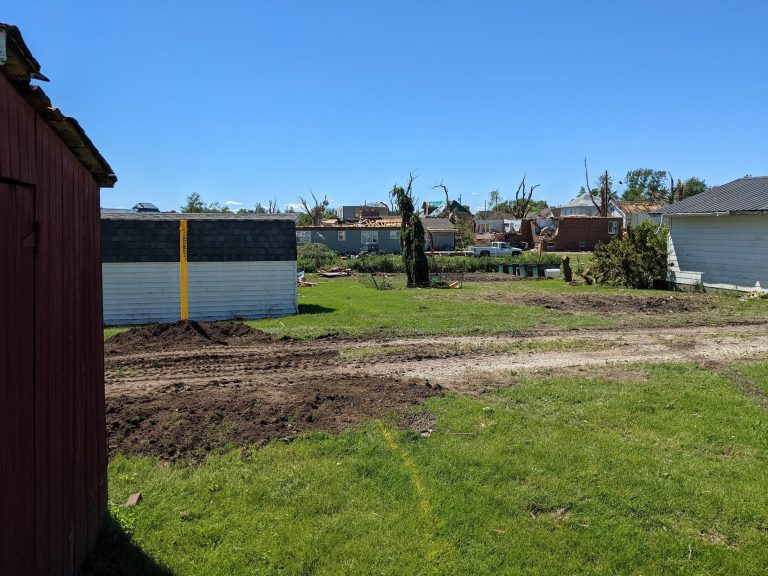
Hurricane Harvey struck the Gulf Coast in August 2017. It caused widespread damage and flooding. Many people faced life-threatening situations.
This article looks at how Harvey affected the region. It also describes the challenges in the early response.
Storm Path And Intensity
Harvey made landfall near Rockport, Texas, as a Category 4 hurricane. It brought strong winds and heavy rain for days. The storm stalled over Texas, causing record flooding.
- Wind speeds reached up to 130 mph
- Over 50 inches of rain fell in some areas
- Floodwaters submerged homes and roads
- Storm surge impacted coastal communities
Affected Communities
Many towns and cities were hit hard by Harvey. Houston was the most affected city. Thousands lost their homes or had severe damage.
| Community | Impact | People Displaced |
| Houston | Severe flooding, power outages | Over 30,000 |
| Rockport | Heavy wind damage, building destruction | 5,000 |
| Port Arthur | Flooding and infrastructure damage | 8,000 |
Initial Response Challenges
Emergency teams faced many problems after Harvey hit. Flooded roads slowed rescue efforts. Power outages made communication hard.
Key challenges included:
- Limited access to flooded neighborhoods
- Shortage of rescue boats and helicopters
- Overwhelmed shelters and medical facilities
- Coordination difficulties among agencies
Acts Of Courage
Hurricane Harvey brought massive floods and destruction. People faced dangers but showed strong bravery. Acts of courage helped many survive the storm.
In this article, we explore how heroic rescues, community support, and volunteers played key roles. Their courage saved lives and gave hope in hard times.
Heroic Rescues
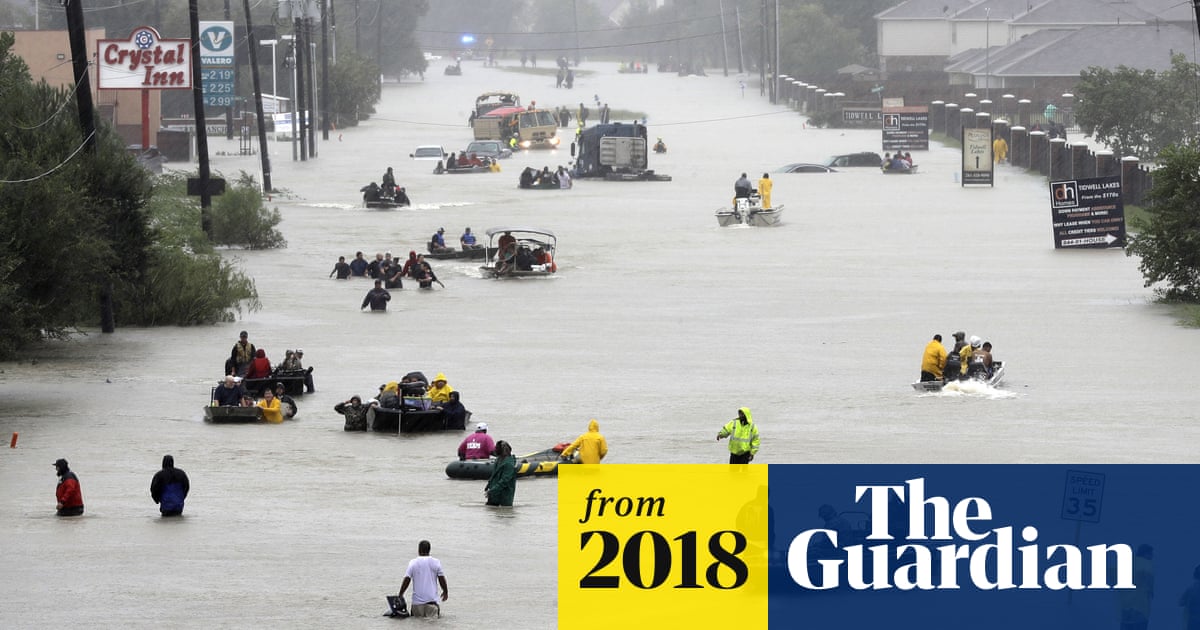
Many people risked their own safety to save others during the flood. Rescue teams used boats and helicopters to reach stranded victims. Some neighbors helped without waiting for help.
- Rescue workers saved people trapped in their homes.
- Boats carried families to safety through rising waters.
- Emergency crews worked day and night without breaks.
- Civilians formed human chains to pull others from floodwaters.
Community Solidarity
Communities came together to support each other. Local shelters opened their doors for those who lost homes. Food, water, and supplies were shared freely.
| Community Action | Impact |
| Opening shelters | Provided safe places for hundreds |
| Sharing food | Helped keep families fed |
| Donating clothes | Gave warmth to the displaced |
| Organizing clean-up | Restored neighborhoods quickly |
Volunteers On The Frontline
Volunteers worked tirelessly with rescue teams. They helped clear debris and gave first aid. Many came from far away to join relief efforts.
- Driving boats through flooded streets
- Distributing food and water
- Providing medical support
- Assisting in search and rescue
- Helping with rebuilding homes
Personal Survival Stories
Hurricane Harvey caused massive flooding and damage. Many people faced danger and loss. Their stories show courage and hope.
Survivors shared how they stayed safe and helped others. These stories teach us about human strength during storms.
Overcoming Floodwaters
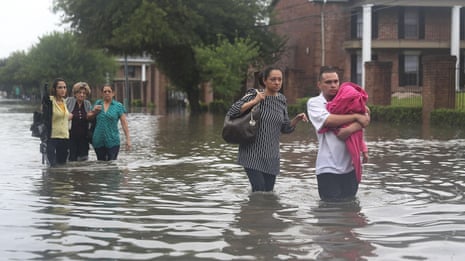
Floodwaters rose fast and trapped many homes. Some used boats or rafts to escape. Others climbed to high places inside their homes.
- One family floated on a mattress until rescuers arrived.
- A man helped neighbors by guiding them through deep water.
- Some people stayed calm and waited for help on rooftops.
Finding Shelter And Safety
Many found shelter in community centers and schools. Volunteers offered food, water, and blankets. Shelters became places of comfort.
| Name | Shelter Type | Help Received |
| Maria | School Gym | Food and Medical Aid |
| James | Community Center | Blankets and Water |
| Linda | Church Hall | Clothing and Counseling |
Emotional Strength Amid Crisis
Survivors felt fear and sadness but stayed strong. They helped each other and shared hope. Talking and listening eased pain.
Ways survivors kept their spirits up:
- Sharing stories with family and friends
- Praying or meditating together
- Helping neighbors with small tasks
- Focusing on small victories each day

Credit: www.nytimes.com
Role Of Emergency Services
Emergency services played a key role during Hurricane Harvey. They helped keep people safe and saved many lives. Their quick actions made a big difference in the disaster.
From rescue missions to medical care, emergency teams worked hard. They faced tough conditions but stayed focused on helping those in need.
First Responders’ Efforts
First responders were among the first on the scene. Firefighters, police, and rescue teams moved quickly to save trapped people. They used boats and helicopters to reach flooded areas.
- Conducted water rescues in flooded neighborhoods
- Cleared debris to open roads for emergency vehicles
- Provided immediate help and comfort to victims
- Coordinated with other agencies for fast action
Coordinated Evacuations
Evacuations were planned and carried out with care. Emergency services worked with local leaders to move people to safety. They used shelters and transport to help residents.
| Evacuation Phase | Actions Taken | Outcome |
| Initial Warning | Alerted public through media | Many began preparing early |
| Evacuation Orders | Moved people from high-risk zones | Reduced risk of injury |
| Shelter Setup | Opened emergency shelters | Provided safe places to stay |
Medical Aid And Support
Medical teams cared for injured and sick people. They set up mobile clinics and helped hospitals manage the flood impact. Mental health support was also available.
- Provided first aid and emergency treatment
- Transported critical patients to hospitals
- Offered counseling for trauma and stress
- Supplied medicines and medical equipment
Recovery And Rebuilding
Hurricane Harvey caused severe damage to homes and communities. Recovery efforts focused on helping people rebuild their lives. Many worked together to restore what was lost.
The rebuilding process took time and involved many groups. Support came from local neighbors, government programs, and plans to prepare for the future.
Community-led Initiatives
Local communities played a big role in recovery. They organized cleanups, shared resources, and helped each other find shelter. Volunteers repaired homes and cleared debris quickly.
- Neighborhood groups collected supplies for families
- Churches opened their doors for emergency shelters
- Volunteers helped rebuild damaged houses
- Local businesses donated food and water
- Community centers provided information on aid programs
Government Assistance
The government offered many forms of help to those affected. Financial aid, temporary housing, and repair grants were available. Agencies worked to speed up the process.
| Type of Assistance | Description | Who to Contact |
| Emergency Shelter | Temporary housing for displaced families | FEMA |
| Financial Aid | Money to help with repairs and living costs | Small Business Administration |
| Food and Supplies | Distribution of food, water, and essentials | Red Cross |
| Medical Care | Access to health services and counseling | Local Health Departments |
Long-term Resilience Strategies
After recovery, many focused on making communities stronger. They planned ways to reduce damage from future storms. This included better building rules and more green spaces.
- Build homes higher to avoid flood damage
- Use stronger materials for construction
- Create parks that absorb rainwater
- Improve emergency warning systems
- Train residents on disaster preparedness
Lessons From Harvey
Hurricane Harvey caused massive damage and loss in 2017. Many people faced floods and power outages. Communities learned how to better prepare for such storms.
This article shares key lessons from Harvey. These lessons help improve safety and response in future events.
Preparedness Improvements
Before Harvey, many were not ready for a disaster of this size. Afterward, people improved their emergency plans and supplies. Staying informed became a top priority.
- Keep emergency kits with food, water, and medicine
- Develop clear evacuation routes
- Sign up for weather alerts and warnings
- Practice emergency drills with family members
- Secure important documents in waterproof containers
Strengthening Infrastructure
Harvey showed the need for stronger buildings and better drainage. Cities worked on improving levees and flood barriers. Power systems were updated to reduce outages.
| Type | Improvement | Goal |
| Roads | Raised and reinforced | Prevent flood damage |
| Power Lines | Moved underground | Reduce outages |
| Levees | Heightened and repaired | Stop floodwaters |
| Drainage Systems | Expanded capacity | Move water faster |
Building Community Bonds
Neighbors helped each other during the storm. Local groups organized rescue and aid efforts. Strong community ties made recovery faster and easier.
Ways communities worked together:
- Sharing resources like food and shelter
- Organizing volunteer rescue teams
- Creating support networks for vulnerable people
- Communicating via social media and local radios
- Planning joint disaster preparedness events
Credit: www.theguardian.com
Frequently Asked Questions
How Did Emergency Services Respond During Hurricane Harvey?
Emergency services acted swiftly to rescue stranded individuals. They used boats and helicopters for evacuations. Their efforts saved thousands from rising floodwaters. Coordination between agencies ensured timely aid and medical support. Their rapid response was crucial for survival during the disaster.
What Safety Measures Did People Take To Survive Harvey?
Many stocked up on essentials like water, food, and medicine. Residents fortified homes with sandbags and boarded windows. Evacuations were common in high-risk areas. Staying informed through weather updates helped people make safe decisions. These actions significantly reduced injury and loss.
How Did Communities Support Each Other During The Hurricane?
Neighbors shared resources, shelter, and information to stay safe. Volunteers joined rescue operations and helped distribute supplies. Local organizations coordinated relief efforts efficiently. This community spirit strengthened resilience and ensured collective survival. Mutual aid was vital in overcoming the crisis.
What Role Did Technology Play In Survival During Harvey?
Technology provided real-time weather alerts and emergency updates. Social media helped people share locations and request help. GPS and mapping tools guided rescuers through flooded areas. Mobile communication improved coordination among emergency teams. Technology enhanced situational awareness and response speed.
Conclusion
People showed great strength during Hurricane Harvey. They stayed calm and helped each other a lot. Many used emergency kits and safe places to stay. Rescue teams worked hard to save lives and provide aid. Communities came together to rebuild and recover.
Their courage and kindness made a big difference. These stories remind us how important it is to prepare. Staying ready can save lives in tough times. Together, people can face even the strongest storms.