What Root Vegetables Survive Cold Weather: Top Hardy Picks
Are you curious about which root vegetables can brave the chill of winter and still thrive in your garden? Understanding which root veggies can withstand cold weather is essential for anyone looking to maintain a bountiful harvest during the frostier months.
Imagine effortlessly pulling fresh, crisp produce from your garden, even as the temperatures drop. This knowledge not only ensures a steady supply of nutritious foods but also empowers you to make the most of your gardening efforts year-round. So, if you’re ready to discover which hardy root vegetables can survive and even flourish in the cold, keep reading.
This guide will equip you with everything you need to know to keep your garden productive, regardless of the weather.
Credit: countrywifecountrylife.com
Cold-hardy Root Vegetables
Root vegetables grow well in cold weather. They survive frost and low temperatures. These vegetables store energy in their roots to stay healthy.
Many gardeners plant cold-hardy roots in late fall or early spring. These vegetables provide fresh food during chilly months.
Carrots can survive frost and cold soil. Their sweet flavor improves after cold weather. Carrots grow best in loose, sandy soil.
Plant carrots in late summer for fall harvest. They can stay in the ground through winter in mild climates.
Parsnips are very cold-hardy and taste sweeter after frost. They need a long growing season and deep soil to develop.
Harvest parsnips after the first frost. Cold helps convert starches to sugars, making them tastier.
Turnips grow quickly in cool weather. They tolerate frost well and can survive light freezes. Both roots and greens are edible.
Plant turnips in early spring or late summer. Harvest young roots for the best taste and texture.
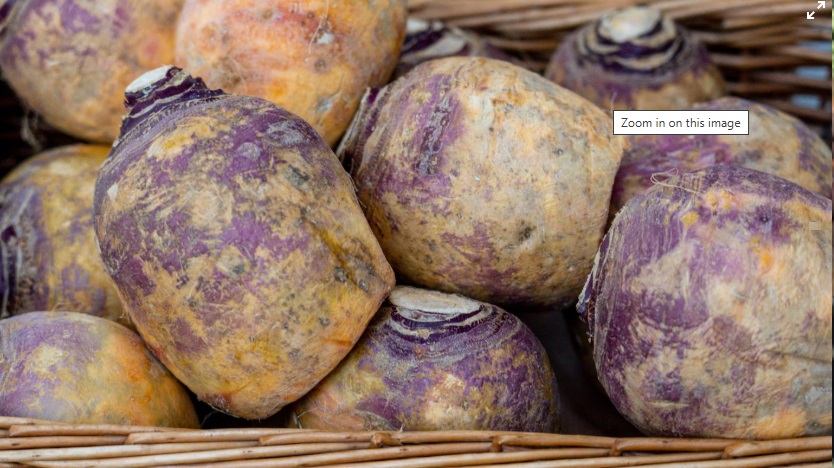
Rutabagas are hardy root vegetables that grow well in cold climates. They have thick skin and store well through winter.
Plant rutabagas in late summer. They mature in cool weather and taste sweeter after frost.
Beets survive cold weather and light freezes. Their roots and greens both taste good and are nutritious.
Plant beets in early spring or late summer. Harvest before heavy frost for best quality.
Carrots
Carrots are popular root vegetables that grow well in cold weather. They can survive frost and even taste sweeter after a freeze.
Choosing the right carrot varieties and giving them proper care helps them thrive in chilly conditions.
Varieties That Withstand Frost
Some carrot types handle cold better than others. These varieties can stay in the ground during light frosts without damage.
- ‘Danvers 126’: Thick and strong, good for colder climates.
- ‘Nantes’: Sweet and tender, resists frost well.
- ‘Chantenay’: Shorter carrots that grow well in heavy soils and cold.
- ‘Imperator’: Long and classic, can survive early frost.
Planting And Care Tips
Plant carrots in loose, well-drained soil. They need full sun and steady moisture to grow strong roots.
| Care Aspect | Tip |
|---|---|
| Soil | Use sandy or loamy soil for easy root growth. |
| Water | Keep soil moist but not waterlogged. |
| Planting Time | Sow seeds 2-3 weeks before the first frost. |
| Mulching | Apply mulch to protect roots from freezing. |
| Harvest | Pull carrots after a light frost for sweeter taste. |
Turnips
Turnips are root vegetables that grow well in cold weather. They have a round shape and white skin with purple tops.
People grow turnips in fall and winter because they handle frost and chilly soil.
Resilience In Low Temperatures
Turnips can survive cold weather better than many other vegetables. They grow even when the temperature drops below freezing.
Their roots stay firm and sweet after frost. This makes turnips a good choice for winter gardens.
- Can tolerate temperatures as low as 20°F (-6°C)
- Frost improves their flavor and texture
- Leaves may die back, but roots remain healthy
Harvesting Timeframes
Turnips grow quickly and can be harvested in about 30 to 60 days. The exact time depends on the variety and weather.
It is best to harvest turnips before the ground freezes solid. This keeps the roots fresh and tasty.
- Early varieties: harvest in 30 to 40 days
- Later varieties: harvest in 50 to 60 days
- Harvest before heavy frost or frozen ground
Parsnips
Parsnips are root vegetables that grow well in cold weather. They look like pale carrots and have a sweet taste.
These vegetables are popular in winter gardens because they survive frost and cold soil. Parsnips get sweeter after cold weather.
Flavor Development After Frost
Frost changes the flavor of parsnips. The cold turns starches into sugars. This makes parsnips taste sweeter and less bitter.
Many gardeners wait until after the first frost to harvest parsnips. The frost improves their flavor and texture.
- Frost converts starch to sugar
- Sweeter taste after cold weather
- Better texture for cooking
- Harvest after first frost for best flavor
Soil And Growing Conditions
Parsnips grow best in loose, deep soil. They need soil that drains well to avoid rot. Heavy clay soil can make roots grow oddly.
They prefer cool weather and steady moisture. Plant seeds in early spring. Parsnips take a long time to grow, usually 4 to 5 months.
- Loose, deep soil with good drainage
- Plant in early spring
- Keep soil moist but not wet
- Cool weather helps growth
- Harvest after 4 to 5 months
Beets
Beets are root vegetables that grow well in cold weather. They can survive frost and even light snow.
They are nutritious and add color to winter gardens. Beets are easy to grow with the right care.
Cold Tolerance Levels
Beets can handle cold temperatures better than many vegetables. They survive in soil temperatures as low as 20°F (-6°C).
Their leaves may get damaged by hard frost, but the roots stay safe underground. This makes beets good for late fall and early winter harvesting.
- Survive light frost and snow
- Roots tolerate soil temps near 20°F (-6°C)
- Leaves may wilt in hard frost but recover
Best Practices For Winter Growth
Plant beets late in the growing season for winter harvest. Use mulch to protect the roots from freezing.
Choose a sunny spot and well-drained soil. Water sparingly but keep soil moist during dry spells.
- Plant in late summer or early fall
- Use mulch to keep soil temperature stable
- Pick a sunny, well-drained location
- Water moderately during dry periods
Credit: countrywifecountrylife.com
Rutabagas
Rutabagas are root vegetables that grow well in cold weather. They have a sweet, mild flavor and a firm texture. Many gardeners like to grow rutabagas because they can survive frost and cold temperatures.
This makes rutabagas a great choice for fall and early winter gardens. Below, we explore their frost resistance features and the best times to plant them.
Frost Resistance Features
Rutabagas can survive light frosts and even improve in flavor after cold weather. Their thick skins help protect the root from freezing. The sugar content in rutabagas rises as temperatures drop, making them sweeter.
- Thick skin protects against frost damage
- Sugar content increases in cold weather
- Firm texture resists freezing
- Can stay in the ground after first frost
Ideal Planting Seasons
Plant rutabagas in late spring or early summer for a fall harvest. They need about 90 days to mature before the first hard frost. You can also plant them in midsummer for a late fall crop.
| Planting Time | Harvest Time |
| Late spring (May-June) | Early to mid-fall (September-October) |
| Midsummer (July) | Late fall (November) |
Radishes
Radishes are root vegetables that grow well in cold weather. They mature quickly and add a crisp texture to meals. You can plant radishes in late fall or early spring for best results.
These vegetables survive frost and can even improve in flavor after a cold snap. Their fast growth makes them perfect for short growing seasons.
Quick-growing Cold Options
Radishes are one of the fastest root vegetables to grow in cold weather. They can be ready to harvest in just three to four weeks. This speed makes them ideal for gardeners who want quick results before winter fully sets in.
- Plant radish seeds about ½ inch deep and 1 inch apart.
- Keep the soil moist for steady growth.
- Thin seedlings to 2 inches apart for bigger roots.
- Harvest when roots are about 1 inch wide to avoid woodiness.
Varieties Suited For Winter
Some radish varieties handle cold better than others. These types resist frost and grow well in cooler soil temperatures. Choosing the right variety ensures a successful winter harvest.
| Variety | Days to Harvest | Notes |
| Cherry Belle | 25-30 | Bright red, round, mild flavor |
| French Breakfast | 20-30 | Elongated shape, mild and crisp |
| White Icicle | 30-40 | White roots, sweet taste, cold tolerant |
| Daikon | 50-60 | Large, white, stores well in cold |
Tips For Protecting Roots From Freeze
Root vegetables like carrots, beets, and turnips can survive cold weather. They grow underground, which helps them stay warm. Still, freezing temperatures can harm them.
Protecting these roots from freeze keeps your harvest safe. Using simple techniques can stop cold damage and keep roots fresh longer.
Mulching Strategies
Mulching is a key way to protect root vegetables from freezing. It adds a layer of insulation over the soil. This keeps the ground warmer and stops frost from reaching the roots.
Use organic materials like straw, leaves, or grass clippings for mulch. Spread 3 to 6 inches thick around your root vegetables. This also helps keep moisture in the soil.
- Use dry straw or chopped leaves for mulch
- Apply mulch after the first frost
- Remove mulch in spring as soil warms up
- Check mulch regularly to keep it in place
Row Covers And Other Methods
Row covers are fabrics placed over plants to trap heat. They block wind and frost while letting light and water pass through. These covers help keep root vegetables safe during cold nights.
Other ways to protect roots include using cold frames or cloches. These small greenhouses give extra warmth and shield plants from harsh weather.
- Use lightweight row covers for easy handling
- Secure covers with pins or weights to stop wind
- Cold frames can be made from old windows or plastic
- Remove covers during sunny days to avoid overheating
Planning A Cold-weather Root Garden
Growing root vegetables in cold weather can be very rewarding. These vegetables often taste sweeter after frost. Proper planning helps your garden thrive through the chilly months.
Choosing the right crops and preparing your soil are key steps. You also need to think about when to plant seeds and how to rotate crops yearly to keep the soil healthy.
Crop Rotation Ideas
Crop rotation prevents soil depletion and reduces pests. Root vegetables like carrots, beets, and turnips grow best after leafy greens or legumes. Avoid planting the same root crops in the same spot each year.
- Plant legumes like peas to add nitrogen to the soil.
- Follow legumes with root vegetables to use the added nutrients.
- Rotate root crops with leafy greens or brassicas.
- Leave some beds fallow or cover with mulch during winter.
Timing For Seed Sowing
Timing is important for seed sowing in cold weather. Start seeds indoors if frost is severe. Some root crops can be sown directly into cold soil. Use a calendar to plan your planting dates.
| Root Vegetable | Seed Sowing Time | Notes |
|---|---|---|
| Carrots | Late summer to early fall | Can tolerate light frost |
| Beets | Late summer | Plant before first hard frost |
| Turnips | Early fall | Grow quickly before winter |
| Radishes | Late summer | Fast growing, harvest before frost |
| Parsnips | Early spring or late summer | Cold improves flavor |

Credit: www.epicgardening.com
Frequently Asked Questions
What Root Vegetables Grow Best In Cold Weather?
Carrots, turnips, parsnips, and rutabagas grow best in cold weather. They tolerate frost and develop sweeter flavors when exposed to cold temperatures. These vegetables thrive in well-drained soil with consistent moisture during chilly seasons.
How Do Root Vegetables Survive Freezing Temperatures?
Root vegetables survive freezing by storing energy in their roots. Their dense cellular structure resists frost damage. Mulching helps insulate soil, protecting roots from extreme cold. This natural resilience allows many root crops to stay edible after light frosts.
Can I Harvest Root Vegetables After The First Frost?
Yes, many root vegetables improve in taste after the first frost. Frost converts starches into sugars, making roots sweeter. Harvest carrots, parsnips, and turnips promptly after frost for optimal flavor and texture. Avoid letting them freeze solid.
Which Root Vegetables Store Well During Winter?
Potatoes, carrots, beets, and turnips store well through winter. Keep them in a cool, dark, and humid environment. Proper storage prevents sprouting and spoilage, extending their shelf life. This makes winter storage easy for cold-hardy roots.
Conclusion
Root vegetables like carrots, turnips, and parsnips grow well in cold weather. They stay fresh and tasty even after frost. These vegetables help you eat healthy during winter months. Plant them early to get the best harvest. Cold weather does not stop these roots from growing strong.
Choose the right root vegetables to enjoy fresh food all winter. Growing your own food can save money and bring joy. Give cold-tolerant root vegetables a try in your garden this season.