Can Fleas Ticks Survive Cold Weather? Shocking Truth Revealed!
When the temperatures drop and the frost covers the ground, you might think that pesky fleas and ticks are no longer a threat. But are they really gone, or are they just lurking in the shadows, waiting for the right moment to reappear?
If you’ve ever wondered whether these tiny invaders can survive the chill of winter, you’re not alone. Understanding how fleas and ticks manage to endure cold weather is crucial for keeping your home and pets safe all year round. Dive into this article to uncover the surprising truth and arm yourself with the knowledge you need to protect your loved ones from these stubborn pests.
You’ll be surprised at just how resilient they can be, and it’s not something you want to miss.
Flea And Tick Biology
Fleas and ticks are small pests that feed on animals and humans. They can spread diseases and cause itching.
Understanding their biology helps us learn how they survive in cold weather. This knowledge helps control them better.
Life Cycle Stages
Fleas and ticks go through several life stages before becoming adults. Each stage has different needs and weaknesses.
Fleas have four main stages: egg, larva, pupa, and adult. Ticks have three main stages: egg, larva, nymph, and adult.
- Flea Egg:Laid on host or environment, hatches in a few days.
- Flea Larva:Small worm-like, feeds on organic debris.
- Flea Pupa:Cocoon stage, can last weeks or months.
- Adult Flea:Feeds on blood and reproduces.
- Tick Egg:Laid in soil or leaf litter.
- Tick Larva:Six-legged, finds a host to feed on.
- Tick Nymph:Eight-legged, feeds again before maturing.
- Adult Tick:Feeds, mates, and lays eggs.
Cold Temperature Effects
Cold weather affects fleas and ticks differently. Some stages survive better in the cold than others.
Fleas in the pupa stage can stay dormant for months until warm weather returns. Adult fleas die quickly in cold.
Ticks can survive cold by hiding under leaves or soil. They slow down and wait until temperatures rise.
- Flea eggs and larvae are sensitive to freezing temperatures.
- Pupae survive cold by staying in a cocoon.
- Adult fleas die if exposed to long cold periods.
- Ticks enter a dormant state during winter.
- Ticks hide in protected places to avoid freezing.
- Both pests become less active in cold weather.
Survival Mechanisms In Cold
Fleas and ticks face tough conditions in cold weather. They use special ways to survive low temperatures.
Understanding these survival methods helps us learn how these pests stay active year-round.
Hiding Spots And Shelter
Fleas and ticks hide in warm, protected places to avoid freezing. They find shelter in leaf litter, animal fur, or cracks in the ground.
- Under fallen leaves
- Inside animal nests
- In tall grass or bushes
- Within soil crevices
- Attached to hosts’ bodies
Antifreeze Proteins
Some ticks and fleas produce antifreeze proteins. These proteins stop ice crystals from forming in their bodies.
| Function | Benefit |
| Prevent ice crystal growth | Protects cells from damage |
| Lower freezing point of body fluids | Allows survival in subzero temperatures |
| Maintain mobility | Keep feeding and reproducing when cold |
Impact Of Winter On Flea Populations
Winter brings cold weather that affects many insects, including fleas. People often wonder if fleas can survive freezing temperatures.
Understanding how winter impacts fleas helps in managing their populations effectively during cold months.
Population Decline Myths
Many believe cold weather kills all fleas, but this is not true. Fleas can survive in protected areas despite low temperatures.
Flea eggs and larvae hide in carpets, pet bedding, and cracks. These spots keep them warm enough to live through winter.
- Cold air alone does not kill all fleas.
- Fleas find warm places indoors to survive.
- Population may drop, but fleas do not disappear.
Indoor Vs Outdoor Survival
Fleas inside homes survive better than those outdoors. Indoor heat protects them from freezing temperatures.
Outdoor fleas face harsher conditions. Snow and cold can reduce their numbers but do not always kill them all.
- Indoor fleas thrive in warm, sheltered spots.
- Outdoor fleas struggle with cold and snow.
- Some outdoor fleas hide in soil or leaf litter.
- Both indoor and outdoor fleas can survive winter in certain places.
Credit: emeraldanimal.com
Tick Activity During Cold Months
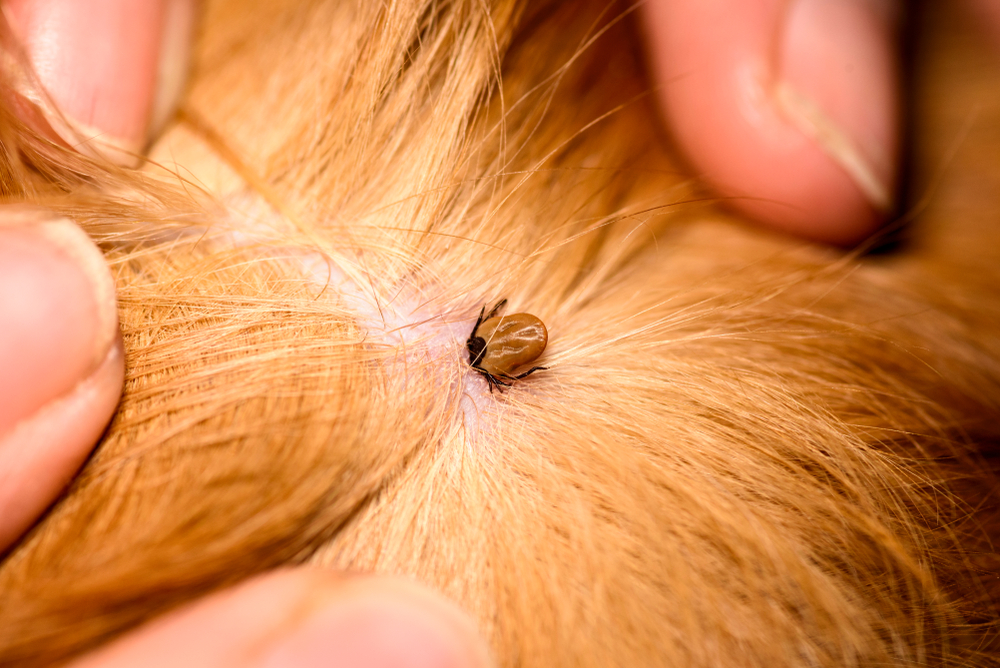
Ticks face cold weather by changing their activity levels. They do not die immediately from cold. Instead, they use survival methods to wait out winter.
Understanding how ticks behave in cold months helps reduce the risk of tick bites. This knowledge is useful for people who spend time outdoors during winter.
Dormancy And Quiescence
Ticks enter a state called dormancy or quiescence when temperatures drop. In this state, their bodies slow down, and they stop growing or feeding. This helps them survive cold weather.
- Dormancy lasts for weeks or months depending on the tick species.
- Ticks hide in leaf litter, soil, or under bark to stay warm.
- They reduce their metabolism to save energy.
- This state pauses their development until conditions improve.
Host-seeking Behavior
Ticks look for hosts less often in cold months. They become active only during warmer days. This behavior reduces their risk of freezing and helps them survive.
| Temperature Range | Tick Activity Level |
| Below 35°F (1.7°C) | Very low to none |
| 35°F to 45°F (1.7°C to 7.2°C) | Low activity during warm spells |
| Above 45°F (7.2°C) | Increased host-seeking |
Preventing Infestations Year-round
Fleas and ticks can survive cold weather in many areas. They hide in warm places to stay alive. This means pets and homes need protection all year.
Keeping pests away takes regular care. You can reduce the chance of infestation by using simple steps for your pets and yard.
Pet Protection Tips
Check your pet for fleas and ticks daily, especially after outdoor time. Use veterinarian-approved treatments to prevent pests. Keep your pet’s bedding clean and wash it often.
- Brush pets regularly to spot pests early
- Use flea and tick collars or topical treatments
- Consult your vet for year-round prevention options
- Keep pets away from tall grass and wooded areas
Home And Yard Treatment
Treat your home and yard to remove flea and tick hiding spots. Focus on areas where pets spend time. Clean carpets and furniture often to kill eggs and larvae.
| Area | Treatment Tip |
| Carpets and Rugs | Vacuum weekly and wash pet bedding |
| Yard | Keep grass short and remove leaf litter |
| Outdoor Furniture | Clean regularly and check for pests |
| Pet Resting Spots | Disinfect and wash covers often |

Credit: www.truesdalelandscaping.com

Credit: reliantpest.com
Frequently Asked Questions
Can Fleas Survive Freezing Temperatures?
Fleas can survive cold weather by seeking warm hosts or sheltered areas. They enter a dormant state to withstand freezing temperatures. Extreme cold may reduce flea populations but rarely eliminates them completely.
Do Ticks Remain Active During Winter?
Ticks become less active in cold weather but do not die off entirely. They hide in leaf litter or soil to stay warm. Some species can survive under snow and become active once temperatures rise.
How Do Fleas And Ticks Survive Winter Indoors?
Fleas and ticks survive winter indoors by living on pets and in carpets. Warm indoor environments allow them to breed and feed year-round. Regular cleaning and pet treatment help control their indoor presence.
Does Cold Weather Kill Flea Eggs And Larvae?
Cold weather slows flea egg and larva development but doesn’t kill them all. Flea eggs and larvae survive in protected areas like carpets and pet bedding. Effective pest control is necessary to eliminate these stages.
Conclusion
Fleas and ticks can survive cold weather in many cases. They hide in warm places like soil, leaves, or animal fur. Cold does not always kill them quickly. These pests stay active when conditions are right. Protect your pets and home all year round.
Regular checks and treatments help stop infestations early. Knowing how these pests behave helps you stay prepared. Don’t assume cold weather means no fleas or ticks. Stay alert and keep your animals safe.