How Do Atala Butterflies Survive Hurricanes: Nature’s Resilience Unveiled
Imagine facing the raw power of a hurricane, with its fierce winds and relentless rain. Now, picture something as delicate as a butterfly enduring this natural fury.
Intriguing, isn’t it? This is exactly the challenge that the Atala butterfly, a vibrant and beautiful species, regularly encounters. You might wonder, how do these fragile creatures manage to survive such extreme weather events? This mystery holds the key to understanding not just the resilience of nature, but also the incredible adaptability that even the smallest beings can exhibit.
As you read on, you’ll discover the fascinating strategies these butterflies employ to withstand hurricanes. Prepare to be amazed by the wonders of nature and the surprising tenacity of the Atala butterfly. You won’t want to miss this intriguing exploration!
Atala Butterfly Basics
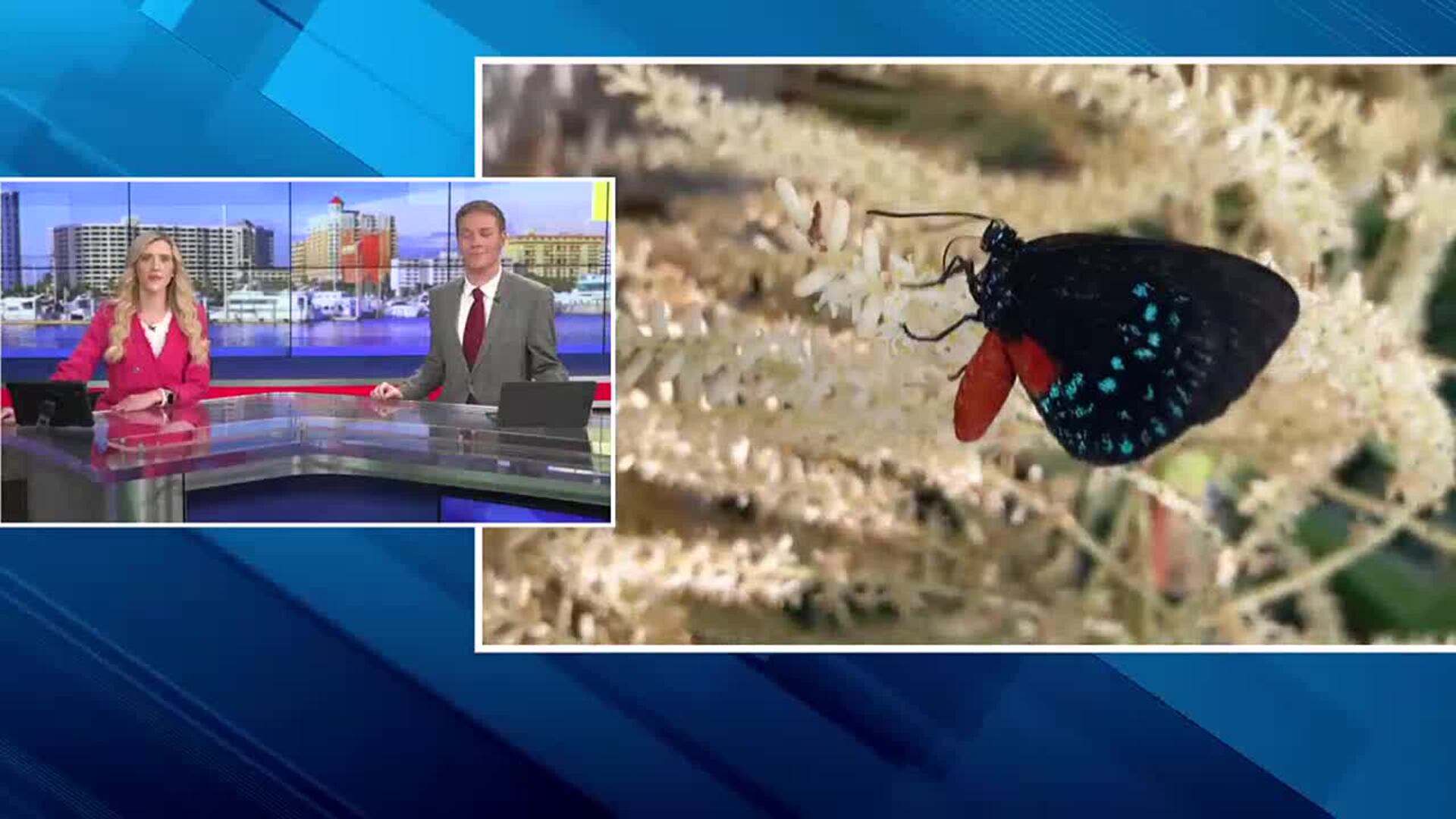
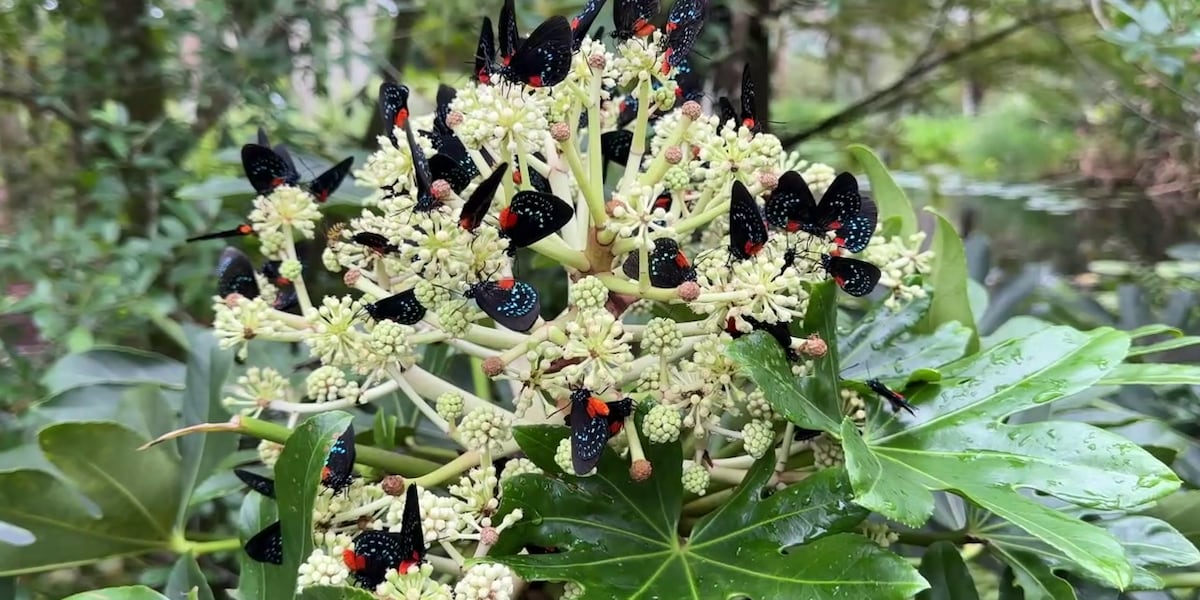
The Atala butterfly is a small, bright butterfly native to parts of Florida and the Caribbean. It is known for its striking blue-black wings with red spots.
Understanding its physical traits, habitat, and life cycle helps explain how it survives strong storms like hurricanes.
Physical Characteristics
The Atala butterfly has shiny, dark wings with vivid red markings. Its wingspan ranges from 2 to 3 inches. The bright colors warn predators that it is poisonous.
- Wings: Blue-black with red spots
- Size: Small, about 2-3 inches wide
- Body: Slim and black
- Warning colors to avoid predators
Habitat And Range
Atala butterflies live in tropical and subtropical areas. They prefer places with dense shrubs and palm plants. These plants are their main food source.
| Region | Common Habitat |
| Southern Florida | Coastal areas with palmetto plants |
| Caribbean Islands | Wet forests and garden spaces |
| Mexico | Lowland tropical forests |
Life Cycle
The Atala butterfly goes through four main stages in its life. Each stage helps it grow and prepare to survive harsh weather.
- Egg:Laid on the undersides of host plants.
- Larva (Caterpillar):Feeds on leaves and stores toxins for defense.
- Pupa (Chrysalis):Resting stage where transformation occurs.
- Adult:Flies to find mates and lay eggs again.
Hurricane Threats To Wildlife
Hurricanes are strong storms that cause damage to nature. They can change the homes of animals quickly.
Many animals, including insects and butterflies, face big problems during these storms. They need special ways to survive.
Impact Of Hurricanes On Insects
Hurricanes bring heavy rain and strong winds. These can wash away insect nests and food sources.
Insects like ants and beetles may lose their homes. They also find it hard to find food after storms.
- Flooding destroys insect habitats
- Strong winds blow insects far from home
- Food sources become scarce after storms
Challenges For Butterfly Survival
Butterflies are delicate insects that need plants to live. Hurricanes can remove these plants quickly.
Atala butterflies face trouble because their food plants get damaged. They must find shelter from harsh weather.
- Loss of food plants limits butterfly survival
- Strong winds can injure or kill butterflies
- Finding safe places to hide is difficult
Survival Strategies Of Atala Butterflies
Atala butterflies face many dangers during hurricanes. These storms bring strong winds and heavy rain. The butterflies use special ways to survive the harsh weather.
Understanding their survival helps us learn about nature’s strength. Atala butterflies have unique methods to stay safe and keep their species alive.
Behavioral Adaptations
Atala butterflies change their behavior to avoid harm. They fly to safer places before the storm arrives. They stay still during the worst weather to save energy.
- Seek shelter under leaves or branches
- Fly low to avoid strong winds
- Limit activity during heavy rain
- Use calm weather to feed and rest
Sheltering Mechanisms
These butterflies find strong shelters to protect themselves. They hide in thick plants or tree bark cracks. Their small size helps them fit into tight spaces.
| Shelter Type | Protection Features |
|---|---|
| Under leaves | Shields from rain and wind |
| Tree bark crevices | Safe from predators and weather |
| Dense shrubs | Reduces exposure to storm elements |
Reproductive Timing
Atala butterflies lay eggs at times with less storm risk. This helps young caterpillars grow safely. They avoid breeding during peak hurricane seasons.
- Lay eggs before storm season starts
- Choose protected plants for egg laying
- Hatch caterpillars during calm weather
- Ensure food plants survive storms for larvae
Credit: www.miamiherald.com
Role Of Host Plants During Storms
Atala butterflies depend on specific plants to survive. These plants help them during harsh weather. Storms like hurricanes can damage the environment.
The host plants play a key role in protecting the butterflies. They provide food and shelter when storms strike.
Connection With Coontie Plants
Coontie plants are the main host for Atala butterfly larvae. These plants hold the larvae during storms. They offer a safe place for butterflies to stay.
- Coontie plants grow low and close to the ground.
- Their tough leaves protect larvae from strong winds.
- They store water, helping butterflies survive dry spells after storms.
- Coontie plants recover fast, giving food soon after damage.
Plant Resilience And Recovery
Coontie plants can survive floods and heavy winds. They regrow leaves quickly after damage. This helps Atala butterflies find food fast.
| Plant Feature | Benefit During Storms |
|---|---|
| Deep roots | Keep plant anchored in strong winds |
| Thick leaves | Protect larvae from rain and wind |
| Fast regrowth | Provide food quickly after storm damage |
| Water storage | Support survival during dry periods post-storm |
Ecological Importance Of Resilience
Atala butterflies live in areas where hurricanes often happen. These storms can destroy their homes and food sources. Yet, Atala butterflies survive and keep their populations stable. Their resilience helps nature stay balanced.
Resilience means the ability to recover quickly from damage. Atala butterflies have traits that help them bounce back after hurricanes. This resilience is important for many parts of the environment.
Maintaining Biodiversity
Atala butterflies help keep many plants and animals alive. They pollinate flowers and serve as food for other animals. When they survive hurricanes, they continue to support many living things.
Their survival after storms helps keep a variety of species in the area. This variety is called biodiversity. Biodiversity makes nature stronger and helps it adapt to changes.
- Pollinate plants to help them grow
- Serve as food for birds and insects
- Keep plant and animal life diverse
Ecosystem Stability
Atala butterflies add balance to their ecosystems. After hurricanes, their return helps plants and animals recover. This keeps the ecosystem stable and healthy.
Without resilient species like Atala butterflies, ecosystems can break down. Their survival helps nature stay strong and continue working well.
- Support plant growth by pollination
- Help food chains stay connected
- Promote long-term ecosystem health
Credit: www.mysuncoast.com
Research And Conservation Efforts
Atala butterflies face many dangers from hurricanes. Scientists study how these butterflies survive strong storms. Conservation groups work to protect their homes and numbers.
These efforts help keep Atala butterflies safe. They also teach people how to help these bright insects live through bad weather.
Monitoring Populations
Researchers track Atala butterfly numbers before and after hurricanes. This helps them see how many survive and where they go. They count butterflies in different places to find trends.
- Survey key habitats regularly
- Record butterfly sightings and counts
- Use tags to track individual butterflies
- Share data with conservation groups
Habitat Restoration
Hurricanes can destroy plants where Atala butterflies live. Restoring these plants helps butterflies find food and shelter again. Workers plant native species that grow fast and provide cover.
| Plant Species | Purpose | Growth Time |
| Coontie | Host plant for larvae | 6 months |
| Milkweed | Food source for adults | 4 months |
| Wildflowers | Nectar for adults | 3 months |
Community Involvement
Local people help protect Atala butterflies by planting gardens and watching for changes. Education programs teach how hurricanes affect butterflies and why care is needed. Volunteers join clean-up and planting days.
- Plant host and nectar plants at home
- Report butterfly sightings to scientists
- Join local restoration projects
- Attend workshops on butterfly care
Credit: www.mysuncoast.com
Frequently Asked Questions
How Do Atala Butterflies Endure Strong Hurricanes?
Atala butterflies survive hurricanes by seeking shelter in dense vegetation. They hide under leaves and branches to avoid strong winds and rain. Their small size and agility help them stay protected during storms. This behavior increases their chances of surviving extreme weather events.
What Habitats Help Atala Butterflies Survive Hurricanes?
Atala butterflies thrive in tropical and subtropical habitats with abundant dense foliage. These environments provide natural shelter during hurricanes. The thick vegetation acts as a windbreak and shield from heavy rain. Such habitats are crucial for their survival during severe weather.
Do Atala Butterflies Migrate To Escape Hurricanes?
No, Atala butterflies do not migrate to avoid hurricanes. Instead, they rely on local shelter and their resilience. They remain in their habitat and use natural cover to protect themselves. This strategy helps them survive without needing long-distance migration.
How Do Hurricanes Impact Atala Butterfly Populations?
Hurricanes can reduce Atala butterfly populations temporarily by destroying habitats. However, their ability to find shelter helps many survive. Post-hurricane vegetation regrowth supports population recovery. Their resilience allows them to rebound after storms, maintaining their species presence.
Conclusion
Atala butterflies use smart ways to survive hurricanes. They hide in thick plants and stay still during storms. Their small size helps them avoid strong winds. After the hurricane, they quickly find food and shelter. These butterflies show how nature adapts to tough times.
Watching them teaches us about survival and strength. Nature’s ways are simple but very effective. Atala butterflies remind us to stay calm in hard times. Their story inspires hope and patience in all of us.