Will My House Survive a Hurricane: Essential Tips to Protect It
When you hear the word “hurricane,” does a knot form in your stomach? You’re not alone.
Many homeowners wonder if their house is ready to face the fury of a hurricane. You might find yourself lying awake at night, worrying about the safety of your home and loved ones. Imagine the peace of mind you’d feel, knowing you’ve done everything possible to protect your investment.
We’ll explore the crucial factors that determine whether your house can withstand a hurricane. We’ll also provide practical tips that could make all the difference. Keep reading to discover how you can boost your home’s resilience and ensure your family’s safety.
Assessing Your Home’s Vulnerability
Hurricanes bring strong winds and heavy rain. These forces can damage your home if it is not strong enough.
Checking your home for weak spots helps you prepare better. It can reduce damage during a storm.
Identifying Structural Weaknesses
Look at the foundation and walls for cracks or damage. These can let water in or cause walls to fall.
Check if the house frame is firmly connected. Loose connections can break in strong winds.
- Inspect the foundation for cracks or sinking
- Look for gaps between walls and roof
- Check if beams and posts are secure
- Find signs of wood rot or termite damage
Evaluating Roof Strength
The roof protects your home from wind and rain. A weak roof can lift off during a hurricane.
Look for missing, loose, or damaged shingles. Check if the roof is properly fastened to the house.
- Check for loose or missing shingles
- Look for signs of leaks inside the attic
- Ensure roof trusses are nailed or bolted well
- Inspect flashing around chimneys and vents
Checking Doors And Windows
Doors and windows are common entry points for wind and water. They need to be strong and sealed well.
Check if doors and windows close tightly. Look for cracks in frames or broken seals.
- Use impact-resistant glass or storm shutters
- Ensure door frames are solid and secure
- Check weatherstripping for gaps or damage
- Make sure locks and hinges are sturdy
Preparing Your Home Exterior
Protecting your home’s outside is key before a hurricane hits. Strong winds and rain can cause damage if your home is not ready.
Focus on parts like the roof, windows, and garage doors. Taking action early helps keep your home safe.
Securing Roof Shingles And Tiles
Loose shingles or tiles can fly off in a storm and cause damage. Check your roof for weak spots or missing pieces.
- Replace any missing or broken shingles or tiles.
- Use roofing cement to seal loose edges.
- Consider adding hurricane straps for extra hold.
- Clear gutters and downspouts to prevent water build-up.
Installing Storm Shutters
Storm shutters protect windows from flying debris. They are a strong barrier during high winds.
| Type of Shutter | Material | Pros | Cons |
| Accordion | Aluminum | Easy to use, stays attached | Can be expensive |
| Roll-down | Steel or Aluminum | Strong and quick to deploy | Needs professional installation |
| Bahama | Aluminum or Polycarbonate | Shade and protection | Less secure than others |
| Panel | Steel or Plywood | Cost-effective, strong | Heavy and needs storage |
Reinforcing Garage Doors
Garage doors are vulnerable to hurricane winds. Reinforce them to stop break-ins and damage.
- Install vertical and horizontal braces inside the door.
- Use a heavy-duty latch or lock on the door handle.
- Check the door’s tracks and rollers for wear.
- Consider a wind-rated garage door for better protection.
Protecting Interior Elements
Hurricanes bring strong winds and heavy rain that can damage your home’s interior. Protecting inside elements helps reduce repair costs after a storm. Focus on key areas to keep your home safe and dry.
Taking simple steps before a hurricane can keep electrical systems, utilities, and lower spaces secure. Proper care also prevents hazards like fires and mold growth.
Safeguarding Electrical Systems
Electrical systems face risks from water and power surges during hurricanes. Protect wiring, outlets, and panels to avoid damage and danger.
- Turn off the main power if flooding is expected.
- Use waterproof covers on outdoor electrical outlets.
- Install surge protectors for sensitive electronics.
- Keep electrical panels elevated above floor level.
- Check for exposed wiring and repair it promptly.
Elevating Important Utilities
Utilities like water heaters and HVAC units can flood easily. Raising them helps prevent water damage and keeps systems working after the storm.
| Utility | Recommended Elevation | Reason |
|---|---|---|
| Water Heater | 12 inches above floor | Prevents flood damage and gas leaks |
| Furnace/AC Unit | Above known flood levels | Keeps equipment dry and functional |
| Electrical Panel | At least 12 inches high | Avoids water contact and short circuits |
Waterproofing Basements And Crawl Spaces
Basements and crawl spaces often flood first. Waterproofing stops water from entering and protects your home’s foundation and interior.
Use these tips to keep these areas dry:
- Seal cracks and gaps with waterproof sealant.
- Install sump pumps to remove water quickly.
- Use vapor barriers on soil in crawl spaces.
- Ensure proper drainage around the foundation.
- Keep gutters and downspouts clean and directed away from the house.

Credit: www.scrippsnews.com
Landscaping For Storm Resistance
Good landscaping can help protect your home during a hurricane. Plants and trees can reduce wind and water damage.
Planning your yard with strong plants and clear spaces makes your home safer in storms.
Trimming Trees And Shrubs
Keep trees and shrubs trimmed to stop branches from breaking. Broken branches can damage your house or cars.
Remove weak or dead branches to lower the risk of them falling in strong winds.
- Cut branches near power lines carefully
- Trim branches that touch your roof or walls
- Keep trees healthy with regular pruning
Removing Loose Debris
Clear your yard of loose items like sticks, leaves, and garden tools. These can become flying debris in a storm.
Regularly rake leaves and pick up branches after storms to keep your yard safe.
- Store garden tools inside
- Secure or remove outdoor furniture
- Pick up fallen leaves and branches
Creating Windbreaks
Plant windbreaks to reduce strong winds near your home. Trees and shrubs can block or slow wind.
Place windbreaks on the side of your house that faces the strongest winds.
- Use dense, sturdy plants like evergreens
- Plant windbreaks at least 10 feet from your home
- Combine different plants for better protection
Emergency Preparedness Measures
Preparing for a hurricane can protect your home and family. Knowing what to do before the storm helps reduce risks.
Emergency preparedness means having a plan, supplies, and important documents ready. This guide covers key steps to keep safe.
Creating A Hurricane Safety Plan
Make a clear safety plan for your family. Decide where to go and how to stay in touch during the hurricane.
- Choose a safe shelter location inside or outside your home.
- List emergency contacts and share them with family members.
- Plan evacuation routes and practice them regularly.
- Assign roles to each family member for tasks during the storm.
- Keep a battery-powered radio to receive weather updates.
Stocking Essential Supplies
Gather supplies that you will need for at least three days. These items help you survive if you lose power or access to stores.
- Water: one gallon per person per day
- Non-perishable foods like canned goods and dry snacks
- Flashlights and extra batteries
- First aid kit and necessary medications
- Personal hygiene items such as soap and hand sanitizer
- Cash in small bills
- Portable phone chargers
Securing Important Documents
Protect your key documents from water and damage. Keep them easy to access during an emergency.
| Document | Storage Tip |
| Insurance policies | Waterproof folder or plastic bag |
| Identification cards | Seal in a zip-lock bag |
| Property deeds | Safe deposit box or fireproof safe |
| Medical records | Digital copies on USB drive |
| Emergency contacts list | Printed and stored with documents |

Credit: www.realtor.com
Insurance And Financial Protection
Protecting your home from hurricane damage means planning ahead. Insurance and financial protection help cover repair costs and losses. Understanding your coverage is key to being ready.
Check your policies before a storm hits. Knowing what is covered can reduce stress and save money after a hurricane.
Reviewing Homeowner’s Insurance
Homeowner’s insurance covers many types of damage but may not include flooding. Check your policy details carefully. Confirm coverage limits and deductibles. Know if wind damage is included or excluded.
- Verify wind and hail damage coverage
- Check policy limits and deductibles
- Understand exclusions and special conditions
- Ask about temporary housing coverage
- Update your policy if needed
Understanding Flood Insurance
Flood insurance is separate from homeowner’s insurance. It protects your home from water damage during floods. Many hurricane damages come from flooding, so this coverage is important.
| Type of Damage | Covered by Homeowner’s Insurance | Covered by Flood Insurance |
| Wind Damage | Yes | No |
| Flood Damage | No | Yes |
| Hail Damage | Yes | No |
| Storm Surge | No | Yes |
Documenting Property Condition
Keep records of your home’s condition before a hurricane. Photos and videos help prove damage for insurance claims. Store documents safely where you can access them after a storm.
- Taking photos of each room and exterior
- Recording serial numbers of valuable items
- Saving receipts for major purchases and repairs
- Keeping copies of insurance policies

Credit: www.aol.com
Frequently Asked Questions
How Can I Reinforce My House Against Hurricanes?
You can reinforce your house by installing impact-resistant windows and doors. Strengthen the roof with hurricane straps. Seal gaps and secure garage doors. Regular maintenance of the structure improves resilience. These steps reduce damage during a hurricane.
What House Features Improve Hurricane Survival Chances?
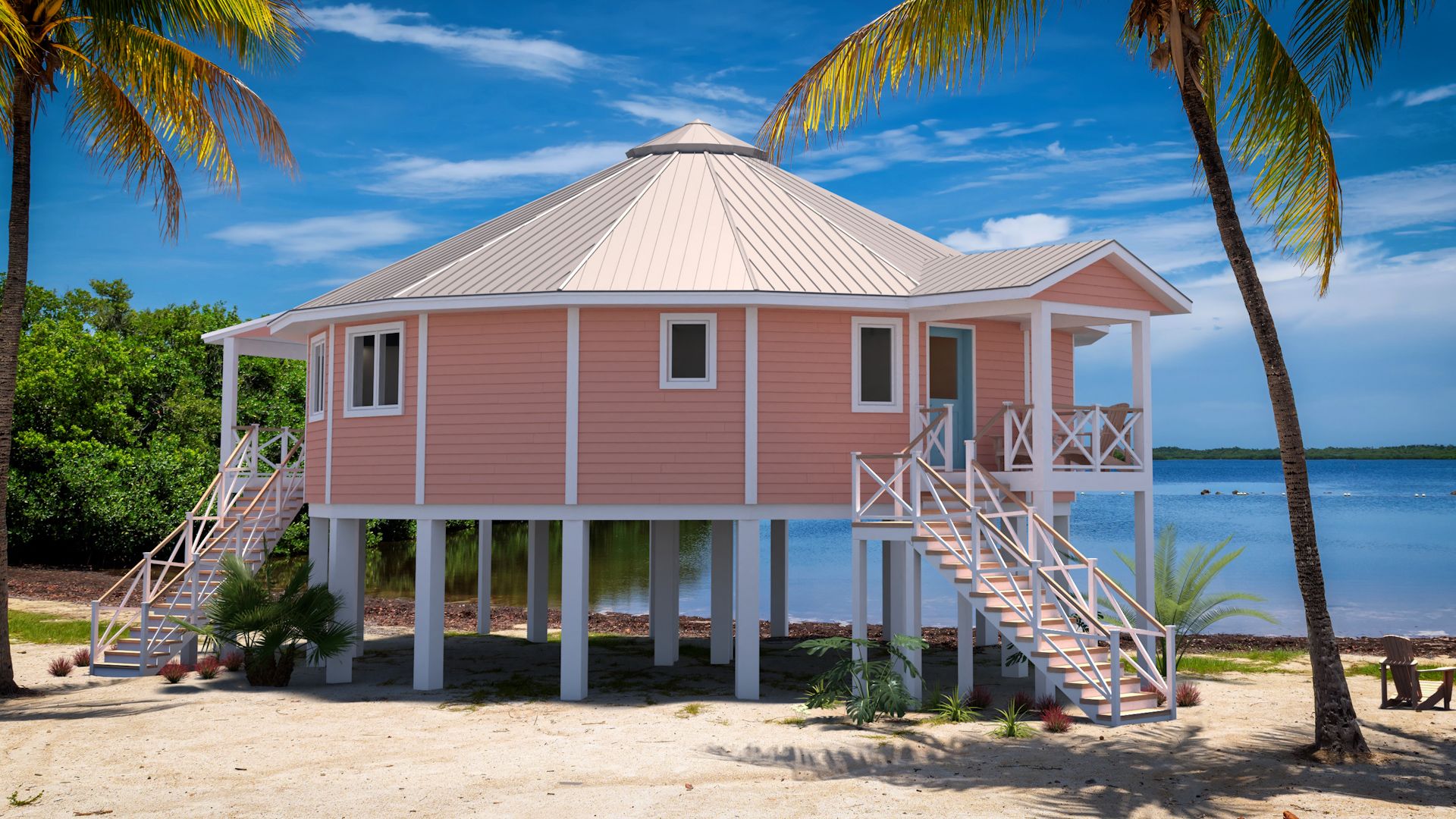
Features like a strong roof, storm shutters, and reinforced doors enhance survival. Elevated foundations prevent flood damage. Properly anchored structures resist high winds. These features help protect your home from hurricane impact.
How Does House Location Affect Hurricane Damage Risk?
Homes near coastlines face higher hurricane risks due to storm surges. Elevated areas reduce flood threats. Local terrain and vegetation can influence wind impact. Understanding location risks helps in planning hurricane preparedness.
Are Older Homes Less Likely To Survive Hurricanes?
Older homes may lack modern building codes and materials. They often have weaker roofs and windows. Retrofitting older houses with hurricane-resistant upgrades increases survival chances. Regular inspections identify and fix vulnerabilities.
Conclusion
Preparing your house for a hurricane takes effort and planning. Strong doors and windows help keep wind and rain out. Clearing debris can prevent damage around your home. Staying informed about weather updates saves lives. Small changes can make a big difference in safety.
Remember, no house is completely hurricane-proof. But being ready boosts your chances to protect your home. Take steps now to face the storm with confidence. Safety starts with preparation and smart choices. Stay safe and protect what matters most.