How to Survive in Extreme Cold Weather: Essential Life-Saving Tips
When the temperature drops and the world outside turns into a frozen landscape, knowing how to survive in extreme cold weather becomes essential. Imagine yourself surrounded by a winter wonderland, where every breath you take feels like a reminder of just how chilly it is.
But don’t worry—you’re not alone in this frosty adventure. In this guide, you’ll uncover simple yet effective strategies to keep you safe and warm, no matter how low the mercury falls. Have you ever wondered why some people seem to handle the cold better than others?
Or what secret tricks they might be using to stay cozy when the wind bites and the snow piles up? By the end of this article, you’ll have a toolkit of practical tips and insights that will transform the way you experience winter. So grab a hot drink, wrap yourself in a blanket, and get ready to discover how you can not just endure, but truly thrive in the cold.

Credit: expertvagabond.com
Preparing For Cold Weather
Extreme cold weather can be dangerous if you are not ready. Staying warm and safe requires good planning and the right gear.
Learn how to choose clothing, pack essential items, and plan your route and shelter to survive in cold conditions.
Choosing The Right Clothing
Wear several layers of clothing to keep heat close to your body. Use materials that dry quickly and keep you warm even when wet.
Cover your head, hands, and feet well, as these areas lose heat fastest.
- Start with a moisture-wicking base layer
- Add an insulating middle layer like fleece or wool
- Wear a waterproof and windproof outer layer
- Use insulated gloves and warm hats
- Wear thick socks and waterproof boots
Packing Essential Gear
Bring tools and supplies that help you stay warm and safe. Include items that can start a fire, signal for help, and provide extra warmth.
Keep your gear dry and easy to reach in your pack.
- Extra warm clothing and socks
- Fire-starting tools like matches or lighters
- Emergency blanket or sleeping bag
- High-energy food and water
- First aid kit and whistle
- Map, compass, or GPS device
- Headlamp or flashlight with extra batteries
Planning Your Route And Shelter
Choose a safe path that avoids dangerous areas. Plan where you can find or build shelter if the weather worsens.
Check the weather forecast and tell someone your plans before you leave. Know how to find natural shelter or carry a tent.
- Pick routes with easy access to shelter
- Avoid steep or icy slopes
- Know how to build a snow cave or windbreak
- Plan breaks in sheltered areas
- Carry a small, lightweight tent if possible

Credit: www.selfrelianceoutfitters.com
Protecting Your Body
Surviving extreme cold means keeping your body safe from harsh weather. Cold can harm your skin, muscles, and organs. You must protect your body well to stay healthy and warm.
Good clothing and smart habits help your body stay warm. Learn how to layer clothes, avoid frostbite, and keep your body heat steady.
Layering Techniques
Wearing layers traps heat and protects you from wind and moisture. Each layer has a job to keep you warm and dry.
- Base Layer:Wear a thin, moisture-wicking fabric to keep sweat away.
- Middle Layer:Add insulation with fleece or wool to hold body heat.
- Outer Layer:Use a waterproof and windproof jacket to block cold air and wetness.
- Accessories:Don’t forget hats, gloves, and scarves to cover exposed skin.
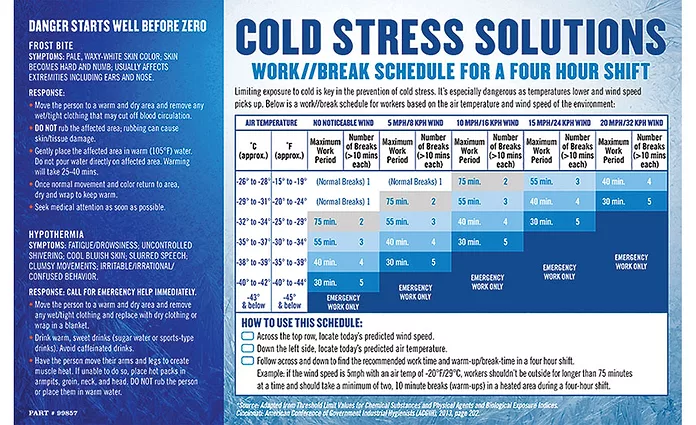
Preventing Frostbite And Hypothermia
Frostbite and hypothermia are serious cold injuries. Frostbite harms skin and tissue. Hypothermia lowers your body temperature dangerously.
- Watch for numbness or pale skin on fingers, toes, nose, and ears.
- Keep moving to improve blood flow.
- Avoid tight clothing that blocks circulation.
- Seek shelter and warm up if you feel very cold or tired.
- Drink warm fluids and avoid alcohol or caffeine.
Maintaining Body Heat
Keeping your body heat steady stops you from getting sick or weak. Use several ways to stay warm.
| Method | How It Helps |
| Eat high-energy foods | Fuel your body to produce heat |
| Stay dry | Wet clothes cool your body fast |
| Cover your head and hands | Stop heat loss from key areas |
| Keep moving | Boost blood flow and warmth |
| Use heat packs or warm water bottles | Add extra warmth in cold spots |
Finding And Building Shelter
Surviving in extreme cold weather needs good shelter. Shelter protects you from wind, snow, and cold air. Finding or building shelter can save your life.
Use natural spots or build a shelter with what you have. Keep warmth and safety in mind when choosing a shelter place.
Natural Shelter Options
Nature offers many shelters to protect from cold. Look for caves, rock overhangs, or dense trees. These places block wind and snow well.
Snow can also be used to create shelter. Snow caves or trenches provide good insulation from cold air. Make sure the shelter is stable and safe.
- Find caves or rock shelters
- Use thick tree branches and leaves
- Create snow caves or trenches
- Avoid places with danger of collapse
Constructing Emergency Shelters
Build a quick shelter using available materials. Use branches, leaves, or tarps to block wind and cold. Keep the shelter small to trap body heat.
Lean-to shelters and debris huts are easy to make. They help block wind and keep you dry. Always build your shelter before it gets dark.
- Collect strong branches for frame
- Cover frame with leaves, pine needles, or tarp
- Build small shelter to keep heat inside
- Place shelter near natural windbreaks
- Clear snow or debris from shelter floor
Insulating Your Shelter
Insulation keeps your shelter warm by trapping heat. Use dry leaves, grass, or pine needles to line the floor. This stops cold from the ground.
Cover shelter walls with extra branches or snow. This adds layers to block cold air. The more insulation, the warmer your shelter stays.
- Use dry materials for floor bedding
- Add thick layers on walls and roof
- Seal gaps to stop cold air
- Use snow as natural insulation
- Keep shelter dry to maintain warmth
Securing Food And Water
Surviving extreme cold needs careful planning for food and water. You must find safe water and enough food to keep warm. Proper storage and cooking help avoid sickness.
Focus on clean drinking water, energy-rich foods, and safe food handling. These steps keep your body strong and healthy in cold weather.
Sourcing Safe Drinking Water
Water from natural sources may carry germs or chemicals. Always make sure to treat water before drinking. Boiling is the safest way to kill bacteria and viruses.
- Collect water from clear streams or melted snow
- Use a portable water filter if possible
- Boil water for at least one minute before drinking
- Store water in clean, sealed containers
Food Choices For Energy
Choose foods that provide lots of calories and nutrients. Your body burns more energy in cold weather. Eat foods rich in fats, proteins, and carbohydrates.
- Nuts and seeds for healthy fats
- Jerky or dried meat for protein
- Whole grain bread or crackers for carbs
- Energy bars for quick fuel
- Freeze-dried meals for easy cooking
Storing And Cooking Food Safely
Store food where it stays cold but not frozen solid. Keep it sealed to avoid contamination. Cook food fully to kill germs and avoid illness.
| Storage Method | Tips |
|---|---|
| Cold Storage | Keep food in insulated containers or snow shelters |
| Sealing | Use airtight bags or containers to protect food |
| Cooking | Boil or heat food thoroughly before eating |
| Leftovers | Reheat leftovers fully and consume quickly |
Staying Safe And Navigating
Extreme cold weather can be dangerous if you are not prepared. It is important to know how to stay safe and find your way.
This guide will help you recognize weather signs, navigate in snow, and communicate during emergencies.
Recognizing Weather Signs
Watch the sky and feel the air temperature. Dark clouds and strong winds mean a storm may come. Sudden drops in temperature can warn of frost or ice.
- Look for dark or heavy clouds
- Notice if the wind picks up speed
- Feel if the air becomes colder quickly
- Watch for snow flurries or ice forming
- Listen for howling or whistling winds
Navigating In Snowy Conditions
Snow can hide paths and landmarks. Use tools like a compass or GPS to keep your direction. Move slowly to avoid slipping or falling.
| Navigation Tip | Description |
| Use a Compass | Check your heading often to stay on track |
| Follow Trails | Look for marks or signs left on trees or rocks |
| Mark Your Path | Drop small flags or sticks to find your way back |
| Move Carefully | Take small steps and watch for ice |
Emergency Communication Methods
If you get lost or hurt, you need to call for help. Use radios, phones, or signal fires to alert others. Keep devices dry and warm to work well.
Emergency Signals:
- Use a whistle to make loud sounds
- Flash a light or mirror at rescuers
- Build a small fire to create smoke
- Send text messages if phone calls do not work
First Aid In Extreme Cold
Extreme cold can cause serious health problems fast. Knowing first aid helps save lives and reduce harm.
This guide explains how to treat frostbite, manage hypothermia, and handle cold-related injuries safely.
Treating Frostbite
Frostbite happens when skin and tissue freeze. It often affects fingers, toes, nose, and ears.
Do not rub or massage frostbitten skin. This can cause more damage.
- Move the person to a warm place.
- Warm the affected area with warm (not hot) water, about 104°F (40°C).
- Keep the frostbitten area raised to reduce swelling.
- Cover with clean, dry cloth or bandage.
- Do not break blisters or apply direct heat.
- Seek medical help quickly.
Managing Hypothermia
Hypothermia occurs when body temperature drops below 95°F (35°C). It is life-threatening.
Signs include shivering, confusion, slow breathing, and weak pulse. Act fast to help.
- Move the person indoors or to a shelter.
- Remove wet clothes and dry the person.
- Wrap in warm blankets or clothing.
- Offer warm, non-alcoholic drinks if conscious.
- Use body heat to warm if no blankets are available.
- Call emergency services immediately.
Dealing With Cold-related Injuries
Cold injuries include chilblains, trench foot, and hypothermia. They cause pain, swelling, and skin damage.
Early care reduces damage and prevents infection. Always treat injuries gently and keep the person warm.
- For chilblains, keep the skin warm and dry.
- Raise and rest the injured foot or hand.
- Do not walk on feet with trench foot until healed.
- Seek medical care if blisters or sores appear.
- Watch for signs of infection like redness or pus.

Credit: expertvagabond.com
Frequently Asked Questions
How Can I Dress Properly For Extreme Cold Weather?
Layer your clothing using moisture-wicking base layers, insulating middle layers, and waterproof outer layers. Cover extremities with gloves, hats, and thermal socks to retain heat and prevent frostbite.
What Are The Best Foods To Eat In Cold Weather?
Consume high-calorie, nutrient-rich foods like nuts, dried fruits, and lean proteins. Warm meals and hot drinks help maintain body temperature and energy during cold conditions.
How Do I Prevent Frostbite And Hypothermia?
Stay dry and limit skin exposure to cold air. Wear insulated clothing, take breaks in warm shelters, and avoid prolonged outdoor exposure in freezing temperatures.
What Emergency Supplies Should I Carry In Cold Environments?
Pack extra clothing, thermal blankets, high-energy snacks, water, a first aid kit, and reliable communication devices. These essentials improve survival chances during unexpected cold weather emergencies.
Conclusion
Staying safe in extreme cold takes careful planning and smart actions. Dress in layers to keep warm and dry. Keep moving to stay energized and avoid frostbite. Drink water often, even if you don’t feel thirsty. Know the signs of cold-related illnesses and act fast.
Prepare your shelter and supplies before the cold hits. These simple steps help you survive and stay healthy. Cold weather is tough, but you can handle it. Stay aware, stay warm, and stay safe.