What Type of Jomes Survived the Hurricane: Top Resilient Homes Revealed
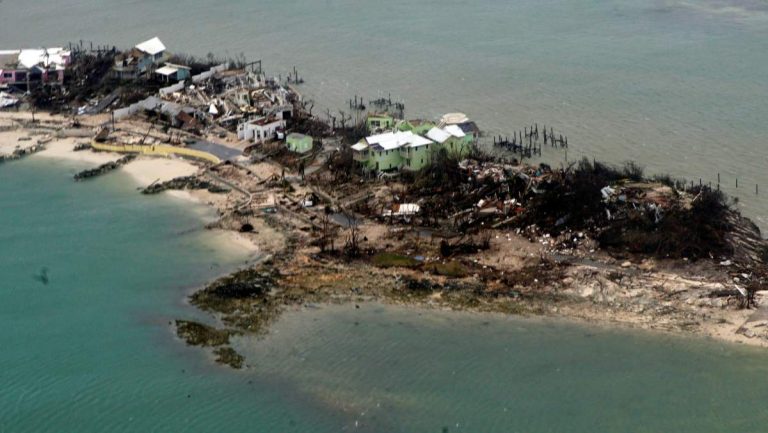
When a hurricane barrels through, the aftermath can be devastating. As you sift through the chaos, you might find yourself asking: “What type of homes survived the hurricane?”
This question isn’t just about bricks and mortar; it’s about your safety, your family, and your future. Imagine knowing the secrets to building or choosing a home that stands resilient in the face of nature’s fury. Wouldn’t you want that peace of mind?
You’ll discover the construction methods and design features that made certain homes withstand the storm. Stay with us, as this could be the most important read for safeguarding your home and loved ones.
Hurricane Impact On Homes
Hurricanes cause strong winds and heavy rain. These forces test the strength of houses.
Some homes survive better than others. This depends on how they are built and where they are located.
Common Damage Patterns
Many homes face similar types of damage during hurricanes. Roofs often suffer from flying debris and strong winds. Walls may crack or collapse if not properly reinforced. Flooding can damage lower floors and foundations.
- Roof damage from high winds and debris
- Wall cracks and structural failures
- Flooding in basements and ground floors
- Broken windows and doors
- Damage to outdoor structures like garages and fences
Factors Influencing Home Survival
Several factors help some homes survive hurricanes better. Building materials, design, and location all matter. Strong foundations and roof attachments improve survival chances. Elevation above flood levels protects homes from water damage.
| Factor | Effect on Survival |
| Building Material | Concrete and brick resist wind better than wood |
| Roof Design | Sloped roofs reduce wind pressure |
| Elevation | Higher homes avoid flood damage |
| Foundation Type | Deep foundations prevent collapse |
| Window Protection | Shutters reduce breakage |

Credit: www.scrippsnews.com
Key Features Of Resilient Homes
Hurricanes cause strong winds and heavy rain. Some homes survive better than others. Resilient homes have special features that protect them.
These homes use strong designs, tough materials, and smart foundations. These key features help them stand during storms.
Structural Design Elements
Strong structural design helps homes resist hurricane forces. Simple shapes like rectangles reduce wind pressure.
Roofs with steep slopes and secure attachments prevent damage. Roof ties and hurricane straps keep roofs in place.
- Simple home shapes reduce wind damage
- Strong roof connections prevent uplift
- Impact-resistant windows and doors add protection
Materials That Withstand Storms
Using durable materials helps homes survive hurricanes. Concrete, brick, and steel resist wind and water well.
Water-resistant siding and impact glass protect the home inside from rain and flying debris.
- Concrete walls resist wind and water
- Steel frames provide strong support
- Impact glass prevents window breakage
- Waterproof siding reduces water damage
Foundation And Elevation Importance
Homes built on strong foundations stay stable in storms. Elevation helps avoid flood damage.
Raised floors keep water from entering. Deep foundations hold the house firmly in place.
- Strong concrete or pier foundations resist movement
- Elevated homes avoid flood waters
- Proper drainage around foundation prevents water build-up
Top Types Of Resilient Homes
Some homes stand strong even after hurricanes hit. These homes use tough materials and smart designs. They protect families and reduce damage.
We will look at four types of homes that survive hurricanes well. Each type has special features that help it resist strong winds and floods.
Concrete And Masonry Homes
Concrete and masonry homes use bricks, blocks, or poured concrete. These materials make the walls very strong. They resist wind pressure and debris impact.
These homes often have reinforced roofs and small windows. This design lowers the chance of damage during a storm.
- Thick walls protect against wind and water
- Concrete resists fire and rot
- Reinforced roof ties keep the roof attached
- Small or storm-proof windows reduce breakage
Steel Frame Structures
Steel frames are strong and flexible. They bend but do not break in strong winds. This makes them good for hurricane zones.
Steel buildings also resist termites and fire. The metal frame holds up the house even if other parts get damaged.
- Strong metal resists high wind forces
- Flexible frames absorb storm energy
- Resistant to pests and fire
- Can support heavy roofs and walls
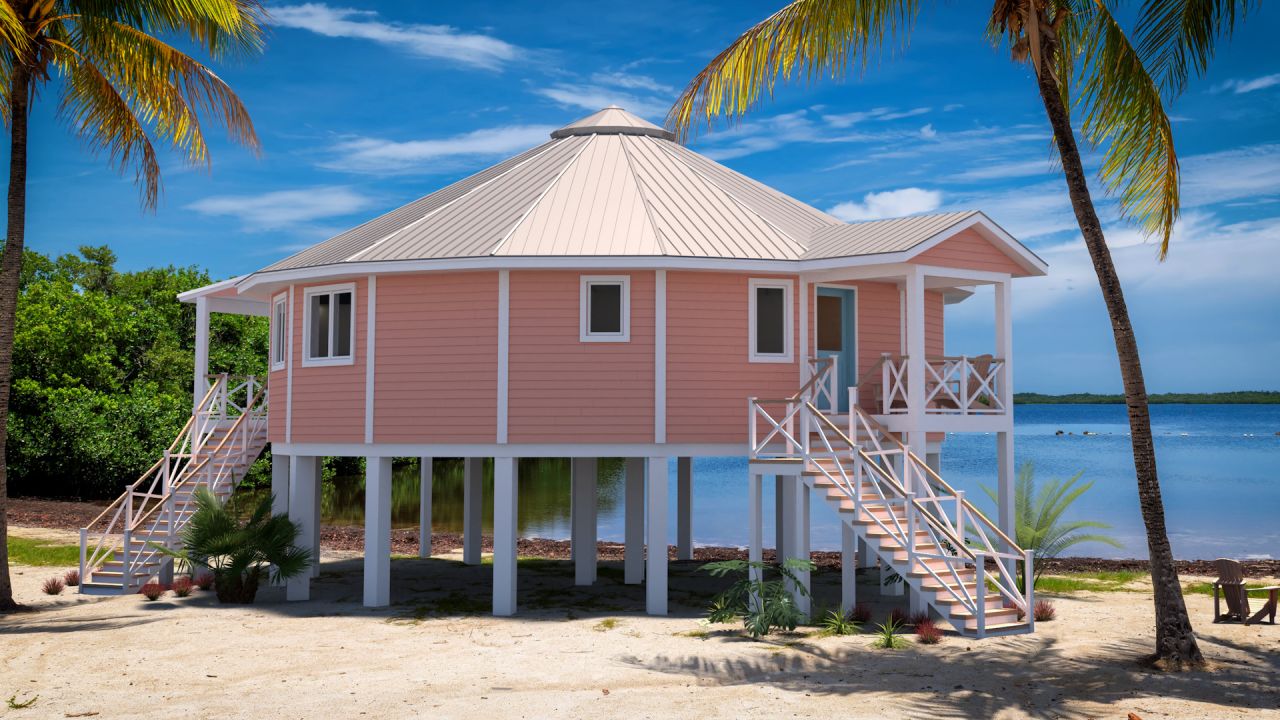
Elevated Coastal Houses
Homes near the coast often stand on stilts or piers. This raises the house above floodwaters and storm surge.
Elevated homes reduce water damage and make it easier for water to flow under the house. This keeps the structure safe.
- Raised floors protect from flooding
- Open space under house allows water to pass
- Stronger foundations resist erosion
- Good for areas with frequent storm surges
Modular And Prefabricated Designs
Modular homes are built in parts at a factory. They are then assembled on site quickly. This method uses strong materials and tight construction.
Prefabricated designs often include hurricane straps and reinforced connections. These help the house stay stable during storms.
- Factory-built parts ensure quality control
- Strong connections resist wind uplift
- Quick assembly reduces exposure to weather
- Can use hurricane-resistant materials easily

Credit: nara.getarchive.net
Innovations In Hurricane-resistant Construction
Hurricanes cause severe damage to homes every year. Builders now use new methods to make houses stronger. These changes help homes survive strong winds and heavy rain.
This article covers three key areas that improve home safety: windows and doors, roof systems, and smart home technology.
Impact-resistant Windows And Doors
Impact-resistant windows and doors are made with tough materials. They block flying debris during storms. These windows use strong glass with a plastic layer inside.
- Use laminated glass to stop shattering
- Have reinforced frames to hold the glass firmly
- Include secure locking systems to prevent break-ins
- Pass strict building codes for storm resistance
Reinforced Roof Systems
Roofs face the most pressure during hurricanes. Reinforced roof systems keep the roof attached to the house. They use stronger materials and extra fasteners.
| Roof Feature | Benefit |
| Metal connectors | Secure roof to walls |
| Hurricane straps | Prevent roof uplift |
| Concrete or tile shingles | Resist wind damage |
| Proper roof slope | Reduce wind pressure |
Smart Home Technologies For Storm Preparedness
Smart home systems help homeowners prepare for storms. They offer alerts and control safety devices remotely. These tools increase safety before and during hurricanes.
- Weather sensors to detect storm threats early
- Automated window and door locks for quick sealing
- Remote monitoring of roof and structure conditions
- Backup power systems to keep essentials running
Case Studies Of Surviving Homes
Hurricanes cause massive damage to homes and communities. Some homes survive these storms better than others. Studying these homes helps us understand what works.
This article looks at homes from recent major hurricanes. It also shares lessons learned from those who lived through the storms.
Homes From Recent Major Hurricanes
Homes that survived recent hurricanes often had strong building materials. They also followed strict building codes designed for storm resistance.
- Concrete walls and roofs held up better than wood.
- Homes elevated on stilts avoided flood damage.
- Impact-resistant windows prevented wind and debris damage.
- Roof designs with fewer edges helped reduce wind uplift.
- Well-anchored foundations kept homes stable.
Lessons Learned From Survivors
Survivors shared what helped their homes stay safe. Many said preparation and design mattered most.
| Lesson | Details |
| Building Materials | Use concrete or brick for walls and roofs. |
| Elevation | Raise homes to avoid floodwaters. |
| Windows | Install impact-resistant or storm shutters. |
| Roof Design | Choose simple shapes with strong attachments. |
| Foundation | Anchor homes deeply to resist strong winds. |
| Regular Maintenance | Check and repair weak spots before storms. |
Building Codes And Regulations
Hurricanes test the strength of homes along the coast. Some homes stand firm because they follow strong building codes. These codes set rules for how to build safely in storm-prone areas.
Understanding these rules helps us see why some homes survive and others do not. Building codes and inspections play a big role in protecting homes from hurricane damage.
Updated Standards For Coastal Areas
Coastal areas have special building standards to face strong winds and flooding. These updated standards require stronger materials and designs that resist hurricanes better.
- Use impact-resistant windows and doors
- Elevate homes above flood levels
- Anchor roofs securely to the walls
- Build with wind-rated roofing materials
- Install proper drainage systems around the home
Role Of Inspections And Compliance
Inspections ensure builders follow the rules exactly. Inspectors check materials, construction methods, and safety features during building.
| Inspection Stage | What Is Checked | Purpose |
| Foundation | Anchor bolts and flood elevation | Prevent flooding and strong uplift |
| Framing | Proper nailing and connections | Keep structure intact in wind |
| Roofing | Wind-resistant shingles and fasteners | Stop roof damage or loss |
| Final Inspection | All safety systems and codes | Ensure full compliance |
Tips For Homeowners To Increase Resilience
Hurricanes cause severe damage to homes. Some homes survive better than others.
Homeowners can take steps to make their houses stronger. This helps protect families and property.
Retrofit Options
Retrofits help homes resist strong winds and flooding. Adding reinforcements can save a house.
- Install storm shutters on windows and doors
- Reinforce garage doors to prevent collapse
- Strengthen the roof with hurricane straps
- Elevate the home to avoid flood damage
- Seal gaps to reduce water entry
Maintenance Practices
Regular maintenance keeps a home ready for storms. Small fixes can prevent big damage.
| Maintenance Task | Reason |
| Clean gutters and drains | Prevents water buildup and leaks |
| Trim trees near home | Stops branches from breaking windows |
| Check roof for loose shingles | Reduces chances of roof damage |
| Inspect foundation for cracks | Prevents water seepage and structural issues |
Emergency Preparedness Measures
Being ready before a hurricane hits saves lives. Have a plan and supplies in place.
- Create a family evacuation plan
- Keep emergency kits with food and water
- Secure outdoor items to stop debris
- Know where to find local shelters
- Stay informed with weather updates

Credit: www.miamiherald.com
Frequently Asked Questions
What Types Of Homes Withstand Hurricanes Best?
Homes built with reinforced concrete and steel frames resist hurricanes well. Elevated structures also reduce flood damage. These designs provide strength against strong winds and water impact, increasing survival chances during hurricanes.
How Do Hurricane-resistant Homes Differ Structurally?
Hurricane-resistant homes use impact-resistant windows, reinforced doors, and sturdy roofing materials. Their walls are often thicker and secured with additional fasteners. These features help homes endure intense winds and flying debris during storms.
Are Mobile Homes Safe During Hurricanes?
Mobile homes are generally vulnerable to hurricanes due to lighter construction. They often lack strong anchoring systems and can be easily damaged or overturned. Residents are advised to seek shelter in safer buildings during hurricanes.
What Role Does Elevation Play In Home Survival?
Elevated homes avoid floodwaters by being raised above ground level. This design reduces water damage and improves overall safety during hurricanes. Elevation is crucial in flood-prone hurricane zones for home survival.
Conclusion
Strong homes with solid foundations stood firm during the hurricane. Homes built with reinforced materials and good design resisted heavy winds and flooding. Simple structures often failed, but well-planned houses survived better. This shows how important building quality is in storm-prone areas.
Preparing homes with strong frames and proper anchors can save lives and property. Remember, good construction makes a big difference when storms strike. Stay safe by choosing sturdy designs and materials for your home.