Can Outdoor Cats Survive Cold Weather: Essential Survival Tips
Are you concerned about your beloved feline friends as the temperatures start to drop? As a caring cat owner, you might find yourself wondering if your outdoor cats can survive the cold weather.
You’re not alone in this worry, and it’s a valid one. When the chill sets in, ensuring the safety and well-being of your cats becomes a priority. What precautions should you take? How can you protect them from harsh conditions?
You’re about to uncover essential tips and insights that will ease your worries and keep your furry companions safe and warm this winter. Dive in to discover how you can make a difference in your cats’ lives during the cold months.

Credit: www.reddit.com
Challenges For Outdoor Cats In Cold
Outdoor cats face many problems when temperatures drop. Cold weather can hurt their health and safety.
Understanding these challenges helps us care for cats that live outside in winter.
Effects Of Low Temperatures
Cold air and ground can make outdoor cats very cold. They lose body heat fast. This can cause weakness and sickness.
- Lower energy levels
- Shivering and trembling
- Difficulty moving or hunting
- Increased risk of illness
Risks Of Frostbite And Hypothermia
Frostbite happens when skin freezes, often on ears, paws, and tail. Hypothermia occurs if body temperature drops too low. Both are dangerous and need quick help.
| Condition | Symptoms | Effects |
| Frostbite | Cold, pale skin; swelling; blisters | Tissue damage; loss of body parts |
| Hypothermia | Shivering; slow breathing; weak pulse | Organ failure; death if untreated |
Limited Access To Shelter And Food
Outdoor cats often cannot find warm places to rest. Snow and ice cover their usual spots. Food becomes scarce in winter months.
- Snow blocks hiding places and beds
- Cold shelters may not keep cats warm
- Food sources are limited or frozen
- Hunting is harder in cold weather
- Water can freeze, causing dehydration
Signs Of Cold Stress In Cats
Outdoor cats face many challenges during cold weather. It is important to watch for signs of cold stress. Early detection can help keep cats safe and healthy.
Cold stress affects cats in different ways. Some signs show in their behavior, while others are physical symptoms. Knowing when to seek help is crucial.
Behavioral Changes
Cold stress often changes how cats act. They may try to find warm places or hide more than usual. Cats might also move less to save energy.
- Hiding in sheltered spots
- Shivering or trembling
- Less activity or playing
- Seeking warmth near heaters or indoors
- Meowing more or showing signs of distress
Physical Symptoms
Cold stress causes clear physical symptoms. Watch for changes in the cat’s body that show it is too cold or in danger.
| Symptom | Description |
| Shivering | Involuntary shaking to create warmth |
| Pale or blue gums | Signs of poor blood flow or lack of oxygen |
| Cold ears and paws | Extremities feel cold to the touch |
| Slow breathing | Breaths become shallow and slow |
| Lethargy | Unusual tiredness or weakness |
When To Seek Help
If you see signs of cold stress, act quickly. Some symptoms need urgent care from a vet. Knowing when to get help can save a cat’s life.
- If the cat is shivering for a long time
- When gums are pale or blue
- If the cat is very weak or unresponsive
- When breathing is slow or difficult
- If the cat cannot move or walk properly
Creating Warm Shelter Options
Outdoor cats face cold weather challenges during winter months. Providing warm shelter helps them stay safe and comfortable. Simple shelters can make a big difference in their survival.
This guide covers insulated shelters, safe placement, and using bedding or heat sources to keep outdoor cats warm.
Insulated Outdoor Shelters
Insulated shelters protect cats from cold winds and low temperatures. Use materials that block wind and trap heat inside the shelter.
- Build shelters with thick walls made of wood or plastic.
- Use foam board or straw for insulation inside the walls.
- Keep the entrance small to reduce heat loss.
- Elevate the shelter off the ground to avoid dampness.
- Cover the entrance with a flap to keep cold air out.
Safe Placement Tips
Where you place the shelter matters. Choose a spot that offers extra protection from weather and predators.
| Placement Tip | Reason |
| Near a building | Blocks wind and provides warmth |
| Under a porch or deck | Keeps shelter dry and hidden |
| Away from busy roads | Reduces danger from traffic |
| Close to food and water source | Makes it easier for cats to find shelter |
Using Bedding And Heat Sources
Proper bedding and safe heat sources improve shelter warmth. These items help keep cats cozy during cold nights.
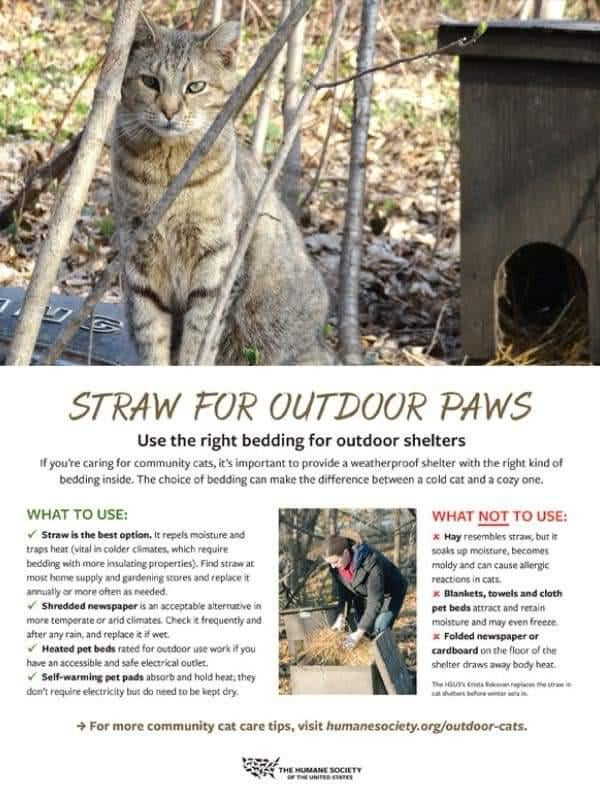
- Use straw or hay bedding. Avoid blankets that hold moisture.
- Replace bedding regularly to keep it dry and clean.
- Consider heated pads designed for outdoor pets.
- Use heat sources with automatic shut-off for safety.
- Never use electric heaters without supervision.
Feeding Strategies For Cold Weather
Outdoor cats face tough challenges in cold weather. Their bodies need more energy to stay warm. Feeding them right helps them survive the cold months.
Proper feeding strategies include giving high-calorie food, ensuring water is easy to find, and adjusting feeding times.
High-calorie Diet Needs
Cold weather makes cats burn more calories to keep warm. They need food with more energy than usual. High-fat and high-protein foods work best.
Giving richer food helps cats stay strong and healthy during winter. Dry kibble with added fat or wet food with more protein are good options.
- Foods high in fat provide extra calories
- Protein helps keep muscles strong
- Avoid low-quality or filler foods
Water Accessibility
Water is essential for outdoor cats, even in winter. Cold weather can freeze water bowls, making it hard to drink. Cats need fresh water daily to avoid dehydration.
Keep water bowls in a sheltered spot. Use heated bowls or change water often to stop freezing. This helps cats stay hydrated and healthy.
- Place water where it won’t freeze quickly
- Use heated water dishes if possible
- Check and refill water at least twice daily
Feeding Frequency Adjustments
Cold weather raises cats’ energy needs. Feeding them more often helps keep their energy up. Smaller, frequent meals are better than one big meal.
Regular feeding also encourages cats to come inside or near shelters. This protects them from harsh weather. Watch their weight and adjust food as needed.
- Feed cats at least two or three times a day
- Offer smaller portions more often
- Monitor their body condition for changes
Protecting Cats From Winter Hazards
Cold weather can be dangerous for outdoor cats. Owners need to help keep cats safe during winter months. Understanding winter hazards can protect cats from harm.
Many risks exist outside in cold weather. Cats face dangers like toxic chemicals, unsafe spaces, and injuries. Careful attention can reduce these risks.
Avoiding Toxic Substances
Winter brings toxic substances that can hurt cats. Antifreeze, salt, and certain plants are very harmful. Cats may lick or step on these poisons.
- Keep antifreeze in sealed containers away from cats.
- Use pet-safe ice melt products on walkways.
- Remove or block access to toxic plants like holly or mistletoe.
- Clean up spilled chemicals quickly and safely.
Safe Outdoor Areas
Outdoor spaces should protect cats from cold and injury. Provide sheltered spots that block wind and snow. Avoid areas with heavy traffic or hazards.
| Area | Winter Safety Tip |
| Garage | Check before starting car; cats may hide under hoods |
| Garden | Clear snow and ice to prevent slipping |
| Cat House | Use insulated bedding and cover openings |
| Walkways | Keep free of harmful ice melt chemicals |
Monitoring For Injuries
Check outdoor cats often for signs of injury or frostbite. Cold weather can cause wounds to worsen fast. Early detection helps cats heal well.
Watch for these signs in cats:
- Swollen or red paws and ears
- Limping or difficulty walking
- Shivering or weakness
- Visible cuts or sores
If you see these, bring cats indoors and call a vet.
Credit: www.petscare.com
When To Bring Outdoor Cats Inside
Outdoor cats face many dangers when the weather turns cold. Knowing when to bring them inside can save their lives. Cold weather can cause frostbite, hypothermia, and other health issues.
Not all cats handle cold the same way. Some tolerate it better, but it is safer to watch for signs that they need shelter indoors. This guide helps you decide when to bring outdoor cats inside.
Indicators Of Severe Cold Risk
Watch for these signs that cold weather is too dangerous for outdoor cats:
- Temperatures drop below 45°F (7°C), especially with wind chill
- Snow or ice covers the ground
- Cat shows shivering or lethargy
- Paw pads or ears look red or swollen
- Cat stops eating or drinking normally
- Signs of frostbite, such as pale or gray skin
Transitioning To Indoor Living
Moving outdoor cats inside can be stressful. Help them adjust with these tips:
- Provide a quiet and warm space for them
- Keep their usual food and water bowls inside
- Allow them to explore at their own pace
- Keep litter boxes clean and accessible
- Use toys and bedding to make them comfortable
Long-term Care Considerations
Caring for cats that usually live outside means extra attention indoors. Use this table to check key care points:
| Care Area | Indoor Tips |
| Nutrition | Feed high-quality food with enough calories |
| Exercise | Provide toys and playtime to keep them active |
| Health | Schedule vet visits and vaccinations |
| Mental Well-being | Offer hiding spots and quiet time |
| Safety | Keep windows closed or screened |
Credit: www.jackery.com
Frequently Asked Questions
Can Outdoor Cats Survive In Freezing Temperatures?
Outdoor cats can survive cold weather but risk hypothermia and frostbite. They need shelter, warmth, and food to endure freezing temperatures safely.
How Do Cats Stay Warm Outside In Winter?
Cats stay warm by seeking shelter, curling up, and using body fat. They find insulated spots, like garages or sheds, to protect from cold winds.
Should I Bring My Outdoor Cat Inside During Winter?
Bringing outdoor cats inside during winter is safer. It prevents illness, frostbite, and starvation caused by harsh weather and scarce food sources.
What Signs Show A Cat Is Suffering From Cold?
Shivering, lethargy, slow movements, and pale gums indicate cold stress. Immediate warmth and vet care are necessary to prevent serious health issues.
Conclusion
Outdoor cats face serious challenges in cold weather. They need shelter, warmth, and food to survive. Without proper care, they can get sick or worse. People who care for outdoor cats should provide dry, warm places and fresh water. Feeding them regularly helps keep their energy up.
Watching for signs of cold stress is important. Outdoor cats can survive cold if they get the right support. Protecting them shows kindness and helps them stay healthy.