Can Fleas Survive in the Cold Weather: Shocking Truth Revealed
When the temperature starts to drop, you might think that pesky fleas would disappear along with the summer heat. But, can fleas really survive in the cold weather?
This question is more relevant than ever, especially if you’re a pet owner or someone who spends a lot of time outdoors. You want to keep your home and loved ones safe from these tiny invaders, and knowing how they behave in different seasons is crucial.
Imagine the peace of mind you’ll feel when you finally understand how fleas operate in the cold. It could change the way you protect your pets and your home forever. Dive into this article and discover the surprising truth about fleas and cold weather. Your curiosity might just lead you to the most effective flea-fighting strategies yet!
Credit: harlingenveterinaryclinic.com
Flea Biology And Cold Weather
Fleas are tiny insects that live on animals and bite to feed on blood. They can be a problem for pets and people.
Cold weather affects flea survival and growth. Understanding this helps control them better.
Flea Life Cycle Basics
Fleas go through four stages: egg, larva, pupa, and adult. Each stage needs certain conditions to grow well.
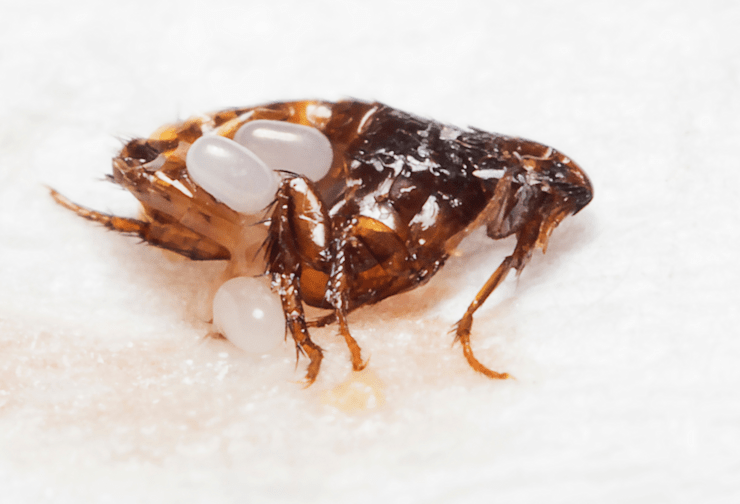
Adult fleas live on animals, laying eggs that fall into the environment. The eggs hatch into larvae that feed on organic debris.
- Eggs hatch in 1 to 12 days
- Larvae grow for 5 to 20 days
- Pupae stay in cocoons for 1 week to months
- Adults can live weeks to months on hosts
Temperature Effects On Fleas
Fleas grow best between 70°F and 85°F. Cold temperatures slow their growth and activity.
Below 50°F, flea eggs and larvae develop very slowly or stop. Adults survive less time in cold weather.
- Cold slows egg hatching
- Larvae become inactive in cold
- Pupae can survive cold longer
- Adults die faster in freezing temperatures
Credit: emeraldanimal.com
How Cold Weather Impacts Fleas
Fleas are tiny pests that live on animals and sometimes in homes. Cold weather changes how fleas survive and behave. Understanding this helps control them better.
Low temperatures can slow flea growth and activity. But fleas have ways to survive the cold months. Let’s explore how they manage to live through winter.
Survival Mechanisms In Low Temperatures
Fleas use several methods to survive cold weather. They do not die easily just because it is cold. Instead, they find safe places and slow down their life processes.
- Fleas hide in animal fur, which keeps them warm.
- They lay eggs in protected spots like carpets or soil.
- Fleas enter a resting stage called diapause to save energy.
- Some fleas die, but many survive in hidden places.
Flea Behavior During Winter
| Behavior | Effect |
| Less active movement | Conserves energy |
| Stay close to warm hosts | Better survival |
| Egg laying slows down | Fewer fleas hatch |
| Seek indoor shelter | Increase chance to live |
Fleas do not like freezing weather. They wait for warmer days to become active again. They also rely on animals to keep them warm and fed.
Myths About Fleas And Cold
Many people think cold weather kills fleas instantly. They believe fleas cannot survive freezing temperatures. This idea affects how people treat flea problems in winter.
It is important to know the truth about fleas and cold weather. Understanding facts helps in controlling fleas better.
Common Misconceptions
One common myth says fleas disappear in winter. People think snow and frost kill all fleas outside.
Another false idea is that indoor heating stops fleas from living. Some believe fleas cannot survive inside heated homes in cold seasons.
- Fleas die quickly in freezing temperatures.
- Cold weather alone removes fleas from pets.
- Fleas only live in warm months.
- Indoor heating kills fleas automatically.
Scientific Findings
Research shows fleas can survive cold weather in many ways. Fleas find places to hide where it is warmer.
Fleas in their egg or pupae stage can live through winter. They stay inactive until conditions improve.
- Fleas survive under leaf litter, soil, and snow.
- They stay on pets or inside homes to avoid cold.
- Flea eggs and pupae resist cold better than adults.
- Cold slows flea growth but does not kill all fleas.
Preventing Fleas In Winter
Fleas can survive cold weather by hiding in warm places. They stay active in homes and on pets during winter.
Knowing how to stop fleas in winter helps keep your home and pets safe all year round.
Home Protection Tips
Fleas hide in carpets, furniture, and cracks in floors. Cleaning your home regularly lowers flea risks.
- Vacuum floors and furniture often to remove flea eggs and larvae.
- Wash pet bedding and blankets in hot water every week.
- Seal cracks and gaps where fleas can hide.
- Use flea sprays or powders made for indoor use carefully.
Pet Care Strategies
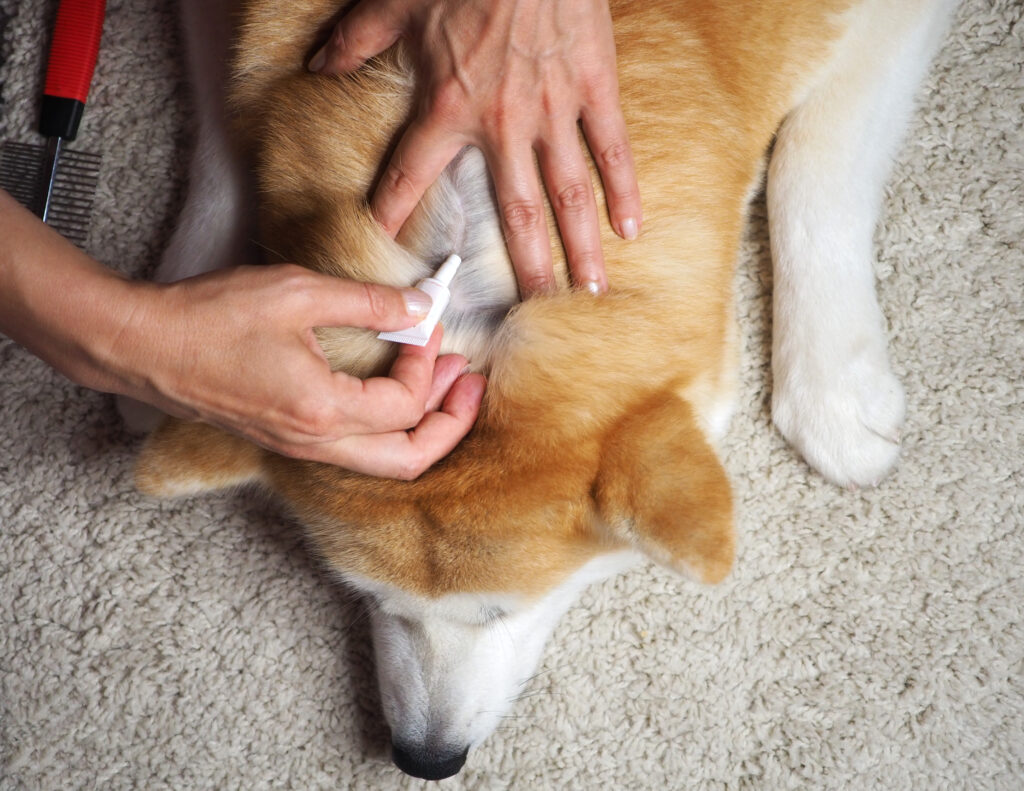
Pets keep fleas warm and safe during cold months. Treating pets is key to stopping flea problems.
| Pet Care Step | Description |
| Regular Flea Baths | Use flea shampoo to clean your pet every 2 weeks. |
| Flea Collars | Wear collars that repel fleas and ticks all winter. |
| Flea Medication | Give pets monthly flea prevention pills or drops. |
| Check Pets Often | Look for fleas on fur, especially near the tail and neck. |
When Fleas Thrive Despite The Cold
Fleas are known for being pests during warm months. Yet, they can survive cold weather in some cases.
This happens because fleas find places that protect them from freezing temperatures. Understanding these places helps control fleas better.
Indoor Environments
Inside homes and buildings, fleas find warm spots to live. Heating keeps rooms above freezing, so fleas can stay active year-round.
- Carpets and rugs hold flea eggs and larvae.
- Pet bedding provides warmth and food from animal blood.
- Cracks in floors or walls protect fleas from cold air.
- Heated basements and garages create ideal flea shelters.
Climate Factors
Climate affects flea survival outside homes. Some places stay mild enough for fleas to live through winter.
| Climate Condition | Flea Survival |
| Temperate winters | High survival rate due to mild cold |
| Harsh winters | Low survival unless fleas find shelter |
| Humid areas | Better flea survival because moisture helps eggs hatch |
| Dry cold | Poor flea survival due to dehydration |
Credit: www.itchpet.com
Frequently Asked Questions
Can Fleas Survive Freezing Winter Temperatures?
Fleas struggle to survive freezing temperatures below 32°F (0°C). However, they can hide in warm places like pet fur or indoors. This shelter helps them endure cold weather until conditions improve.
How Do Fleas Survive Cold Weather Indoors?
Fleas thrive indoors during cold months by living on pets or in carpets. Warm temperatures inside homes allow their eggs and larvae to develop. This makes indoor environments ideal for flea survival in winter.
Does Snow Kill Fleas In The Yard?
Snow alone rarely kills fleas since they often stay in soil or leaf litter. These areas provide insulation from freezing temperatures. Fleas become dormant but can reactivate when the weather warms.
Can Fleas Lay Eggs In Cold Weather?
Fleas lay fewer eggs in cold weather due to slower metabolism. Eggs may take longer to hatch or remain dormant. Warmer indoor conditions allow flea reproduction to continue despite outdoor cold.
Conclusion
Fleas can survive cold weather by hiding in warm places. They often stay close to pets or inside homes. Cold alone does not kill all fleas. Regular cleaning helps reduce flea numbers. Check your pets often for signs of fleas.
Taking quick action stops flea problems from growing. Stay aware and keep your home flea-free year-round.