Can Bees Survive in Cold Weather: Essential Facts Revealed
Have you ever wondered how bees manage when the temperature drops? These tiny creatures are essential for our ecosystem, but cold weather poses a significant challenge for them.
As you prepare for the chilly months ahead, you might find yourself curious about how these buzzing insects cope with the cold. Understanding their survival strategies could be more intriguing than you think. Dive into this article to uncover the fascinating world of bee resilience and discover how their winter habits might just surprise you.
Are you ready to learn something truly captivating about these remarkable pollinators? Keep reading, and you’ll find out.

Credit: www.terminix.com
Bee Behavior In Winter
Bees face cold weather with special habits that help them survive. They change how they act inside the hive. This keeps the colony safe and warm during winter.
Understanding these behaviors helps us learn how bees protect themselves. It also shows how nature works in cold seasons.
How Bees Prepare For Cold
Before winter, bees get ready by gathering food and cleaning the hive. They store honey to use as energy. The queen lays fewer eggs to save resources.
- Collect and store enough honey
- Remove debris and dead bees from the hive
- Reduce egg-laying by the queen
- Seal cracks to keep cold air out
Winter Clustering Technique
Bees stay close together in a cluster inside the hive. This cluster acts like a small ball of warmth. Bees on the outside keep the cold out. Bees inside stay warm and safe.
- Bees form a tight ball around the queen
- Outer bees face cold and protect inner bees
- Bees rotate positions to share warmth
- Cluster size changes with outside temperature
Energy Use During Cold Months
Bees use stored honey for energy in winter. They burn this energy to keep the cluster warm. The queen and young bees get special care. Energy use depends on temperature and cluster size.
| Factor | Effect on Energy Use |
| Outside Temperature | Colder means more energy needed |
| Cluster Size | Larger clusters use less energy per bee |
| Honey Stores | Limit how long bees can stay warm |
| Bee Activity | More activity uses more energy |
Temperature Limits For Bees
Bees are sensitive to temperature changes. Their survival depends on how cold it gets.
Understanding their temperature limits helps protect them in winter and cold weather.
Minimum Survival Temperatures
Bees can survive cold only to a certain temperature. Below this, they risk dying.
Their minimum survival temperature is around 50°F (10°C) inside the hive during winter.
- Bees keep the hive warm by clustering together.
- They generate heat by vibrating their muscles.
- If the temperature drops below 50°F, they struggle to stay alive.
Impact Of Prolonged Cold
Long periods of cold can hurt bees even if the hive stays warm enough.
Cold weather limits their food and makes it hard to find water. This weakens bees.
- Bees use more energy to keep warm during long cold spells.
- They may run out of stored honey for food.
- Cold slows their movement and can cause stress.
Frost And Ice Effects
Frost and ice can damage the hive and harm bees outside the hive.
Ice blocks hive entrances and traps bees inside. Frost can kill bees on flowers.
- Ice blocks airflow, causing moisture build-up inside the hive.
- Frost reduces nectar and pollen availability.
- Bees caught outside in frost may die from cold exposure.
Hive Protection Strategies
Bees face many challenges in cold weather. Protecting the hive helps them survive winter. Good strategies keep bees warm and safe.
This guide explains ways to protect hives from cold. These methods help bees stay healthy and active.
Hive Insulation Methods
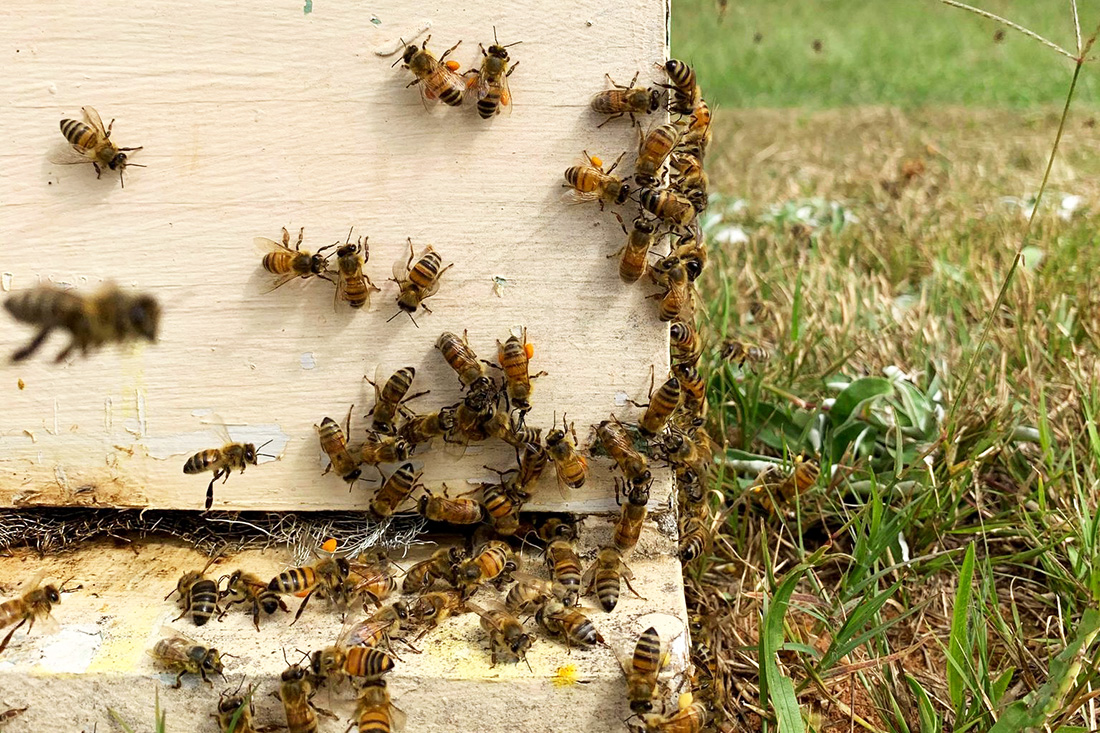
Insulating the hive keeps the inside warm. It stops heat from escaping during cold days and nights.
Beekeepers use different materials to add insulation. This helps bees use less energy to stay warm.
- Wrap hives with foam boards or special covers
- Use straw or hay inside walls for extra warmth
- Seal cracks to prevent cold air from entering
- Add an inner cover to trap heat near the bees
Location And Shelter Choices
Choosing the right place for the hive matters. A good spot protects bees from wind and cold weather.
Natural and man-made shelters help reduce cold stress on bees. Location can make a big difference in survival.
- Place hives near trees or bushes for windbreaks
- Avoid low areas where cold air settles
- Face hive entrances away from strong winds
- Use sheds or small shelters to block snow and rain
Human Interventions
People help bees survive by checking hives often. They make sure bees have enough food and warmth.
Beekeepers also repair damaged hives and add heat if needed. These actions support bee health in cold times.
- Feed bees sugar syrup or candy boards in late fall
- Fix broken hive parts to stop drafts
- Reduce hive entrances to keep warmth inside
- Use wind barriers or insulation wraps around hives
Credit: newswire.caes.uga.edu
Nutrition And Winter Survival
Bees face tough conditions in cold weather. They need good nutrition to survive the winter months. Food helps them keep warm and active.
Understanding how bees store and use food is key. This knowledge helps beekeepers support bees during cold times.
Food Storage Importance
Bees gather nectar and pollen during warm months. They store these foods to use in winter. Without enough stores, bees can starve.
Good food storage allows bees to form clusters and generate heat. It keeps the hive alive through cold days.
Feeding Practices In Cold
Beekeepers may feed bees when natural stores run low. Sugar syrup or fondant can help bees stay strong. Feeding must be done carefully to avoid chilling bees.
Feeding inside the hive helps bees avoid cold air. It supports their energy needs during winter months.
Role Of Honey Reserves
Honey is the main energy source for bees in winter. It provides calories needed to produce heat. Bees eat honey to keep their muscles working.
Strong honey reserves improve hive survival rates. Beekeepers check honey levels before cold weather arrives.
Challenges And Threats
Bees face many challenges during cold weather. Their survival depends on how well they handle these threats.
Cold weather creates risks that can affect bee health and hive safety. Understanding these dangers helps us protect them better.
Diseases In Cold Conditions
Cold weather can increase the chance of diseases in bee colonies. Low temperatures slow down bees’ activity and immune response.
- Fungal infections grow faster in damp, cold hives.
- Parasites like Varroa mites weaken bees during winter.
- Viruses spread more easily when bees cluster tightly.
- Reduced ventilation in cold weather helps germs multiply.
Predators And Winter Risks
Winter brings threats from predators and environmental dangers. Bees are less active and cannot defend well.
| Threat | Effect on Bees | Typical Time |
| Mouse | Invades hive and damages comb | Late fall to winter |
| Skunks | Attack bees at hive entrance | Early winter nights |
| Cold snaps | Freeze or starve bees if food runs low | Mid to late winter |
| Moisture buildup | Causes mold and chills bees | Winter months |
Climate Change Impact
Changing climate affects bees’ ability to survive cold weather. Unpredictable winters bring new risks.
Key effects of climate change on bees in winter:
- Warmer winters can cause early hive activity.
- Early activity uses up food stores too soon.
- Late cold snaps kill bees caught outside the hive.
- Shifts in flowering times reduce winter food supply.
Supporting Bee Health In Winter
Bees face many challenges during cold weather. Their survival depends on strong hives and good care.
Helping bees stay healthy in winter keeps the hive alive and ready for spring.
Best Practices For Beekeepers
Beekeepers must prepare hives before cold weather arrives. Insulating the hive helps keep bees warm.
Feeding bees sugar syrup or fondant gives them energy when flowers are scarce.
- Check hive entrances to keep them clear of snow and debris
- Reduce hive openings to keep heat inside
- Remove pests and diseases before winter
- Keep the hive dry and well-ventilated
Creating Bee-friendly Environments
Plant flowers that bloom in early spring and late fall. This gives bees food before and after winter.
Provide natural windbreaks like shrubs or fences to protect hives from cold winds.
- Choose native plants that bees like
- Avoid using pesticides near hives
- Leave some wild areas for natural forage
Monitoring Hive Health
Regularly check hives for signs of illness or stress. Early detection helps save the colony.
Look for strong bee activity and enough stored food inside the hive.
- Inspect for mites and other pests
- Watch for mold or moisture problems
- Check that the queen is healthy and laying eggs
- Record hive conditions to track changes

Credit: www.terminix.com
Frequently Asked Questions
Can Bees Survive During Winter Cold?
Yes, bees survive winter by clustering inside the hive. They generate heat by vibrating their muscles to stay warm and protect the queen.
How Do Bees Keep Warm In Cold Weather?
Bees form a tight cluster and shiver their wing muscles. This produces heat, maintaining hive temperature above freezing despite cold outside.
Do Bees Hibernate In Winter?
No, bees do not hibernate. Instead, they remain active inside the hive, consuming stored honey for energy during cold months.
What Happens To Bees In Extreme Cold?
In extreme cold, bees rely on their cluster to conserve heat. Without enough honey stores, they risk starvation or freezing to death.
Conclusion
Bees can survive cold weather by staying warm inside their hives. They huddle close together and keep moving to make heat. Their honey stores provide energy during winter months. Cold does slow their activity but does not stop them completely.
Protecting bee habitats helps them face tough winters. Understanding how bees cope with cold can guide beekeepers. This knowledge supports healthy bees and strong colonies year-round. Bees play a vital role in nature, even in cold times. Their survival is important for plants, food, and people.