Can You Survive in the Eye of a Hurricane: Ultimate Survival Guide
Imagine standing in the midst of nature’s most powerful force, the eye of a hurricane. The winds have calmed, and there’s an eerie peace that surrounds you.
But is it really safe? Can you truly survive in the eye of a hurricane? You might be surprised by the answer. This isn’t just a question of survival skills; it’s about understanding the fascinating dynamics of these massive storms.
As you read on, you’ll discover the secrets behind the calm center of chaos and learn what it means for your safety. You won’t want to miss the insights that could one day make a difference in how you navigate extreme weather. Curious? Let’s delve into the heart of the storm together.
Hurricane Eye Basics
The eye of a hurricane is a unique part of the storm. It is often calm and clear compared to the strong winds around it. Understanding the eye helps people stay safe during hurricanes.
This guide explains what happens in the eye, how long it lasts, and why it feels calm before the storm returns.
What Happens In The Eye
The eye is the center of a hurricane. It is usually 20 to 40 miles wide. Inside, the weather is very different from the hurricane’s strong winds and rain.
- The winds inside the eye are light or calm.
- The sky can be clear or partly cloudy.
- Air pressure is very low in the eye.
- Temperature may be warmer than the storm’s outer parts.
Duration And Size
The size of the eye changes as the hurricane moves and grows. Some eyes are small and tight, while others are large and wide.
| Eye Size | Typical Range |
| Small | 5 to 20 miles wide |
| Medium | 20 to 40 miles wide |
| Large | 40 to 60 miles wide |
The eye can last from a few minutes to over an hour as the storm passes. The calm period depends on the hurricane’s speed and size.
Calm Before The Storm
The eye feels peaceful, but it is not safe to relax. After the eye passes, strong winds return from the opposite direction. This second half of the storm can be very dangerous.
Safety tips during the eye:
- Stay indoors and away from windows.
- Do not go outside, even if it looks calm.
- Prepare for the storm to return quickly.
- Listen to weather updates for instructions.
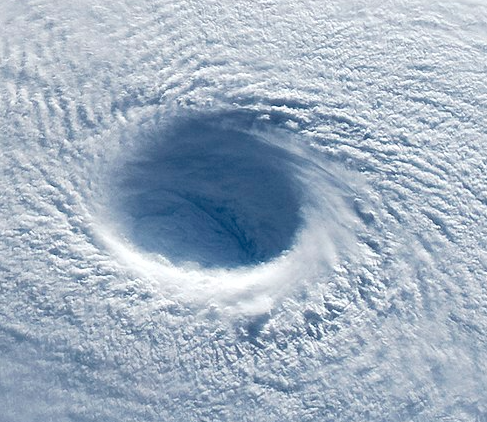
Credit: craigkcollins.medium.com
Preparing Before The Hurricane
Hurricanes can be very dangerous. Preparing before the storm helps keep you safe. You need to plan early and gather the right supplies.
Knowing what to do can protect your home and family. This guide covers important steps to take before the hurricane arrives.
Emergency Supplies Checklist
Having emergency supplies ready is very important. These items help you survive if you lose power or water. Keep everything in one easy-to-carry kit.
- Bottled water (one gallon per person per day for three days)
- Non-perishable food for at least three days
- Battery-powered or hand-crank radio
- Flashlights with extra batteries
- First aid kit
- Medications and prescription glasses
- Personal hygiene items
- Important documents in a waterproof container
- Cash in small bills
- Phone charger and power bank
Home Reinforcements
Strengthening your home can reduce damage. Secure windows and doors to protect against strong winds. Check your roof and clear gutters.
Remove loose items outside that can become dangerous projectiles. Make sure trees near your home are trimmed and healthy.
- Install storm shutters or plywood over windows
- Reinforce garage doors with braces
- Secure or bring inside outdoor furniture
- Seal any leaks to prevent water damage
- Check and fix roof shingles or tiles
- Trim trees and remove dead branches
Evacuation Plans
Make a clear plan in case you must leave your home. Know the nearest shelters and safe routes. Share your plan with family members.
Pack a go-bag with essentials and keep your vehicle fueled. Practice your evacuation plan so everyone knows what to do.
- Identify local evacuation routes and shelters
- Prepare a go-bag with clothes, food, and documents
- Keep your car’s gas tank full
- Designate a meeting spot outside the danger area
- Inform family and friends about your plan
- Practice the evacuation route beforehand
Survival Strategies In The Eye
The eye of a hurricane is a strange place. It can seem calm and safe while the storm rages around you. Knowing how to stay safe in the eye is very important.
This guide explains what to do in the eye of a hurricane. You will learn about shelter, staying calm, and watching for changes.
Safe Shelter Choices
Find a strong, secure place to stay during the hurricane. A basement or a small interior room with no windows is best. Avoid large open spaces or areas with glass.
Make sure your shelter can protect you from flying debris and heavy rain. Stay away from doors and windows to stay safe.
- Basement or storm cellar
- Small interior room on the lowest floor
- Rooms without windows or glass
- Away from exterior walls and doors
Handling The Sudden Calm
The eye feels calm and quiet but do not leave your shelter. The calm is only temporary and can trick you into thinking the storm is over.
Use this time to stay calm, check your supplies, and prepare for the storm’s return. Keep listening for weather updates if possible.
- Stay inside your shelter
- Rest and stay calm
- Check food and water supplies
- Prepare for the storm’s return
Staying Alert For Changes
The storm will return quickly after the eye passes. Watch and listen carefully for signs the hurricane is coming back.
Be ready to protect yourself again. Do not leave your shelter until you are sure the storm has ended and it is safe outside.
- Listen for strong winds and rain
- Watch for debris moving outside
- Stay inside until officials say it is safe
- Keep emergency supplies close
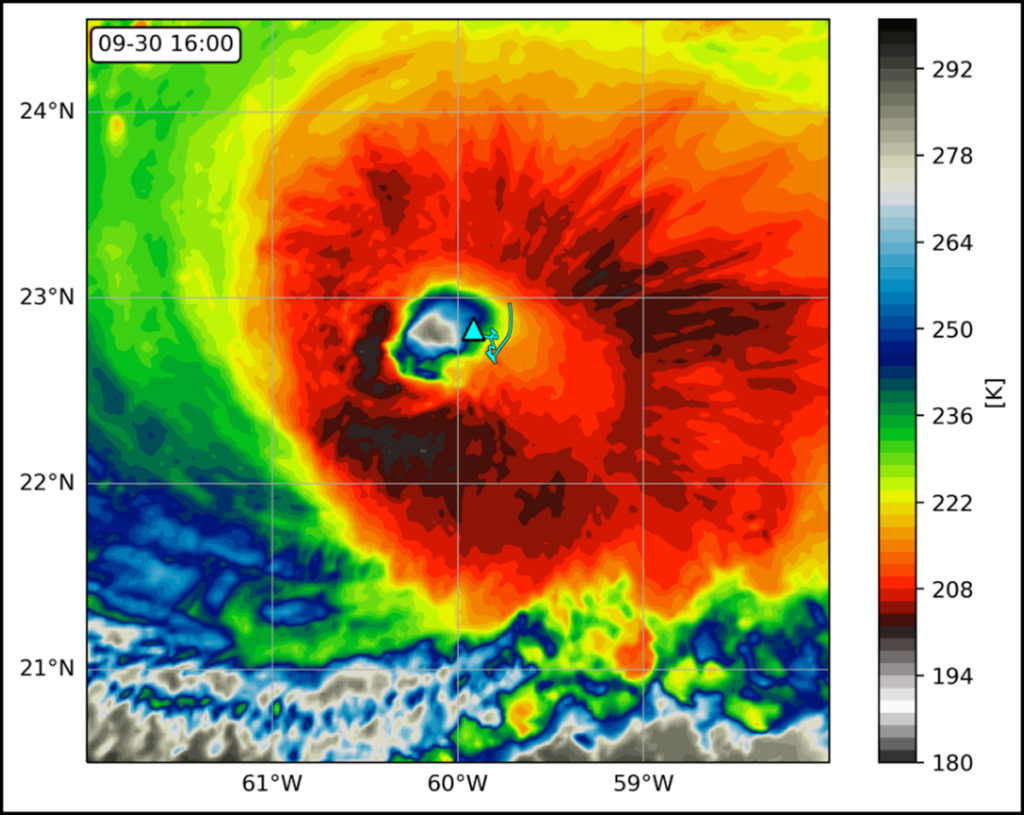
Credit: eos.org
Risks After The Eye Passes
The eye of a hurricane is a brief calm period during the storm. Many people think the danger is over once the eye passes. This is not true. The storm will return with strong winds and heavy rain.
It is important to stay alert and understand the risks that come after the eye passes. These risks can cause serious harm and damage.
Return Of The Storm
The eye is the calm center, but the storm continues after it passes. Winds return from the opposite direction. They can be as strong or stronger than before.
People who leave shelter after the eye passes can be caught off guard. The sudden return of the storm can cause injury or death.
Flooding And Debris
Heavy rain often follows the eye. Flooding can happen quickly and block escape routes. Streets and homes may fill with water.
Strong winds break trees, power lines, and buildings. Debris can fly through the air and cause damage or injury.
- Floodwaters can hide dangers like sharp objects or holes
- Debris can block roads and damage vehicles
- Standing water may cause electric shocks from downed power lines
Communication And Rescue
After the eye passes, communication systems may fail. Phones and internet might not work. This makes it hard to call for help.
Rescue teams may take time to arrive because roads are blocked or flooded. It is important to stay safe and wait for help.
- Keep extra batteries and chargers for devices
- Stay in a safe place until rescue arrives
- Use a whistle or signal light to attract attention
Essential Survival Tips
Surviving in the eye of a hurricane requires careful planning and quick action. Knowing what to do can save your life.
This guide shares key tips to protect yourself physically, stay calm, and help others during a hurricane.
Protecting Yourself Physically
Find a safe room inside your home, away from windows and doors. Stay low and cover yourself with sturdy furniture or blankets.
Wear protective clothing like long sleeves, pants, and closed shoes to avoid injuries from debris.
- Stay indoors and away from glass
- Use a mattress or heavy blankets for protection
- Keep a flashlight and emergency supplies nearby
- Seal doors and windows with plywood or shutters
Mental Preparedness
Stay calm and focused during the hurricane. Fear can cause panic and poor decisions.
Prepare yourself mentally by practicing deep breathing and positive thinking. Keep your mind occupied with simple tasks.
- Keep a calm mindset
- Use breathing exercises to reduce stress
- Focus on small tasks to stay busy
- Listen to official updates for accurate information
Helping Others
Check on family, friends, and neighbors if it is safe. Offer help to those who need it most, like the elderly and children.
Share resources like food, water, and first aid supplies. Stay connected and support each other during the storm.
- Assist vulnerable people nearby
- Share emergency supplies
- Communicate to keep everyone informed
- Work as a team to stay safe

Credit: www.youtube.com
Frequently Asked Questions
What Is The Eye Of A Hurricane?
The eye is the calm center of a hurricane. It has low wind speeds and clear skies. Surrounding it is the eyewall with intense winds and heavy rain. The eye can range from 20 to 40 miles wide.
Can You Safely Stay In The Hurricane’s Eye?
Staying in the eye is temporarily calm but not safe overall. The surrounding eyewall has extreme winds and danger. The eye passes quickly, and conditions worsen rapidly. It is best to evacuate or seek shelter well before the hurricane arrives.
How Long Does The Eye Of A Hurricane Last?
The eye typically lasts from a few minutes to over an hour. Duration depends on the hurricane’s size and speed. Once the eye passes, the eyewall returns with strong winds. The calm period is brief and deceptive.
Why Is The Eye Calm During A Hurricane?
The eye is calm due to descending air that suppresses clouds. This creates lower wind speeds and clearer skies inside the eye. Surrounding air rises violently in the eyewall, causing intense weather. The eye’s calm is a unique feature of strong hurricanes.
Conclusion
Surviving in the eye of a hurricane takes careful planning and calm. Stay inside, away from windows, and listen to official updates. The eye may feel calm, but danger returns quickly. Prepare your home and emergency kit before the storm hits.
Knowing what to expect helps you stay safe and protect loved ones. Stay alert, stay ready, and never underestimate a hurricane’s power. Your safety depends on smart choices and quick action. Stay strong and informed through every moment of the storm.