Can Baby Ducks Survive in Cold Weather? Essential Survival Tips
Have you ever wondered how baby ducks cope with cold weather? If you’re raising ducklings or simply curious about these adorable creatures, understanding their survival tactics is essential.
You might think that their fluffy feathers are enough to keep them warm, but there’s more to the story. As temperatures drop, the well-being of these tiny birds becomes a pressing concern. How do they stay cozy, and what can you do to help?
Stick around as we unravel the fascinating ways baby ducks brave the cold and discover practical tips to ensure they thrive, even when the weather isn’t on their side. Your insights into their world could make all the difference.

Credit: pethelpful.com
Baby Ducks And Cold Weather
Baby ducks are sensitive to cold weather. Their small size makes it hard to keep warm.
Understanding how baby ducks handle cold helps keep them safe and healthy.
Natural Cold Tolerance
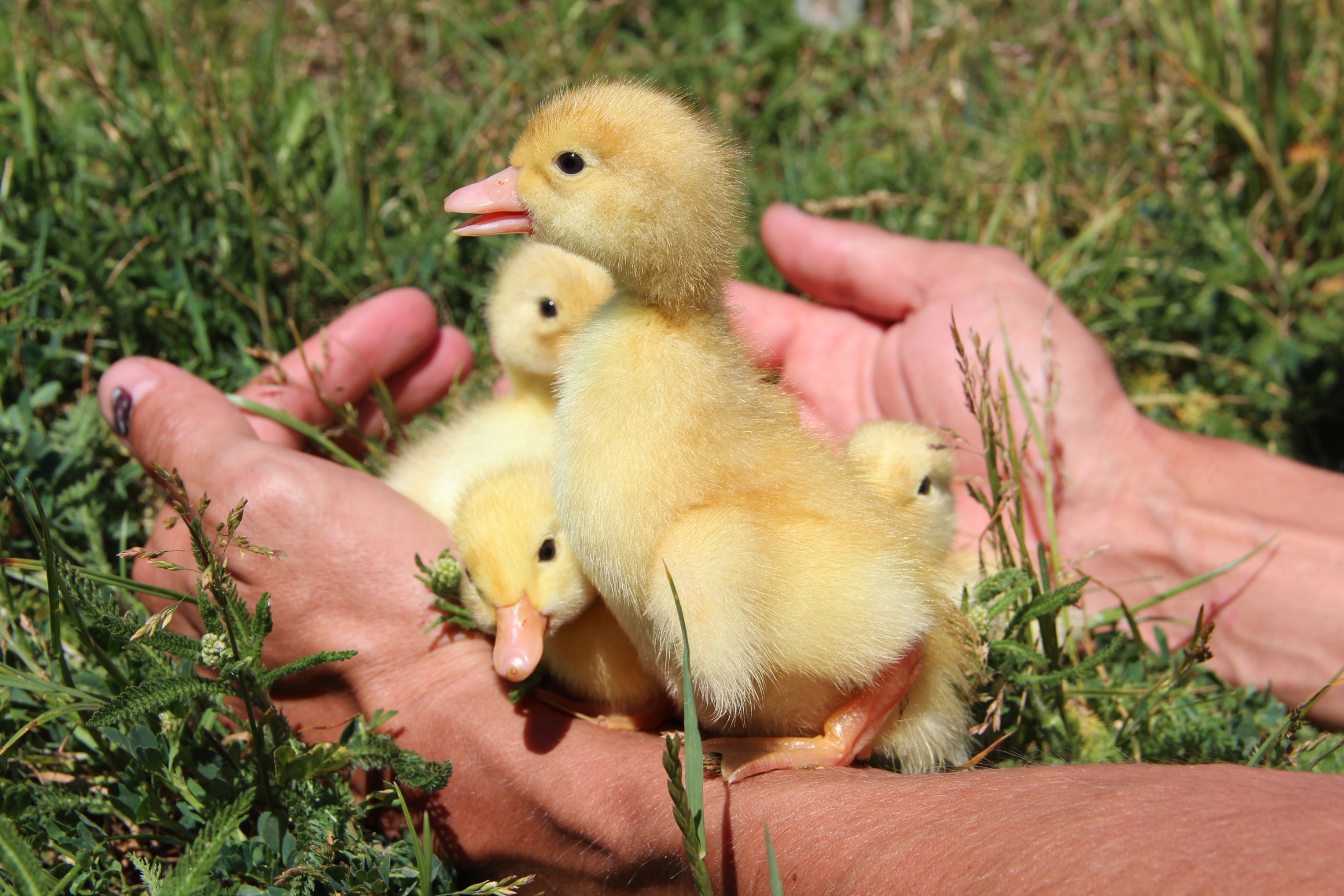
Baby ducks have some natural ways to stay warm. Their down feathers trap heat close to their bodies.
Mothers also keep baby ducks warm by brooding them under their wings.
- Down feathers insulate against cold air
- Brooding by mother provides warmth
- Huddling together helps share body heat
Signs Of Cold Stress
Cold stress happens when baby ducks cannot keep warm. It can cause serious health problems.
Watch for changes in behavior and appearance to spot cold stress early.
- Shivering or trembling
- Huddling tightly or hiding
- Listlessness or low energy
- Fluffed-up feathers to try to trap heat
- Reduced eating or drinking
Ideal Temperature For Ducklings
Baby ducks need the right temperature to stay healthy. Too cold or too hot can harm them.
Keeping ducklings warm is key for their growth and survival in cold weather.
Temperature Needs By Age
Newborn ducklings need much warmer temperatures than older ones. Their bodies cannot keep heat well.
As ducklings grow, they get feathers and can handle cooler weather.
- 0 to 1 week old: 90-95°F (32-35°C)
- 2 weeks old: 85°F (29°C)
- 3 weeks old: 75-80°F (24-27°C)
- 4 weeks old and older: 65-70°F (18-21°C)
Effects Of Prolonged Cold Exposure
Long time in cold can cause serious problems for ducklings. They may get sick or weak.
Cold exposure can lead to hypothermia, slower growth, and even death if not fixed quickly.
- Shivering and lethargy
- Loss of appetite
- Weak immune system
- Stunted growth
- Higher risk of infections
Shelter Options
Baby ducks need warm and safe places to stay in cold weather. Proper shelter helps keep them healthy and comfortable. Choosing the right shelter is very important for their survival.
There are different ways to protect baby ducks from the cold. This guide covers insulated brooders and outdoor housing tips to keep them warm.
Insulated Brooders
An insulated brooder is a small, warm enclosure for baby ducks. It keeps the heat inside and blocks cold air. You can use materials like wood or plastic with insulation layers.
Keep the brooder clean and dry. Use a heat lamp or heating pad to maintain the right temperature. Check the temperature daily to avoid overheating or chilling.
Outdoor Housing Tips
If you keep baby ducks outside, you must prepare their housing carefully. Protect them from wind, rain, and snow. Use windbreaks and waterproof covers to shield their space.
- Build a sturdy shelter with good insulation.
- Raise the floor to keep it dry.
- Use straw or hay for bedding to add warmth.
- Place water and food inside to prevent freezing.
- Check the shelter often for drafts or leaks.
| Tip | Reason |
| Insulate walls and roof | Keep warmth inside |
| Elevate shelter | Prevent dampness |
| Use windbreaks | Block cold winds |
| Provide dry bedding | Keep ducks warm and comfortable |
| Check water daily | Prevent freezing |
Feeding For Warmth
Baby ducks need special care to stay warm in cold weather. Feeding them the right food helps keep their body heat up. Good nutrition is key for their survival in chilly times.
Proper feeding supports their energy and helps them stay healthy. Let’s look at what to feed baby ducks to keep them warm and hydrated.
High-energy Diets
Baby ducks burn more energy to stay warm. They need food rich in calories and nutrients. This helps them generate body heat and grow strong.
- Feed cracked corn or oats for extra energy
- Include cooked eggs for protein boost
- Add some vegetables like peas or leafy greens
- Use starter feed designed for waterfowl
- Avoid foods that are hard to digest in cold weather
Hydration In Cold Conditions
Water is important even in cold weather. Baby ducks need clean, unfrozen water to stay healthy. Dehydration can reduce their ability to keep warm.
| Hydration Tip | Reason |
| Provide warm water daily | Prevents freezing and encourages drinking |
| Change water often | Keeps water fresh and clean |
| Use shallow water dishes | Safe for baby ducks to drink easily |
| Check water temperature | Too cold water can reduce drinking |
Keeping Baby Ducks Dry
Baby ducks need to stay dry to survive cold weather. Wet feathers make them cold and weak. Keeping them dry is very important for their health.
Dry ducks can keep their body heat better. This helps them avoid sickness and stay warm during cold days and nights.
Waterproofing Tips
Make sure your baby ducks have shelter that keeps rain and snow out. Use waterproof covers or tarps over their living space. This stops water from soaking their feathers.
Check their shelter often for leaks or holes. Fix any problems quickly to keep the area dry. You can also add windbreaks to block cold, wet winds.
- Use waterproof roofing materials
- Cover openings with plastic or mesh
- Add windbreaks around the shelter
- Regularly inspect shelter for damage
Managing Wet Bedding
Wet bedding makes baby ducks cold quickly. Change bedding often to keep it dry and warm. Use absorbent materials like straw or wood shavings.
If bedding gets wet, remove it right away. Replace with fresh, dry bedding. This helps keep ducks comfortable and healthy.
- Use straw or wood shavings for bedding
- Check bedding daily for wet spots
- Remove wet bedding immediately
- Add fresh bedding regularly

Credit: www.fresheggsdaily.blog
Monitoring Health
Keeping an eye on baby ducks’ health is vital in cold weather. Cold can lead to health problems that need quick action.
Watch for signs of illness and act early to help your ducks stay strong and warm.
Common Cold-related Illnesses
Baby ducks can catch colds that cause sneezing, coughing, and watery eyes. These illnesses can lead to more serious issues if untreated.
- Respiratory infections cause breathing trouble and nasal discharge.
- Chill can weaken the duck’s immune system, making infections worse.
- Frostbite may affect their feet and legs in very cold weather.
When To Seek Veterinary Help
Some signs show when a duck needs a vet. Do not wait if you see these symptoms.
| Symptom | What It Means | Action |
| Labored breathing | Serious lung infection | Call vet immediately |
| Swelling or frostbite | Skin damage from cold | Seek vet care quickly |
| Lethargy or refusal to eat | Possible severe illness | Visit vet soon |
| Persistent sneezing or coughing | Ongoing infection | Monitor closely, consider vet |
Additional Survival Tips
Baby ducks need extra care to survive cold weather. Keeping them warm is very important. You can use some helpful tips to keep them safe.
Using the right tools and methods helps baby ducks stay healthy. This guide covers heat lamps and group warmth strategies.
Using Heat Lamps Safely
Heat lamps give baby ducks warmth in cold times. Place lamps high enough to avoid burns. Make sure lamps do not touch bedding or wood.
Check lamps daily for damage or overheating. Use a guard or cage around the lamp to keep ducks safe. Turn off lamps at night if the temperature is warm.
- Keep heat lamps 12 inches above the floor
- Use a metal guard around the lamp
- Check wiring and bulbs often
- Do not let bedding touch the lamp
- Turn off lamps if it is warm enough
Group Warmth Strategies
Baby ducks stay warmer when they huddle together. Keep them in groups to share body heat. This helps them survive cold nights.
Provide dry, clean bedding for comfort. Use straw or wood shavings to trap warmth. Avoid wet or damp bedding because it cools ducks down.
- House baby ducks in groups of at least three
- Provide dry straw or wood shavings for bedding
- Keep bedding clean and dry
- Place shelter away from wind and drafts
- Check ducks often for signs of cold stress
Credit: practicalselfreliance.com
Frequently Asked Questions
Can Baby Ducks Survive In Freezing Temperatures?
Baby ducks can survive cold if properly sheltered and dry. They need warmth from heat lamps or natural cover. Wet conditions increase hypothermia risk. Adequate food and dry bedding help maintain body heat during freezing weather.
How Do Mother Ducks Keep Ducklings Warm?
Mother ducks use their body heat to keep ducklings warm. They tuck ducklings under their wings for protection. This natural warmth is crucial during cold weather, especially at night or in wet conditions.
What Shelter Is Best For Baby Ducks In Cold Weather?
A well-insulated, dry shelter with bedding like straw is best. It should block wind, rain, and snow. Adding a heat source helps maintain safe temperatures. Good ventilation prevents dampness that can cause illness.
When Should I Provide Extra Heat To Ducklings?
Provide extra heat when temperatures drop below 70°F for young ducklings. Gradually reduce heat as they grow feathers. Heat lamps or pads work well to keep them comfortable and healthy in cold weather.
Conclusion
Baby ducks need warmth and care to survive cold weather. Their down feathers help keep them warm but only to a point. Providing shelter and dry bedding is very important. Feeding them nutritious food supports their strength. Watching for signs of cold stress saves lives.
With proper care, baby ducks can grow strong even in chilly conditions. Remember, warmth and attention make all the difference. Keep them safe, and they will thrive despite the cold.