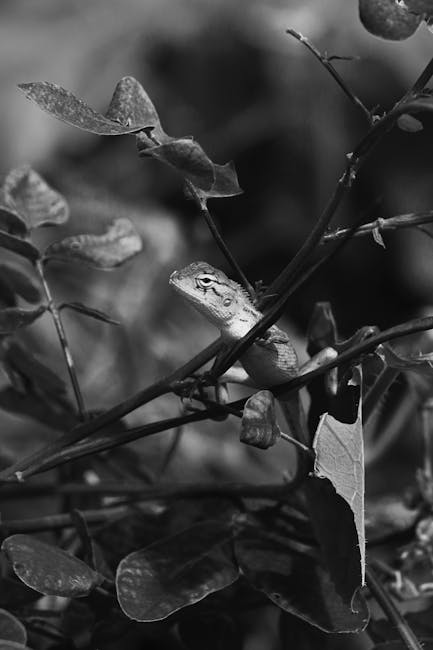
How Lizards Survive Hurricanes Leaf Blower: Shocking Survival Secrets
Imagine a tiny creature facing the raw power of a hurricane. It’s not something you’d expect to see surviving, right?
Yet, lizards have developed fascinating ways to weather these intense storms, almost as if they were dodging the force of a leaf blower. You might be wondering how these small reptiles manage to hold their ground against such overwhelming odds.
The secrets lie in their remarkable adaptations and behaviors that help them withstand nature’s most formidable challenges. You’ll uncover how lizards turn the tables on hurricanes and what you can learn from their resilience. Prepare to be amazed by nature’s ingenuity and discover insights that might just change the way you view survival in extreme conditions.

Credit: www.youtube.com
Lizard Adaptations
Lizards survive hurricanes through special adaptations. These help them stay safe during strong winds and heavy rains.
Understanding these traits shows how animals adapt to tough weather. Lizards use their bodies and behavior to survive storms.
Physical Traits For Survival
Lizards have strong legs and claws to hold on tightly. Their tails can break off to escape predators during chaos.
- Sticky toe pads help cling to surfaces.
- Flat bodies reduce wind resistance.
- Camouflage skin hides them from birds.
- Flexible tails allow quick escapes.
- Small size lets them hide in crevices.
Behavioral Changes During Storms
Lizards change what they do when a storm comes. They find safe places to wait until the weather clears.
| Behavior | Purpose |
| Seek shelter under rocks or logs | Protection from wind and rain |
| Stay still to avoid detection | Reduce risk from predators |
| Reduce movement to save energy | Conserve strength during storms |
| Hide in burrows or tree bark | Stay dry and safe |
Hurricane Challenges
Lizards face many dangers during hurricanes. Strong winds and heavy rains create tough conditions. These challenges affect their survival.
Understanding how lizards cope helps us learn about nature’s resilience. They use special skills to stay safe.
Wind And Rain Impact
Hurricanes bring fast winds and heavy rain. These forces can harm lizards and their environment. Wind can blow lizards off branches. Rain may flood their homes.
- Strong winds can make it hard to move or hide.
- Heavy rain floods ground burrows and shelters.
- Flying debris from storms can injure lizards.
- Wet conditions lower body temperature and slow movement.
Habitat Disruption
Hurricanes damage plants and trees where lizards live. Many lose their homes and food sources. This forces lizards to find new places to stay.
| Habitat Element | Effect of Hurricane |
| Tree branches | Broken or blown away |
| Leaves and plants | Stripped or damaged |
| Ground cover | Flooded or washed away |
| Food sources | Reduced or scattered |
Shelter Strategies
Lizards use smart ways to stay safe during hurricanes. They find places that protect them from strong winds and rain.
These shelter strategies help lizards survive when storms hit their homes.
Natural Hiding Spots
Lizards hide in natural places like cracks, holes, and under rocks. These spots keep them safe from flying debris and heavy rain.
They often use tree bark or thick roots to stay hidden and avoid strong winds during the storm.
Use Of Debris And Vegetation
Lizards use fallen leaves, branches, and other debris to build shelters. These materials block wind and water from reaching them.
They also hide in dense bushes and grass. Vegetation offers cover and soft spots to protect them from injury.
- Leaves create a shield against rain
- Branches form a barrier from wind
- Dense plants offer safe hiding places
Movement And Escape
Lizards face big dangers during hurricanes. Strong winds and heavy rain can hurt them. They use quick movement to survive.
Escape helps lizards find safe places. They move fast to avoid harm and stay alive.
Climbing And Burrowing Skills
Lizards climb trees and rocks to get away from floodwaters. Their sharp claws hold tight to rough surfaces. This keeps them safe above water.
They also dig into soil or hide under leaves. Burrowing protects them from wind and flying debris. These skills help lizards stay hidden during storms.
- Climb trees to avoid rising water
- Use claws to grip bark and rocks
- Dig holes or hide under ground cover
- Stay hidden from harsh weather
Timing And Speed
Lizards react quickly when they sense a hurricane. They move fast to find shelter before the storm hits. Speed is key to escaping danger.
They often hide during calm periods before strong winds arrive. Lizards use their quick reflexes to dodge threats and stay safe.
- Sense changes in weather early
- Move fast to find safe spots
- Hide before the storm becomes strong
- Use quick reflexes to escape predators
Physiological Responses
Lizards face harsh conditions during hurricanes. Their bodies change to help them survive strong winds and heavy rain.
These changes help lizards keep energy and manage stress until the storm passes.
Metabolic Adjustments
Lizards slow down their metabolism to save energy during storms. This helps them survive when food is scarce.
- Lower heart rate to reduce energy use
- Decrease body temperature slightly
- Use stored fat as energy
- Reduce movement to conserve strength
Stress Management
Stress hormones rise in lizards during hurricanes. These hormones help the lizards stay alert and react quickly.
| Hormone | Role |
| Corticosterone | Increases alertness and energy |
| Adrenaline | Prepares body for quick action |
| Endorphins | Reduce pain and stress |
Post-hurricane Recovery
After a hurricane passes, lizards face many challenges. They need to find food and water to survive. They also work on rebuilding their homes.
Surviving a hurricane is hard, but lizards have ways to recover and live on.
Finding Food And Water
Hurricanes can wash away many insects and plants. Lizards must look in new places for food. They eat insects, small animals, and plants left after the storm.
Lizards also search for fresh water sources. Rainwater may collect in small pools or leaves. They drink from these to stay hydrated.
- Look under rocks and fallen leaves for insects
- Eat fruits or plants that survived the storm
- Drink from rainwater pools or moist areas
Rebuilding Territory
Hurricanes destroy lizards’ homes and hiding spots. After the storm, lizards find new places to live. They use fallen branches and leaves to create shelter.
They mark their territory again to keep safe from other animals. This helps them find mates and protect their space.
- Find new hiding spots under debris
- Use natural materials to build shelters
- Mark territory to avoid fights with other lizards
Research And Discoveries
Scientists study how lizards survive hurricanes. These storms bring strong winds and heavy rain.
Understanding lizard survival helps us learn about animal resilience in nature.
Recent Studies On Survival
Recent studies show lizards use shelters to stay safe during hurricanes. They hide under rocks, leaves, and tree bark.
Researchers found lizards reduce their movement to save energy and avoid danger during storms.
- Lizards seek dense vegetation for cover
- They stay low to the ground to avoid strong winds
- Some lizards enter a state of low activity
Unexpected Findings
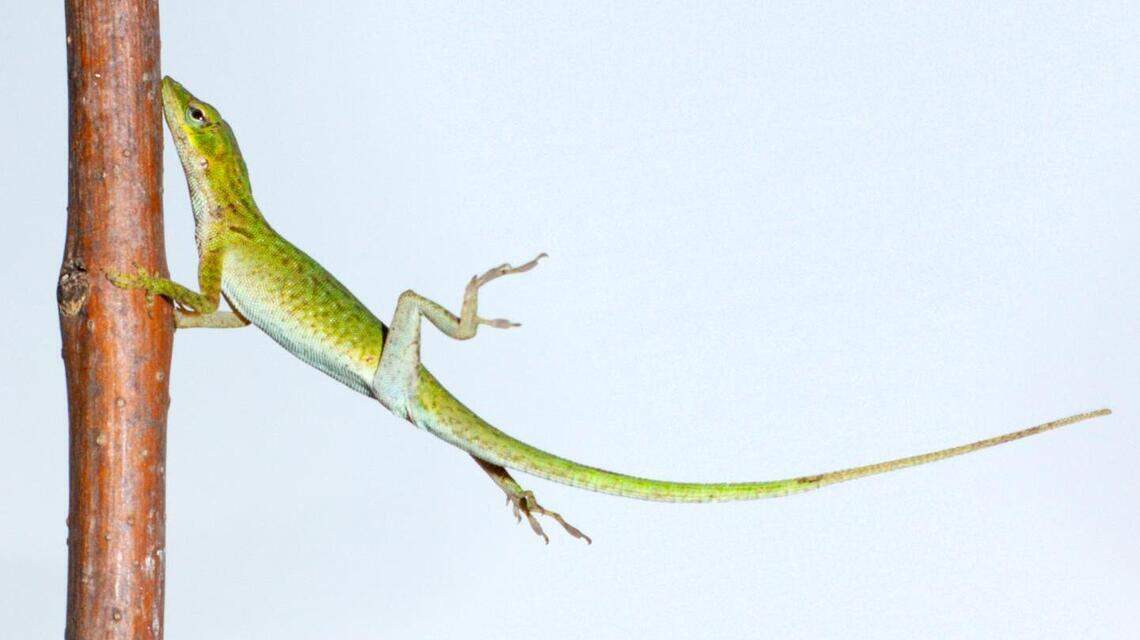
Scientists discovered some lizards can hold on to branches tightly to resist wind. This skill helps them avoid being blown away.
Another finding shows lizards sometimes use human-made objects as shelters, like leaf blowers left outside.
- Lizards grip tightly with their claws
- They use small crevices in objects for protection
- Human objects can provide safe hiding spots
Credit: www.miamiherald.com

Credit: www.miamiherald.com
Frequently Asked Questions
How Do Lizards Survive Hurricanes?
Lizards survive hurricanes by seeking shelter in crevices, underground burrows, or dense vegetation. They remain hidden to avoid strong winds and debris. Their small size and agility help them find safe spots quickly during storms.
Can Lizards Sense Hurricanes Approaching?
Yes, lizards can sense changes in air pressure and humidity before hurricanes. This helps them prepare by seeking shelter early. Their natural instincts trigger survival behaviors when storms are near.
Do Hurricanes Affect Lizard Populations Long-term?
Hurricanes can temporarily reduce lizard numbers due to habitat loss and injury. However, populations often recover as ecosystems regenerate. Lizards adapt quickly and recolonize affected areas within months or years.
Why Use Leaf Blowers After Hurricanes For Lizards?
Leaf blowers clear debris, exposing lizard habitats and food sources. This helps lizards find shelter and recover faster post-hurricane. Removing clutter reduces predators and improves their chances of survival.
Conclusion
Lizards use clever ways to survive strong hurricane winds. They find safe spots under leaves or rocks. Their small size helps them hide quickly. Strong claws keep them steady during storms. These adaptations protect lizards from harsh weather. Nature teaches us how animals stay safe.
We can learn a lot from their resilience. Next time a storm comes, remember these tiny survivors. They show strength in the face of danger. Lizards’ survival skills inspire us to stay calm and prepared.