Can Ticks Survive Cold Weather: Shocking Truths Revealed!
When winter approaches and temperatures drop, you might think ticks vanish along with the warm weather. But do they really disappear when it gets cold, or is it just a seasonal illusion?
If you’ve ever worried about these tiny pests lurking in your yard or on your pets, even in the chill of winter, you’re not alone. Understanding how ticks behave in cold weather can help you protect yourself and your loved ones all year round.
Get ready to uncover the truth about ticks and cold weather—because your peace of mind matters. Let’s dive into what happens to these persistent pests when the mercury falls.
Tick Biology And Cold Tolerance
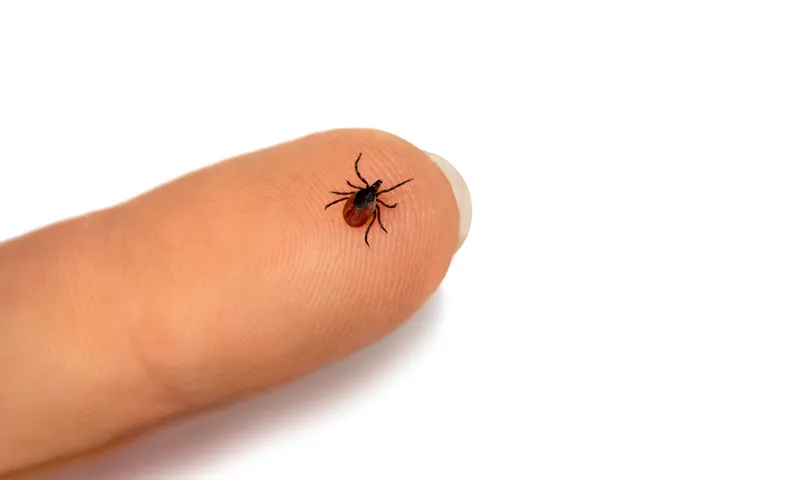
Ticks are small arachnids that feed on blood. Their survival depends on many factors, including temperature. Cold weather challenges ticks but they have ways to cope.
This article explains how different tick species live in various habitats. It also shows how ticks react to changing temperatures and survive cold seasons.
Tick Species And Habitats
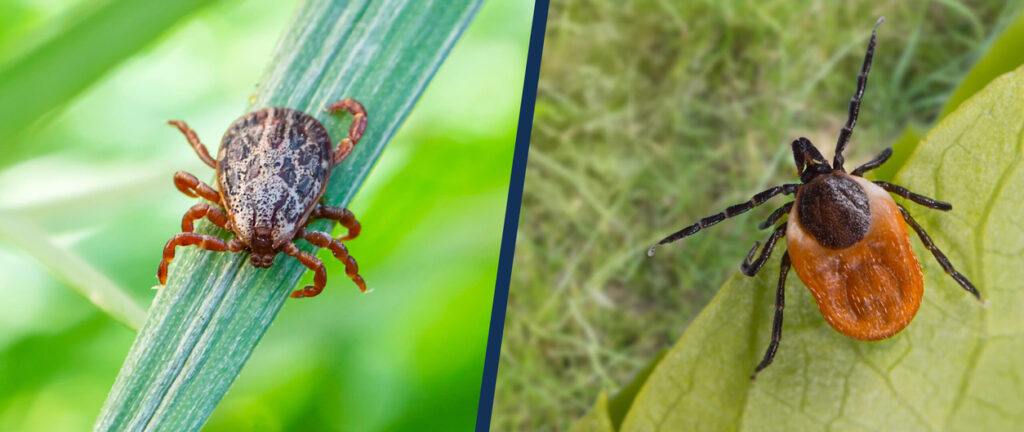
Ticks live all over the world. Different species prefer different places. Some live in forests, others in grasslands or near animals.
- Blacklegged ticks are common in wooded areas.
- Lone star ticks live in brushy fields and forests.
- Dog ticks often stay in grassy places near homes.
- Soft ticks live in animal nests or caves.
| Tick Species | Preferred Habitat | Cold Weather Range |
| Blacklegged Tick | Wooded areas | Temperate zones with cold winters |
| Lone Star Tick | Brushy fields | Warm to mild winters |
| American Dog Tick | Grasslands | Moderate cold tolerance |
| Soft Tick | Animal nests | Variable, some tolerate cold |
How Ticks Respond To Temperature Changes
Ticks sense temperature changes and adjust their behavior. They seek shelter to avoid freezing. Some enter a state like hibernation to save energy.
- Ticks hide under leaves or soil during cold days.
- They reduce activity when temperatures drop below 40°F (4°C).
- Some ticks produce chemicals that act like antifreeze.
- Cold slows their development and feeding cycles.
| Temperature (°F) | Tick Behavior |
|---|---|
| Above 50 | Active and seeking hosts |
| 32 to 50 | Reduced movement, shelter seeking |
| Below 32 | Enter dormancy or die if exposed too long |
Credit: americanpest.net
Survival Strategies In Winter
Ticks face tough conditions during cold months. They use special ways to survive freezing weather. Understanding these strategies helps us learn how ticks stay alive.
Cold weather limits tick activity. They rely on hibernation, dormancy, and finding shelter to protect themselves from harsh winters.
Hibernation And Dormancy
Ticks enter states similar to hibernation and dormancy to survive winter. Their metabolism slows down to save energy. This helps them last through cold months without food.
- Ticks stop feeding and moving actively.
- They reduce body functions to use less energy.
- This state can last from weeks to months.
- Ticks wake up when temperatures rise.
Finding Shelter In Cold Months
Ticks seek safe places to avoid freezing temperatures. Shelter protects them from ice, snow, and wind. They hide under leaves, bark, and soil.
| Type of Shelter | Protection Provided |
| Leaf litter | Keeps ticks warm and moist |
| Tree bark | Shields from wind and cold |
| Soil cracks | Insulates against freezing |
| Animal nests | Provides stable temperature |
Impact Of Cold Weather On Tick Activity
Ticks are small parasites that feed on animals and humans. Cold weather changes how active ticks can be. This affects their movement and feeding habits.
Understanding how cold weather impacts ticks helps us stay safe and control their spread during winter months.
Reduced Movement And Feeding
Ticks move less when temperatures drop. Cold weather slows down their body functions. This means they find hosts less often. They also feed less because their metabolism is slower.
- Ticks become inactive in cold weather
- They stay hidden in leaf litter or soil
- Feeding stops or slows down significantly
- Movement is limited to conserve energy
Seasonal Life Cycle Adjustments
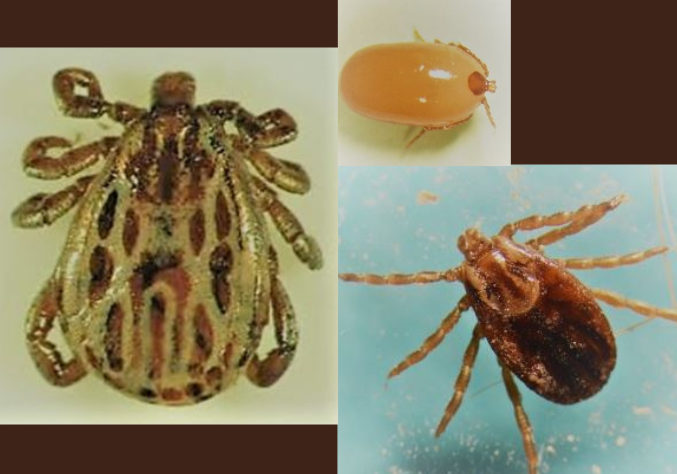
Ticks adapt their life cycle to survive cold seasons. They enter a state like hibernation called diapause. This pause helps them avoid harsh conditions until spring.
| Life Stage | Winter Behavior |
| Egg | Remain dormant in protected places |
| Larva | Enter diapause, wait for warmth |
| Nymph | Slow activity, minimal feeding |
| Adult | Seek shelter, reduce movement |
Ticks In Snow And Freezing Conditions
Ticks are small parasites that live on animals and humans. Many people wonder if ticks can live in cold weather. Snow and freezing temperatures are common in winter. Understanding how ticks survive these conditions helps us stay safe.
This article looks at how ticks react to cold. We will see if they die in snow or find ways to survive. The information comes from real studies and observations done by scientists.
Can Ticks Withstand Freezing Temperatures?
Ticks can survive cold weather, but it depends on the species and temperature. Some ticks go into a state like hibernation. They slow down their body functions to save energy. This helps them survive freezing nights.
- Ticks hide in leaf litter or under bark to stay warm.
- Some produce natural antifreeze chemicals in their bodies.
- Cold slows down tick development but does not kill them all.
- Ticks become less active during winter months.
Real-life Studies And Observations
Scientists have studied ticks in cold climates to understand their survival. They found that ticks in snowy areas do not die easily. Instead, ticks find shelter and wait for warmer days. Below is a table showing tick survival rates at different temperatures.
| Temperature (°C) | Tick Survival Rate (%) |
|---|---|
| 0 | 85 |
| -5 | 70 |
| -10 | 50 |
| -15 | 30 |
| -20 | 10 |
Risks Of Tick-borne Diseases In Winter
Ticks can survive cold weather and stay active in winter. This increases the chance of tick bites during cold months. People often think ticks are gone in winter, but risks remain.
Tick-borne diseases do not stop in winter. Some ticks carry bacteria and viruses that cause illness all year. Knowing the risks helps prevent infections.
Winter Tick Bites And Infection Rates
Ticks are less active in very cold weather but can still bite. Some tick species stay under leaves or snow and wait for hosts. Infection rates may be lower but not zero in winter.
| Tick Activity | Infection Risk |
| Active in mild winter days | Moderate |
| Dormant in freezing temperatures | Low |
| Hidden under snow or leaf litter | Possible |
Precautions During Cold Seasons
Taking safety steps lowers the chance of tick bites and infections in winter. Wear the right clothes and check your skin after being outside.
- Wear long sleeves and pants
- Use tick repellent on skin and clothes
- Check your body carefully after outdoor activities
- Remove ticks quickly with tweezers
- Keep yard clean from leaves and brush
Credit: www.drovers.com
Climate Change And Tick Survival
Ticks are small parasites that can spread diseases. Their survival depends a lot on the weather. Climate change affects how well ticks live through winters.
Warmer temperatures in winter help ticks survive longer. This can change where ticks live and how many there are.
Warmer Winters And Tick Population Growth
Mild winters mean fewer ticks die from cold. This allows more ticks to live and reproduce. Warmer winters lead to bigger tick populations in many areas.
- Ticks avoid freezing damage in warm winters.
- More ticks survive to find hosts.
- Longer tick activity seasons increase reproduction.
- Tick-borne diseases may rise with more ticks.
Expanding Tick Ranges
As winters get warmer, ticks move into new regions. These areas once had cold winters that stopped ticks from living there. Now, ticks find these places suitable.
| Region | Previous Winter Temperature | Current Winter Temperature | Tick Presence |
| Northern States | Below Freezing | Above Freezing | Increasing |
| Mountain Areas | Very Cold | Milder | Newly Found |
| Coastal Zones | Cold | Warmer | Stable |
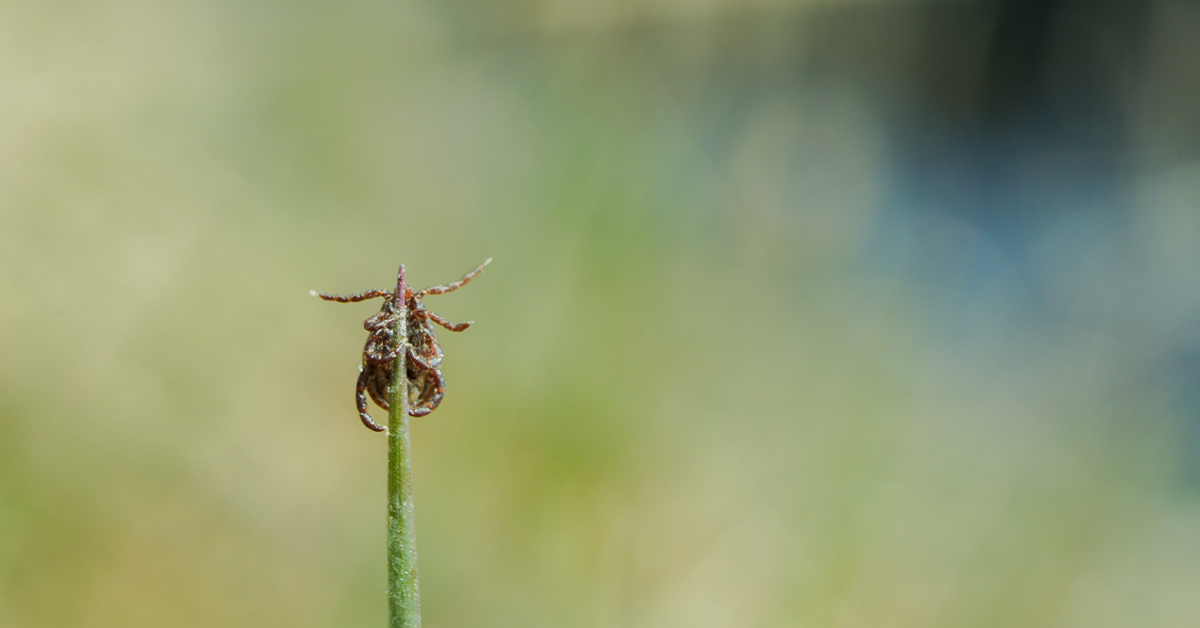
Credit: tickcontrol.com
Frequently Asked Questions
Can Ticks Survive Freezing Winter Temperatures?
Yes, some ticks can survive freezing temperatures by seeking shelter in leaf litter or soil. They enter a dormant state called diapause to endure cold weather.
How Do Ticks Adapt To Cold Climates?
Ticks adapt by slowing their metabolism and hiding in protected areas like under bark or snow. This helps them conserve energy and survive harsh winters.
Do Ticks Become Inactive During Winter Months?
Ticks become less active but do not die in winter. They wait for warmer conditions to become active and seek hosts again.
Can Cold Weather Kill Ticks Instantly?
Cold weather rarely kills ticks instantly. Prolonged exposure to freezing temperatures and lack of shelter is needed to reduce their populations.
Conclusion
Ticks can survive cold weather by hiding in leaves and soil. They slow down but do not die easily in winter. This means they can still be a risk when temperatures rise. Protect yourself and pets year-round, not just in warm months.
Knowing how ticks behave helps keep you safe outdoors. Stay alert, check for ticks often, and remove them quickly. Cold weather does not stop ticks from coming back. Stay prepared and protect your health always.