How Would You Survive a Hurricane: Essential Tips to Stay Safe
Picture this: the sky darkens, the wind howls, and rain lashes against your windows. A hurricane is approaching, and you find yourself wondering, “How would you survive a hurricane?”
It’s a terrifying thought, but knowing how to prepare and act can make all the difference. Your safety and peace of mind depend on the steps you take now. By learning the essentials of hurricane survival, you can protect your loved ones and your home from nature’s fury.
This guide is your lifeline, offering clear, actionable advice that could save your life. As you read on, you’ll discover practical tips and crucial information designed to empower you in the face of a hurricane. Get ready to dive into a plan that could ensure your safety when the storm hits.
Preparing Before The Storm
Hurricanes can cause serious damage. Preparing before the storm helps keep you safe.
Start early to protect your family and home. Follow these key steps to be ready.
Creating An Emergency Kit
An emergency kit has all the items you need if you lose power or must leave quickly.
- Water for at least three days
- Non-perishable food and snacks
- Flashlight with extra batteries
- First aid supplies
- Medications and important documents
- Battery-powered radio
- Cash and cell phone chargers
Securing Your Home
Protect your home by making it strong against strong winds and rain. This lowers damage risks.
- Install storm shutters or board up windows
- Clear gutters and drains
- Secure outdoor furniture and loose items
- Check the roof for loose shingles
- Trim trees and bushes near your house
Planning Evacuation Routes
Know where to go if you must leave your home. Plan routes ahead to avoid confusion.
| Destination | Distance (miles) | Route Options |
| Local Shelter | 5 | Main St, Oak Rd |
| Friend’s House | 15 | Highway 10, Maple Ave |
| Hotel | 30 | Interstate 5, Pine St |
Staying Informed With Weather Updates
Keep up with weather reports to know when the storm is coming and how strong it will be.
- Use a weather app on your phone
- Listen to a battery-powered radio
- Follow local news on TV or online
- Sign up for emergency alerts from local authorities

Credit: www.youtube.com
During The Hurricane
When a hurricane hits, staying safe is the top priority. You must know what to do during the storm. This guide helps you stay protected and informed.
Follow these tips to keep yourself and your family safe until the hurricane passes.
Finding Safe Shelter
Find a small, windowless room on the lowest floor of your home. Avoid rooms with glass or outside walls. A bathroom or closet often works well.
- Stay away from windows and doors
- Use a mattress or heavy blankets to protect yourself
- Keep a flashlight and emergency kit nearby
- Do not go outside until officials say it is safe
Managing Power Outages
Power outages are common during hurricanes. Use flashlights, not candles, to reduce fire risk. Keep your phone charged and use it only for emergencies.
| Item | Tips |
|---|---|
| Flashlights | Keep extra batteries ready |
| Phone | Charge fully before the storm |
| Generator | Use outdoors only to avoid carbon monoxide |
| Refrigerator | Keep closed to preserve food |
Protecting Yourself From Flying Debris
Flying debris can cause serious injuries. Stay inside and away from windows. Cover your head and neck with pillows or blankets.
Safety Tips:
- Wear sturdy shoes if you must move around
- Use helmets or thick clothing for extra protection
- Do not open windows to avoid pressure changes
Communicating With Family And Authorities
Keep your phone charged and use texts to save battery. Let family know you are safe as soon as possible. Listen to official updates on a battery-powered radio.
- Send a quick text or call to check in
- Follow evacuation or safety instructions from officials
- Use social media only to get or share important news
- Do not spread rumors or unconfirmed information
After The Hurricane Passes
After a hurricane passes, it is important to stay safe and check your surroundings. The storm may be over, but dangers still exist.
This guide helps you know what to do next. Focus on safety, finding help, and starting to fix your home.
Assessing Damage Safely
Wait for daylight before checking your home. Look for broken glass, sharp objects, and unstable structures.
Wear sturdy shoes and gloves. Avoid walking near downed power lines or damaged trees.
Avoiding Floodwaters And Hazards
Do not walk or drive through floodwaters. Water may hide sharp objects and strong currents.
Stay away from flooded areas and watch for snakes or insects. Floodwaters can carry harmful germs.
- Keep children and pets away from floodwater
- Do not touch electrical equipment if wet
- Use a stick to check water depth before crossing
Accessing Emergency Services
Call emergency numbers if you or others need help. Share your location clearly and calmly.
Use a battery-powered radio or phone to get news and updates. Follow official instructions for your area.
- Contact fire, police, or medical help as needed
- Report downed power lines or gas leaks
- Check on neighbors who may need aid
Beginning Cleanup And Recovery
Start cleaning only after it is safe. Remove debris carefully and wear protective gear.
Keep records of damage and take photos. These help with insurance claims and aid requests.
- Sort damaged items for repair or disposal
- Dry out wet areas to prevent mold
- Get help from local cleanup programs if possible

Credit: www.cnn.com
Special Considerations
Surviving a hurricane takes more than just preparing supplies. You must think about people with special needs and your pets. Emotional stress can also affect your safety during a storm.
Planning for these special situations helps keep everyone safe and calm. Knowing what to do can make a big difference in how you handle the hurricane.
Helping Vulnerable Individuals
Some people need extra help during a hurricane. This includes the elderly, disabled, and young children. They may have trouble moving or understanding warnings.
Check on vulnerable neighbors and family. Make sure they have enough food, water, and medicine. Plan how you will evacuate them safely if needed.
- Keep a list of vulnerable people nearby
- Help them prepare emergency kits
- Arrange transport for those without vehicles
- Keep important medical information ready
Pets And Hurricane Safety
Pets also need a plan for hurricanes. They cannot tell you when they are scared or hungry. Bring pets inside before the storm starts.
Prepare a pet emergency kit with food, water, and medicine. Keep leashes and carriers ready. Never leave pets outside during a hurricane.
- Include pet food and water for at least three days
- Keep a photo of your pet for identification
- Know which shelters accept pets
- Secure collars with ID tags
Dealing With Emotional Stress
Hurricanes cause fear and anxiety. Feeling stressed is normal. Stress can make it hard to think clearly and stay safe.
Talk to family and friends about your feelings. Take breaks from news and social media. Use deep breathing to stay calm.
- Stay connected with loved ones
- Keep a routine to feel normal
- Ask for help if stress is too much
- Focus on what you can control
Long-term Preparedness
Preparing for hurricanes takes more than just quick action. Long-term plans help keep you safe over years. It means making your home stronger and building good community ties.
This guide covers key steps to stay ready for future storms. It focuses on building safe homes, using local resources, and staying alert for new dangers.
Building Resilient Homes
A strong home can protect your family from hurricane damage. Use tough materials and smart designs to reduce risks. Fix weak spots like roofs and windows before storms hit.
- Install storm shutters or impact-resistant windows
- Strengthen the roof with hurricane straps or clips
- Seal doors and windows to stop water leaks
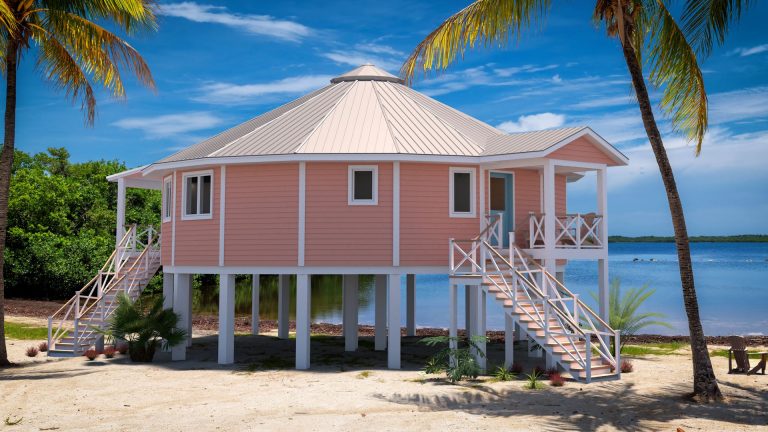
- Elevate your home if it is in a flood zone
- Keep trees trimmed and remove loose branches nearby
Community Support And Resources
Working with neighbors and local groups helps everyone prepare better. Share plans and supplies. Know where to find help if a hurricane strikes your area.
| Resource | What It Offers | Contact Info |
| Local Emergency Shelters | Safe places during storms | Call 911 or local website |
| Community Preparedness Groups | Training and supplies | Visit community center |
| Disaster Relief Agencies | Food and medical aid | Check Red Cross website |
Staying Ready For Future Storms
Stay alert to weather updates and keep your emergency kit ready. Practice your plan often. Replace supplies that expire to stay prepared all year.
- Check weather forecasts daily during hurricane season
- Update your emergency kit every six months
- Review and practice evacuation routes with family
- Keep important documents in a waterproof container
- Learn basic first aid and CPR skills

Credit: x.com
Frequently Asked Questions
How Do I Prepare My Home Before A Hurricane?
Secure windows with storm shutters or plywood. Clear gutters and drains. Bring outdoor furniture inside. Stock up on emergency supplies like water, food, and batteries. Ensure your home insurance is up to date.
What Essential Items Should I Include In A Hurricane Kit?
Include water (one gallon per person daily), non-perishable food, flashlight, batteries, first aid kit, medications, important documents, and cash. Also, pack a battery-powered radio and personal hygiene items to stay informed and comfortable during the storm.
When Is The Best Time To Evacuate During A Hurricane?
Evacuate as soon as local authorities advise. Don’t wait for the storm to approach. Early evacuation ensures safety and avoids traffic. Plan your route and have a destination ready before the hurricane hits.
How Can I Stay Safe Indoors During A Hurricane?
Stay away from windows and glass doors. Take shelter in a small interior room or closet on the lowest floor. Keep a flashlight and emergency supplies nearby. Avoid using electrical appliances during the storm.
Conclusion
Surviving a hurricane takes careful planning and quick action. Know your risks and prepare your home early. Pack essentials like water, food, and medicine in a safe place. Stay informed with weather updates and follow official advice. Stay calm and help others if you can.
Remember, safety comes first. Being ready saves lives and reduces damage. Practice your plan before a storm hits. Stay strong and stay safe through every hurricane.