How Do Houses Survive Hurricanes: Proven Strategies That Work
When a hurricane is on the horizon, your mind might race with questions about how to protect your home. You’ve seen the devastating images on the news—roofs torn apart, walls crumbled, and families left with nothing.
But how do some houses manage to withstand the fury of such a powerful storm? Is it just luck, or is there a science behind it? By understanding the secrets of hurricane-resistant homes, you can take steps to better safeguard your own sanctuary.
This article will unravel the strategies that make certain houses more resilient, providing you with peace of mind and practical solutions. Keep reading to discover how you can turn your home into a fortress against nature’s mightiest forces.

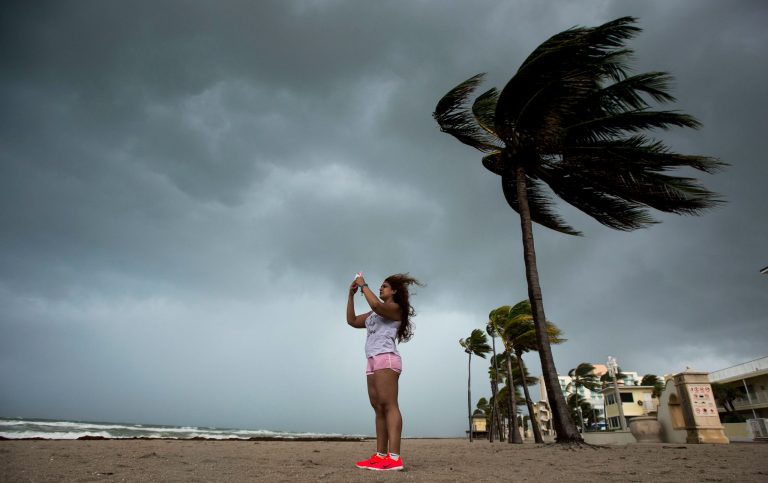
Credit: www.bgr.com
Hurricane Forces On Homes
Hurricanes create strong forces that test the strength of houses. Wind, water, and flying debris can cause damage.
Understanding these forces helps builders design homes that survive storms better.
Wind Pressure And Impact
Hurricane winds push hard against walls, roofs, and windows. This pressure can bend or break parts of a house.
Strong winds also create suction that can lift roofs off if they are not securely fastened.
- Wind pressure increases with wind speed
- Flat surfaces face more wind force
- Proper roof anchoring reduces damage risk
Flooding And Water Damage
Heavy rain and storm surge can flood homes quickly. Water seeps into walls and floors, causing damage.
Flooding can weaken the foundation and cause mold growth inside the house.
- Elevated homes reduce flood risk
- Good drainage systems help move water away
- Water-resistant materials limit damage
Debris Hazards
Flying debris like tree branches and loose objects hit homes during hurricanes. These impacts can break windows and damage siding.
Strong debris can cause holes in walls and roofs, letting in wind and water.
- Storm shutters protect windows
- Clearing loose objects reduces flying debris
- Strong exterior walls resist impacts
Designing For Strength
Houses need to be strong to survive hurricanes. Builders use special designs to keep homes safe.
Strong designs help buildings resist high winds and heavy rain during storms.
Aerodynamic Roof Shapes
Aerodynamic roofs help wind flow smoothly over houses. This lowers the chance of roof damage.
Roofs with a steep slope or rounded edges reduce wind pressure. This makes homes safer in storms.
- Steep roof slopes prevent wind from lifting the roof
- Rounded edges reduce wind resistance
- Hip roofs are stronger than flat roofs
Reinforced Walls And Frames
Walls and frames must be strong to hold the house together. Builders use extra support materials.
Steel reinforcements and strong wood frames help walls resist strong winds and flying debris.
- Use steel or metal straps to connect walls and roof
- Install impact-resistant windows and doors
- Strengthen corners with extra framing
Elevated Foundations
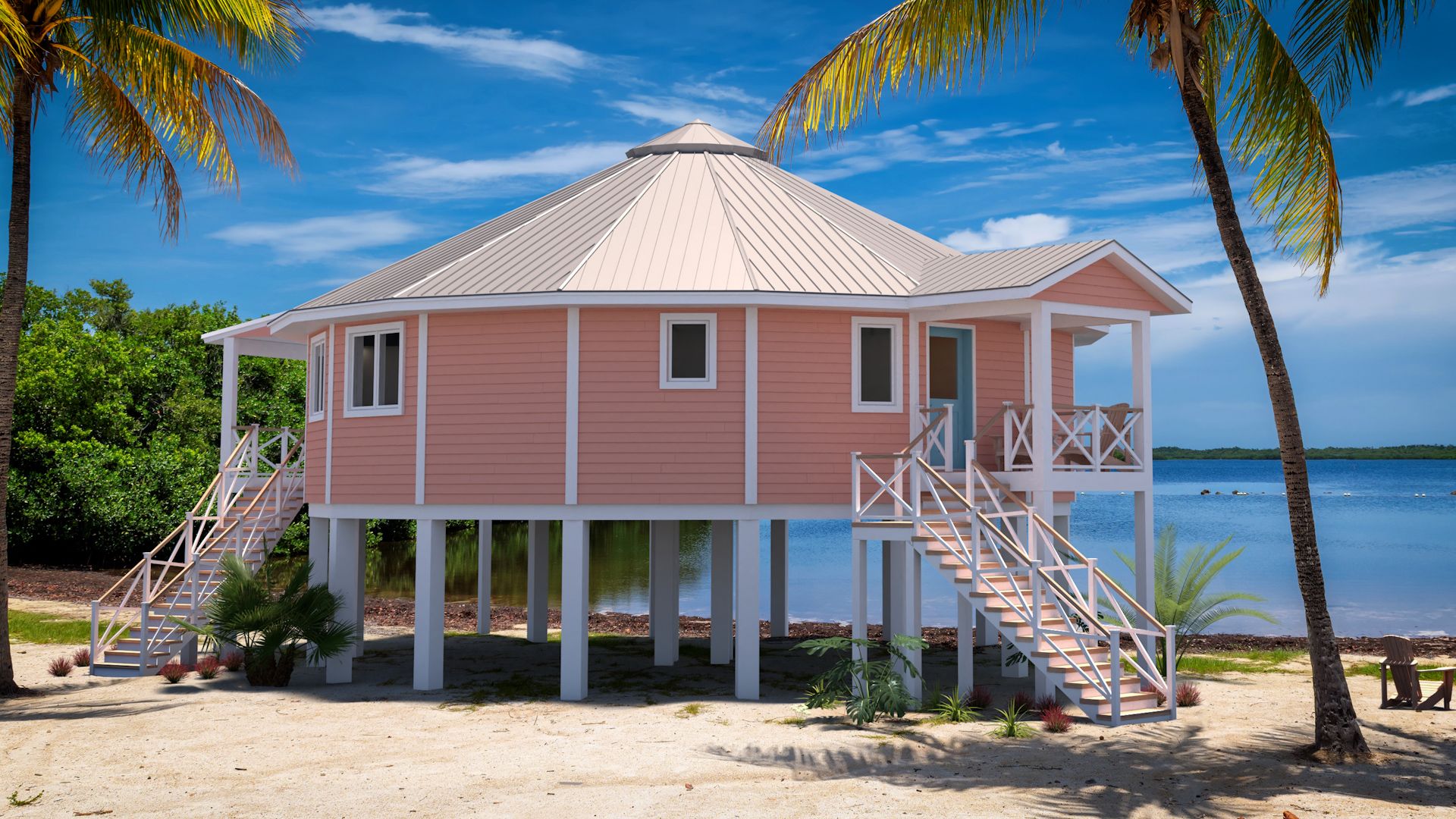
Elevated foundations raise houses above flood levels. This protects homes from water damage.
Building on stilts or piers lets water flow under the house during floods or storm surges.
- Use concrete piers or stilts to raise the house
- Allow space under the house for water to pass
- Elevate electrical and plumbing systems above flood risk
Materials That Resist Damage
Houses need strong materials to survive hurricanes. These materials help reduce damage from wind and water.
Using the right windows, doors, roofing, and waterproofing can protect a home better during storms.
Impact-resistant Windows And Doors
Impact-resistant windows and doors use thick glass and strong frames. They stop flying debris from breaking through.
- Layers of laminated glass absorb impact
- Reinforced frames resist bending and breaking
- Proper seals prevent water leaks during storms
Strong Roofing Materials
Roofing must resist high winds and heavy rain. Strong materials help keep the roof intact.
| Material | Benefit |
| Metal | Lightweight and wind-resistant |
| Concrete Tiles | Durable and fire-resistant |
| Asphalt Shingles | Cost-effective and easy to install |
Waterproofing Solutions
Waterproofing stops water from entering the home. It protects walls and foundations from damage.
- Sealants applied around windows and doors
- Waterproof membranes under roofing materials
- Drainage systems to redirect water away

Credit: www.washingtonpost.com
Construction Techniques
Houses must withstand strong winds and heavy rain during hurricanes. Builders use special methods to make homes strong and safe. These techniques focus on how the house stays anchored, sealed, and supported.
Understanding these construction methods helps explain why some houses survive hurricanes better than others. The main areas include anchoring, sealing, and using extra hardware like straps and clips.
Anchoring And Fastening Methods
Anchoring connects the house securely to its foundation. Fastening holds all parts of the house together. Strong anchors and fasteners stop the house from lifting or moving during a storm.
- Use concrete footings and steel anchors for strong foundation ties
- Secure the walls to the foundation with bolts or straps
- Fasten roof trusses tightly to walls to prevent uplift
- Use nails and screws designed for high wind resistance
Sealing And Insulating
Sealing stops water and wind from entering the house. Insulation keeps the house protected from temperature changes and moisture damage. Good sealing and insulation improve the house’s durability in storms.
| Sealing Method | Purpose |
| Weatherstripping around doors and windows | Prevents wind and rain from entering |
| Caulking cracks and gaps in walls | Blocks water leaks |
| Foam insulation in walls and attic | Reduces moisture and heat loss |
| Vapor barriers under flooring | Stops moisture from ground |
Use Of Hurricane Straps And Clips
Hurricane straps and clips add extra strength to the roof and walls. They connect different parts of the house firmly. These metal pieces help the structure resist strong winds and prevent roof damage.
Common types of hurricane straps and clips:
- Roof-to-wall straps that tie roof trusses to walls
- Wall-to-foundation clips that secure walls to the base
- Corner braces that strengthen frame corners
- Rafter ties that hold roof rafters in place
Landscaping And Site Planning
Good landscaping and site planning help houses survive hurricanes. Proper design can reduce wind damage and flooding risks.
Choosing the right plants and site features protects homes and keeps the area safe during storms.
Windbreaks And Buffer Zones
Windbreaks are rows of trees or shrubs that block strong winds. They reduce wind speed near houses and lower damage risk.
Buffer zones are clear spaces around a house. They keep debris and strong winds from hitting the building directly.
- Plant tall, dense trees on the windward side
- Use shrubs close to the house for extra protection
- Keep buffer zones free of loose objects
Drainage And Flood Control
Good drainage helps move water away from the house quickly. This stops flooding and water damage during hurricanes.
Site planning should include slopes and drains that guide rainwater safely away from buildings.
- Build swales or shallow ditches to redirect water
- Install rain gardens to absorb excess water
- Keep gutters and drains clean and clear
Clearing Debris Hazards
Remove loose branches, dead trees, and other debris near the house. These can become dangerous flying objects in a hurricane.
Clear areas around your home to reduce damage and keep escape routes open.
- Trim trees regularly to remove weak limbs
- Secure or remove outdoor furniture and tools
- Keep yard clean of leaves and trash
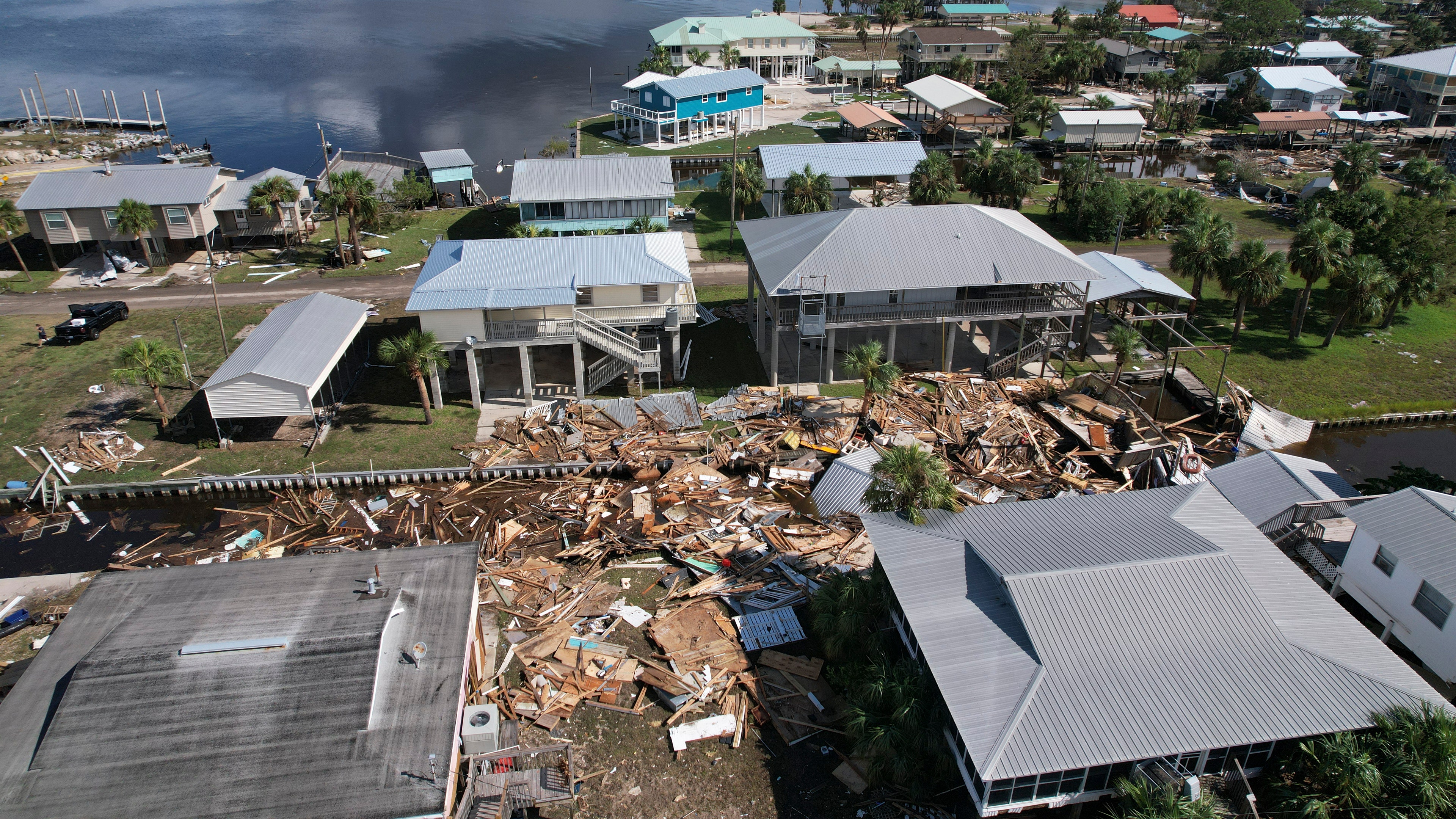
Credit: weather.com
Retrofitting Older Homes
Older homes often need extra work to survive hurricanes. Retrofitting makes them stronger. It helps protect the house and the people inside.
This guide explains key ways to retrofit older homes. Focus areas include the roof, windows, and doors. These parts face the most wind and rain damage.
Strengthening Roof Connections
Strong roof connections stop the roof from lifting off in high winds. Reinforce the joints where the roof meets walls. Use metal straps or clips to hold them tightly together.
- Install hurricane straps between rafters and top plates
- Use longer nails or screws for better grip
- Check for loose shingles and replace damaged ones
- Seal gaps to prevent water leaks
Installing Storm Shutters
Storm shutters protect windows from flying debris. They reduce the chance of broken glass and water damage. Use strong materials like metal or heavy-duty plastic.
| Type of Shutter | Material | Benefit |
|---|---|---|
| Accordion | Aluminum | Easy to open and close |
| Roll-down | Steel or Aluminum | Strong and quick to deploy |
| Panel | Polycarbonate or Metal | Inexpensive and durable |
Reinforcing Doors And Windows
Doors and windows are weak spots in a hurricane. Reinforce them to stop wind and water from entering. Use stronger frames and locks.
Tips to reinforce doors and windows:
- Install impact-resistant glass or film
- Use heavy-duty deadbolt locks on doors
- Strengthen door frames with metal reinforcements
- Add weather stripping to seal gaps
Building Codes And Regulations
Houses survive hurricanes because of strong building codes and rules. These codes make sure homes can handle high winds and heavy rain.
Rules for building homes change by location. They focus on making houses safer during storms.
Local Hurricane Standards
Different areas have rules for building homes to resist hurricanes. These rules depend on how often storms hit the area.
Standards include strong roofs, impact-resistant windows, and secure doors. They help stop wind and water damage.
- Use of hurricane straps and clips
- Stronger roof designs
- Windows that resist broken glass
- Raised foundations in flood zones
Inspection And Compliance
Local officials inspect homes to check if they follow hurricane rules. They do this during and after construction.
Inspectors look for proper materials and building methods. They also check if the house matches approved plans.
- Foundation strength
- Roof attachment quality
- Window and door installation
- Proper use of hurricane-resistant materials
Incentives For Safe Construction
Some places offer rewards for building hurricane-safe homes. These help owners reduce costs and protect their property.
Incentives include lower insurance rates and tax breaks. They encourage builders to follow strong codes and use safe materials.
- Discounts on home insurance
- Tax credits for storm-proof upgrades
- Grants for installing impact windows
- Loans with better terms for safe homes
Emergency Preparedness Features
Houses need special features to stay safe during hurricanes. These features help protect people and property. They also keep essential systems working.
Emergency preparedness means planning and building with care. This includes safe rooms, backup power, and flood protection.
Safe Rooms And Shelters
Safe rooms are strong spaces inside a house. They protect people from strong winds and flying debris. These rooms use reinforced walls and ceilings.
Shelters can be built underground or above ground. They provide a secure place for families during storms. Safe rooms often have special doors and no windows.
- Reinforced concrete walls
- Impact-resistant doors
- No windows or small, protected windows
- Ventilation systems for fresh air
- Emergency supplies stored inside
Backup Power Systems
Backup power keeps important devices running during a blackout. It powers lights, refrigerators, and communication tools. This is vital when storms cause power loss.
Generators and battery systems are common backup power options. They can start automatically when the power goes out. This helps keep families safe and comfortable.
- Portable or whole-house generators
- Battery backup with solar charging
- Automatic start features
- Fuel storage for generators
- Regular maintenance to ensure readiness
Flood Barriers And Sandbags
Flood barriers stop water from entering a house. They can be permanent or temporary. Sandbags are a simple way to block water near doors and windows.
These barriers reduce water damage. They help keep the house dry and reduce repair costs after a hurricane.
- Stacked sandbags around entry points
- Inflatable or removable flood barriers
- Waterproof door and window seals
- Proper drainage systems around the house
- Regular checks and replacement of barriers
Frequently Asked Questions
How Do Houses Resist Hurricane Winds?
Houses resist hurricane winds through reinforced roofs, impact-resistant windows, and strong framing. Building codes require specific materials and techniques to withstand high wind speeds and pressure.
What Materials Make Houses Hurricane-proof?
Hurricane-proof houses use concrete, steel, and impact-resistant glass. These materials provide durability and reduce damage from flying debris during storms.
Why Is Roof Design Important In Hurricanes?
Roof design directs wind flow and prevents uplift. Hip roofs and securely fastened shingles reduce the risk of roof damage during hurricanes.
How Do Foundation Types Affect Hurricane Survival?
Strong foundations anchor houses against storm surge and wind forces. Deep pilings and concrete slabs provide stability and prevent structural failure.
Conclusion
Strong houses resist hurricane winds and heavy rains. Builders use special materials and designs for safety. Roofs stay secure with extra nails and straps. Walls have strong frames to hold against storms. Windows get protected with shutters or impact glass.
Proper drainage keeps water from flooding inside. These steps help homes stay safe during hurricanes. Prepared homes mean less damage and quicker recovery. Understanding how houses survive helps us protect our families. Safety starts with smart building and good planning.