Can Figs Survive Cold Weather: Essential Tips for Hardy Growth
Are you a fig enthusiast wondering if your beloved fig trees can brave the cold? You’re not alone.
Many gardeners face the challenge of keeping these warm-weather plants healthy when temperatures drop. Imagine the joy of seeing your fig trees thrive, even when the winter chill sets in. Understanding how figs react to cold weather can make all the difference in your gardening success.
By diving into this topic, you’ll discover practical tips and strategies that can ensure your fig trees not only survive but flourish, no matter the season. Ready to unlock the secrets of fig survival in cold weather? Let’s explore together.
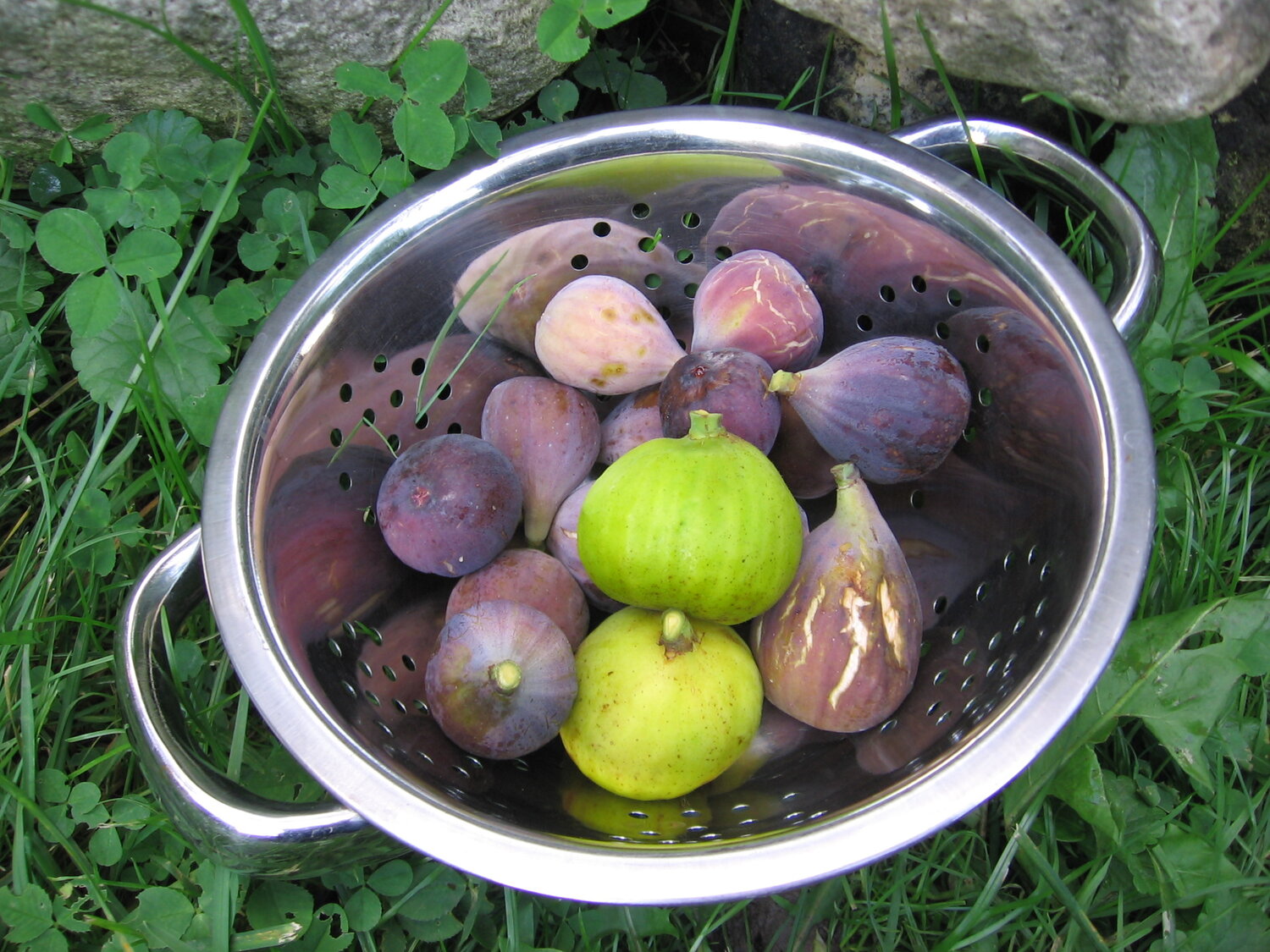
Credit: www.dougoster.com
Fig Tree Cold Tolerance
Fig trees are popular for their sweet fruit and easy care. They grow well in warm climates. But many gardeners wonder if figs can survive cold weather.
This guide explains how cold affects fig trees. It covers temperature limits, frost damage, and varieties that handle cold well.
Temperature Thresholds For Survival
Fig trees have limits on how cold they can tolerate. Most young trees die if temperatures fall below 15°F (-9°C). Mature trees can survive short periods near 10°F (-12°C).
- Above 20°F (-6°C): Safe for most fig trees
- 15 to 20°F (-9 to -6°C): Risk of damage to young trees
- Below 15°F (-9°C): High risk of tree death
- Below 10°F (-12°C): Only very hardy varieties survive
Impact Of Frost On Figs
Frost can harm fig trees by freezing their water inside cells. This causes the cells to burst and die. Leaves and new shoots are most vulnerable.
| Frost Effect | Tree Part Affected | Result |
| Light frost | Leaves | Browning and dropping |
| Moderate frost | New shoots | Dieback and stunted growth |
| Severe frost | Branches and trunk | Cracking and death |
Varieties Suited For Cold Climates
Some fig varieties handle cold better than others. Choosing these can help if you live in a cooler area.
- Chicago Hardy: Can survive temperatures near 0°F (-18°C)
- Celeste: Tolerates light frost and cold winters
- Brown Turkey: Does well in mild cold climates
- Violette de Bordeaux: Handles cold if protected

Credit: www.reddit.com
Preparing Figs For Winter
Figs need care before cold weather arrives. Preparing them helps the tree survive winter. Protecting figs ensures they grow healthy again in spring.
This guide covers pruning, mulching, and using covers. Each step helps your fig tree resist the cold and damage.
Pruning Techniques
Pruning fig trees in late fall removes dead or weak branches. This helps the tree save energy and reduces disease risk.
- Cut back branches that look dry or broken.
- Remove small, weak twigs to improve air flow.
- Trim large branches by about one-third to limit frost damage.
- Use clean, sharp tools to make smooth cuts.
- Dispose of all cuttings to avoid pests.
Mulching Benefits
Mulch keeps soil warm and moist around fig roots. It also blocks weeds and protects from temperature swings.
| Mulch Type | Benefits | Notes |
|---|---|---|
| Straw | Keeps soil insulated and dry | Use clean, dry straw only |
| Wood chips | Retains moisture well | Apply a thick layer to prevent frost |
| Leaves | Natural and easy to find | Shred leaves to avoid matting |
Using Protective Covers
Covers shield fig trees from frost and wind. They create a warmer microclimate around the tree.
- Use frost cloths or burlap to wrap the tree.
- Support covers with stakes to avoid touching branches.
- Remove covers during sunny days to prevent overheating.
- Check covers often for moisture or damage.
Planting Location Tips
Figs can be sensitive to cold weather, so choosing the right planting location is key. Picking a spot that protects them from harsh conditions helps the tree grow well.
Good soil, warmth, and sunlight all play important roles in the health of fig plants during colder months.
Choosing A Microclimate
Find a place that naturally stays warmer and shelters the fig tree from cold winds. Areas near walls or buildings work well. South-facing spots get more heat from the sun.
- Plant near a south-facing wall or fence
- Avoid low areas where cold air settles
- Use natural windbreaks like shrubs or trees
- Choose spots with good air drainage
Soil Considerations
Figs prefer soil that drains well to avoid root rot in wet, cold weather. Rich, sandy loam soils are best. Avoid heavy clay soils that hold water.
| Soil Type | Drainage | Best for Figs |
| Sandy Loam | Good | Yes |
| Clay | Poor | No |
| Loam | Moderate | Yes |
| Peat | Good | Yes, if mixed |
Sunlight Exposure
Figs need full sun to stay healthy and strong. At least six hours of direct sunlight helps the plant resist cold damage. Choose a spot with open sky and no shade.
Tips for sunlight exposure:
- Avoid planting near tall trees that block light
- Place figs where they get morning sun to warm up early
- Keep the area free from objects that cause shade
Indoor Care During Cold Months
Figs can struggle in cold weather, so many gardeners bring them indoors. Taking care of figs inside helps them survive winter. You need to know how to adjust their care for indoor conditions.
This guide covers moving figs to containers, giving them enough light and warmth, and changing how you water them. These tips help your fig tree stay healthy in cold months.
Transplanting To Containers
Before cold weather arrives, move your fig tree into a container. Choose a pot with good drainage holes. Use fresh potting soil to give roots space to grow. Avoid damaging roots during transplant.
- Select a container at least 12 inches wide and deep
- Fill with well-draining potting mix
- Gently remove the fig from the ground or larger pot
- Place the root ball in the new container
- Fill around roots with soil and press lightly
- Water the plant well after transplanting
Light And Temperature Needs Indoors
Figs need bright light to grow indoors during cold months. Place the container near a sunny window. They prefer temperatures between 60°F and 75°F. Avoid drafty spots or heaters that dry the air.
| Factor | Ideal Range |
| Light | 6-8 hours of direct sunlight |
| Temperature | 60°F to 75°F (15°C to 24°C) |
| Humidity | 40% to 60% |
Watering Adjustments
Figs need less water indoors during winter. Overwatering causes root rot. Check soil moisture before watering. Water only when the top inch of soil feels dry.
- Use lukewarm water to avoid shock
- Water slowly until it drains from the bottom
- Empty excess water from the saucer
- Reduce watering frequency to once every 10-14 days
- Increase watering slightly if leaves look droopy
Signs Of Cold Damage
Figs can suffer from cold weather damage, which affects their leaves, branches, and fruit. Knowing the signs helps you protect your fig tree early.
Cold damage shows in different ways. Look closely at your fig tree after frost or freezing temperatures.
Leaf And Branch Symptoms
Leaves may turn black or brown and look wilted after cold exposure. Branches can crack or die back from freezing temperatures.
- Leaf edges turn brown and dry
- Leaves drop early or wilt
- Branches feel brittle and may snap
- Darkened bark shows freezing injury
Fruit Impact
Cold weather can damage figs on the tree. The fruit may become soft, shriveled, or fail to ripen properly.
- Figs develop brown spots or rot
- Fruit drops before ripening
- Texture becomes mushy or dry
- Reduced fruit size and flavor
Recovery Strategies
After cold damage, prune dead branches to help the tree heal. Water and mulch the base to protect roots.
Keep an eye on new growth in spring. Protect young trees with covers or move potted figs indoors during frost.
- Cut away damaged branches in late winter
- Water deeply but avoid overwatering
- Apply mulch to keep soil warm
- Use frost cloths or covers during cold nights
- Move potted figs to a sheltered spot
Long-term Strategies For Hardy Growth
Figs can survive cold weather with the right care. Planning for long-term growth helps trees stay healthy.
Choosing the right cultivar, managing soil well, and regular maintenance are key to strong fig plants.
Selecting Cold-hardy Cultivars
Some fig varieties tolerate cold better than others. Pick types known for hardiness in your region.
- Chicago Hardy: Can survive temperatures down to -10°F (-23°C).
- Brown Turkey: Handles mild frost well and grows fast.
- Celeste: Known for good cold tolerance and sweet fruit.
- Desert King: Thrives in cooler climates with some cold protection.
Soil And Fertilizer Management
Good soil helps figs resist cold stress. Use well-drained soil with plenty of organic matter.
| Soil Factor | Recommended Action |
| Drainage | Amend soil with sand or perlite to improve drainage |
| pH Level | Maintain between 6.0 and 6.5 for best growth |
| Fertilizer | Use balanced fertilizer in early spring and late summer |
| Mulching | Apply mulch to keep roots warm and moist in winter |
Regular Maintenance Practices
Consistent care protects figs from cold damage. Prune and water properly throughout the year.
- Prune in late winter to remove dead or weak branches.
- Water deeply before the ground freezes to keep roots hydrated.
- Wrap trunks with insulating material during harsh winters.
- Check for pests and diseases regularly to prevent stress.

Credit: www.figboss.com
Frequently Asked Questions
Can Figs Survive Freezing Temperatures?
Figs can survive mild frost but struggle in freezing temperatures below 20°F (-6°C). Protecting young trees is crucial for cold climates.
How To Protect Fig Trees From Cold Weather?
Wrap fig trunks with burlap or frost cloth. Mulch heavily around the base to insulate roots from freezing.
Which Fig Varieties Tolerate Cold Best?
Cold-hardy figs like Chicago Hardy and Brown Turkey survive colder climates better than other varieties.
When Should I Cover My Fig Tree For Winter?
Cover fig trees before the first hard frost, usually in late fall, to prevent cold damage.
Conclusion
Figs can survive cold weather with the right care. Protect young trees from frost and strong winds. Mulch around the base to keep roots warm. Choose cold-hardy varieties for better results. Watch for signs of damage during winter months. Prune carefully to help the tree recover.
Growing figs in cold areas takes patience and effort. Still, the sweet fruit makes it worth trying. Keep your fig tree healthy, and it will thrive. Cold weather is a challenge, but not a barrier.