How Do Submarines Survive a Hurricane: Secrets of Ultimate Safety
Imagine this: a powerful hurricane is sweeping across the ocean, unleashing its fury with relentless winds and towering waves. Above the surface, chaos ensues, but deep below, submarines continue their journey with remarkable resilience.
How do these incredible vessels manage to survive such formidable natural forces? You might be curious, especially if you’ve ever wondered about the marvels of engineering that enable submarines to withstand nature’s wrath. You’ll discover the fascinating strategies and technologies that ensure submarines remain safe and operational during a hurricane.
We’ll delve into the secrets of their design, the science behind their stability, and how their crew expertly navigates these underwater fortresses through turbulent waters. By the end, you’ll have a newfound appreciation for these underwater giants and the extraordinary measures taken to protect them from the world’s most powerful storms. Stay with us to unlock the mysteries of how submarines brave the fiercest of hurricanes.
Submarine Design For Rough Seas
Submarines face tough conditions under the ocean. They must survive strong storms like hurricanes.
The design of a submarine helps it stay safe and steady in rough seas. Strong materials and shapes protect it.
Hull Strength And Shape
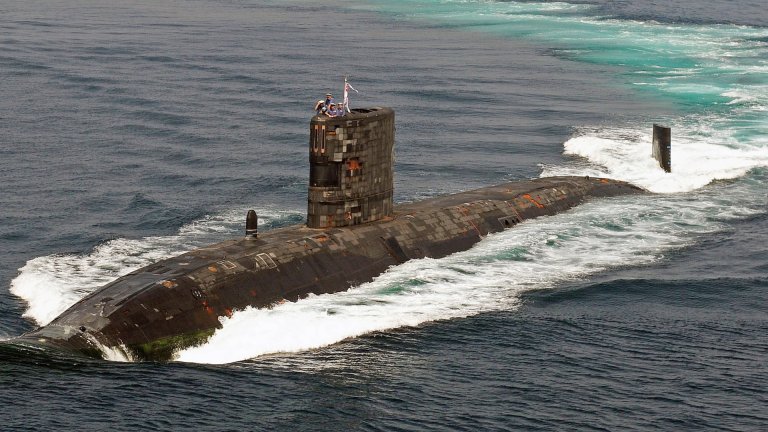
The hull is the outer shell of a submarine. It must be strong to handle rough water and pressure.
Submarines have rounded shapes to cut through water smoothly. This shape reduces stress from waves and currents.
- Rounded hulls reduce water resistance
- Strong hulls prevent damage from waves
- Shape helps keep the submarine stable
Materials And Construction
Submarine hulls are made from tough metals like steel and titanium. These materials resist bending and breaking.
Builders use special techniques to join metal parts tightly. This keeps the hull water-tight and strong.
- High-strength steel or titanium alloys
- Welding creates strong, leak-proof seams
- Corrosion-resistant coatings protect metal
Pressure Resistance
Submarines face high pressure deep underwater. Their hulls must resist this pressure to keep the crew safe.
Designers test submarines to handle great depths. The hull must not crack or deform under pressure.
- Thick hull walls absorb pressure
- Circular shape spreads pressure evenly
- Safety margins keep hull intact at depth
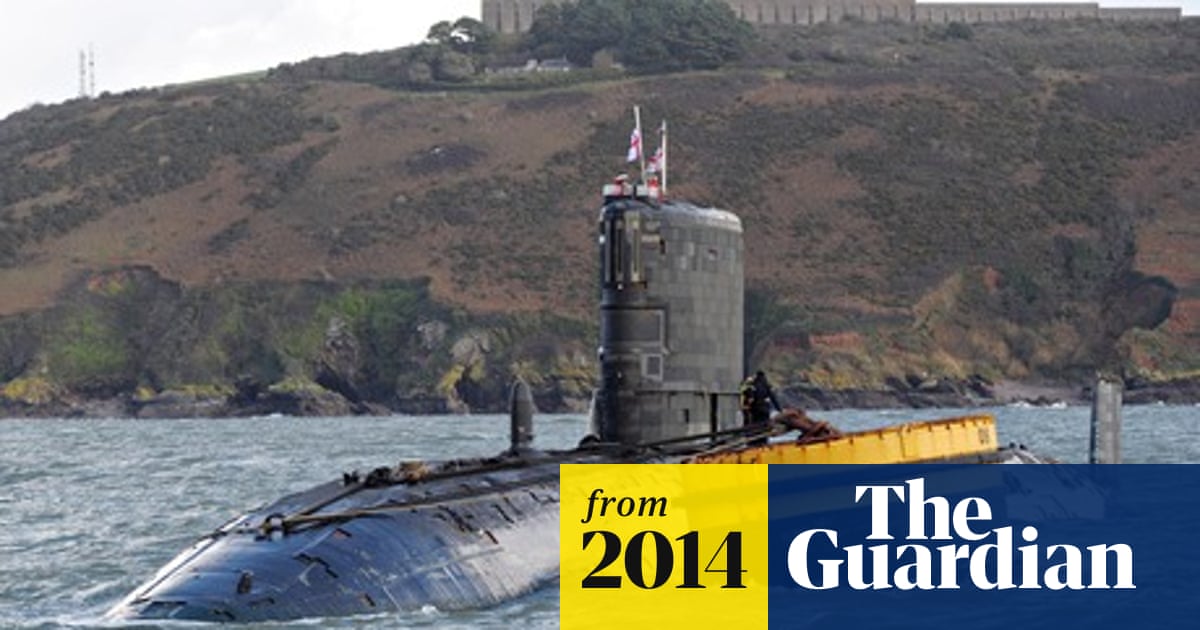
Credit: www.theguardian.com
Navigating Storm Conditions
Submarines face many challenges during hurricanes. These powerful storms create rough seas and strong winds. Submarines use special ways to stay safe underwater.
By diving deep and planning routes, submarines avoid dangerous surface weather. This helps protect the crew and the vessel.
Submerged Operations
Submarines dive deep below the ocean surface during hurricanes. Water below the storm is calmer and less affected by wind and waves.
At depth, submarines avoid damage from rough seas. They stay hidden from surface turbulence and keep the crew safe.
Avoiding Surface Turbulence
Storms create large waves and strong currents on the ocean surface. Submarines stay below this turbulence to avoid danger.
They only surface when the weather improves. Staying underwater helps reduce risks like capsizing or damage.
- Waves can reach over 30 feet during hurricanes
- Strong winds push vessels off course
- Submerged submarines avoid these surface threats
Route Planning And Weather Forecasting
Submarine crews use detailed weather forecasts to plan their routes. They avoid hurricane paths and dangerous areas.
Careful route planning lets submarines find the safest path through or around storms. This helps keep missions on track.
- Track storm position and strength regularly
- Choose routes with the least storm impact
- Adjust course as weather changes
Advanced Technology And Equipment
Submarines use advanced tools to stay safe during hurricanes. These tools help them detect dangers and keep steady underwater.
Technology also helps submarines talk to the surface and other ships. This ensures they can act quickly in storms.
Sonar And Radar Systems
Sonar sends sound waves underwater to find objects and measure distances. It helps submarines avoid obstacles during storms.
Radar works above water to detect waves and weather changes. This gives early warnings about hurricanes nearby.
- Sonar scans underwater terrain
- Radar tracks storm movement
- Both help in navigation and safety
Stabilization Mechanisms
Submarines have systems to keep steady in rough waters. These systems reduce rocking caused by waves and wind.
Gyroscopes and ballast tanks adjust the submarine’s position. They help maintain balance and control during strong storms.
- Gyroscopes detect changes in position
- Ballast tanks control buoyancy
- Stabilizers reduce movement
Communication Tools
Submarines use special radios to send and receive messages underwater. This keeps crews connected to command centers.
Satellite links and emergency beacons also help. They ensure help arrives quickly if needed during hurricanes.
- Underwater radios for communication
- Satellite links for long-range contact
- Emergency beacons for rescue signals

Credit: m.youtube.com
Crew Training And Emergency Protocols
Submarines face many dangers during hurricanes. The crew must be well-trained to handle emergencies. Their training helps keep everyone safe inside the submarine.
Emergency protocols guide the crew on what to do during a storm. These rules are practiced often to prepare for real situations.
Storm Drills And Preparedness
Storm drills help the crew practice their roles during hurricanes. These drills include checking equipment and securing the submarine.
Preparedness means having a clear plan before the storm hits. The crew reviews safety steps and emergency signals regularly.
- Checking all hatches and seals
- Testing communication devices
- Reviewing evacuation routes
- Securing loose equipment
Crisis Management
Crisis management trains the crew to stay calm during storms. They learn how to make quick decisions to protect the submarine.
The crew uses clear communication and teamwork to handle emergencies. Each member has a specific job to keep the submarine safe.
- Assigning roles for damage control
- Monitoring weather and sea conditions
- Using emergency communication systems
- Reporting status to command centers
Life Support Systems
Life support systems keep the crew alive during hurricanes. These systems control air, water, and temperature inside the submarine.
The crew checks these systems regularly to avoid failures. Backup systems are ready in case the main ones stop working.
- Air purification and oxygen supply
- Water recycling and storage
- Temperature control inside the cabin
- Power backup for critical systems
Case Studies Of Hurricanes And Submarines
Submarines face unique challenges during hurricanes. These powerful storms create rough seas and strong winds. Understanding how submarines survive helps us learn about their design and strategy.
This article looks at real incidents where submarines encountered hurricanes. It also covers lessons learned and modern improvements to keep submarines safe.
Historical Incidents
In the past, submarines have faced hurricanes while on patrol or returning to base. One famous case was during Hurricane Betsy in 1965. A U.S. Navy submarine was near the storm but survived by diving deep below the rough surface.
Another incident happened during Hurricane Ivan in 2004. A submarine on training mission avoided damage by staying underwater and using weather reports to move away from the storm’s path.
Lessons Learned
Submarines learned that staying deep underwater helps avoid strong waves and wind. Surfacing during a hurricane can be dangerous due to rough seas. Weather tracking is key to planning safe routes.
- Diving deep reduces impact from waves and wind.
- Accurate weather updates help avoid storm centers.
- Communication with command centers ensures safety.
- Training crews to handle emergencies during storms.
Modern Improvements
Today’s submarines have better technology to survive hurricanes. Advanced sonar and weather systems allow crews to detect storms early. Stronger hulls help resist pressure from deep diving.
Improved navigation tools help submarines avoid dangerous areas. Modern training programs prepare crews to respond quickly. These improvements increase safety during hurricane season.
- High-tech weather monitoring equipment onboard.
- Enhanced hull strength for deep diving.
- Better communication systems for updates.
- Advanced navigation to avoid storms.

Credit: visegradpost.com
Frequently Asked Questions
How Do Submarines Avoid Hurricane Surface Dangers?
Submarines dive deep underwater to avoid hurricane surface dangers. At depth, they face minimal wave impact and strong currents. This strategy keeps the vessel stable and safe during storms.
Can Submarines Withstand Hurricane Pressure Underwater?
Yes, submarines are built to withstand extreme underwater pressure. Their strong hulls resist high pressure and turbulent water. This durability ensures submarines remain intact and operational during hurricanes.
Do Submarines Navigate Through Hurricanes Or Avoid Them?
Submarines typically avoid hurricanes by submerging and changing course. They use advanced weather forecasts to steer clear of storm paths. This precaution helps protect crew and equipment from harm.
How Deep Do Submarines Go To Survive Hurricanes?
Submarines dive hundreds of meters below the ocean surface to survive hurricanes. At these depths, the water is calmer with less turbulence. This depth protects them from the storm’s destructive forces.
Conclusion
Submarines dive deep to avoid strong hurricane winds and waves. Their tough build protects them from the storm’s power. Skilled crews monitor weather and control the sub’s movements carefully. This helps keep everyone safe under rough seas. Submarines use technology and training to face nature’s challenges.
They stay quiet and steady until the storm passes. Surviving a hurricane underwater shows human skill and smart design. It’s a clear example of how machines and people work together. Safety comes first, even in the wildest ocean storms.