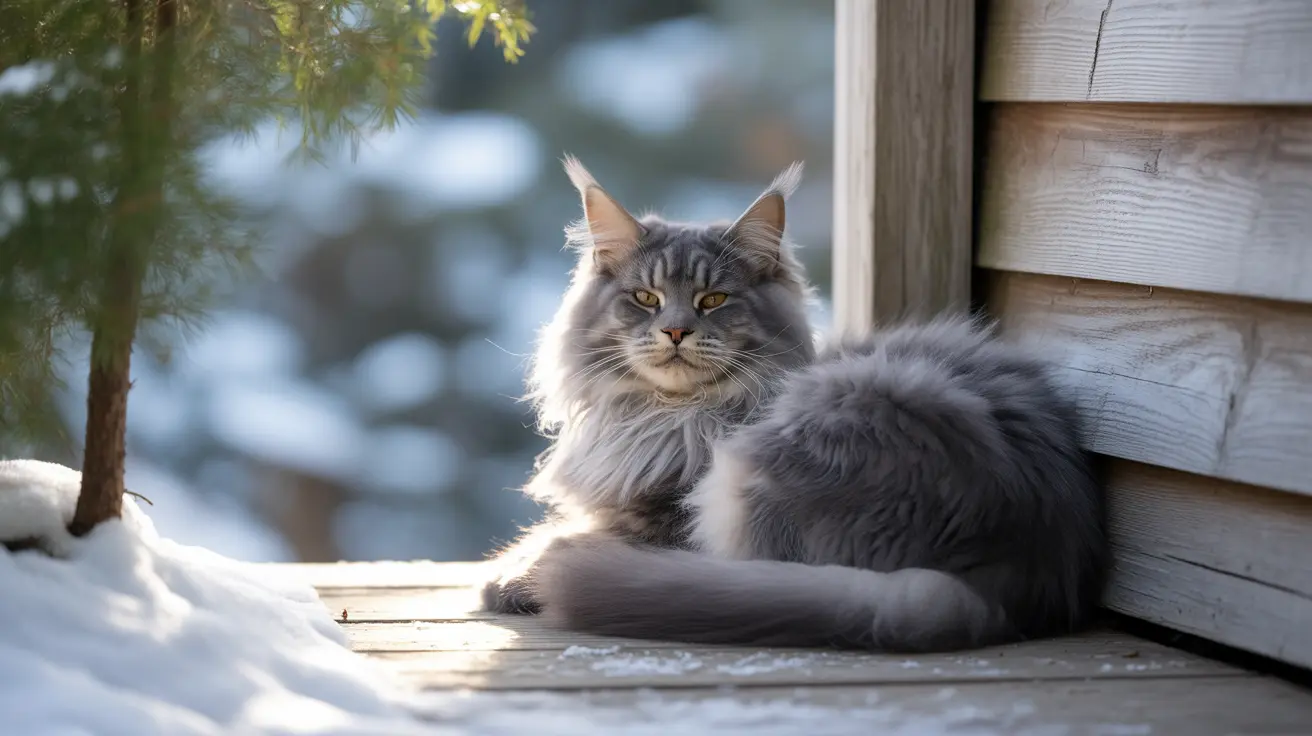
Can Outside Cats Survive Cold Weather: Essential Survival Tips
When the temperatures drop, you might find yourself worried about the well-being of your furry friends who spend their days exploring the great outdoors. You may wonder, “Can outside cats survive cold weather?”
It’s a question that touches the heart of every cat owner who cares deeply for their pet’s safety and comfort. Just like you, many cat lovers are concerned about ensuring their outdoor companions are warm, safe, and happy during the chilly months.
We’ll explore practical tips and insights to help you protect your outdoor cat from the harsh elements. By understanding their needs and behaviors, you can make informed decisions that ensure your feline friend thrives even when the mercury falls. Stay with us, as we uncover the secrets to keeping your outside cat safe and cozy all winter long.
Cold Weather Risks For Outdoor Cats
Outdoor cats face many dangers in cold weather. Their health can quickly worsen without proper care. Understanding these risks helps keep cats safer during winter months.
Cold temperatures affect cats in several ways. They must deal with frostbite, lack of food and water, and shelter problems. Each of these can threaten their survival.
Frostbite And Hypothermia
Frostbite happens when a cat’s skin freezes. It usually affects ears, paws, and tail. Hypothermia occurs when their body temperature drops too low. Both conditions are serious and need quick attention.
Signs of frostbite include pale or gray skin and coldness in the affected area. Hypothermia symptoms are shivering, weakness, and slow breathing. Outdoor cats in freezing weather are at high risk.
Reduced Food And Water Access
Cold weather can make it hard for outdoor cats to find food and water. Snow and ice cover usual spots. Water may freeze, making it unavailable. Cats need more calories to keep warm.
- Food sources get buried under snow.
- Water bowls may freeze quickly.
- Hunting small animals is harder in cold.
- Energy needs increase in cold weather.
Shelter Challenges
Finding warm shelter is difficult for outdoor cats. They need dry, insulated places to stay safe. Without shelter, cold winds and wet conditions can cause illness.
| Shelter Type | Advantages | Disadvantages |
| Under porches | Protected from wind | May be damp |
| Garages or sheds | Warm and dry | Access may be limited |
| Cat houses | Insulated and safe | Needs maintenance |
| Natural dens | Hidden and quiet | Less insulated |
Signs Of Cold Stress In Cats
Outdoor cats face many challenges in cold weather. They can suffer from cold stress without proper shelter.
Recognizing signs of cold stress helps protect cats from serious health problems.
Behavioral Changes
Cold stress causes cats to act differently. They may hide more often to stay warm.
Cats might move less or look for sheltered spots. They may also vocalize more to show discomfort.
- Hiding in small or enclosed spaces
- Reduced movement or activity
- Increased meowing or crying
- Seeking warmth from humans or heat sources
Physical Symptoms
Physical signs of cold stress include shivering and stiff muscles. The cat’s fur may look dull and wet.
Look for pale or blue gums, which show poor blood flow. Cats may also have slow breathing or weak pulses.
- Shivering or trembling
- Cold ears, paws, or tail tips
- Pale or bluish gums
- Slow or shallow breathing
- Weak pulse or low heart rate
Creating Warm Shelter
Outside cats need warm shelter to survive cold weather. Shelter protects them from wind, rain, and snow. It helps keep their body heat inside.
Providing a safe, warm place is important for cats living outdoors. You can make shelters that keep cats warm and dry during winter.
Insulated Outdoor Cat Houses
Insulated cat houses keep cold air out and warmth inside. Use materials like foam or straw to add insulation. Make sure the house is small enough to hold the cat’s body heat.
Place the house in a quiet, dry spot away from wind. Raise it off the ground to prevent moisture from coming in. Add a flap or door to block wind.
- Use foam board or thick plastic for walls
- Line the floor with straw or blankets
- Keep the entrance small and covered
- Elevate the house to avoid dampness
Safe Indoor Spaces
Letting outside cats inside is the safest way to keep them warm. If possible, provide a room or garage for them to stay in. Make sure the space is free from hazards.
Provide soft bedding and food near their warm spot. Regular check-ins help ensure the cats stay healthy and safe during cold months.
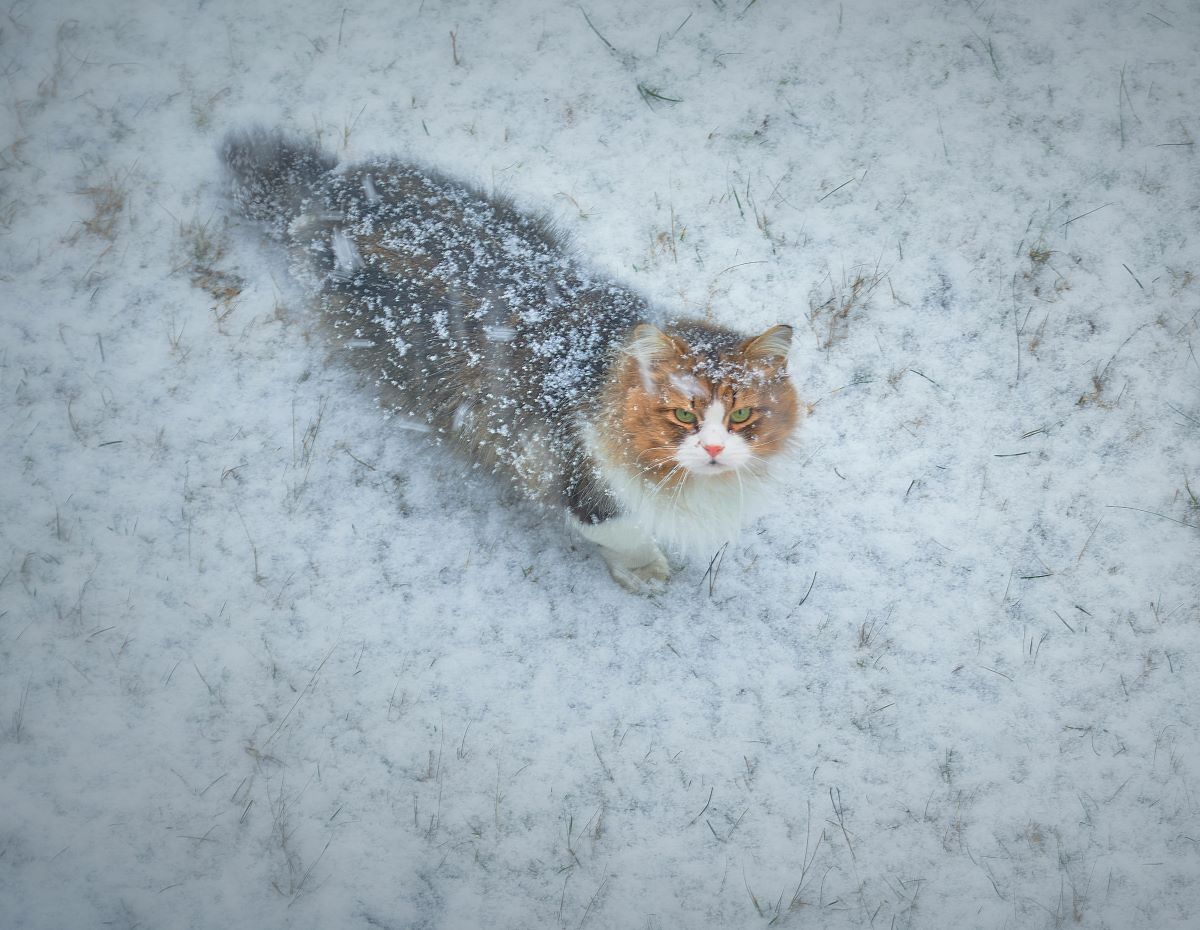
Credit: www.jackery.com
Feeding Tips For Winter Survival
Cold weather can be very hard for outside cats. They need extra help to stay warm and healthy. Feeding them the right food is very important in winter.
Giving cats good food and water helps them survive the cold months. Here are some tips on how to feed outside cats in winter.
High-calorie Diet
Outside cats burn more energy in cold weather. They need food with more calories to keep warm. High-calorie food helps them stay strong and active.
Choose food rich in fats and proteins. These nutrients give extra energy for body heat. Wet food is good, but dry food also helps keep teeth clean.
- Use kitten or high-protein cat food
- Add small amounts of cooked meat or fish
- Feed cats more often, at least twice a day
- Avoid giving spoiled or frozen food
Fresh Water Availability
Cats need fresh water to stay healthy in winter. Water can freeze outside, so check it often. Provide water that is clean and never frozen.
Use heated water bowls or change the water many times a day. This stops ice from forming and keeps cats hydrated.
- Place water bowls in shaded, safe spots
- Use insulated or heated bowls if possible
- Check water several times daily to prevent freezing
- Replace water with fresh, clean water each time
Clothing And Protection Options
Outside cats face many challenges in cold weather. Their fur helps, but extra protection can keep them safe.
Clothing and paw care are key to helping cats stay warm and healthy during winter months.
Cat Sweaters And Jackets
Cat sweaters and jackets add a layer of warmth. They help keep the cat’s body heat from escaping.
Choose sweaters or jackets made from soft, warm materials. Make sure they fit well without being too tight.
- Look for easy-to-put-on designs
- Check for adjustable straps or buttons
- Pick water-resistant jackets for wet snow
- Use lightweight options to avoid overheating indoors
Paw Care In Snow And Ice
Snow and ice can hurt cats’ paws. Cold surfaces cause cracks and irritation on their pads.
Protect paws by cleaning them after outside time. Removing ice and salt helps prevent damage.
- Use pet-safe paw balm to moisturize
- Trim fur between paw pads to reduce ice build-up
- Check paws regularly for cuts or redness
- Consider booties for extra protection

Credit: www.reddit.com
Regular Health Checks
Outside cats face many challenges in cold weather. Regular health checks help keep them safe. Checking their health often can spot problems early.
Cold weather can affect a cat’s body in many ways. Owners and caregivers should watch for signs of illness or discomfort.
Veterinary Visits
Regular visits to the vet are important for outside cats. Vets can check for cold-related issues like frostbite and respiratory infections. They can also give vaccines and parasite control.
- Schedule checkups before winter starts
- Ask the vet about cold weather care tips
- Get updates on vaccinations and treatments
- Report any changes in behavior or health
Monitoring Weight And Coat Condition
Weight and coat condition show how well a cat handles cold weather. A healthy coat keeps cats warm. Weight loss can signal illness or poor nutrition.
| Sign | What It Means |
| Shiny, thick coat | Good health and warmth |
| Dull or patchy fur | Possible illness or parasites |
| Steady weight | Proper nutrition |
| Weight loss | Health or food issues |
Encouraging Safe Outdoor Activity
Outside cats enjoy exploring and fresh air. Cold weather can be tough for them.
It is important to keep cats safe while they are outdoors in cold weather.
Supervised Time Outside
Let cats go outside only when you can watch them. Supervision helps prevent accidents.
Keep outdoor time short in cold weather. Cats can get cold quickly.
- Check the weather before letting cats out
- Bring cats inside if it gets too cold
- Use a harness or leash to control where cats go
- Watch for signs of discomfort or cold
Avoiding Dangerous Areas
Keep cats away from places that are unsafe in cold weather. These areas can harm them.
Dangerous spots include icy surfaces and places with chemicals or antifreeze.
- Avoid frozen ponds or lakes where cats can fall through ice
- Keep cats away from roads and busy streets
- Watch out for antifreeze and other harmful chemicals
- Block access to sheds or garages that may trap cats
Credit: pethelpful.com
Frequently Asked Questions
Can Outside Cats Survive Harsh Winter Conditions?
Yes, outside cats can survive cold weather but face risks like frostbite and hypothermia. They need shelter, warmth, and food.
How Do Outdoor Cats Stay Warm In Winter?
Outdoor cats find shelter in insulated areas, burrow in leaves, and rely on their thick fur to stay warm.
Should I Provide Extra Food For Outside Cats In Winter?
Yes, outdoor cats need more calories in winter to maintain body heat, so provide nutritious, high-calorie food regularly.
What Are Signs Of Cold Stress In Outdoor Cats?
Signs include shivering, lethargy, pale gums, and reluctance to move. Immediate shelter and warmth are essential if noticed.
Conclusion
Outside cats face many challenges in cold weather. They need shelter, food, and water to stay safe. Warm places help them avoid frostbite and illness. Feeding cats regularly keeps their energy up in winter. Watching for signs of cold stress can save their lives.
Protecting outside cats takes effort but shows care. Keep them warm, dry, and fed through winter months. Their survival depends on kindness and simple help.