How Do Beaked Hazelnuts Survive Cold Weather: Nature’s Secret Defense
Have you ever wondered how beaked hazelnuts manage to withstand the biting cold of winter? These resilient little nuts have a remarkable ability to survive and even thrive in harsh conditions that would leave most plants struggling.
Understanding their secret not only satisfies your curiosity but also offers insights into nature’s incredible design. Imagine discovering the hidden strategies that enable these nuts to brave the chill and emerge unscathed when spring arrives. As you dive into their world, you’ll uncover fascinating details that could change the way you view nature’s resilience.
Ready to explore how these clever survivors make it through the cold? Keep reading to uncover the mystery behind beaked hazelnuts and their winter survival tactics.

Credit: groundedgardens.ca
Beaked Hazelnuts And Their Habitat
Beaked hazelnuts are unique plants that grow in certain parts of the world. They have a special way to survive cold weather. Understanding their habitat helps us know how they stay healthy during winter.
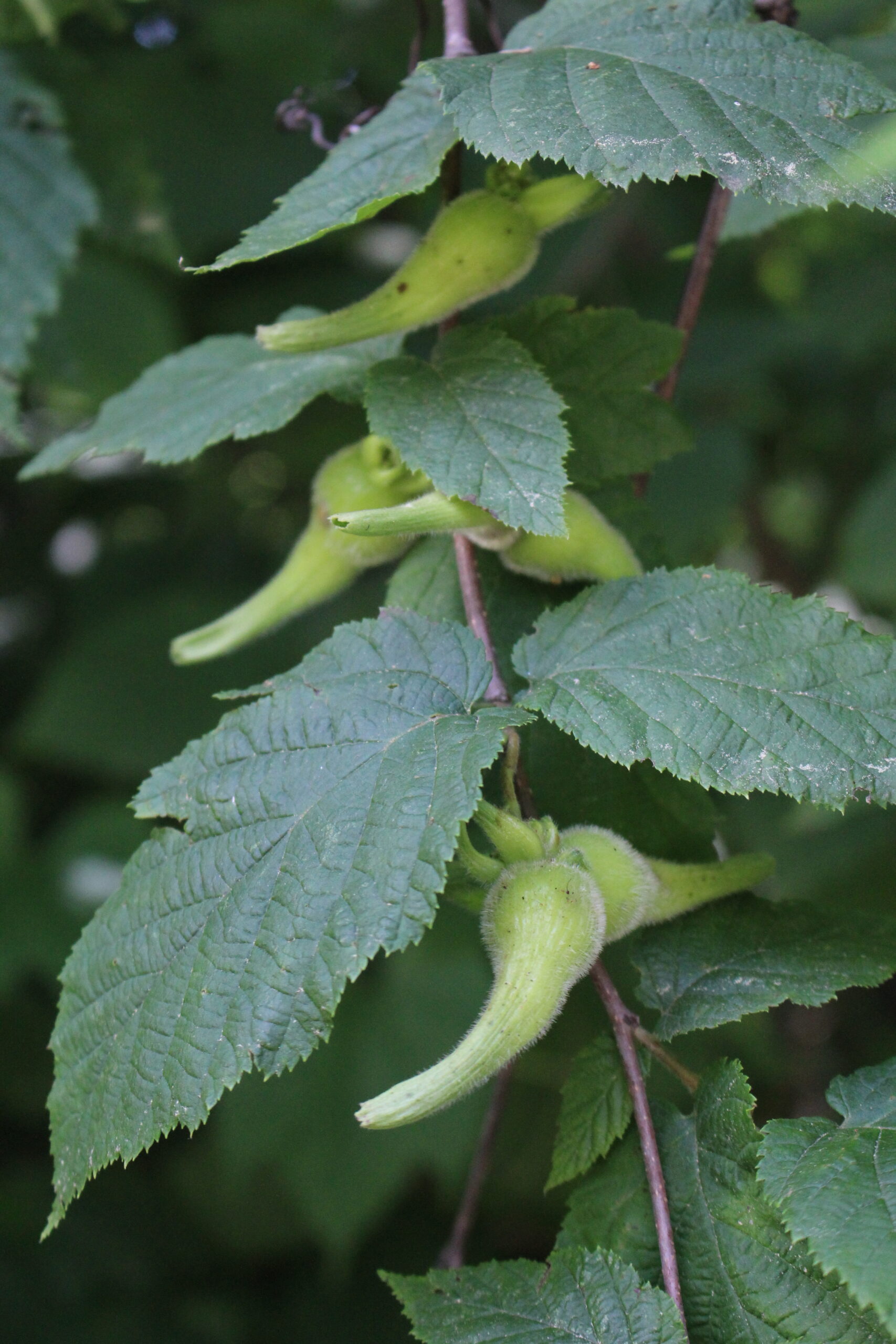
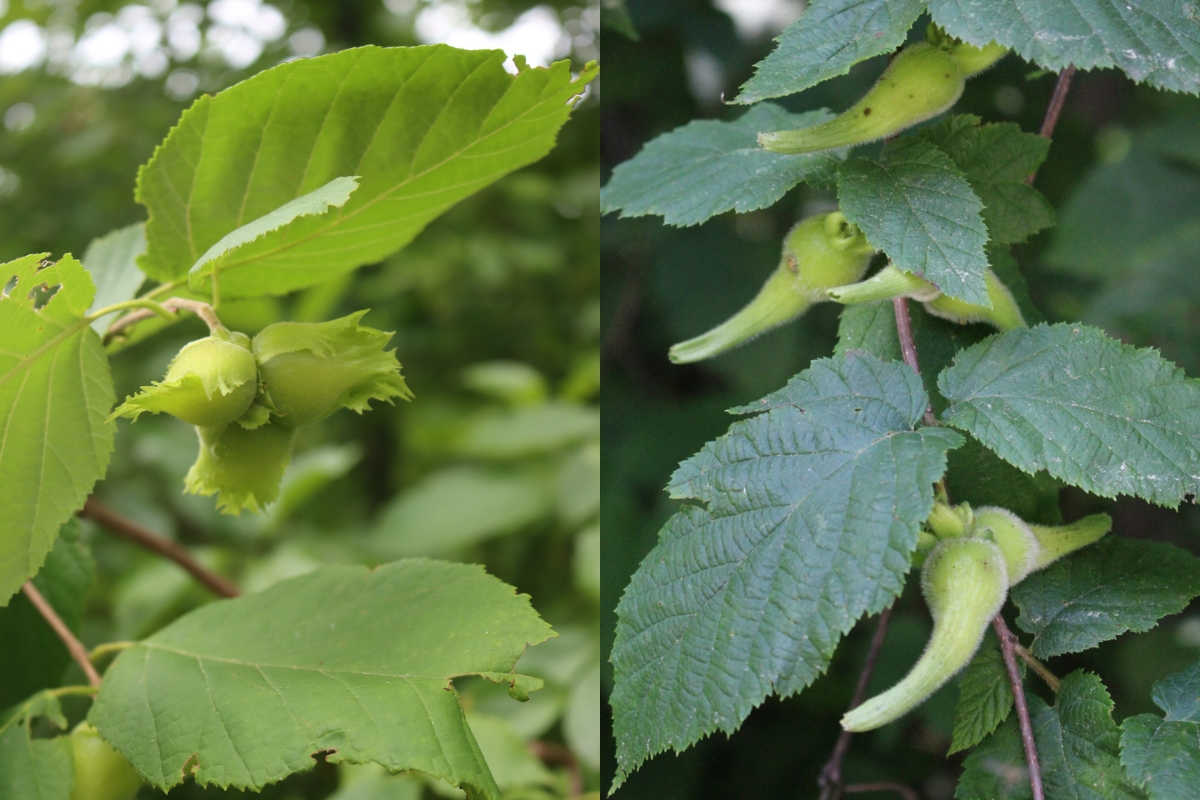
These plants are part of the hazelnut family and have a distinct beak-like shape on their nuts. Their habitat affects their growth and survival, especially in cold climates.
Geographic Distribution
Beaked hazelnuts grow mainly in North America and parts of Asia. They prefer forests and woodlands where they get enough shade and moisture.
These plants are often found in areas with cold winters but mild summers. They can grow in different soil types but like well-drained soils best.
- Eastern United States
- Canada’s southern regions
- Temperate parts of Asia
- Woodlands and forest edges
Preferred Climate Conditions
Beaked hazelnuts survive cold weather by adapting to cool and moist climates. They need cold winters to complete their life cycle.
These plants tolerate freezing temperatures. Their buds and roots can resist frost, helping them live through harsh winters.
- Cold winters with temperatures below freezing
- Moist but well-drained soil
- Moderate summer temperatures
- Forest shade to protect from strong sun
Cold Weather Challenges For Plants
Plants face many problems during cold weather. Low temperatures can harm their cells. Water in the soil and inside plants can freeze. This causes stress and damage.
Beaked hazelnuts have special ways to survive cold weather. Understanding these challenges helps us learn how they stay healthy.
Effects Of Frost On Plant Cells
Frost causes ice crystals to form inside plant cells. These crystals can break cell walls. Broken cells lose their ability to work properly. This leads to wilting and death of plant tissues.
- Ice formation punctures cell membranes.
- Cells lose water and shrink.
- Damaged cells cannot transport nutrients.
- Plants may lose leaves or die in severe frost.
Water Availability And Freezing
Water in the soil freezes at low temperatures. Frozen soil makes water hard to absorb. Plants need water to live and grow. Lack of water causes stress during cold months.
| Water State | Effect on Plants |
| Liquid | Easy absorption, supports growth |
| Frozen | Hard to absorb, causes drought stress |
| Unavailable | Leads to dehydration and damage |
Structural Adaptations
Beaked hazelnuts survive cold weather thanks to special structural features. These adaptations help protect the nut inside from frost and harsh conditions.
Two main parts help the hazelnut endure winter: the beaked shape and the tough outer shell.
Beaked Shape Benefits
The beaked shape of the hazelnut helps in several ways. It reduces the surface area exposed to cold air. This shape also helps snow and ice slide off, preventing buildup.
- Reduces direct cold exposure
- Prevents heavy snow accumulation
- Helps water drain quickly
Protective Outer Shell
The outer shell of the beaked hazelnut is hard and thick. It acts as a barrier against cold and predators. This shell keeps the inner seed safe and dry during winter.
| Feature | Purpose |
| Hard Shell | Blocks cold air and pests |
| Thick Layer | Insulates the seed inside |
| Waterproof Surface | Keeps moisture out |
Physiological Mechanisms
Beaked hazelnuts survive cold weather through special body processes. These processes help the plant protect itself from freezing temperatures.
The plant uses natural tools to keep its cells safe and to slow down its activity. These tools work together to help the hazelnut live through winter.
Antifreeze Proteins
Beaked hazelnuts make antifreeze proteins to stop ice from forming inside their cells. These proteins bind to tiny ice crystals and stop them from growing.
This action protects the plant’s cells from damage caused by sharp ice crystals. The proteins keep the cell fluid and flexible in the cold.
- Bind to ice crystals
- Prevent ice growth
- Protect cell structure
- Maintain cell fluidity
Dormancy And Metabolic Slowdown
Beaked hazelnuts enter dormancy to survive cold months. Dormancy is a resting state where growth stops or slows.
The plant also slows down its metabolism. This means it uses less energy and stays alive with fewer resources during winter.
- Stop or slow growth
- Reduce energy use
- Conserve nutrients
- Prepare for spring growth
Role Of Soil And Microenvironment
Beaked hazelnuts survive cold weather thanks to their soil and microenvironment. These factors protect them from freezing temperatures.
The soil and surroundings create a buffer that helps the plants stay healthy during winter.
Insulation From Snow Cover
Snow acts like a blanket over the soil. It keeps the ground warmer than the air above.
This insulation stops the roots of beaked hazelnuts from freezing. Snow cover also reduces temperature swings that can harm the plants.
- Snow keeps soil temperature steady
- Prevents frost damage to roots
- Reduces wind chill effects
Soil Moisture Retention
Soil that holds moisture well helps beaked hazelnuts survive cold weather. Moist soil warms up slower than dry soil.
Good moisture also supports root health and nutrient uptake. Wet soil creates a better microenvironment for winter survival.
- Moist soil prevents root dehydration
- Supports steady nutrient flow
- Keeps soil temperature more stable
Interactions With Wildlife
Beaked hazelnuts survive cold weather partly through their interactions with animals. Wildlife helps spread their seeds and affects how they grow.
Animals rely on hazelnuts for food during winter. This relationship helps the plants survive harsh seasons.
Seed Dispersal During Winter
Many animals eat beaked hazelnuts and carry them away. They store nuts in hidden spots to eat later.
Some nuts are forgotten or left behind. These nuts can grow into new plants in spring.
- Squirrels bury nuts underground
- Birds carry nuts to new places
- Small mammals hide nuts in the snow
Animal Behavior Influences
Animals change their habits in winter. They look for easy food like beaked hazelnuts to survive cold days.
These behaviors help spread hazelnuts far from the parent plant. This reduces competition and helps new plants grow.
- Animals eat nuts to store energy
- They hide nuts to save for later
- Some nuts get lost and start new plants
Comparisons With Other Hazelnut Species
Beaked hazelnuts face cold weather differently than other hazelnut types. They have special traits that help them survive harsh winters. This article compares their cold tolerance and survival features to other species.
Understanding these differences helps gardeners and farmers choose the right hazelnut species for cold climates. It also shows how nature adapts plants to survive tough conditions.
Cold Tolerance Differences
Beaked hazelnuts can handle colder temperatures than many other hazelnut species. Their buds can survive freezing better, reducing damage during winter.
| Hazelnut Species | Minimum Temperature Tolerance | Winter Survival Rate |
|---|---|---|
| Beaked Hazelnut | -40°F (-40°C) | High |
| European Hazelnut | -20°F (-29°C) | Medium |
| American Hazelnut | -30°F (-34°C) | Medium-High |
| Turkish Hazelnut | -15°F (-26°C) | Low |
Unique Survival Traits
Beaked hazelnuts have traits that help them live through cold weather better than others. These traits include:
- Thick bark to protect against frost
- Deep root systems to access underground water
- Leaf buds that stay dormant longer in cold
- Flexible branches that resist breaking from ice
These traits help beaked hazelnuts survive cold winters and come back strong in spring. Other hazelnut species may lack some of these features, making them less hardy.
Credit: practicalselfreliance.com
Credit: practicalselfreliance.com
Frequently Asked Questions
How Do Beaked Hazelnuts Withstand Freezing Temperatures?
Beaked hazelnuts survive freezing by developing a tough outer shell. This shell protects the nut inside from frost damage. The plant also enters dormancy, reducing metabolic activity and conserving energy during cold spells.
What Adaptations Help Beaked Hazelnuts Resist Cold Weather?
They have thick, insulating husks and hard shells. These features prevent moisture loss and ice formation inside the nut. Additionally, the plant’s cells produce antifreeze proteins, which protect tissues from freezing damage.
When Do Beaked Hazelnuts Prepare For Winter Cold?
Preparation begins in late summer to early fall. During this time, the nuts mature, harden, and the plant slows growth. This timing ensures the nuts are fully protected before harsh winter arrives.
Can Beaked Hazelnuts Survive In Extreme Winter Climates?
Yes, they can survive in moderate to severe cold climates. Their natural adaptations help them endure freezing temperatures and snow cover. However, extremely harsh or prolonged freezes may still cause damage.
Conclusion
Beaked hazelnuts use smart ways to stay safe in cold weather. Their thick shells protect the nut inside. They slow down growth and save energy during winter. These trees also store food to use when it is cold. This helps them survive until spring arrives.
Understanding their survival helps us appreciate nature’s strength. Beaked hazelnuts show how plants adapt to tough conditions. Nature always finds a way to keep life going.