Can a Personal Vessel Survive Hurricanes: Essential Survival Tips
Imagine you’re out on the open sea, the sun setting in the distance, and your personal vessel cutting through the waves. It’s a dream come true, right?
But suddenly, dark clouds gather, and the wind starts to howl. A hurricane is approaching. Your mind races with questions: Can your vessel withstand the fury of this natural phenomenon? Is there a way to ensure your safety and that of your boat?
You’re not alone in this predicament. Many vessel owners have faced the same daunting challenge, and understanding the dynamics of hurricanes is crucial. We’ll dive into what makes a vessel resilient against such powerful storms, the technology and strategies that can protect you, and real-life stories that reveal the secrets to surviving nature’s most formidable force. Keep reading, because what you discover here could be the difference between disaster and a triumphant tale of survival.

Credit: boatingsafetymag.com
Risks For Personal Vessels In Hurricanes
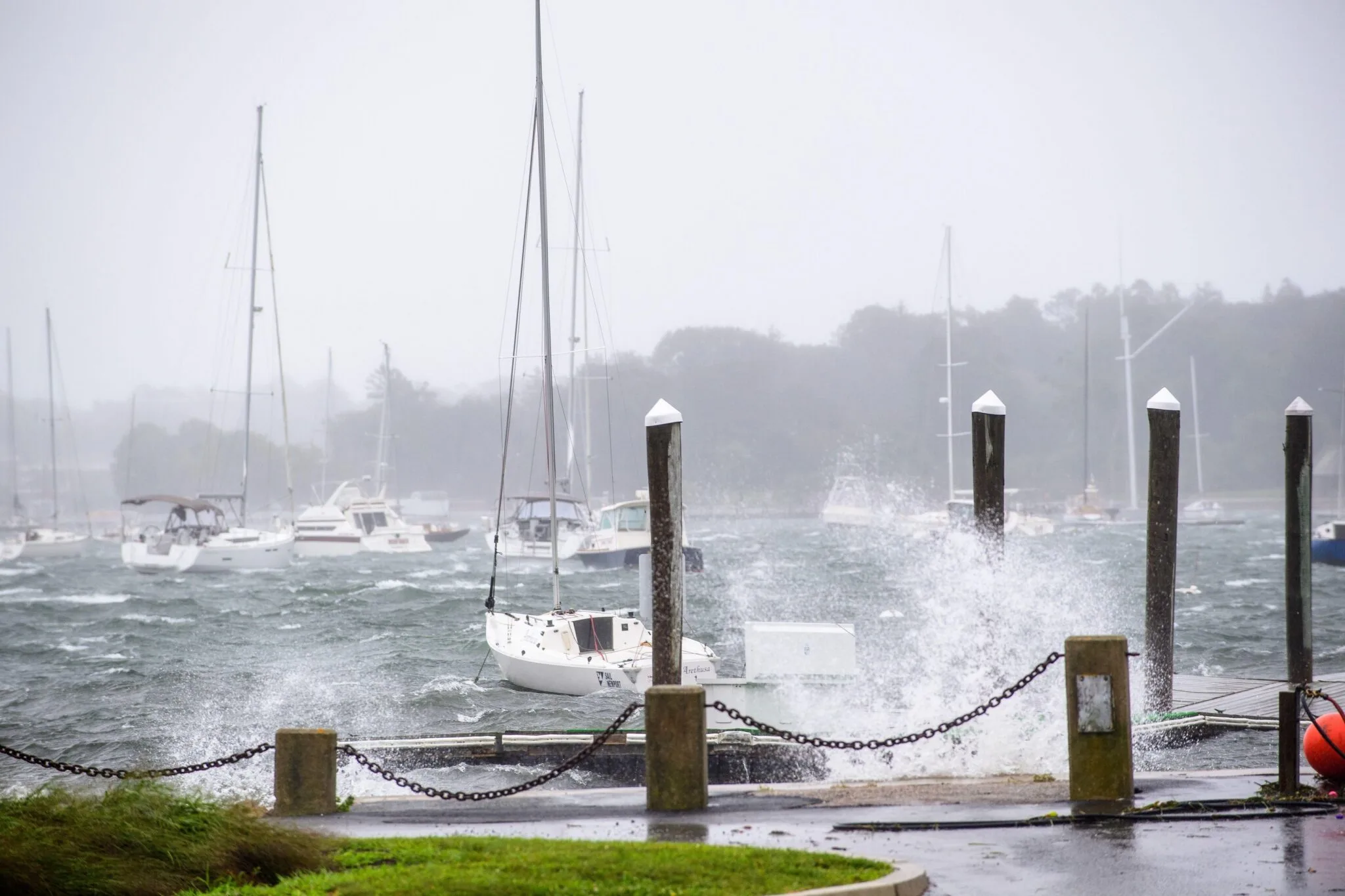
Personal vessels face many dangers during hurricanes. Strong winds and rough seas can damage or sink boats. Knowing these risks helps boat owners protect their vessels better.
Hurricanes bring powerful forces that personal vessels may not withstand. Owners must understand the main hazards to reduce loss and injury.
Common Hurricane Hazards
Hurricanes cause several hazards that threaten personal vessels. These include high winds, heavy rain, storm surge, and floating debris. Each hazard can harm a boat in different ways.
- High winds:Winds over 74 mph can push boats onto rocks or docks.
- Heavy rain:Rain can flood boats if hatches are not sealed.
- Storm surge:Rising water can lift boats from moorings and cause collisions.
- Floating debris:Logs and wreckage can strike and damage hulls.
Impact On Different Vessel Types
Different vessels handle hurricane hazards in various ways. Size, design, and mooring affect their survival chances.
| Vessel Type | Strengths | Weaknesses |
| Small boats | Easy to move to safety | Less stable in rough seas |
| Yachts | Stronger hulls | Harder to secure and move quickly |
| Personal sailboats | Good maneuverability | Masts can break in high winds |
| Inflatable boats | Lightweight and portable | Vulnerable to punctures and debris |
Preparing Your Vessel Before A Storm
Hurricanes bring strong winds and high waves that can damage boats. Preparing your personal vessel before a storm helps reduce risks.
Taking time to secure your boat can protect it and keep it safe during bad weather. There are key steps to follow.
Securing The Hull And Equipment
Check the hull for cracks or weak spots. Fix any damage to keep water out. Remove loose equipment from the deck.
Tie down items that cannot be removed. Cover the boat with a strong tarp to protect it from rain and debris.
- Inspect hull and repair damages
- Remove or secure loose equipment
- Use heavy-duty tarps for coverage
- Seal hatches and windows tightly
Choosing Safe Mooring Locations
Pick a mooring spot that offers shelter from wind and waves. Avoid shallow areas where the boat can hit the bottom.
Use strong anchors and extra lines to keep the boat steady. Check mooring lines often and replace any that look worn.
- Select a protected bay or marina
- Avoid areas with strong currents
- Use extra anchors and lines
- Inspect and replace worn ropes
Best Practices During A Hurricane
A hurricane can cause serious damage to personal vessels. Proper care and planning are crucial. Knowing what to do before and during the storm helps protect your boat and yourself.
This guide covers the best practices for handling your vessel in a hurricane. Focus on when to evacuate and how to stay safe onboard if you must remain on the boat.
When To Evacuate The Vessel
Evacuate your vessel early if conditions worsen. Safety is the top priority. Leaving too late can put you at great risk.
- Check hurricane warnings and local evacuation orders.
- Make sure your vessel is securely moored or stored.
- Gather your emergency kit and important documents.
- Leave the vessel before the storm hits the area.
- Head to a safe location on land with shelter and supplies.
Onboard Safety Measures
If evacuation is impossible, take these steps to stay safe on your vessel during the hurricane.
| Safety Measure | Description |
| Secure all hatches and windows | Prevent water from entering the cabin and damaging equipment. |
| Wear life jackets at all times | Ensure personal flotation if you are tossed overboard. |
| Use strong mooring lines | Keep the vessel tied firmly to the dock or anchor. |
| Turn off electrical systems | Reduce risk of fire or electrical shock. |
| Keep communication devices handy | Stay in contact with emergency services and others nearby. |
Credit: maadigroup.com
Post-hurricane Vessel Assessment
After a hurricane, checking your personal vessel is very important. Storms can cause hidden damage that may affect safety and performance.
Careful assessment helps you find problems early. It also guides you on what repairs to do before using the vessel again.
Inspecting For Damage
Look closely at the hull, deck, and fittings for cracks or holes. Check the engine and electrical parts for water damage.
Also, inspect the safety gear like life jackets and fire extinguishers. Replace anything that is broken or missing.
- Check hull for cracks or dents
- Inspect engine and fuel systems
- Look for damage to electrical wiring
- Examine safety equipment condition
- Assess the interior for water leaks
Steps For Repairs And Maintenance
Start repairs by fixing leaks and cracks in the hull. Clean and dry all parts to stop rust and mold growth.
Service the engine and replace damaged electrical parts. Test all systems before taking the vessel back to water.
- Seal hull cracks and holes
- Clean and dry engine and compartments
- Replace damaged wiring and batteries
- Test navigation and communication tools
- Update safety gear and supplies
Essential Survival Gear For Storms
Personal vessels face serious challenges during hurricanes. Strong winds and heavy waves can damage boats. Having the right gear helps keep you safe in a storm.
This guide covers the key items you need to survive hurricanes on a personal vessel. Proper equipment can save lives and protect your boat.
Life-saving Equipment
Life-saving equipment must be easy to use and reliable. It helps you stay afloat and signals for help if you get in trouble.
- Life jackets for every person on board
- Inflatable life rafts for emergencies
- Throw rings and buoyant cushions
- Emergency flares to signal rescuers
- First aid kit with storm-specific supplies
- Waterproof flashlight with extra batteries
Check all equipment regularly. Replace any damaged or expired items before a storm hits.
Communication And Navigation Tools
Good communication and navigation tools keep you connected and on course. These tools help you find safe areas during the storm.
- VHF marine radio for weather updates and calls
- Satellite phone for emergency communication
- GPS device to track your vessel’s position
- Compass as a backup for navigation
- Battery-powered or hand-crank weather radio
Make sure all devices are fully charged and stored in waterproof cases. Practice using them so you stay calm in emergencies.

Credit: marineconstructionmagazine.com
Frequently Asked Questions
Can Personal Vessels Withstand Hurricane-force Winds?
Personal vessels are generally not designed to endure hurricane-force winds. Extreme winds can cause severe damage or sinking. Proper securing and moving vessels to safe locations before a hurricane is crucial to minimize damage.
What Precautions Should I Take For My Boat During Hurricanes?
Secure your vessel in a safe marina or haul it out of the water. Use strong mooring lines and remove sails or loose gear. Stay updated with weather alerts and follow local evacuation instructions to protect your boat.
Is It Safer To Keep A Vessel In Water During Hurricanes?
Keeping a vessel in water during hurricanes is risky. Storm surges and waves can cause severe damage. Hauling the vessel out or moving it to a sheltered location offers better protection against hurricane impacts.
Can Hurricane-proofing Improve Vessel Survival Chances?
Hurricane-proofing measures like reinforced moorings, protective covers, and securing loose equipment help reduce damage. However, no vessel is entirely hurricane-proof. Preparation and timely action remain vital to enhance survival chances.
Conclusion
Personal vessels face great risks during hurricanes. Strong winds and huge waves can cause serious damage. Proper preparation and safe storage increase survival chances. Choosing a sturdy vessel also helps protect it. Always follow local safety advice before storms strike.
Remember, no boat is completely safe in a hurricane. Stay informed and plan ahead to protect your vessel. Safety should always be your top priority.