Which Plants Survive After Hurricanes: Top Resilient Picks Revealed
When hurricanes strike, the aftermath can be devastating. You might find yourself wondering which plants can withstand such fierce forces of nature.
Imagine stepping into your garden after a storm, hoping to see signs of life amidst the debris. This is where understanding resilient plants becomes crucial. As you read on, you’ll discover the types of plants that not only endure the wrath of hurricanes but also thrive in their wake.
Are you ready to uncover which green survivors can transform your hurricane-ravaged garden into a flourishing haven once again? Stay with us to learn how you can prepare your landscape for the next storm, ensuring that your sanctuary of greenery remains alive and vibrant.
Traits Of Hurricane-resistant Plants
Some plants survive hurricanes better than others. Their special traits help them resist strong winds and salty water.
Understanding these traits can help gardeners and landscapers choose plants that last through storms.
Wind And Salt Tolerance
Plants with high wind and salt tolerance can handle harsh weather. They often have thick leaves and waxy coatings.
- Leaves with wax or hair to reduce salt damage
- Strong cell walls to resist tearing from wind
- Ability to store salt in leaf tips or bark
- Low, dense growth to avoid wind damage
Deep Root Systems
Deep roots anchor plants firmly in the soil. They prevent uprooting during strong storms.
| Root Type | Benefit |
| Taproots | Reach deep water and hold plants steady |
| Fibrous Roots | Spread wide to support against wind |
| Combination | Balance depth and spread for stability |
Flexible Stems And Branches
Flexible stems bend without breaking. This helps plants survive strong gusts.
- Young, green wood is more flexible than old, dry wood
- Thin branches reduce wind resistance
- Flexible stems absorb shock from wind movement
Rapid Regrowth Ability
Plants that grow back fast recover quickly after damage. They can sprout new leaves and branches soon.
- Store energy in roots or stems for quick regrowth
- Produce many seeds to replace lost plants
- Grow new shoots from damaged parts
Best Trees That Withstand Hurricanes
Hurricanes can damage many trees, but some survive strong winds better. Knowing which trees resist storms helps protect your garden.
These trees have strong roots and flexible branches. They bend without breaking during hurricanes.
Live Oak
Live Oaks are famous for their strength and wide-spreading branches. Their deep roots keep them stable in storms.
This tree grows slowly but lives a long time. It recovers quickly after hurricane damage.
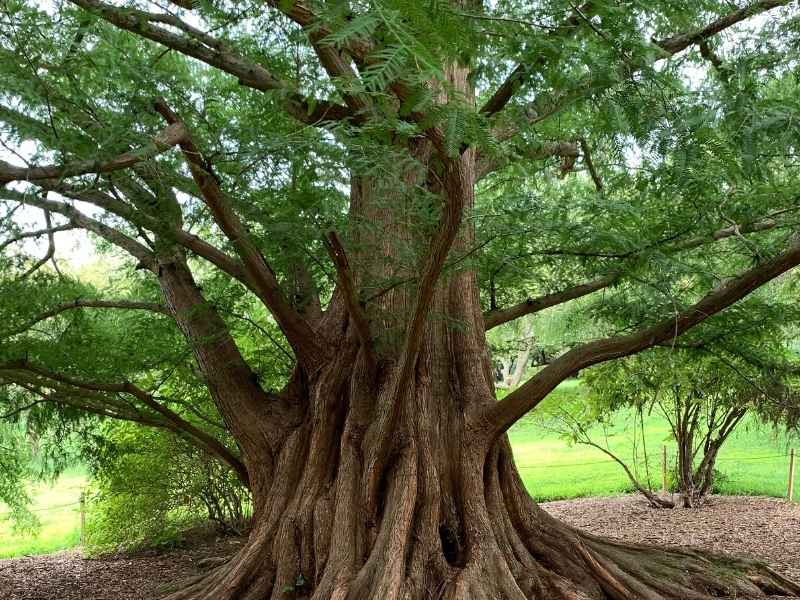
Bald Cypress
Bald Cypress trees have strong, flexible wood that bends with the wind. Their roots grow deep into wet soil.
They lose needles in fall but stay healthy. This helps them survive heavy storms.
Southern Magnolia
Southern Magnolias have thick leaves and strong branches. Their roots spread wide for good support.
This tree is tough against wind and rain. It also looks beautiful with large, white flowers.
Pine Species
Some Pine trees can survive hurricanes due to their flexible trunks. They can bend without breaking.
Longleaf and Slash Pines are common examples. They have deep roots that help hold soil in place.
- Longleaf Pine grows tall and strong
- Slash Pine adapts well to wet soil
- Both resist wind damage effectively
Shrubs That Bounce Back After Storms
Hurricanes can cause big damage to plants. Some shrubs survive and grow back fast. These shrubs help keep gardens green after storms.
Here are four shrubs that recover well after hurricanes. They are tough and can handle strong winds and salt spray.
Wax Myrtle
Wax Myrtle grows fast and has thick leaves. It can stand strong winds and salty air. This shrub often regrows from the roots after being cut or broken.
Buttonbush
Buttonbush is good in wet and stormy places. It has round flower heads and spreads quickly. Birds like it too. It bounces back by growing new shoots even after heavy damage.
Firebush
Firebush has bright red flowers and can survive strong winds. It recovers fast by sprouting new branches from the base. This shrub also attracts butterflies and hummingbirds.
Coastal Rosemary
Coastal Rosemary is a tough shrub that grows near the shore. It resists salt and wind well. This shrub holds soil and stops erosion after storms.
- Tolerates salt spray and wind
- Grows back quickly from roots
- Helps prevent soil erosion
- Supports local wildlife
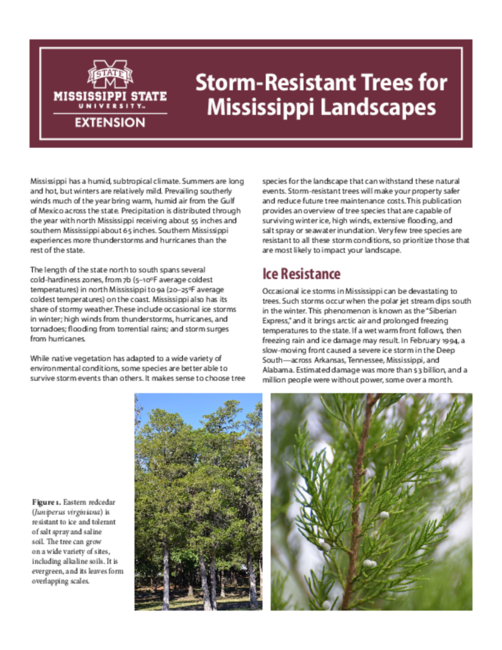
Credit: extension.msstate.edu
Resilient Groundcovers And Vines
Some plants can survive hurricanes better than others. Groundcovers and vines often recover quickly. They help protect soil and reduce erosion after storms.
Choosing the right plants helps keep gardens strong. These plants grow well in windy and salty environments near the coast.
Beach Morning Glory
Beach Morning Glory is a fast-growing vine that spreads across sandy soils. It has thick leaves that hold moisture and resist salt spray. This plant helps stop sand from blowing away during strong winds.
Periwinkle
Periwinkle is a low-growing groundcover with purple flowers. It survives well in wet and dry conditions. It also recovers quickly after floodwaters recede.
- Grows in full sun or shade
- Requires little water once established
- Spreads to cover bare soil fast
- Resistant to salt and wind damage
Carolina Jessamine
Carolina Jessamine is a climbing vine with bright yellow flowers. It clings to fences and trees to avoid wind damage. This plant blooms early in spring and attracts pollinators.
Seaside Goldenrod
| Feature | Description |
| Type | Perennial groundcover |
| Leaves | Thin and narrow, tolerates salt spray |
| Flowers | Bright yellow blooms in late summer |
| Growth | Spreads quickly to stabilize soil |
| Hurricane Resistance | High, regrows from roots after damage |
Tips For Planting In Hurricane Zones
Planting in hurricane zones requires special care to help plants survive strong winds and heavy rain. Choosing the right plants and preparing the soil can protect your garden.
This guide shares tips on selecting native species, placing plants properly, preparing soil, and keeping plants healthy after storms.
Choosing Native Species
Native plants are best for hurricane zones because they are used to the local weather and soil. They have strong roots and can stand up to storms better than non-native plants.
- Pick plants that grow naturally in your area.
- Choose trees and shrubs with deep root systems.
- Look for salt-tolerant plants if you live near the coast.
- Use plants that can regrow quickly after damage.
Proper Spacing And Placement
Planting with enough space helps reduce damage from strong winds. Crowded plants can fall on each other and cause more harm.
| Plant Type | Recommended Spacing | Placement Tips |
| Small shrubs | 3 to 5 feet apart | Near buildings for windbreak |
| Large trees | 15 to 20 feet apart | Away from structures |
| Ground cover | 1 to 2 feet apart | On slopes to reduce erosion |
Soil Preparation
Good soil helps plants grow strong roots. Preparing soil well can improve drainage and prevent waterlogging during storms.
Soil preparation tips:
- Loosen soil deeply before planting.
- Add organic matter like compost for nutrients.
- Check soil drainage to avoid standing water.
- Use mulch to keep soil moist and reduce erosion.
Regular Maintenance
Maintaining plants regularly keeps them healthy and better able to survive hurricanes. This includes pruning, watering, and checking for damage.
- Trim weak or dead branches to prevent breakage.
- Water plants deeply during dry periods.
- Remove fallen leaves and debris around plants.
- Inspect plants after storms and repair damage quickly.

Credit: troystropics.com
Recovering Your Garden After A Hurricane
Hurricanes can cause big damage to your garden. Many plants may fall or lose leaves. It is important to act quickly to help your garden recover.
Knowing which plants survive and how to care for them helps you restore your garden. This guide covers key steps to bring your garden back to life.
Assessing Plant Damage
Start by checking all plants for damage. Look for broken branches, uprooted plants, and torn leaves. Note which plants are still healthy.
Separate plants into three groups: healthy, damaged but salvageable, and dead. This helps you decide what to keep and what to remove.
- Check the roots and stems for cracks
- Look for leaves that are brown or missing
- Identify plants that can regrow new branches
Pruning And Cleanup
Remove broken branches and dead leaves. This prevents disease and helps plants focus energy on new growth. Use clean tools to avoid infection.
Clear fallen debris and weeds from the garden. This improves air flow and sunlight for your plants. Dispose of damaged plant parts properly.
- Cut broken branches at a healthy point
- Remove leaves that are brown or wilted
- Clear away debris to prevent pests
Soil Restoration
Hurricanes can wash away soil and nutrients. Add compost or mulch to restore soil health. This helps plants get the food they need to grow.
Check the soil for drainage problems. Fix low spots where water pools. Good soil helps plants survive future storms better.
- Add organic matter like compost or aged manure
- Loosen compacted soil with a garden fork
- Check for and fix water drainage issues
Replanting Strategies
Choose plants that survive hurricanes well. Native plants and deep-rooted shrubs often do best. Plant in groups to protect each other from wind.
Space plants properly to allow air flow. Water new plants regularly until they grow strong. Use mulch to keep soil moist and reduce weeds.
- Select hurricane-resistant plants like live oak and palm
- Plant in clusters to shield from wind
- Water young plants every few days
- Apply mulch around plants to keep moisture
Credit: www.lawnstarter.com
Frequently Asked Questions
Which Plants Best Survive Hurricane Winds?
Plants with flexible stems and deep roots best survive hurricane winds. Examples include palm trees, sea oats, and mangroves. These plants bend without breaking and anchor firmly in the soil, resisting strong gusts and flooding.
How Do Mangroves Withstand Hurricane Damage?
Mangroves have strong root systems that stabilize soil and reduce erosion. Their thick bark and flexible branches absorb wind impact, helping them survive hurricanes. They also thrive in saline water, making them ideal coastal protectors.
Can Palm Trees Recover After Hurricanes?
Yes, palm trees often recover well after hurricanes. Their flexible trunks and fronds bend with wind pressure, preventing breakage. After storms, they regrow damaged leaves quickly, making them resilient in hurricane-prone areas.
What Role Do Native Plants Play Post-hurricane?
Native plants are adapted to local climates and recover faster after hurricanes. They stabilize soil, prevent erosion, and support local wildlife. Their resilience helps restore natural habitats and reduces long-term environmental damage.
Conclusion
Plants that survive hurricanes show great strength and resilience. Choosing these hardy plants helps protect your garden from storm damage. They recover quickly and keep your landscape green and healthy. Such plants save time and money on replanting after storms.
Remember, strong roots and flexible stems make a big difference. Nature’s survivors teach us how to endure tough weather. Plant wisely, and your garden will thrive despite hurricanes. Keep your outdoor space safe and beautiful all year.