How Do Lizards Survive in Cold Weather: Stunning Adaptations Revealed
Ever wondered how lizards, those sun-loving reptiles, manage to survive when the temperatures drop? It might seem puzzling, especially if you imagine these creatures basking on warm rocks.
But the truth is, lizards have some amazing tricks up their sleeves to cope with cold weather. You might be surprised to learn just how adaptable they can be. Imagine your body needing to adjust to a sudden cold snap.
It’s a challenging scenario, right? Yet, lizards face this regularly. Understanding their survival tactics can offer you fascinating insights into the resilience of nature. We’ll explore the clever strategies lizards use to stay alive and well, even when the chill sets in. Curious to find out how they do it? Keep reading, and you’ll discover the secrets behind their survival.
Credit: www.miamiherald.com
Cold Challenges For Lizards
Lizards are cold-blooded animals. They depend on outside heat to keep warm.
Cold weather makes it hard for lizards to stay active and find food.
Temperature Effects On Reptiles
Low temperatures slow down lizards’ body functions. Their muscles become stiff.
- Movement slows down a lot.
- Digestion becomes very slow or stops.
- Energy levels drop, making them less active.
- Body processes like breathing slow down.
Threats Posed By Cold Weather
Cold weather causes many dangers for lizards. They need to survive long cold periods.
| Threat | Effect on Lizards |
| Freezing Temperatures | Can cause body fluids to freeze and damage cells |
| Lack of Food | Cold slows insects, so food becomes scarce |
| Predation Risk | Slower lizards are easier targets for predators |
| Energy Loss | More energy is needed to stay alive in cold |

Credit: www.theguardian.com
Behavioral Adaptations
Lizards face challenges in cold weather because they are cold-blooded. They cannot make their own heat. They use behaviors to survive low temperatures.
These behaviors help lizards stay warm and safe. They change where they live, how they move, and their daily activities.
Seeking Sheltered Microhabitats
Lizards find small places that protect them from cold winds and frost. These spots keep them warmer than open areas.
They hide under rocks, inside logs, or in leaf piles. These places block cold air and hold heat from the sun.
- Under rocks and crevices
- Inside dead wood or bark
- Buried in leaf litter or soil
- Near warm ground surfaces
Basking And Sun Exposure
Lizards sit in the sun to warm their bodies. They spread out on warm rocks or soil to catch sunlight.
This helps them raise their body temperature. Sunbathing gives them energy to move and find food.
- Choose sunny spots with no shade
- Stay still to absorb heat
- Move between sun and shade to control warmth
- Use large surfaces like rocks for better heat
Hibernation And Brumation
Lizards slow down their body functions during cold months. This state is called brumation, similar to hibernation in mammals.
They hide in safe places and stay still for weeks or months. This reduces energy needs and helps them survive cold times.
- Find deep burrows or hidden crevices
- Lower body temperature and activity
- Wake sometimes to drink water
- Resume activity when it warms up
Physiological Changes
Lizards face tough challenges in cold weather. Their bodies adjust to survive low temperatures. These changes help them keep functioning.
They change how their metabolism works, produce special proteins, and store energy. These changes protect them from the cold.
Metabolic Rate Adjustment
Lizards slow down their metabolic rate in cold weather. This means they use less energy to keep alive. Their heart rate and breathing also slow.
By reducing energy use, lizards survive longer without food. This helps them during times when insects and other prey are scarce.
Antifreeze Proteins
Some lizards produce antifreeze proteins in their blood. These proteins stop ice crystals from forming inside their bodies. Ice crystals can cause serious damage.
- Prevent ice formation in cells
- Protect tissues from cold damage
- Help maintain body fluid balance
Fat Storage And Energy Reserves
Lizards store extra fat before cold seasons. This fat acts as energy during hibernation or inactivity. It also helps keep their bodies warm.
| Type of Fat | Function |
| Subcutaneous Fat | Insulates the body |
| Visceral Fat | Provides energy reserve |
| Brown Fat | Generates heat when needed |
Morphological Features
Lizards use special body features to survive cold weather. Their shapes and colors help keep them warm.
These features include changes in their skin and scales. They also change color to absorb heat better.
Skin And Scale Modifications
Lizards have thick, rough skin with scales that protect against cold. These scales reduce water loss and keep heat inside.
- Thick scales act as insulation
- Overlapping scales trap warm air
- Skin reduces heat loss through evaporation
- Some scales become harder to shield from cold winds
Color Changes For Heat Absorption
Lizards can change their skin color to absorb more heat from sunlight. Darker colors help them warm faster.
| Color | Effect |
| Dark Brown or Black | Absorbs more heat quickly |
| Light Brown or Green | Reflects sunlight, less heat absorbed |
| Changeable | Adjusts to temperature for balance |
Species-specific Adaptations
Lizards live in many places, including cold areas. They have special ways to survive cold weather. These ways change by species.
Each lizard species has unique skills to stay warm. Some use their body, others use behavior to handle cold.
Cold-tolerant Lizard Species
Some lizards live in very cold places. They can survive freezing temperatures that would harm other lizards.
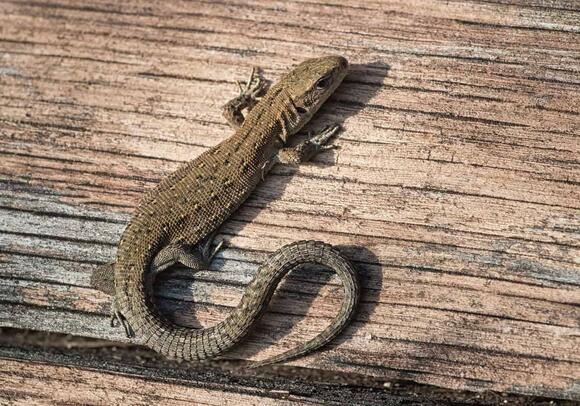
Examples include the European common lizard and the northern alligator lizard. These lizards have special features for cold.
- European common lizard produces antifreeze proteins in its blood.
- Northern alligator lizard hibernates in burrows to avoid freezing.
- Some lizards grow thicker skin to keep warmth.
Unique Strategies In Different Climates
Lizards use different methods to survive cold in their habitats. They change their behavior or body to fit the climate.
In deserts, some lizards hide under rocks during cold nights. In mountains, others slow down their body functions.
- Behavioral changes: basking in sun to raise body heat.
- Physiological changes: lowering heart rate to save energy.
- Finding warm shelters like underground burrows or leaf litter.
- Changing skin color to absorb more sunlight.
Credit: www.newsbreak.com
Impact Of Climate Change
Climate change affects animals worldwide. Lizards, which rely on warmth, face new challenges.
Cold weather survival is harder for lizards as temperatures shift and habitats change.
Shifts In Habitat And Range
Lizards must move to new areas to find suitable warmth. Some species expand north or to higher lands.
- Warmer regions become too hot or dry for some lizards.
- New colder places may become warmer and habitable.
- Changes in plants and insects affect food supply.
- New predators or competitors may appear in shifted ranges.
Adaptation Challenges Ahead
Lizards adapt by changing behavior and body functions. But fast climate change creates big problems.
| Challenge | Effect on Lizards |
| Temperature extremes | Stress and reduced activity |
| Food scarcity | Lower survival rates |
| Habitat loss | Less shelter and breeding sites |
| New predators | Increased risk of being eaten |
Frequently Asked Questions
How Do Lizards Survive Freezing Temperatures?
Lizards survive cold by entering brumation, a hibernation-like state. They reduce activity and metabolism to conserve energy during cold months.
What Adaptations Help Lizards Stay Warm In Winter?
Lizards use behavioral adaptations like basking in sunlight and seeking shelter. These help maintain body heat and avoid extreme cold exposure.
Do All Lizards Survive Cold Weather The Same Way?
No, survival methods vary by species. Some burrow underground, others hide in crevices or use antifreeze-like blood compounds to resist freezing.
Can Lizards Survive If Temperatures Drop Suddenly?
Sudden cold shocks can be fatal. Lizards rely on gradual temperature changes to prepare and enter brumation safely.
Conclusion
Lizards use clever ways to stay alive in cold weather. They slow their body to save energy. Finding warm places helps them avoid freezing. Some lizards hide under rocks or leaves for protection. Their survival shows how animals adapt to nature’s challenges.
Understanding these habits helps us appreciate wildlife more. Cold weather does not stop lizards; it changes how they live. This makes them strong and smart in tough times.