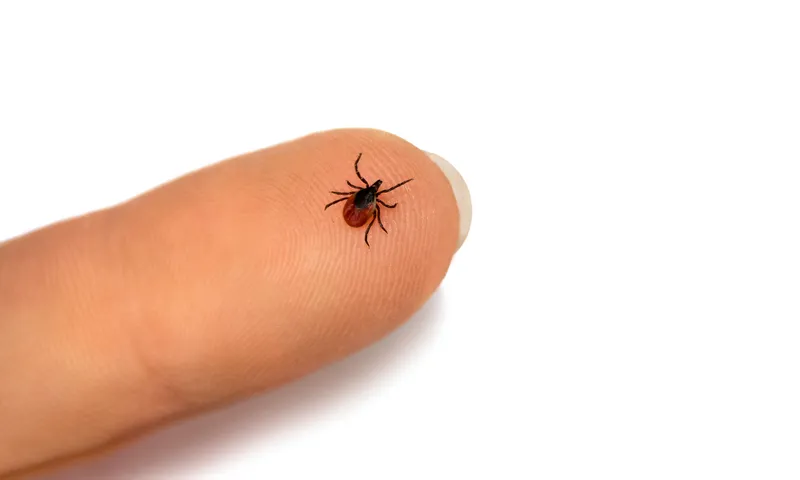
Can Fleas And Ticks Survive in Cold Weather? Shocking Truth!
You might think that as the temperature drops, your worries about fleas and ticks vanish along with the summer heat. However, these pesky pests are more resilient than you might believe.
Even when it’s cold outside, fleas and ticks can still pose a threat to you and your furry friends. But how do they manage to survive in chilly weather? This question is crucial for anyone who wants to keep their home and pets safe all year round.
Understanding the behavior of these tiny invaders can save you time, money, and the discomfort of dealing with an infestation. So, what happens to fleas and ticks when the mercury drops? And what can you do to protect your loved ones from their itchy bites and potential diseases? Keep reading to uncover the surprising truth about fleas, ticks, and cold weather—and learn how you can stay one step ahead.
Flea And Tick Basics
Fleas and ticks are small pests that live on animals and people. They can cause itching and spread diseases.
Both fleas and ticks have unique life cycles. These cycles help them survive in different conditions, including cold weather.
Life Cycle Of Fleas
Fleas have four main stages in their life cycle: egg, larva, pupa, and adult. Each stage takes time to develop.
Adult fleas live on animals and lay eggs in fur or bedding. The eggs fall into the environment to hatch.
- Egg:Flea eggs are tiny and white. They hatch in 2 to 14 days.
- Larva:Larvae avoid light and feed on organic debris. They grow for about 5 to 11 days.
- Pupa:The pupa stage is inside a cocoon. Fleas can stay here for months if conditions are cold.
- Adult:Adults jump on hosts to feed and reproduce.
Life Cycle Of Ticks
Ticks have four stages: egg, larva, nymph, and adult. Each stage needs blood to grow and move to the next.
Ticks find hosts like animals or humans to feed on blood. They drop off to molt or lay eggs after feeding.
- Egg:Female ticks lay thousands of eggs in the environment.
- Larva:Larvae have six legs and need a blood meal to grow.
- Nymph:Nymphs have eight legs and need another blood meal.
- Adult:Adults feed, mate, and females lay eggs to continue the cycle.

Credit: www.truesdalelandscaping.com
Cold Weather Effects
Fleas and ticks are pests that bother people and pets. Cold weather changes how they live and survive.
Understanding how low temperatures affect these pests helps us control them better during winter.
How Low Temperatures Impact Fleas
Fleas struggle in very cold weather. They grow slower and lay fewer eggs. Extreme cold can kill many fleas.
But fleas can survive if they find warm places like inside homes or on animals.
- Cold slows flea development
- Eggs hatch less in low temperatures
- Fleas hide on pets to stay warm
- Fleas die if exposed to freezing air long
How Low Temperatures Impact Ticks
Ticks are tough but cold affects their activity. They become less active and seek shelter during winter.
Ticks survive cold by hiding under leaves or soil. Some species can survive freezing by producing antifreeze-like substances.
- Ticks slow down in cold weather
- They hide to avoid freezing
- Some ticks produce natural antifreeze
- Cold reduces their chance to find hosts
Survival Mechanisms
Fleas and ticks face tough cold weather. They use special ways to survive low temperatures. These tiny pests protect themselves from freezing.
Understanding their survival methods helps us control them better. Each species has unique ways to stay alive in winter.
Fleas’ Adaptations To Cold
Fleas avoid cold by hiding in warm places. They live on pets or in homes where heat stays.
Some fleas slow down their body functions. This helps them use less energy and survive longer without food.
- Hide in animal fur or bedding
- Enter a state called diapause (resting phase)
- Reduce activity to save energy
- Lay eggs that resist cold temperatures
Ticks’ Strategies For Winter
Ticks survive winter by hiding under leaves or soil. These places keep them safe from frost.
Ticks also slow their metabolism. This means they need less food and stay alive during cold months.
- Seek shelter in leaf litter or grass
- Enter a dormant state to save energy
- Use antifreeze-like chemicals in their bodies
- Wait for warmer weather to become active

Credit: www.canadapetcare.com
Indoor Vs Outdoor Survival
Fleas and ticks can survive cold weather differently indoors and outdoors. Their survival depends on where they find shelter and warmth.
Understanding how these pests live in cold helps control their spread and protect pets and homes.
Fleas Inside Homes
Fleas can live inside homes during winter because it stays warm. They hide in carpets, pet bedding, and furniture.
Pets bring fleas inside, and the bugs lay eggs in cozy spots. Fleas survive by feeding on pets or people.
- Warm indoor temperature helps fleas grow
- Fleas lay eggs in soft surfaces like rugs
- They feed on pets even in cold months
- Regular cleaning can reduce flea numbers
Ticks In Sheltered Areas
Ticks hide in sheltered outdoor places during cold weather. They use leaf piles, tall grass, and woodpiles for protection.
Ticks slow their activity but do not die easily. They wait for warmer days to find hosts again.
- Ticks survive winter in leaf litter or brush
- They stay inactive but alive in cold shelters
- Protection from wind and snow helps them survive
- Ticks resume activity when temperatures rise
Seasonal Risk Factors
Fleas and ticks are common pests that affect pets and people. Their activity changes with the seasons. Cold weather plays a big role in how active these pests are.
Understanding when fleas and ticks are most active helps you protect yourself and your pets. Seasonal risk factors can guide you on when to take extra care.
When Flea Activity Peaks
Fleas are most active during warm months. They thrive in temperatures between 70°F and 85°F. Flea activity peaks in spring and summer.
Fleas can survive indoors during cold weather. They hide in carpets, bedding, and furniture. This keeps them alive even when it is cold outside.
Tick Season And Cold Weather
Ticks become active in early spring as temperatures rise above 45°F. They stay active through fall but slow down when it gets very cold.
Some ticks can survive under leaf litter and snow. They go into a dormant state to survive winter. This means ticks can still be a risk in mild winters.
- Ticks wait for warm weather to feed on hosts
- Cold winters reduce tick populations
- Mild winters allow ticks to survive longer
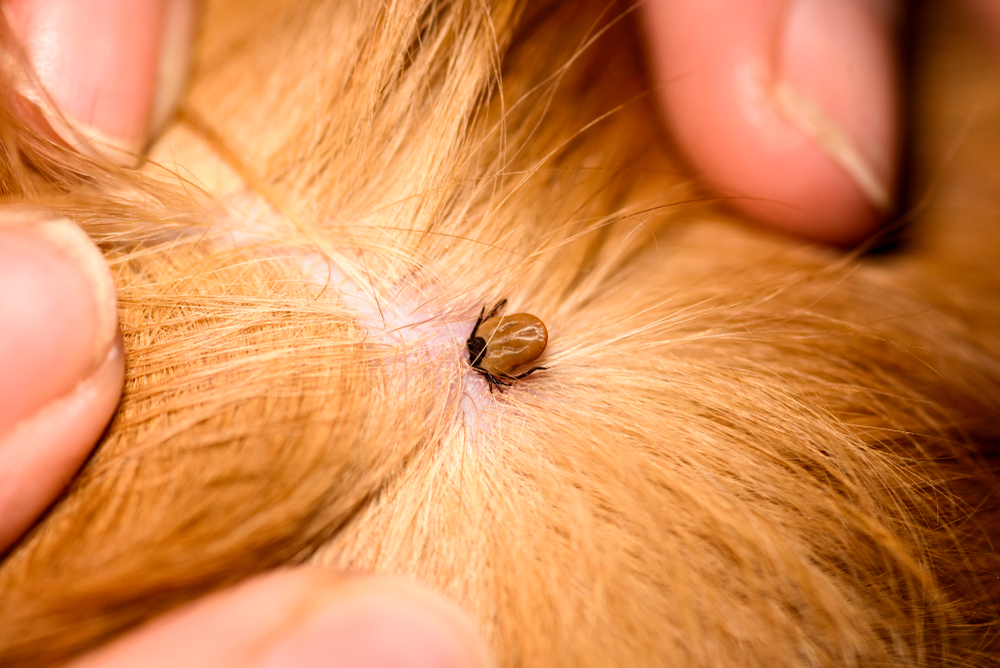
Credit: emeraldanimal.com
Preventing Infestations In Winter
Fleas and ticks can survive cold weather by hiding in warm places. They do not die easily during winter.
Stopping infestations in winter needs careful cleaning and pet care. This helps keep your home safe.
Home Treatment Tips
Clean your home regularly to remove fleas and ticks. Focus on places where pets rest.
Use vacuum cleaners on carpets and furniture. Wash pet bedding in hot water often.
- Vacuum floors, carpets, and furniture weekly
- Wash pet beds and blankets in hot water
- Keep floors dry and free of clutter
- Seal cracks and gaps to block pests
Pet Protection Strategies
Give your pets flea and tick treatments all year. These stop pests from growing on your animals.
Check your pets often for ticks. Remove any ticks carefully and quickly to prevent bites.
- Use vet-recommended flea and tick preventatives
- Inspect pets after outdoor activities
- Brush pets regularly to spot pests
- Keep pets indoors during peak pest times
Frequently Asked Questions
Can Fleas Survive Cold Winter Weather?
Fleas can survive cold weather by hiding in warm environments. They stay in homes, on pets, or in sheltered areas. Extreme cold outdoors usually kills them, but indoor heating helps them thrive year-round.
Do Ticks Remain Active During Winter Months?
Ticks become less active in cold weather but do not die immediately. They seek shelter in leaf litter or soil. Mild winters can allow some ticks to stay active longer, increasing the risk of bites.
How Do Fleas And Ticks Survive Freezing Temperatures?
Fleas and ticks survive freezing temperatures by going dormant or seeking warm places. They reduce activity to conserve energy. This adaptation helps them survive until favorable conditions return.
Is Cold Weather Enough To Eliminate Fleas And Ticks?
Cold weather alone rarely eliminates fleas and ticks completely. They find warm spots to survive winter. Effective pest control requires treatment and prevention alongside natural temperature effects.
Conclusion
Fleas and ticks do not die easily in cold weather. They can hide in warm places and wait for spring. Cold slows them down but does not stop them completely. Pets still need protection all year round. Checking your animals often helps catch pests early.
Staying aware keeps your home safe and healthy. Don’t let cold weather fool you. These pests can survive and come back strong. Keep your family and pets safe by staying prepared. Simple steps make a big difference against fleas and ticks.


