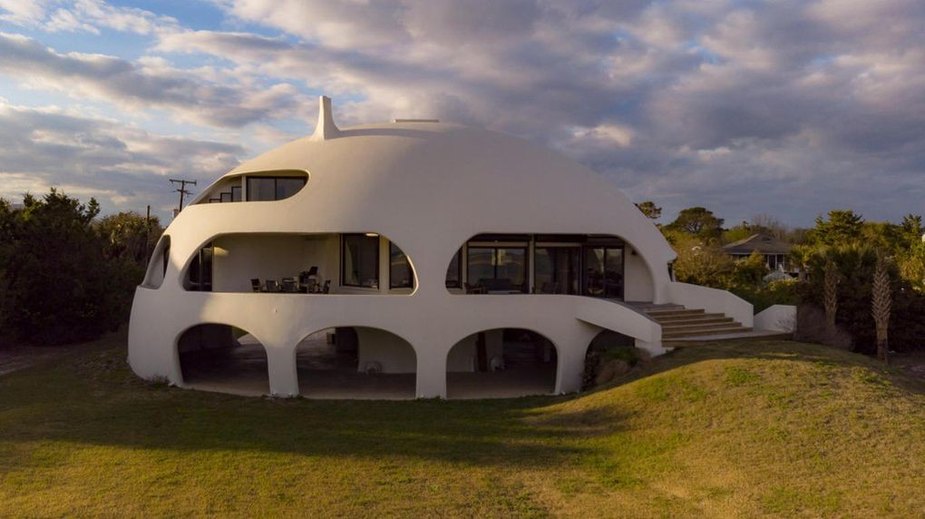
Will Dome Home Survive a Hurricane: Ultimate Safety Guide
Imagine a home that stands strong against the fierce winds and relentless rain of a hurricane. Wouldn’t you want to know more about it?
Dome homes are capturing the attention of homeowners, architects, and environmental enthusiasts alike. But the burning question remains: will a dome home survive a hurricane? If you’re considering building one or simply curious about their resilience, you’re in the right place.
We’ll explore the unique features of dome homes, their potential to withstand nature’s fury, and what this could mean for you and your family’s safety. Get ready to discover how these architectural wonders could redefine your idea of a safe haven.

Credit: www.reddit.com
Dome Home Structure
Dome homes have a unique round shape. This shape helps them stand strong against storms.
Many people wonder if dome homes can survive hurricanes. The answer depends on their design and build.
Design And Materials
Dome homes use curved walls and roofs. This design spreads out pressure from wind and rain.
Strong materials like concrete and steel are common. These materials add durability and resist damage.
- Concrete shells resist cracking and breaking
- Steel reinforcements add extra strength
- Insulated panels keep the home safe and dry
Aerodynamics And Wind Resistance
The dome’s round shape lets wind flow around it smoothly. This reduces the chance of strong wind damage.
Sharp corners catch wind and can break. Domes avoid this problem by having no edges.
- Curved surface lowers wind pressure
- No flat walls to catch strong gusts
- Wind flows over the dome without pushing hard
Foundation And Anchoring
Dome homes need strong foundations to stay in place. Deep anchoring helps prevent lifting or shifting.
Concrete slabs or piers are common foundation types. They hold the dome firmly during storms.
- Heavy foundation stops dome from moving
- Anchors connect the structure to the ground
- Proper foundation prevents water damage from flooding

Credit: ideaswithwings.org
Hurricane Forces On Homes
Hurricanes create strong forces that affect homes in many ways. Understanding these forces helps us see how houses can be damaged. This article looks at the main forces hurricanes put on buildings.
Three key factors often harm homes during a hurricane: wind speeds, flooding, and flying debris. Each factor causes different types of damage and stress on structures.
Wind Speeds And Impact
Hurricane winds can reach over 150 miles per hour. These strong winds push against walls and roofs. If the wind force is too high, parts of the home can break or blow away. Dome-shaped roofs often resist wind better because air flows smoothly over them.
- High winds create pressure on home walls.
- Strong gusts can lift roofs or break windows.
- Wind direction changes can cause sudden impacts.
- Homes with rounded shapes face less wind pressure.
Flooding And Water Damage
Flooding is a major threat during hurricanes. Water can enter homes through doors, windows, and cracks. Standing water damages floors and walls and can cause mold growth. Dome homes may have fewer entry points for water, but they still need protection from flooding.
| Flood Damage Type | Effect on Home |
| Water inside walls | Weakens structure and insulation |
| Flooded floors | Causes wood rot and mold |
| Electric system contact | Creates fire and shock risk |
Debris And Structural Stress
Flying debris hits homes during hurricanes, causing dents and holes. Heavy objects can break windows and damage roofs. The impact puts stress on the home’s frame. Dome homes often have strong frames that can handle these impacts better.
- Debris can break windows and doors.
- Heavy impacts stress the home’s frame.
- Repeated hits weaken structural materials.
- Strong, curved shapes spread out stress well.
Dome Home Performance In Hurricanes
Dome homes have a unique shape that can help them resist strong hurricane winds. Their curved design lets wind flow around them, which lowers pressure on the structure.
These homes use strong materials and construction methods that add to their ability to withstand storms. Understanding how dome homes perform in hurricanes helps people decide if they are a safe option.
Historical Case Studies
Several dome homes have faced hurricanes in the past. Many survived with little to no damage. For example, homes in Florida and Texas stayed intact during strong storms.
These cases show that dome homes can protect people during hurricanes. They often perform better than traditional homes in the same areas.
- Dome homes in Florida withstood Hurricane Andrew (1992)
- Texas dome homes survived Hurricane Harvey (2017)
- Minimal roof damage reported in multiple storms
Laboratory And Field Tests
Scientists test dome homes using wind tunnels and other tools. These tests show that the dome shape cuts wind force. This reduces the chance of damage during hurricanes.
Field tests include building small domes in hurricane zones. These homes are monitored for damage during storms. Data shows domes lose less material and have fewer leaks.
- Wind tunnel tests confirm lower wind pressure
- Field tests show less structural damage
- Materials used in domes are hurricane-resistant
Comparisons With Traditional Homes
Traditional homes with flat walls and peaked roofs face more wind pressure. This can cause roofs to lift or walls to crack. Dome homes spread wind forces evenly.
In many hurricanes, traditional homes suffer more damage than domes. Dome homes often keep their shape and stay watertight, reducing repair costs.
| Feature | Dome Homes | Traditional Homes |
|---|---|---|
| Wind Resistance | High | Moderate to Low |
| Roof Stability | Very Stable | Can Lift Off |
| Damage During Hurricane | Minimal | Often Severe |
| Water Leakage | Rare | Common |

Credit: ideaswithwings.org
Safety Features Of Dome Homes
Dome homes have a unique shape that helps them resist strong winds. These homes are built to keep people safe during hurricanes. Their design uses special features to protect the structure and its occupants.
Many people wonder if dome homes can survive a hurricane. The answer lies in their safety features. These features include strong materials, smooth exteriors, and special windows and doors.
Reinforced Materials
Dome homes use reinforced materials to make their walls and roofs very strong. Materials like concrete, steel, and fiberglass help the home resist damage from high winds and flying debris.
These materials keep the dome stable and prevent cracks or breaks during a hurricane. Reinforced materials help the home hold its shape and protect the people inside.
Seamless Exterior Surfaces
The exterior of a dome home is smooth and has no sharp corners. This design stops strong winds from catching on edges and causing damage.
Seamless surfaces reduce places where water or wind can enter the home. This makes dome homes less likely to leak or break during storms.
Storm-resistant Windows And Doors
Dome homes use windows and doors made to resist storms. These parts have strong glass and frames that can hold up against wind and debris.
Storm-resistant windows and doors help keep the inside safe and dry. They also stop wind from pushing inside and causing damage.
- Impact-resistant glass
- Strong metal or reinforced frames
- Secure locking systems to keep doors closed
Preparation Tips For Dome Homeowners
Dome homes are strong and can handle tough weather. Still, hurricanes can be very powerful. It is important to prepare your dome home before a hurricane arrives.
Getting ready helps protect your home and keeps your family safe. Here are some tips for dome homeowners to prepare for hurricanes.
Securing Outdoor Items
Strong winds can turn outdoor items into dangerous flying objects. Remove or secure all loose items around your dome home. This lowers damage risk to your property and neighbors.
Make sure to tie down or bring inside items like patio furniture, grills, plant pots, and decorations. Check your fences and gates to ensure they are sturdy.
- Bring small items indoors
- Use heavy-duty straps for larger items
- Trim trees near your dome home
- Check and secure fences and gates
Emergency Supplies And Sheltering
Have enough emergency supplies in your dome home to last several days. This includes water, food, and medicines. A dome home can be a safe shelter if you prepare well.
Make sure your family knows where to shelter inside the dome. Pick a small, windowless room or a strong interior corner. Keep flashlights, batteries, and a first aid kit ready.
- Store at least three days of water and food
- Keep flashlights and extra batteries
- Have a first aid kit accessible
- Know the safest room for sheltering
Maintenance And Inspections
Regular maintenance helps your dome home stay strong. Check the roof, windows, and doors for cracks or damage. Fix any issues before hurricane season starts.
Inspect the dome’s structure for signs of wear. Clean gutters and drains to prevent water buildup. Proper care keeps your home safe during strong storms.
- Inspect roof and walls for cracks
- Check windows and door seals
- Clean gutters and drains
- Repair damage quickly
Limitations And Considerations
Dome homes have unique shapes that can handle strong winds well. Still, there are limits to their hurricane resistance.
It is important to understand what can affect a dome home’s safety during a hurricane. This helps in making smart choices.
Potential Vulnerabilities
Dome homes resist wind but may face risks from flying debris. Windows and doors are common weak spots.
Leaks can occur if the roof connections are not sealed well. Foundation flooding is another concern in flood zones.
- Impact from large flying objects
- Water leaks through window and door seals
- Flood damage in low-lying areas
- Potential roof connection failures
Cost And Insurance Factors
Dome homes can cost more to build than regular houses. Specialized materials and labor add to expenses.
Insurance companies may charge higher rates or have special rules for dome homes. Getting coverage can be harder.
- Higher construction costs due to design
- Limited availability of contractors
- Possible higher insurance premiums
- Challenges in meeting insurer requirements
Local Building Codes
Building codes vary by region and affect dome home construction. They set rules for strength and safety.
Some areas may not have clear rules for dome homes. Getting permits can take longer and need extra work.
- Codes require wind resistance standards
- Flood zones demand special foundation rules
- Some codes lack dome-specific guidelines
- Permitting process may be complex
Future Innovations In Dome Homes
Dome homes are strong and can resist hurricanes well. New ideas will make them even better.
Future changes focus on materials, smart technology, and eco-friendly design. These will improve safety and comfort.
Advanced Materials
New materials make dome homes tougher and lighter. They help the structure hold up during strong storms.
Examples include stronger concrete mixes and flexible, impact-resistant panels. These materials reduce damage from wind and debris.
- High-strength concrete
- Fiber-reinforced polymers
- Impact-resistant glass
- Weatherproof coatings
Smart Home Integration
Smart technology helps monitor and protect dome homes. Sensors can detect wind speed and structural stress.
Automated systems can close windows or activate shutters during a hurricane. This reduces damage and keeps people safe.
- Wind and pressure sensors
- Automated window and door control
- Real-time damage alerts
- Remote monitoring via apps
Sustainable Design Enhancements
Future dome homes focus on saving energy and water. Solar panels and rainwater collectors will be common features.
Natural ventilation and insulation reduce the need for heating and cooling. These designs lower utility costs and help the environment.
- Solar energy systems
- Rainwater harvesting
- Natural airflow designs
- High-efficiency insulation
Frequently Asked Questions
Can Dome Homes Withstand Strong Hurricane Winds?
Dome homes are designed with aerodynamic shapes that reduce wind pressure. Their curved structure helps them resist strong hurricane winds better than traditional homes.
Are Dome Homes More Hurricane Resistant Than Traditional Homes?
Yes, dome homes offer superior hurricane resistance due to their structural integrity and lack of flat surfaces, which minimizes wind damage risks during storms.
How Do Dome Home Materials Affect Hurricane Survival?
Materials like reinforced concrete or steel improve dome homes’ strength. These materials enhance durability and help the home survive intense hurricane conditions.
Do Dome Homes Require Special Hurricane-proofing Measures?
Dome homes generally need fewer additional hurricane-proofing measures. Their shape and materials inherently provide strong protection against wind and debris impacts.
Conclusion
Dome homes have strong shapes that handle wind well. Their curved walls help resist hurricane forces better than flat walls. Many dome homes stay safe during storms. Still, proper building materials and good construction matter a lot. No home is completely storm-proof, but dome homes offer real protection.
They can be a smart choice for hurricane-prone areas. Think about safety, cost, and comfort when choosing your home. Dome homes show promise as hurricane-resistant shelters. They may help you stay safer when storms arrive.