How Does a Polar Bear Survive in Cold Weather: Secrets Revealed
Have you ever wondered how polar bears manage to thrive in the freezing Arctic environment? Imagine stepping into a world of ice and snow, where temperatures plummet, and the wind bites like a thousand icy needles.
Yet, polar bears not only survive but flourish in these harsh conditions. What secret adaptations do they possess that allow them to remain kings of their icy domain? You’ll uncover the fascinating survival strategies of polar bears. You’ll learn about their unique physical traits, behaviors, and instincts that enable them to withstand the cold.
Once you understand how these magnificent creatures have adapted to their environment, you’ll gain a deeper appreciation for their resilience and strength. Keep reading, and you’ll discover the awe-inspiring ways polar bears conquer their frozen world.
Credit: www.discovermagazine.com
Polar Bear Adaptations
Polar bears live in some of the coldest places on Earth. They have special features that help them stay warm and survive. These adaptations protect them from freezing temperatures and icy winds.
Each part of a polar bear’s body works to keep it warm. Their fur, fat, and shape all play important roles in survival.
Thick Fur And Undercoat
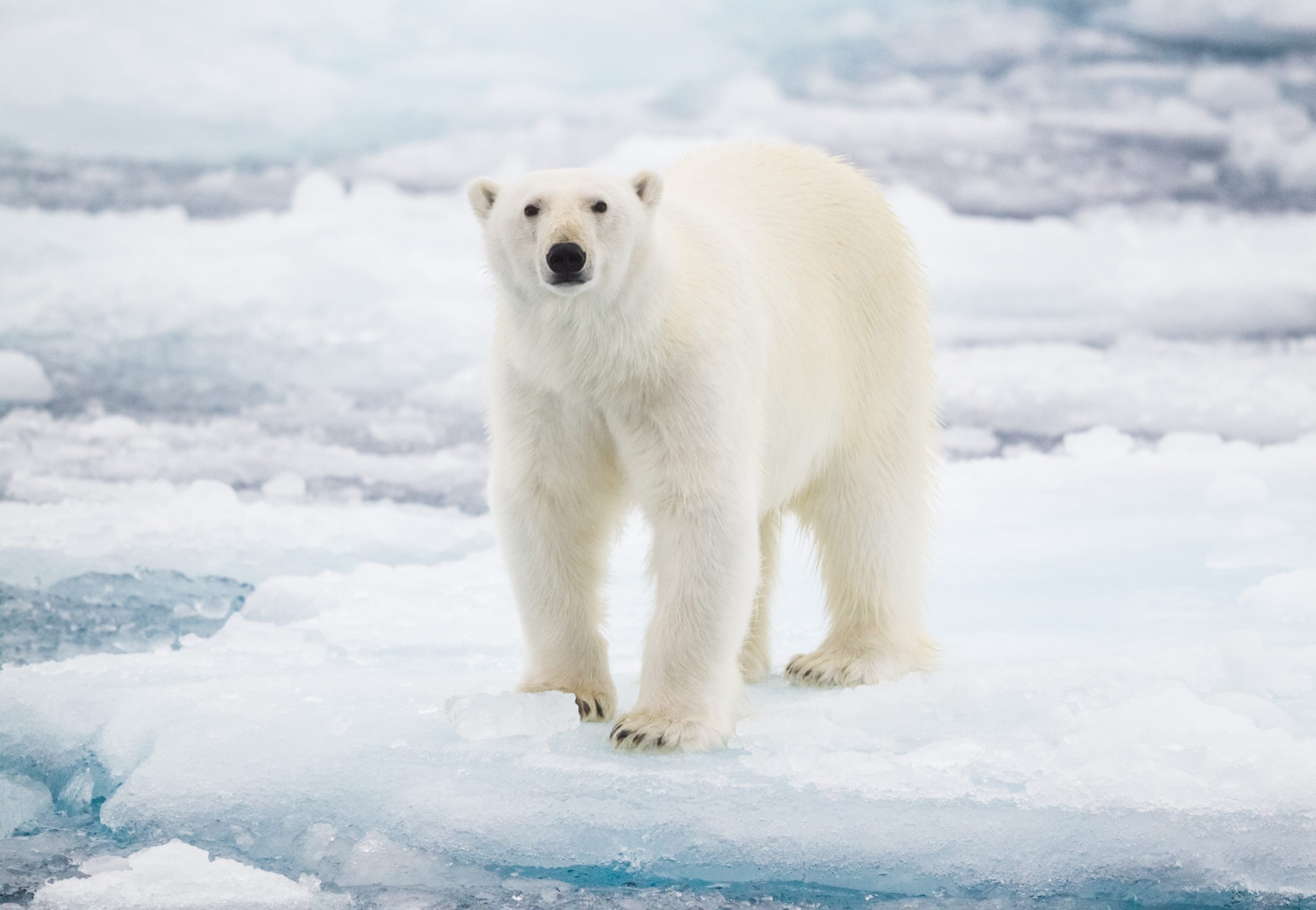
Polar bears have two layers of fur. The outer layer is thick and water-repellent. The undercoat is soft and dense. These layers trap heat close to the skin.
- The outer fur looks white and helps with camouflage.
- The undercoat keeps the body warm by holding heat.
- Fur covers even their paws to protect from ice.
Layer Of Fat Insulation
Under the skin, polar bears have a thick layer of fat. This fat acts as insulation. It keeps their body heat from escaping in cold weather.
| Feature | Purpose |
| Fat layer thickness | Up to 4.5 inches for warmth |
| Energy storage | Fat provides energy during scarce food |
| Buoyancy | Helps swimming in cold water |
Compact Body Shape
Polar bears have a compact body shape that reduces heat loss. Their small ears and tail keep less surface area exposed. This shape helps keep them warm in freezing weather.
Key body shape features:
- Rounded body to keep heat in
- Short neck and limbs to reduce heat loss
- Small ears limit exposure to cold air
Hunting Strategies
Polar bears survive cold weather by hunting smartly. They use special skills to catch their food on ice and in water. Their hunting strategies help them get enough food to stay strong.
These bears mainly hunt seals. They track, stalk, and swim to catch their prey. Each method helps them in different ways in the cold Arctic environment.
Tracking Seals On Ice
Polar bears watch the ice for signs of seals. They look for breathing holes and cracks where seals come up for air. They use their strong sense of smell to find these spots from far away.
- Follow seal tracks on the snow
- Wait near breathing holes quietly
- Use their nose to detect seal scent
- Move slowly to avoid being seen
Silent Stalking Techniques
Polar bears move very quietly to sneak up on seals. They lower their bodies and walk slowly on the ice. This helps them avoid making noise that might scare the seals away.
| Stalking Behavior | Purpose |
|---|---|
| Lower body close to ground | Reduce visibility |
| Slow, careful steps | Avoid noise |
| Pause often to listen | Detect seal movements |
| Use ice cover | Blend with surroundings |
Powerful Swimming Skills
Polar bears swim well to catch seals in the water. They use strong legs and large paws to move fast. This skill lets them hunt seals near ice edges or open water.
- Swim long distances without tiring
- Use front paws like paddles
- Hold breath underwater to surprise prey
- Climb onto ice quickly after swimming
Temperature Regulation
Polar bears live in very cold places. They must keep their body heat to survive. Their bodies have special ways to control temperature.
They use heat retention, reduce heat loss, and change behavior. These help them stay warm in freezing cold.
Heat Retention Mechanisms
Polar bears have thick fur and fat layers. The fur traps air and keeps warmth close. The fat, called blubber, stops heat from leaving their bodies.
- Dense underfur for insulation
- Outer guard hairs that repel water
- Thick blubber layer under the skin
- Black skin that absorbs sunlight
Minimizing Heat Loss
Polar bears lose heat through their paws and nose. They keep these parts warm by reducing blood flow. This stops too much heat from escaping.
| Body Part | Method to Minimize Heat Loss |
| Paws | Reduced blood flow and thick pads |
| Nose | Counter-current heat exchange system |
| Tail | Small size to reduce exposure |
Behavioral Adjustments
Polar bears change their actions to keep warm. They seek shelter and curl up to save heat. Sometimes, they cover their nose with their paws.
- Resting in snow dens to block wind
- Curling body and covering face
- Limiting movement to save energy
- Hunting during warmer parts of the day
Credit: www.rd.com
Energy Conservation
Polar bears live in very cold places. They need to save energy to survive. Their bodies use special ways to keep energy low.
Energy conservation helps polar bears stay warm and strong during hard times. They use less energy and move smartly on ice.
Slow Metabolism During Scarcity
When food is hard to find, polar bears slow down their metabolism. This means their body uses less energy. It helps them live longer without eating much.
- Body processes slow down
- Energy use decreases
- Fat stores keep them alive
- Less movement saves calories
Efficient Movement Across Ice
Polar bears walk and swim carefully to save energy. They use their strong legs to move smoothly on ice. This helps them avoid wasting energy.
| Movement Type | Energy Use | Purpose |
| Walking | Moderate | Hunting and traveling |
| Swimming | High | Crossing water |
| Resting | Low | Energy saving |
Resting And Sleeping Patterns
Polar bears rest a lot to save energy. They sleep in dens or on ice. Their resting time helps their body recover and keep warm.
Key resting habits:
- Long sleep periods during cold times
- Rest after hunting or traveling
- Use snow or ice to block wind
Reproduction And Raising Cubs
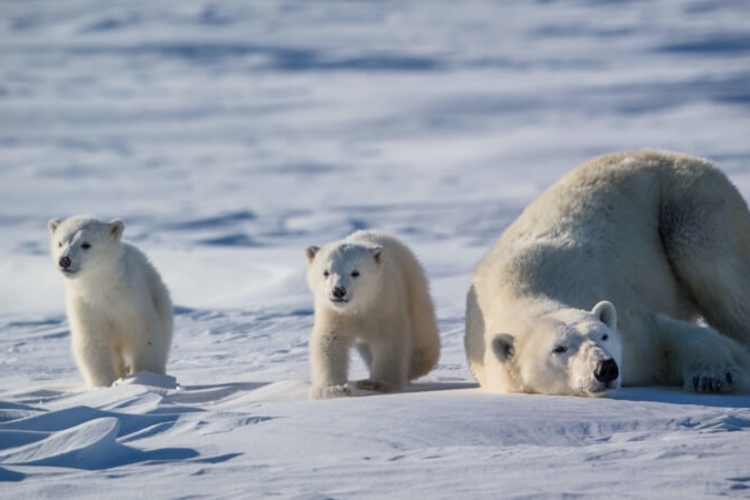
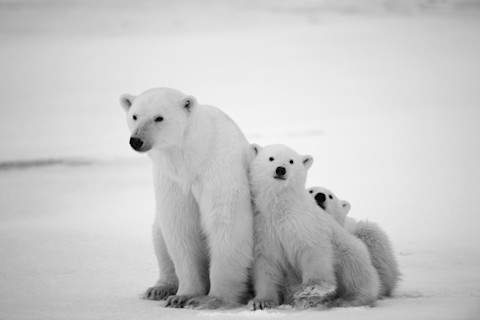
Polar bears live in very cold places. They have special ways to take care of their babies. The mother bear works hard to keep her cubs safe and warm. This helps the cubs grow strong in the cold weather.
This section explains how polar bears give birth and raise their cubs. It shows how they protect their young and help them grow in a cold world.
Denning In Snow
Mother polar bears dig dens in the snow to have their cubs. These dens keep the cubs warm and safe from the cold wind. The snow acts like a blanket, holding heat inside the den.
- The mother finds a quiet place to dig
- She creates a tunnel and a chamber inside the snow
- The den traps heat from the mother’s body
- Cubs are born inside the den during winter
- The mother stays in the den until the cubs are strong
Mother’s Role In Protection
The mother bear protects her cubs from danger. She keeps them close and hides them from other animals. She also feeds them with her milk until they can eat meat.
| Mother’s Actions | Purpose |
| Stays in the den with cubs | Keeps cubs warm and safe |
| Feeds cubs with milk | Provides nutrition for growth |
| Moves cubs to new locations | Avoids predators and danger |
| Teaches hunting skills | Prepares cubs for survival |
Cub Development In Cold
Cubs grow quickly in the cold snow. They develop thick fur to stay warm. Their body fat also helps them keep heat inside. The mother helps them learn how to live in the cold Arctic.
- Cubs open their eyes after a few weeks
- They start to walk after two months
- Fur grows thick and white for camouflage
- Mother teaches cubs how to hunt seals
- Cubs stay with mother for about two years
Credit: polarbearsinternational.org
Frequently Asked Questions
How Do Polar Bears Stay Warm In Freezing Temperatures?
Polar bears have thick fur and a dense fat layer that insulates them. Their black skin absorbs sunlight, helping retain heat. These adaptations keep them warm in Arctic cold.
What Role Does Polar Bear Fur Play In Survival?
Polar bear fur is water-repellent and traps heat close to their bodies. The hollow hairs reflect sunlight, providing camouflage and warmth, essential for surviving icy environments.
How Do Polar Bears Find Food In Cold Weather?
Polar bears hunt seals by waiting near breathing holes in the ice. They use patience and keen senses to catch prey, ensuring energy to survive harsh winters.
Why Is The Polar Bear’s Fat Layer Important?
The thick fat layer provides insulation and energy reserves. It protects them from cold and starvation during scarce food periods in winter months.
Conclusion
Polar bears survive cold weather through unique adaptations. Their thick fur keeps them warm. A layer of fat under the skin adds extra insulation. They have large paws to walk on snow and ice. Their body shape reduces heat loss.
These features help polar bears live in harsh Arctic conditions. They show nature’s power to adapt and survive. Understanding these traits helps us appreciate wildlife better. Polar bears remind us how animals thrive in tough environments. A true example of nature’s resilience.