Can Holly Survive Cold Weather: Expert Tips to Protect Your Plant
Have you ever wondered if your beloved holly plants can withstand the chill of winter? As the temperatures drop, you might find yourself worried about whether your garden will make it through the cold months.
You’re not alone. Many garden enthusiasts like you ponder over the resilience of holly when faced with frosty conditions. The good news is, there are simple ways to ensure your holly thrives even when the mercury dips. Stay with us as we delve into the secrets of protecting your holly from the cold, so you can enjoy its vibrant green leaves and bright berries all year round.

Credit: www.kew.org
Holly And Cold Weather
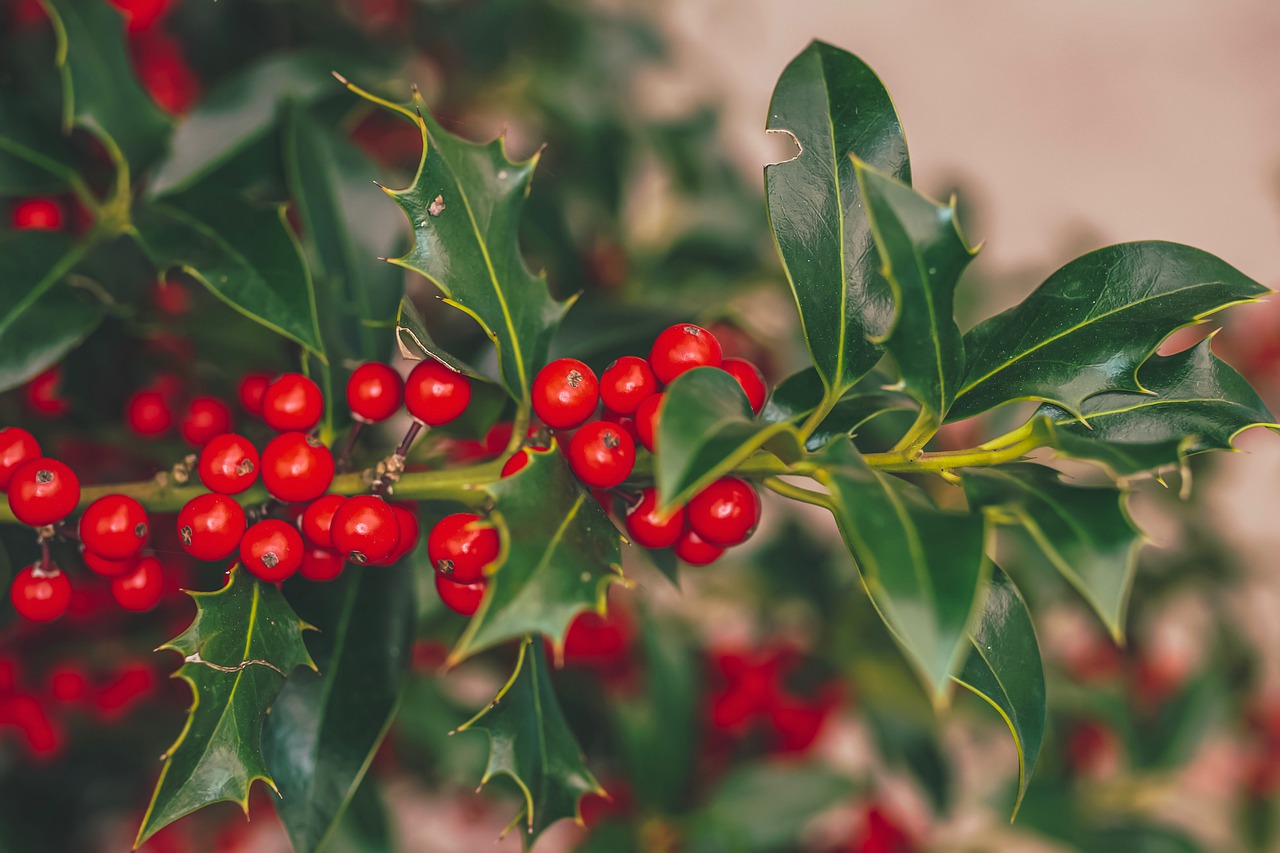
Holly is a popular plant known for its bright red berries and green leaves. Many gardeners wonder if holly can survive cold weather. Understanding how holly reacts to cold helps in caring for it during winter.
Different holly species have varying cold tolerance. Some types thrive in colder climates, while others need protection. Let’s explore holly’s cold tolerance and common challenges in cold weather.
Holly’s Cold Tolerance
Most holly plants can survive cold temperatures if they are the right type for the region. Evergreen hollies keep their leaves through winter, but frost can damage new growth. Some hollies tolerate temperatures as low as -10°F (-23°C).
- American holly survives down to about 0°F (-18°C).
- English holly can tolerate temperatures near -10°F (-23°C).
- Japanese holly is less cold hardy and may need shelter below 20°F (-6°C).
- Winter damage often appears as leaf browning or drop.
- Proper planting location improves cold survival.
Common Cold Weather Challenges
Cold weather causes several problems for holly plants. Frost, ice, and drying winds can harm leaves and berries. Poor soil drainage in winter also stresses holly roots.
| Challenge | Effect on Holly | Care Tip |
| Frost | Leaf burn and browning | Cover plants during frost |
| Ice | Broken branches | Prune damaged branches early |
| Drying wind | Leaf drop and dehydration | Use windbreaks or mulch |
| Waterlogged soil | Root rot | Ensure good drainage |
Preparing Holly For Winter
Holly plants can survive cold weather if you prepare them well. Protecting holly helps keep its leaves green and berries bright through winter.
Start preparing your holly early in the fall. This gives the plant time to adjust before the cold arrives.
Choosing The Right Location
Select a spot that offers some shelter from harsh winds. Holly does best near a wall or among other plants that block wind.
- Pick a location with partial shade to protect from strong sun and frost.
- Ensure the site has good air flow to prevent mold and mildew.
- Avoid low spots where cold air can settle.
- Plant holly away from places where salt from roads may reach it.
Soil And Mulching Tips
Holly grows best in well-drained, slightly acidic soil. Adding mulch helps keep roots warm and moist during winter.
| Soil Preparation | Mulch Types | Benefits |
| Loosen soil around the plant | Wood chips | Retains moisture and insulates roots |
| Add peat moss to increase acidity | Leaf mold | Improves soil texture and warmth |
| Check soil drainage; avoid waterlogging | Straw | Prevents frost damage and soil freezing |
Protective Measures
Holly plants can survive cold weather with the right care. Protecting them helps keep their leaves and berries safe.
Using covers and barriers can reduce damage from frost and wind. These simple steps support holly health in winter.
Using Burlap And Covers
Burlap protects holly from frost and sunscald. Wrap the plant loosely to allow air flow.
Use covers like frost blankets on very cold nights. Remove covers during the day to prevent moisture buildup.
- Wrap burlap around the plant frame
- Use frost cloths for extra cold protection
- Remove covers on sunny days
- Secure covers to avoid wind blowing them off
Windbreaks And Barriers
Strong winds can dry out holly leaves and cause damage. Build windbreaks to shield the plant.
Barriers like fences or hedges reduce wind speed near holly. Place them on the windward side for best effect.
- Use wooden or mesh fences as windbreaks
- Plant evergreen shrubs near holly
- Keep barriers about 3 to 5 feet tall
- Check barriers each winter for damage
Watering And Feeding In Cold Months
Holly plants can survive cold weather if cared for properly. Watering and feeding are important during winter months. These tasks help holly stay healthy and strong.
It is important to adjust watering and feeding habits as the temperature drops. Understanding what holly needs in cold weather keeps it alive through winter.
Winter Watering Needs
Holly needs less water in winter than in summer. The soil stays moist longer because of lower temperatures. Overwatering can harm the roots during cold months.
Water holly only when the top inch of soil feels dry. Use room temperature water to avoid shocking the plant. Avoid watering if the ground is frozen.
- Check soil moisture before watering
- Water deeply but less often
- Do not water if soil is frozen
- Use lukewarm water to protect roots
Fertilizing Before Cold Sets In
Feed holly before the cold weather starts. Fertilizing in late fall helps holly store nutrients for winter. Avoid feeding during freezing temperatures.
Use a slow-release fertilizer with balanced nutrients. This type of fertilizer feeds holly gradually and supports root growth. Stop fertilizing once the soil temperature drops below 50°F (10°C).
- Apply fertilizer in late fall
- Choose slow-release, balanced fertilizer
- Do not fertilize in freezing weather
- Water after fertilizing to help absorption
Dealing With Frost And Snow
Holly plants can face tough challenges in cold weather. Frost and snow can harm their leaves and branches. Caring for holly during winter helps keep it healthy.
Knowing how to spot frost damage and how to remove snow properly protects your holly. This guide explains key signs and useful techniques.
Frost Damage Signs
Frost can cause several problems for holly plants. Look for these signs to catch damage early:
- Brown or black spots on leaves
- Leaves that look dry or curled
- Wilted or drooping branches
- Soft or mushy stems
- Slow new growth in spring
Check your holly after cold nights. Early detection helps you act quickly to save the plant.
Snow Removal Techniques
Snow can weigh down holly branches and cause breakage. Use careful methods to remove snow without harm.
- Gently shake the branches to remove loose snow.
- Use a soft broom to brush off snow from the top down.
- Avoid using sharp tools that can cut branches.
- Clear snow regularly during heavy snowfall.
- Protect young plants with burlap covers if possible.
| Technique | Purpose | Notes |
| Shaking branches | Remove loose snow | Do gently to avoid damage |
| Brushing with broom | Clear heavy snow | Start from top, move downward |
| Covering with burlap | Protect from frost and snow | Best for young or small holly |
Indoor Care For Holly
Holly plants can survive cold weather if cared for indoors properly. Bringing them inside protects them from frost and freezing temperatures.
Indoor care requires attention to light, humidity, and temperature. These factors help holly stay healthy during winter months.
Bringing Holly Indoors
Move your holly plant indoors before the first frost. Choose a spot away from drafts and heat sources like heaters.
- Check the plant for pests before bringing it inside.
- Water the plant lightly to keep the soil moist but not soggy.
- Place a tray with pebbles and water under the pot to increase humidity.
- Avoid sudden changes in temperature to reduce stress on the plant.
Indoor Light And Humidity
Holly needs bright, indirect light to thrive indoors. A spot near a window with filtered sunlight works well.
| Light Level | Effect on Holly |
| Bright indirect light | Healthy growth and vibrant leaves |
| Low light | Slow growth and pale leaves |
| Direct sunlight | Leaf scorch and damage |
Keep humidity levels moderate. Dry indoor air can cause leaf drop or brown edges on holly leaves.
- Use a humidifier near the plant.
- Group plants together to create a microclimate.
- Mist leaves regularly with water.
Common Mistakes To Avoid
Holly plants need special care in cold weather. Many people make simple mistakes that harm their plants. Knowing what to avoid helps holly survive winter better.
This guide covers two common errors: overwatering and ignoring temperature changes. Avoid these to keep your holly healthy all winter long.
Overwatering In Winter
Watering holly too much in winter can damage its roots. The cold ground holds water longer, which may cause root rot. Holly needs less water in cold months because it grows slower.
- Do not water daily; check soil moisture first.
- Water only when the top inch of soil is dry.
- Use pots with good drainage to avoid water buildup.
- Reduce watering during frost or snow periods.
Ignoring Temperature Fluctuations
Holly plants suffer if temperature changes are ignored. Sudden cold snaps or warm spells can stress the plant. Protect holly from strong winds and frost to keep leaves healthy.
| Temperature Issue | Effect on Holly | How to Protect |
| Sudden cold snap | Leaf damage and slowed growth | Cover with frost cloth or bring indoors if potted |
| Warm spells in winter | Early budding that risks frost damage | Keep plant in stable, cool location |
| Strong winds | Drying and leaf drop | Use windbreaks or place near a wall |

Credit: www.best4hedging.co.uk

Credit: tedsgardens.com
Frequently Asked Questions
Can Holly Plants Survive Freezing Temperatures?
Yes, many holly varieties can survive freezing temperatures. They tolerate cold weather down to USDA zone 5, with proper care and protection.
How To Protect Holly From Harsh Winter Cold?
Protect holly by mulching the soil, watering before freeze, and using burlap screens against wind. Avoid late pruning to reduce stress.
Do Holly Leaves Change In Cold Weather?
Holly leaves usually stay green in cold weather. Some varieties may show slight discoloration, but they generally maintain their vibrant color.
Is Holly Evergreen In Cold Climates?
Yes, holly is typically evergreen, even in cold climates. Its leaves remain green year-round, adding winter interest to gardens.
Conclusion
Holly plants can survive cold weather with proper care. Choose hardy varieties suited to your climate zone. Protect young plants from frost using mulch or covers. Water holly well before winter to keep roots healthy. Cold weather might slow growth but won’t kill strong plants.
Watch for signs of damage and prune if needed. Growing holly in colder areas is possible and rewarding. With simple steps, your holly can thrive through winter months. Keep these tips in mind for a healthy, green holly plant year-round.