How to Survive Category 5 Hurricane: Essential Life-Saving Tips
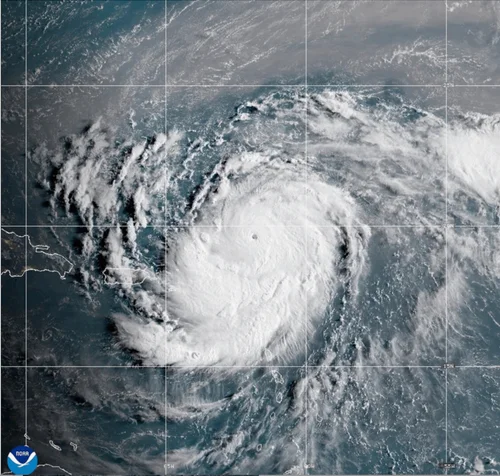
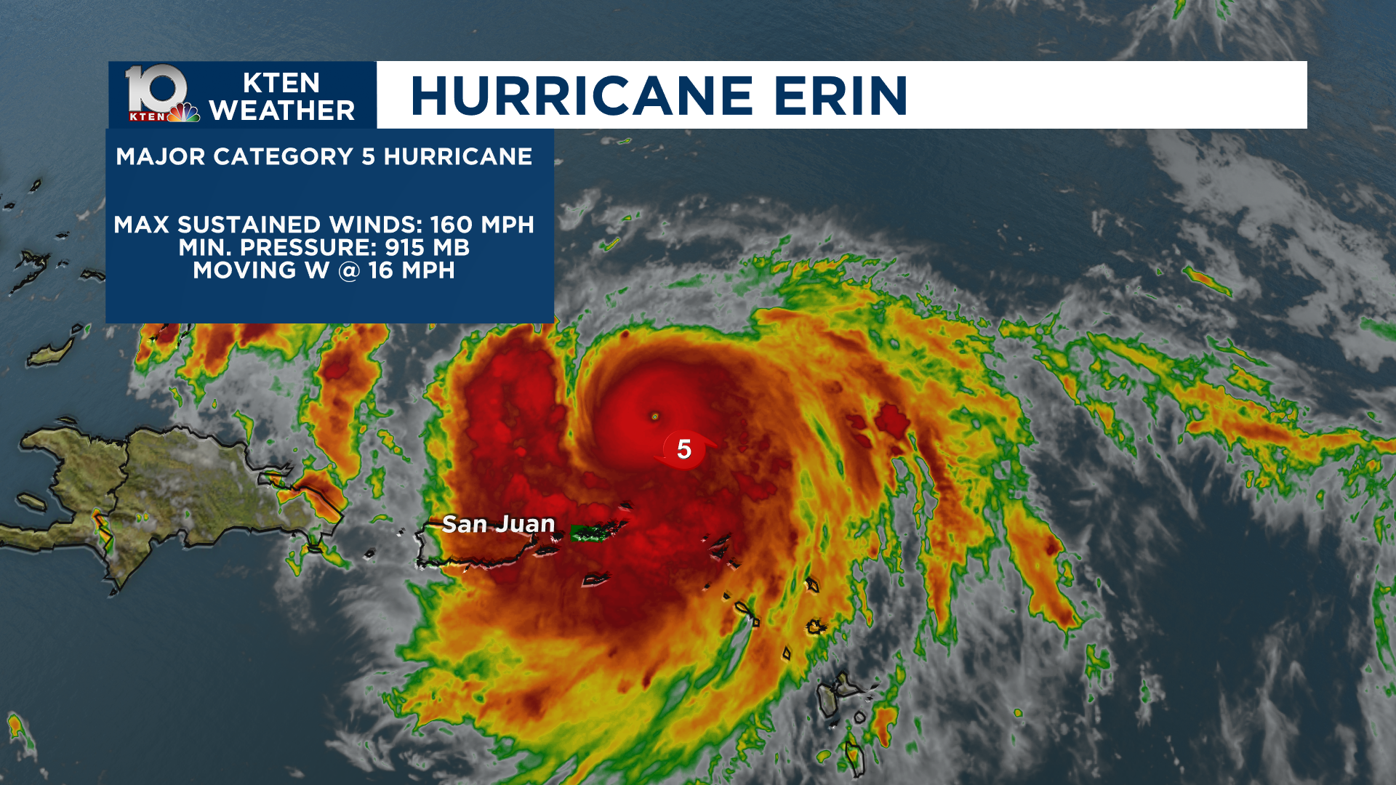
When a Category 5 hurricane is on the horizon, the stakes are incredibly high. Your safety and well-being depend on the decisions you make now.
Imagine the roaring winds, the torrential rains, and the uncertainty of what comes next. It’s a scenario no one wants to face, but being prepared can make all the difference. You might wonder, “How can I protect myself and my loved ones from such a powerful force of nature?
” The answer lies in understanding the steps you need to take before, during, and after the storm. This guide will provide you with the crucial information you need to not just face the hurricane, but to survive it with confidence. Stay with us, because knowing what to do can save lives, and yours is worth every second of preparation.
Credit: www.kten.com
Preparing Before The Storm
Category 5 hurricanes bring extreme winds and heavy rain. Preparing early can protect your family and home. Take time to plan and gather supplies now.
This guide covers key steps to get ready before a powerful hurricane hits. Focus on building an emergency kit, securing your home, and making a family plan.
Creating An Emergency Kit
Keep important items ready in one place. Your kit should cover basic needs for several days without outside help.
- Water: One gallon per person per day for at least three days
- Non-perishable food: Enough for three days
- Battery-powered or hand-crank radio
- Flashlights and extra batteries
- First aid kit with medicines
- Personal hygiene items and sanitation supplies
- Copies of important documents in waterproof bags
- Cash in small bills
- Chargers and power banks for phones
Securing Your Home
Protect your home from damage by checking and strengthening key areas. This helps reduce risks during the storm.
| Area | Action |
| Windows and Doors | Install storm shutters or board up with plywood |
| Roof | Check for loose shingles and fix them |
| Garage | Secure doors to prevent wind damage |
| Outdoor Items | Bring inside or tie down furniture and trash cans |
| Trees | Trim weak branches away from the house |
Developing A Family Plan
Make sure everyone knows what to do before, during, and after the hurricane. Practice the plan regularly.
- Choose a safe meeting place outside the danger zone
- Identify evacuation routes and shelter locations
- Assign roles, like who grabs the emergency kit
- Keep a list of emergency contacts
- Plan for pets and special needs family members
- Stay informed with weather updates and warnings
Evacuation Strategies
Surviving a Category 5 hurricane requires careful planning. Evacuation is one of the most important actions you can take. Knowing how and when to leave can save your life.
This guide helps you prepare for evacuation. It covers when to leave, where to go, and how to plan your route.
Knowing When To Evacuate
Listen to local officials for evacuation orders. Do not wait until the last minute to leave. Leaving early reduces traffic and danger.
Watch weather updates closely. If a Category 5 hurricane is approaching your area, prepare to evacuate immediately. Delaying can put you in serious risk.
Choosing Safe Shelters
Find shelters outside the hurricane’s path. Avoid low-lying areas that may flood. Look for official shelters set up by authorities.
Consider shelters that can protect you from strong winds and flooding. If possible, choose a shelter with backup power and basic supplies.
- Public storm shelters
- Community centers on higher ground
- Homes of friends or family outside the danger zone
Planning Evacuation Routes
Plan more than one evacuation route. Roads may close or flood during the storm. Know alternative paths to your shelter.
Check traffic and road conditions before you leave. Share your evacuation plan with family or friends. Carry a map or GPS device in case of poor signal.
- Identify primary and backup routes
- Avoid highways prone to flooding
- Consider travel time and fuel needs
- Keep your vehicle fueled and ready
During The Hurricane
Surviving a Category 5 hurricane requires careful actions during the storm. It is important to stay calm and follow safety rules.
This guide covers how to stay safe indoors, handle power outages, and protect yourself from flying debris.
Staying Indoors Safely
Stay inside your home or shelter until the hurricane passes. Do not go outside or near windows.
Find a small, windowless room like a bathroom or closet. Stay low to the ground and away from glass.
- Close all doors and windows
- Keep a flashlight and batteries nearby
- Use blankets or pillows for extra protection
- Listen to weather updates on a battery radio
Managing Power Outages
Power outages are common during strong hurricanes. Be prepared to live without electricity for hours or days.
Turn off appliances and lights to avoid damage when power returns. Use flashlights instead of candles to reduce fire risk.
- Keep phones charged before the hurricane
- Use battery-powered devices for light and communication
- Save water and food that do not need cooking
- Avoid opening refrigerators often to keep food cold
Protecting Against Flying Debris
Flying debris can cause serious injuries during a hurricane. It is important to protect yourself and your home.
Cover windows with plywood or storm shutters before the storm. Stay away from glass and broken windows during the hurricane.
- Wear sturdy shoes and long sleeves if you must move
- Use helmets or heavy blankets to shield your head
- Secure outdoor objects or bring them inside before the storm
- Keep pets in a safe, indoor area away from windows

Credit: x.com
After The Hurricane
After a Category 5 hurricane, the first days are critical for safety and recovery. Many dangers remain even after the storm passes. Knowing what to do next helps protect you and your family.
Focus on careful actions to avoid risks. Follow these guidelines on damage assessment, emergency help, and health safety.
Assessing Damage Safely
Check your property only when it is safe and daylight. Watch for broken glass, sharp objects, and unstable structures. Wear sturdy shoes and gloves. Avoid downed power lines and flooded areas.
- Look for gas leaks or damaged electrical wires.
- Do not enter buildings that look unsafe.
- Take photos of damage for insurance claims.
- Keep children and pets away from dangerous spots.
- Use a flashlight instead of candles inside buildings.
Accessing Emergency Services
Emergency services may be busy or delayed. Use phones only for urgent calls. Listen to local news for updates and instructions. Share your location clearly if you need help.
| Emergency Service | Contact Method | Purpose |
| Police | 911 or local emergency number | Report crime or safety threats |
| Fire Department | 911 or local fire number | Fire or rescue needs |
| Medical Help | 911 or nearest hospital | Serious injuries or illness |
| Utility Company | Local phone or website | Report power or gas outages |
| Disaster Relief | Local shelters or hotlines | Food, shelter, and aid |
Preventing Illness And Injury
After the storm, health risks rise from dirty water and debris. Keep wounds clean and avoid floodwater contact. Drink only bottled or boiled water. Throw away spoiled food.
Tips to Stay Healthy:
- Wash hands often with soap and clean water.
- Use insect repellent to avoid bites.
- Wear long sleeves and pants outdoors.
- Dispose of garbage in sealed bags.
- Rest well to keep your immune system strong.
Special Considerations
Surviving a Category 5 hurricane requires extra care for certain groups. Some people and animals need special attention. Preparing for these needs can save lives.
This section covers helping vulnerable individuals, caring for pets, and handling floodwaters safely.
Helping Vulnerable Individuals
People with disabilities, the elderly, and children need extra help. Plan ahead to support them during the storm and after.
- Keep a list of emergency contacts for each vulnerable person.
- Ensure they have necessary medications and medical supplies.
- Arrange for transportation if they cannot drive.
- Prepare a safe space with easy access to essentials.
- Check in regularly during and after the hurricane.
Caring For Pets
Pets depend on you for safety during a hurricane. Prepare a kit with food, water, and supplies for them.
| Item | Purpose |
| Pet food | Keep pets fed during power outages |
| Water | Hydration for pets |
| Leashes and carriers | Safe transport and control |
| Medications | Health needs of pets |
| Toys or comfort items | Reduce stress |
Handling Floodwaters
Floodwaters are dangerous and can carry harmful germs. Avoid contact as much as possible.
Safety tips for floodwaters:
- Wear waterproof boots and gloves.
- Do not drink or cook with floodwater.
- Avoid driving through flooded roads.
- Wash hands thoroughly after contact.
- Report any injuries or infections to a doctor immediately.

Credit: www.msn.com
Frequently Asked Questions
What Are The First Steps To Prepare For A Category 5 Hurricane?
Start by securing your home and gathering emergency supplies. Create an evacuation plan and stay informed through official weather updates. Protect important documents and charge all devices. Prioritize safety and follow local authorities’ instructions promptly.
How Do I Create An Effective Hurricane Emergency Kit?
Include water, non-perishable food, medications, flashlight, batteries, and first aid supplies. Add important documents, cash, and a battery-powered radio. Tailor the kit to your family’s needs. Update it regularly to ensure readiness during a Category 5 hurricane.
When Should I Evacuate During A Category 5 Hurricane?
Evacuate immediately when local authorities order it or if you live in a high-risk zone. Do not wait until the last minute. Early evacuation reduces risks and allows safer travel. Always follow official guidance to ensure your safety.
How Can I Protect My Home From Hurricane Damage?
Install storm shutters or board up windows. Secure loose outdoor items and reinforce doors. Trim trees and clear gutters to prevent debris damage. Consider roof reinforcements. Proper preparation minimizes structural harm during a Category 5 hurricane.
Conclusion
Surviving a Category 5 hurricane takes careful planning and quick action. Stay calm and follow safety steps closely. Prepare your home and gather supplies early. Listen to official warnings and know when to leave. Protect yourself and your loved ones above all.
Remember, staying safe means staying informed and ready. Facing a hurricane is tough, but you can manage it. Keep hope and stay strong through the storm. Safety comes first—always.